The Fertility Diet: Evidence-Based Nutrition Strategies to Boost Your Chances of Conception


How Nutrition Directly Impacts Fertility
When you're trying to conceive, every aspect of your health matters — and few things influence fertility as profoundly as what you put on your plate. Research published in Human Reproduction Update found that women who followed a fertility-friendly diet reduced their risk of ovulatory infertility by up to 66%. For men, dietary patterns affect sperm count, motility, and morphology just as dramatically.
A landmark study from the Harvard School of Public Health, which followed over 18,000 women trying to conceive, demonstrated that those who adhered most closely to a "fertility diet" experienced a 66% lower risk of infertility due to ovulatory disorders. Folate supports DNA synthesis in developing egg cells. Zinc is essential for sperm formation. Omega-3 fatty acids improve cervical mucus quality and regulate inflammatory pathways that can disrupt implantation.
The Core Components of a Fertility-Boosting Diet
1. Complex Carbohydrates with a Low Glycemic Index: Choose whole grains, legumes, and vegetables over refined carbs. A 2022 meta-analysis in Nutrients found that high-glycemic diets were associated with a 42% increase in ovulatory infertility.
2. High-Quality Protein from Plant and Fish Sources: The Nurses' Health Study II found that replacing one serving of red meat per day with legumes reduced infertility risk by 15%. Fish rich in omega-3s — salmon, sardines, mackerel — offer anti-inflammatory benefits.
3. Healthy Fats: Avocados, olive oil, nuts, and seeds provide fat-soluble vitamins. A study in Human Reproduction showed that women with the highest monounsaturated fat intake had a 43% lower risk of ovulatory infertility.
4. Full-Fat Dairy in Moderation: Harvard research found that women who consumed full-fat dairy daily had a 27% lower risk of ovulatory infertility compared to low-fat options.
5. Leafy Greens: Folate-rich foods like spinach, kale, and broccoli are essential. The CDC recommends 400-800 mcg of folic acid daily.
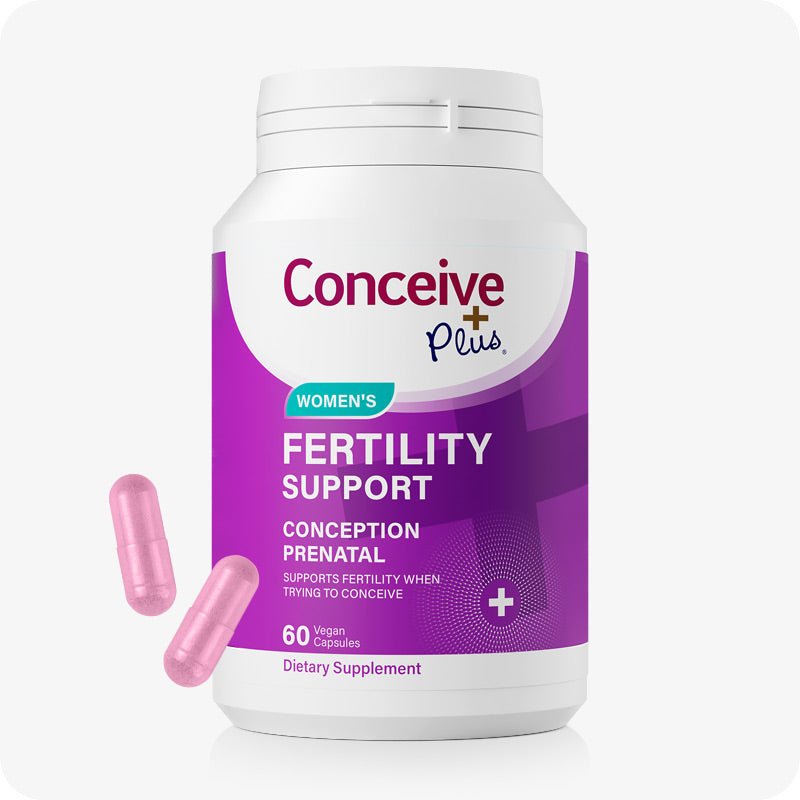
Ready to optimise your fertility nutrition? Women's Fertility Support from Conceive Plus provides the targeted nutrients your body needs to support healthy conception.
The Mediterranean Diet: The Gold Standard for Fertility
A prospective study of 485 couples found that those who adhered most closely to a Mediterranean diet pattern were 2.7 times more likely to achieve pregnancy within 12 months. The diet emphasizes abundant vegetables, fruits, whole grains, olive oil as the primary fat, moderate fish and poultry, and limited red meat.
Key Nutrients for Female Fertility
Folate: 400-800 mcg daily. CoQ10: 200-600 mg daily improves egg quality in women over 35. Vitamin D: 1,000-2,000 IU daily — 40% of infertile women are deficient. Omega-3s: 1,000 mg EPA+DHA daily. Iron: 18 mg daily.
Key Nutrients for Male Fertility
Zinc: Improves sperm count by 74%. Selenium: 55-70 mcg daily. L-Carnitine: 1,000-3,000 mg improves motility. Vitamin C: 500-1,000 mg daily. Vitamin E: 400-800 IU daily.
Foods to Limit or Avoid
Trans Fats: Every 2% increase correlates with 73% higher infertility risk. Excess Alcohol: More than 5 drinks/week for women delays conception. High-Mercury Fish: Avoid shark, swordfish, king mackerel. Excess Caffeine: Limit to 200 mg daily. Sugar-Sweetened Beverages: Reduce monthly conception probability by 19%.
Building Your Fertility Meal Plan
Breakfast: Oatmeal with berries and flaxseed; spinach omelette with wholegrain toast; Greek yoghurt with seeds and fruit. Lunch: Quinoa salad with chickpeas and avocado; salmon poke bowl; lentil soup with greens. Dinner: Grilled salmon with sweet potatoes; turkey stir-fry with quinoa; Mediterranean cod. Snacks: Almonds and apple; hummus with vegetables; hard-boiled egg.
The Role of Supplements in a Fertility Diet
While whole foods form the foundation, targeted supplementation fills critical gaps. Conceive Plus Women's Fertility Support provides precisely formulated, evidence-based nutrients for optimal reproductive health.
Frequently Asked Questions
What is the best diet for fertility? The Mediterranean diet is the gold standard, consistently linked with improved fertility outcomes in both women and men.
Can diet improve egg quality? Yes. Eggs take 90-120 days to mature, so dietary improvements 3-4 months before conception significantly impact quality.
How long before conception should I change my diet? At least 3-4 months to align with the egg and sperm maturation cycle.
Does the fertility diet work for PCOS? Yes. A low-glycemic diet is particularly effective for PCOS, helping regulate insulin and balance hormones.
Can men improve fertility through diet? Yes. Male fertility is highly responsive to zinc, selenium, vitamin C, and CoQ10.
Is organic food necessary? Not essential, but prioritising organic for the Dirty Dozen list can reduce pesticide exposure.
Should I take supplements with a fertility diet? Yes. A prenatal multivitamin fills nutritional gaps even with an optimal diet.
Does caffeine affect conception? Over 200 mg daily has been associated with delayed conception. 1-2 small cups is safe.
Does body weight affect fertility diet effectiveness? Yes. A BMI of 19-25 is associated with optimal fertility outcomes.
What foods should I avoid? Trans fats, excessive alcohol, high-mercury fish, processed meats, and sugary beverages.
Take the next step. Women's Fertility Support is expertly formulated to complement a healthy diet and support your body's natural reproductive processes.