Mannelijke vruchtbaarheid en sperma gezondheid: de complete gids voor Australische mannen


Mannelijke vruchtbaarheid en sperma gezondheid: de complete gids voor Australische mannen
Wanneer koppels moeite hebben om zwanger te worden, gaat het gesprek vaak over de gezondheid van vrouwen — maar de realiteit is dat mannelijke vruchtbaarheid een even belangrijke rol speelt. Volgens Andrology Australia dragen mannelijke factoren bij aan ongeveer 40–50% van alle gevallen van onvruchtbaarheid in Australië. Desondanks zijn veel Australische mannen zich niet bewust van de belangrijkste factoren die hun voortplantingsgezondheid beïnvloeden, welke waarschuwingssignalen ze moeten herkennen en — cruciaal — wat ze eraan kunnen doen.
Of je nu net begint aan je reis naar het ouderschap, actief probeert zwanger te worden, of gewoon je voortplantingsgezondheid beter wilt begrijpen, deze gids behandelt alles wat je moet weten over mannelijke vruchtbaarheid en sperma gezondheid. Van het begrijpen wat sperma "gezond" maakt tot het verkennen van leefstijlveranderingen en klinisch ondersteunde supplementen, we hebben de meest actuele en relevante informatie voor Australische mannen verzameld.
Begrip van mannelijke vruchtbaarheid: de basis
Mannelijke vruchtbaarheid hangt voornamelijk af van de kwaliteit en kwantiteit van het geproduceerde sperma. Om een eicel te bevruchten, moet sperma in voldoende aantallen aanwezig zijn, efficiënt kunnen bewegen en structureel normaal zijn. Een standaard zaadanalyse beoordeelt vier kernparameters:
- Spermatelling (concentratie): Het aantal spermacellen per milliliter zaad. De Wereldgezondheidsorganisatie (WHO) definieert een normale spermatelling als 16 miljoen spermacellen per milliliter of meer.
- Spermabeweeglijkheid: Het percentage sperma dat actief beweegt. Minstens 42% van het sperma moet enige vorm van beweging vertonen, waarbij 30% een progressieve (voorwaartse) beweeglijkheid laat zien.
- Spermavorm: De grootte en vorm van sperma. Volgens de strikte Kruger-criteria moet minstens 4% van het sperma een normale vorm hebben.
- Zaadvolume: De totale hoeveelheid zaad die wordt uitgestoten, normaal gesproken 1,4 mL of meer per ejaculatie.
Problemen met een van deze parameters kunnen de vruchtbaarheid verminderen. In Australië wordt geschat dat ongeveer één op de twintig mannen een vorm van vruchtbaarheidsprobleem heeft, waarbij één op de honderd helemaal geen sperma produceert. Het begrijpen van deze basiswaarden is de eerste stap naar het nemen van zinvolle maatregelen.
Veelvoorkomende oorzaken van een laag sperma-aantal en slechte spermakwaliteit in Australië
Verschillende medische en leefstijlfactoren kunnen de gezondheid van sperma negatief beïnvloeden. Australische mannen moeten zich bewust zijn van de volgende veelvoorkomende oorzaken:
Medische oorzaken
- Varicocele: Vergrote aderen in het scrotum zijn een van de meest voorkomende — en meest behandelbare — oorzaken van mannelijke onvruchtbaarheid in Australië, en treffen ongeveer 15% van de mannen in de algemene bevolking en tot 40% van de mannen met vruchtbaarheidsproblemen.
- Hormonale onevenwichtigheden: Aandoeningen die de hypofyse of hypothalamus aantasten kunnen de testosteronproductie verstoren en daarmee de spermaontwikkeling beïnvloeden.
- Infecties: Seksueel overdraagbare aandoeningen (soa’s) zoals chlamydia en gonorroe kunnen littekens in de voortplantingswegen veroorzaken. Andere infecties, waaronder boforchitis (virale infectie die de testikels aantast), kunnen de spermaproductie belemmeren.
- Niet-ingedaalde testikels: Mannen met een geschiedenis van niet-ingedaalde testikels (cryptorchidie) hebben een verhoogd risico op verminderde spermaproductie.
- Genetische aandoeningen: Klinefelter-syndroom (XXY-chromosomen) en andere chromosomale afwijkingen kunnen de spermaproductie beïnvloeden. Mutaties die cystische fibrose veroorzaken kunnen ook de zaadleiders aantasten.
Levensstijlfactoren
- Roken: Roken van sigaretten wordt geassocieerd met een verminderd aantal spermacellen, verminderde beweeglijkheid en afwijkingen in de morfologie. Onderzoek koppelt roken consequent aan hogere niveaus van DNA-schade in sperma.
- Overmatig alcoholgebruik: Regelmatig zwaar drinken verlaagt het testosteronniveau en vermindert de spermakwaliteit. Zelfs matig alcoholgebruik blijkt de spermamorfologie te beïnvloeden.
- Obesitas: Overmatig lichaamsvet — vooral buikvet — verhoogt het oestrogeengehalte en onderdrukt testosteron, wat direct invloed heeft op de spermaproductie. Volgens het Australian Institute of Health and Welfare is meer dan tweederde van de Australische mannen te zwaar of obees, waardoor een groot deel van de mannelijke bevolking mogelijk risico loopt.
- Blootstelling aan hitte: De testikels functioneren het beste bij een temperatuur iets onder de lichaamstemperatuur. Het regelmatig dragen van strakke onderkleding, lange periodes in een warm bubbelbad doorbrengen of werken in omgevingen met hoge temperaturen kan de spermaproductie belemmeren.
- Gebruik van anabole steroïden: Een belangrijke zorg in Australië, het gebruik van prestatiebevorderende middelen onderdrukt de natuurlijke hormoonproductie van het lichaam en kan tijdelijke of permanente onvruchtbaarheid veroorzaken.
- Milieuverontreinigende stoffen: Langdurige blootstelling aan pesticiden, zware metalen (lood, cadmium) en industriële chemicaliën wordt in verband gebracht met verminderde spermakwaliteit.
Ondersteun mannelijke vruchtbaarheid op natuurlijke wijze
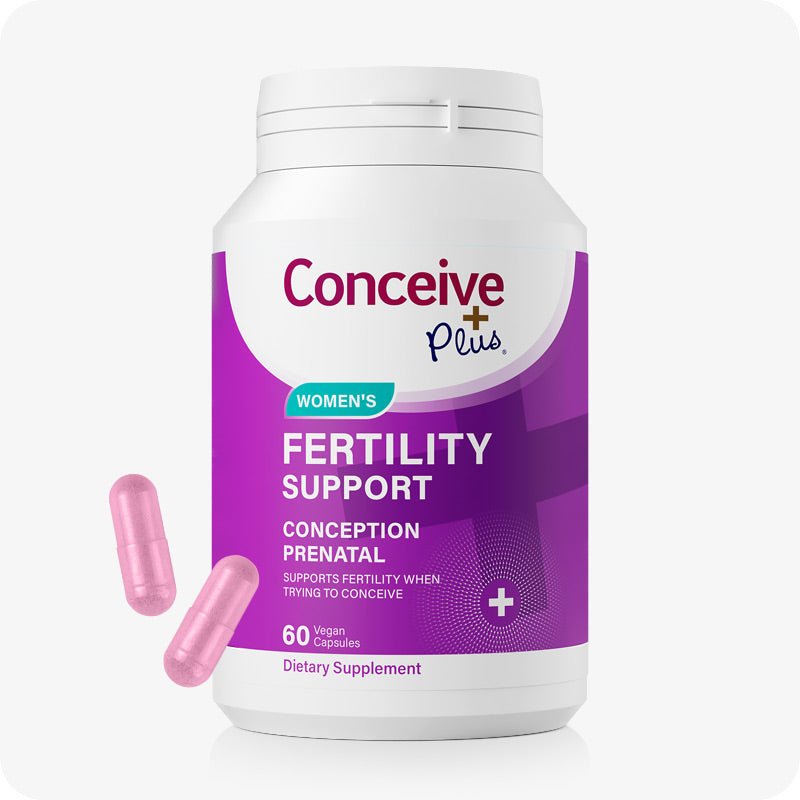
Conceive Plus Ondersteuning voor Mannen’s Vruchtbaarheid is klinisch geformuleerd met zink, selenium, CoQ10 en antioxidanten die bewezen sperma gezondheid, beweeglijkheid en aantal ondersteunen.
Ontdek Ondersteuning voor Mannen’s Vruchtbaarheid →Hoe Sperma Wordt Gemaakt: Het 90-Daagse Venster
Een van de belangrijkste — en meest misbegrepen — aspecten van mannelijke vruchtbaarheid is hoe lang het duurt om sperma te produceren. Spermatogenese (spermaproductie) duurt ongeveer 74 dagen, gevolgd door een rijpingsperiode van nog eens 12–21 dagen terwijl het sperma door de bijbal reist. Dit betekent dat de volledige cyclus van spermastamcel tot geëjaculeerd sperma ongeveer 90 dagen duurt.
Waarom is dit belangrijk? Omdat veranderingen in levensstijl, verbeteringen in voeding en supplementen tijd nodig hebben om effect te tonen. Als een Australische man vandaag begint met het verbeteren van zijn dieet, regelmatig gaat sporten en een supplement voor sperma gezondheid neemt, zal hij het volledige effect op zijn zaadanalyse pas na ongeveer drie maanden zien. Daarom raden vruchtbaarheidsspecialisten aan om ten minste drie maanden voor het proberen zwanger te worden te beginnen met de voorbereiding — een aanbeveling ondersteund door de Fertility Society of Australia and New Zealand (FSANZ).
Het positieve aan deze biologie is dat schade aan sperma vaak omkeerbaar is. Mannen die stoppen met roken, hun dieet verbeteren, stress verminderen en voedingsdeficiënties aanpakken, kunnen binnen 90 dagen betekenisvolle verbeteringen in spermakwaliteit zien.
Belangrijke Nutriënten voor Sperma Gezondheid
Voeding speelt een krachtige rol bij de productie en kwaliteit van sperma. Verschillende belangrijke micronutriënten zijn uitgebreid bestudeerd vanwege hun impact op de mannelijke voortplantingsgezondheid:
Zink
Zink is wellicht het belangrijkste mineraal voor de mannelijke voortplantingsgezondheid. Het is essentieel voor de synthese van testosteron, de productie van sperma en de beweeglijkheid van sperma. Een zinktekort wordt geassocieerd met een verminderd aantal spermacellen en slechte beweeglijkheid. Australische mannen met lage zinkwaarden — wat kan voorkomen door onvoldoende voeding, overmatig alcoholgebruik of bepaalde medische aandoeningen — lopen een bijzonder risico. Goede voedingsbronnen zijn rood vlees, schelpdieren (vooral oesters), peulvruchten en zaden.
Selenium
Selenium is een krachtige antioxidant die helpt het DNA van sperma te beschermen tegen oxidatieve schade. Onderzoek gepubliceerd in peer-reviewed tijdschriften heeft aangetoond dat seleniumsuppletie de beweeglijkheid en morfologie van sperma kan verbeteren. De bodems in Australië zijn in bepaalde regio's relatief seleniumarm, wat kan betekenen dat sommige Australische mannen een suboptimale seleniuminname hebben. Paranoten, zeevruchten en eieren zijn goede bronnen.
Co-enzym Q10 (CoQ10)
CoQ10 is een van nature voorkomende antioxidant die in hoge concentraties voorkomt in de mitochondriën van spermacellen. Het speelt een cruciale rol bij het leveren van de energie die sperma nodig heeft voor beweeglijkheid. Meerdere klinische onderzoeken hebben aangetoond dat suppletie met CoQ10 de zaadconcentratie, beweeglijkheid en morfologie aanzienlijk kan verbeteren. CoQ10-niveaus in het lichaam nemen af met de leeftijd, waardoor suppletie vooral relevant is voor mannen boven de 35.
Folaat (Vitamine B9)
Hoewel folaat vooral bekend is vanwege zijn rol bij het voorkomen van neurale buisdefecten tijdens de zwangerschap, is het even belangrijk voor de zaadgezondheid. Folaattekort is in verband gebracht met verhoogde DNA-fragmentatie in sperma, wat de vruchtbaarheid kan verminderen en het risico op een miskraam kan verhogen. Mannen die proberen zwanger te worden, moeten streven naar voldoende folaatinname via bladgroenten, peulvruchten en verrijkte voedingsmiddelen — of via suppletie.
Vitamine C en E
Deze klassieke antioxidanten vitaminen helpen oxidatieve stress te bestrijden, wat een belangrijke oorzaak is van DNA-schade in sperma. Onderzoek toont aan dat gecombineerde suppletie van vitamine C en E de fragmentatie van sperma-DNA kan verminderen en de algehele zaadkwaliteit kan verbeteren.
L-Carnitine
L-Carnitine is een aminozuur dat een sleutelrol speelt in de energiestofwisseling binnen sperma. Het is sterk geconcentreerd in de bijbal, waar sperma rijpt. Klinische studies hebben aangetoond dat L-carnitinesuppletie de beweeglijkheid van sperma kan verbeteren en mogelijk voordelen biedt voor mannen met een laag sperma-aantal.
Lycopene
Lycopene is een krachtige antioxidant die voornamelijk voorkomt in tomaten en andere roodgekleurde fruit- en groentesoorten. Studies hebben aangetoond dat lycopeensuppletie de zaadconcentratie en beweeglijkheid kan verbeteren en DNA-schade kan verminderen.
Leefstijlveranderingen om de Zaadgezondheid te Verbeteren
Naast voeding zijn er verschillende leefstijlinterventies met sterk bewijs voor hun voordeel voor de zaadkwaliteit bij Australische mannen:
1. Behoud een Gezond Gewicht
Het bereiken en behouden van een gezond lichaamsgewicht (BMI) is een van de meest impactvolle veranderingen die een man kan maken. Obesitas wordt geassocieerd met lagere testosteronwaarden, verhoogde oestrogeen, een hogere temperatuur in de balzak door overtollig vet en hogere niveaus van oxidatieve stress — allemaal factoren die de spermaproductie belemmeren. Zelfs een bescheiden gewichtsverlies (5–10% van het lichaamsgewicht) bij mannen met overgewicht is aangetoond dat het testosteronniveaus en zaadparameters verbetert.
2. Beweeg Regelmatig (Maar Niet Overmatig)
Matige regelmatige lichaamsbeweging — zoals 30–45 minuten stevig wandelen, fietsen (met een goed afgestelde zadel), zwemmen of krachttraining, 4–5 dagen per week — is aangetoond dat het testosteronniveaus en zaadkwaliteit verbetert. Overmatige duursport (zoals marathontraining) kan echter tijdelijk testosteron en spermaproductie verminderen. Balans is essentieel.
3. Beheer Stress
Chronische psychologische stress verhoogt cortisol, wat testosteron en spermaproductie kan onderdrukken. Australische mannen worden steeds vaker getroffen door werkgerelateerde stress, financiële druk en levensstijlvereisten. Het toepassen van stressmanagementtechnieken — mindfulness-meditatie, yoga, voldoende slaap (7–9 uur per nacht) en sociale verbinding — kan de reproductieve gezondheid aanzienlijk ondersteunen.
4. Stop met roken
Het bewijs is hier duidelijk en consistent: roken beschadigt sperma. Specifiek wordt roken geassocieerd met een verminderd sperma-aantal, lagere beweeglijkheid, meer morfologische afwijkingen en hogere DNA-fragmentatie. Stoppen met roken is een van de beste dingen die een Australische man kan doen voor zijn vruchtbaarheid. Ondersteuning is beschikbaar via Quitline (13 7848) en het overheidsprogramma Quit for You, Quit for Two.
5. Beperk alcohol
De Australische richtlijnen raden niet meer dan 10 standaarddrankjes per week aan en niet meer dan 4 op een enkele dag. Vanuit vruchtbaarheidsperspectief geldt echter: hoe conservatiever, hoe beter — vooral tijdens de 90 dagen preconceptieperiode. Zwaar drinken (meer dan 14 drankjes per week) is duidelijk schadelijk; zelfs matig gebruik kan de morfologie van sperma aantasten.
6. Vermijd anabole steroïden en testosterontherapie
Externe testosteron — of het nu van anabole steroïden, testosteronvervangingstherapie of "testosteronboosters" komt — onderdrukt de signalen van de hersenen naar de testikels om sperma te produceren. Mannen die testosterontherapie gebruiken zijn vaak azoöspermisch (produceren geen sperma). Als je een vorm van testosteron gebruikt, raadpleeg dan een uroloog of androloog voordat je probeert zwanger te worden.
7. Houd je testikels koel
Stap over op loszittend ondergoed (boxers in plaats van slips), vermijd langdurig zitten, beperk hete baden en spa-gebruik, en houd laptops van je schoot. Hoewel het onderzoek naar temperatuur en vruchtbaarheid gemengd is, zijn dit laag-risico, verstandige maatregelen die het waard zijn om te volgen.
Wanneer een arts bezoeken: testen in Australië
Veel mannen stellen het zoeken van hulp uit vanwege schaamte of de overtuiging dat vruchtbaarheid vooral een "vrouwenkwestie" is. Vroege onderzoek is echter nuttig — en vaak eenvoudig.
Volgens het Royal Australian and New Zealand College of Obstetricians and Gynaecologists (RANZCOG) moeten koppels medische evaluatie zoeken als:
- Ze proberen al 12 maanden zonder succes zwanger te worden (als de vrouwelijke partner jonger is dan 35)
- Ze proberen al 6 maanden zonder succes zwanger te worden (als de vrouwelijke partner 35 jaar of ouder is)
- Er zijn bekende risicofactoren voor mannelijke onvruchtbaarheid (zoals eerdere bof, niet-ingedaalde testikels, varicocele of een geschiedenis van SOA's)
Een evaluatie van de mannelijke vruchtbaarheid begint meestal met:
- Zaadanalyse: Wordt meestal uitgevoerd in een pathologielaboratorium — veel Medicare-vergoede diensten zijn beschikbaar in heel Australië. Resultaten zijn doorgaans binnen enkele dagen beschikbaar.
- Hormoononderzoek: Bloedtesten voor FSH, LH, testosteron en prolactine helpen hormonale oorzaken te identificeren.
- Fysiek onderzoek: Een huisarts of uroloog controleert op varicocele, testikelgrootte en andere anatomische problemen.
- Genetisch onderzoek: Bij zeer weinig of afwezig sperma kan karyotypering en Y-chromosoom deletietest worden aanbevolen.
In Australië is meestal een verwijzing van de huisarts nodig om toegang te krijgen tot een vruchtbaarheidsspecialist of androloog. Andrology Australia biedt een uitstekende online informatiebron voor mannen die informatie zoeken vóór hun eerste consult.
Supplementen voor mannelijke vruchtbaarheid: wat het bewijs zegt
De wereldwijde markt voor supplementen voor mannelijke vruchtbaarheid is de afgelopen jaren aanzienlijk gegroeid, en Australische mannen zoeken steeds vaker naar op bewijs gebaseerde opties. Niet alle producten zijn gelijk — dit ondersteunt het onderzoek:
Combinaties van antioxidanten hebben het sterkste bewijs. Een Cochrane-review uit 2019 van 61 gerandomiseerde gecontroleerde onderzoeken toonde aan dat antioxidantensuppletie bij subfertiele mannen de levendgeboorte- en zwangerschapspercentages significant verbeterde vergeleken met placebo. De meest consistent gunstige voedingsstoffen waren zink, selenium, CoQ10, vitamine E, vitamine C, L-carnitine en folaat — precies de ingrediënten die in kwalitatieve supplementen voor mannelijke vruchtbaarheid voorkomen.
Bij het kiezen van een supplement voor mannelijke vruchtbaarheid moeten Australische mannen letten op:
- Klinisch relevante doseringen van belangrijke voedingsstoffen (niet alleen symbolische hoeveelheden)
- Testen door derden of TGA-naleving
- Een uitgebreide formule die meerdere parameters van sperma-gezondheid aanpakt
- Transparantie over de herkomst van ingrediënten en productienormen
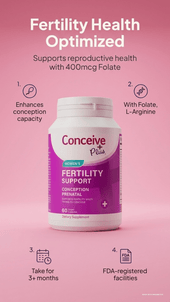
Conceive Plus Men's Fertility Support is specifiek geformuleerd met deze op bewijs gebaseerde voedingsstoffen in klinisch relevante doseringen, ontworpen om het aantal spermacellen, de beweeglijkheid en DNA-integriteit te ondersteunen tijdens het cruciale preconceptievenster van 90 dagen.
Sperma-DNA-fragmentatie: de verborgen factor
Een standaard zaadanalyse meet de hoeveelheid en beweging van sperma, maar beoordeelt niet een van de belangrijkste indicatoren van spermakwaliteit: DNA-integriteit. Sperma-DNA-fragmentatie (SDF) verwijst naar breuken in de DNA-strengen binnen spermacellen — breuken die de bevruchting, embryo-ontwikkeling en innesteling kunnen belemmeren en geassocieerd zijn met hogere miskraampercentages.
Onderzoek suggereert dat verhoogde SDF (meestal gedefinieerd als een DNA-fragmentatie-index boven 25–30%) gevallen van onverklaarde onvruchtbaarheid en terugkerende miskramen kan verklaren, zelfs wanneer standaard sperma-analyse normaal is. Australische vruchtbaarheidsklinieken bieden steeds vaker sperma-DNA-fragmentatietests aan als onderdeel van een uitgebreide mannelijke vruchtbaarheidsdiagnose.
Belangrijke oorzaken van verhoogde SDF zijn onder andere:
- Roken
- Oxidatieve stress (door slecht dieet, overmatig alcoholgebruik, obesitas)
- Koorts of infecties van de geslachtsorganen
- Varicocele
- Hogere leeftijd van de vader
Het goede nieuws: antioxidanten-suppletie is aangetoond dat het SDF vermindert. Een dieet rijk aan antioxidanten, gecombineerd met gerichte suppletie, kan de DNA-integriteit van sperma aanzienlijk verbeteren gedurende de 90-daagse productiecyclus.
Veelgestelde vragen over mannelijke vruchtbaarheid in Australië
V: Hoe vaak komt mannelijke onvruchtbaarheid voor in Australië?
A: Mannelijke factor onvruchtbaarheid treft ongeveer 1 op de 20 Australische mannen, en mannelijke factoren dragen bij aan ongeveer 40–50% van alle onvruchtbaarheidsgevallen bij koppels. Het komt net zo vaak voor als vrouwelijke factor onvruchtbaarheid, maar wordt vaak niet gediagnosticeerd omdat mannen minder snel medische evaluatie zoeken. Andrology Australia schat dat 8,5% van de koppels na 12 maanden proberen moeite heeft om zwanger te worden.
V: Kan ik in Australië een sperma-analyse via Medicare krijgen?
A: Ja. Een sperma-analyse kan via Medicare worden vergoed wanneer deze wordt aangevraagd door een huisarts of specialist. Meestal heb je een verwijzing nodig naar een pathologielaboratorium. De kosten variëren, maar de Medicare-terugbetaling dekt een deel van de kosten. Sommige vruchtbaarheidsklinieken bieden ook interne spermatesten aan.
V: Hoe lang duurt het voordat sperma-gezondheidssupplementen werken?
A: Omdat sperma ongeveer 90 dagen nodig heeft om zich volledig te ontwikkelen, moet je een supplement minstens drie maanden consequent gebruiken voordat je veranderingen in je sperma-analyse kunt verwachten. De meeste klinische studies naar mannelijke vruchtbaarheidssupplementen gebruiken een suppletieperiode van 3–6 maanden.
V: Heeft leeftijd invloed op de mannelijke vruchtbaarheid?
A: Ja, hoewel mannen veel langer vruchtbaar blijven dan vrouwen. Onderzoek toont aan dat de kwaliteit van sperma — met name de beweeglijkheid en DNA-integriteit — begint af te nemen vanaf ongeveer 35–40 jaar. Een hogere leeftijd van de vader wordt ook geassocieerd met een verhoogd risico op de novo genetische mutaties bij nakomelingen. Veel mannen blijven echter gezonde kinderen krijgen tot ver in hun 40s en 50s met de juiste ondersteuning.
V: Kan varicocele worden behandeld?
A: Ja. Varicocèle-reparatie (varicocelectomie), uitgevoerd als een kleine chirurgische ingreep door een uroloog, is de meest voorkomende chirurgische behandeling voor mannelijke onvruchtbaarheid in Australië. Studies tonen aan dat varicocèle-reparatie het aantal zaadcellen, de beweeglijkheid en morfologie kan verbeteren en geassocieerd is met betere natuurlijke concepties en IVF-resultaten.
V: Is het veilig om een COVID-19-vaccin te krijgen als ik probeer zwanger te worden?
A: Meerdere studies hebben bevestigd dat COVID-19-vaccins de zaadkwaliteit niet negatief beïnvloeden. Daarentegen is een COVID-19-infectie zelf geassocieerd met tijdelijke verminderingen in zaadkwaliteit. Grote Australische gezondheidsinstanties, waaronder de TGA en ATAGI, raden COVID-19-vaccinatie aan voor mannen die proberen zwanger te worden.
V: Welke voedingsmiddelen moet ik eten om de zaadgezondheid te verbeteren?
A: Een mediterraan dieet wordt sterk geassocieerd met een betere zaadkwaliteit. Richt je op: veel groenten (vooral bladgroenten en tomaten), fruit, volle granen, peulvruchten, noten en zaden (vooral walnoten), vette vis (zalm, sardines, makreel) en olijfolie. Beperk bewerkt vlees, geraffineerde koolhydraten, transvetten en suikerhoudende dranken. Goed gehydrateerd blijven is ook belangrijk voor het zaadvolume.
V: Kan strak ondergoed echt de vruchtbaarheid beïnvloeden?
A: Een studie van Harvard University, gepubliceerd in Human Reproduction (2018), toonde aan dat mannen die loszittend ondergoed droegen 25% hogere zaadconcentraties en 17% hogere totale zaadcel aantallen hadden dan mannen die voornamelijk strak ondergoed droegen. Hoewel het verschil bescheiden was, is overstappen op boxers een eenvoudige, gratis en risicovrije leefstijlverandering.
V: Wat is de rol van testosterontherapie bij mannelijke vruchtbaarheid?
A: Testosteronvervangingstherapie (TRT) en het gebruik van anabole steroïden onderdrukken de natuurlijke zaadproductie en kunnen azoöspermie veroorzaken (afwezigheid van zaadcellen in het ejaculaat). Mannen die TRT gebruiken en zwanger willen worden, moeten een reproductieve uroloog of androloog raadplegen — in veel gevallen kan de zaadproductie worden hersteld na het stoppen met TRT, hoewel dit proces 6–24 maanden kan duren.
V: Wanneer moet een koppel overwegen om IVF of ICSI te doen bij mannelijke onvruchtbaarheid?
A: Intracytoplasmatische sperma-injectie (ICSI) — een vorm van IVF waarbij een enkele zaadcel direct in een eicel wordt geïnjecteerd — wordt in Australië vaak gebruikt bij matige tot ernstige mannelijke factor onvruchtbaarheid. Het wordt meestal overwogen wanneer het aantal zaadcellen zeer laag is (minder dan 5 miljoen per mL), de beweeglijkheid ernstig verminderd is, of wanneer andere behandelingen niet succesvol waren. Je vruchtbaarheidsspecialist zal adviseren op basis van jouw specifieke resultaten.
Klaar om je vruchtbaarheid te optimaliseren?
Conceive Plus biedt een compleet assortiment vruchtbaarheidsproducten voor hem en haar — klinisch getest en vertrouwd door Australische koppels.
Bekijk alle producten