Vruchtbaarheidsglijmiddelen: wat u moet weten over zaadvriendelijke glijmiddelen bij het proberen zwanger te worden


Waarom het glijmiddel dat je tijdens de seks gebruikt je kansen op conceptie kan beïnvloeden
Als jij en je partner proberen zwanger te worden (TTC), zijn jullie waarschijnlijk al begonnen met zorgvuldig nadenken over wat je in je lichaam stopt — van prenatale vitamines en dieetveranderingen tot het bijhouden van de ovulatie en het optimaliseren van de timing. Maar er is één factor die veel stellen volledig over het hoofd zien: het glijmiddel dat ze tijdens de seks gebruiken.
Volgens een enquête gepubliceerd in Fertility and Sterility meldt ongeveer 75% van de vrouwen op enig moment vaginale droogheid, en bijna 62% van de vrouwen die proberen zwanger te worden een persoonlijk glijmiddel gebruikt tijdens de geslachtsgemeenschap. Dat is een aanzienlijk aantal — en toch beseffen de meeste van die stellen niet dat het glijmiddel dat ze gebruiken hen eigenlijk tegen kan werken.
Standaard glijmiddelen — zelfs populaire, bekende merken — kunnen sperma beschadigen, de beweeglijkheid verminderen en je kansen op zwangerschap verkleinen. Het goede nieuws is dat vruchtbaarheidsvriendelijke glijmiddelen, speciaal ontworpen om veilig te zijn voor sperma, nu breed beschikbaar zijn. In deze gids onderzoeken we de wetenschap achter waarom glijmiddelen belangrijk zijn tijdens de conceptie, wat een glijmiddel echt sperma-vriendelijk maakt, en hoe producten zoals Conceive Plus stellen in de Verenigde Staten helpen om zichzelf de best mogelijke kans op zwangerschap te geven.
Het probleem met standaard glijmiddelen bij het proberen zwanger te worden
Voor veel stellen is het gebruik van een glijmiddel tijdens de seks een normaal onderdeel van hun intieme leven. Vaginale droogheid kan het gevolg zijn van een breed scala aan factoren — stress, hormonale schommelingen, medicatie of simpelweg de timing van de geslachtsgemeenschap in relatie tot de menstruatiecyclus. Maar als je probeert zwanger te worden, is het glijmiddel dat je gebruikt belangrijker dan ooit.
Onderzoek heeft duidelijk aangetoond dat veel conventionele glijmiddelen schadelijk zijn voor sperma. Een baanbrekende studie gepubliceerd in Fertility and Sterility testte verschillende populaire commerciële glijmiddelen — waaronder K-Y Jelly, Astroglide en olijfolie — en ontdekte dat al deze middelen de beweeglijkheid van sperma binnen 60 minuten na blootstelling aanzienlijk verminderden. In sommige gevallen daalde de beweeglijkheid van sperma met meer dan 60%.
Wat maakt conventionele glijmiddelen dan zo schadelijk voor sperma? Het antwoord ligt in verschillende belangrijke factoren:
- pH-ongelijkheid: De vagina behoudt een licht zure omgeving (pH 3,8–4,5) om infecties te voorkomen. Sperma gedijt echter het beste in een pH-bereik van 7,0–8,5. Vruchtbaar cervicaal slijm buffert dit verschil op natuurlijke wijze, waardoor er tijdens de ovulatie een meer alkalische, sperma-vriendelijke omgeving ontstaat. De meeste commerciële glijmiddelen zijn geformuleerd om de vaginale pH te evenaren — wat betekent dat ze veel te zuur zijn voor sperma om in te overleven.
- Osmolaliteitsverschil: Osmolaliteit verwijst naar de concentratie opgeloste deeltjes in een oplossing. Spermacellen hebben een specifieke osmolaliteitsrange (200–400 mOsm/kg) nodig om gezond te blijven. Veel conventionele glijmiddelen hebben osmolaliteitsniveaus die veel te hoog zijn (soms 2.000–8.000 mOsm/kg), wat water uit spermacellen trekt via osmose, waardoor ze krimpen, hun functie verliezen en afsterven.
- Chemische toevoegingen: Parabenen, glycerine, propyleenglycol en andere conserveermiddelen of verdikkingsmiddelen die in veel commerciële glijmiddelen voorkomen, zijn aangetoond dat ze de spermafuctie verminderen en kunnen zelfs cytotoxisch zijn — giftig voor levende cellen — bij de concentraties die in sommige producten worden gebruikt.
- Viscositeit: Sommige glijmiddelen zijn te dik of plakkerig, waardoor de beweging van sperma door de baarmoederhals fysiek wordt belemmerd.
Een studie uit 2014 van de National Institutes of Health (NIH) bevestigde deze zorgen en vond dat blootstelling aan gangbare glijmiddelen de DNA-integriteit van sperma verminderde — wat betekent dat het genetisch materiaal van sperma beschadigd raakte. Dit gaat niet alleen over of sperma de eicel kan bereiken; het gaat erom of het sperma dat de eicel bereikt gezond genoeg is om tot een levensvatbare zwangerschap te leiden.
De American Society for Reproductive Medicine (ASRM) heeft deze risico’s ook erkend en raadt stellen die proberen zwanger te worden aan om glijmiddelen te vermijden die niet specifiek getest zijn en bewezen veilig voor sperma.
Wat maakt een glijmiddel "vruchtbaarheidsvriendelijk"?
Niet alle glijmiddelen zijn gelijk. Vruchtbaarheidsvriendelijke glijmiddelen — soms "sperma-vriendelijke glijmiddelen" of "conceptieglijmiddelen" genoemd — zijn specifiek geformuleerd om sperma te ondersteunen in plaats van te schaden. Dit onderscheidt ze van conventionele opties:
1. Sperma-compatibele pH
Een echt vruchtbaarheidsglijmiddel is geformuleerd met een pH die nauw aansluit bij die van vruchtbaar cervicaal slijm — meestal in het bereik van 7,0 tot 8,5. Dit creëert een omgeving waarin sperma kan overleven, beweeglijk blijft en door het voortplantingskanaal kan reizen zonder beschadigd te worden door zuurgraad.
2. Isotone osmolaliteit
Vruchtbaarheidsglijmiddelen zijn ontworpen om de osmolaliteit van de natuurlijke lichaamsvloeistoffen, met name sperma en cervicaal slijm (ongeveer 280–380 mOsm/kg), na te bootsen. Deze isotone formulering zorgt ervoor dat spermacellen geen water verliezen of worden blootgesteld aan osmotische stress, waardoor ze hun structuur en functie behouden.
3. Niet-spermicidale ingrediënten
Elk ingrediënt in een vruchtbaarheidsglijmiddel wordt specifiek gekozen omdat het geen schade toebrengt aan sperma. Dit betekent dat glycerine (dat de beweeglijkheid van sperma kan remmen), parabenen, nonoxynol-9 (een expliciet spermicide) en op petroleum gebaseerde verbindingen worden vermeden. Veel vruchtbaarheidsglijmiddelen zijn ook vrij van geurstoffen, kleurstoffen en hormonen.
4. Imiteert natuurlijk cervicaal slijm
De beste vruchtbaarheidsglijmiddelen gaan een stap verder: ze zijn ontworpen om de consistentie, textuur en biochemie van vruchtbaar cervicaal slijm te simuleren — het natuurlijke glijmiddel dat je lichaam rond de ovulatie produceert. Dit is de omgeving waar sperma voor geëvolueerd is om doorheen te reizen, en het zo nauwkeurig mogelijk nabootsen geeft sperma de best mogelijke omstandigheden voor hun reis.
5. Klinisch getest en FDA-conform
In de Verenigde Staten classificeert de FDA persoonlijke glijmiddelen als medische hulpmiddelen van klasse II. Vruchtbaarheidsglijmiddelen die specifiek door de FDA zijn goedgekeurd of geregistreerd, zijn getest om te bevestigen dat ze sperma of voortplantingsweefsel niet schaden. Dit is een belangrijk onderscheid — niet elk glijmiddel dat als "natuurlijk" of "zacht" wordt gelabeld, is door rigoureuze klinische tests gegaan.
De wetenschap achter Conceive Plus: geformuleerd voor vruchtbaarheid
Conceive Plus is ontwikkeld met één duidelijk doel: stellen die proberen zwanger te worden ondersteunen door een glijmiddel te bieden dat samenwerkt met hun biologie, niet ertegenin. Dit maakt Conceive Plus wetenschappelijk uniek:
Gepatenteerde formule met calcium- en magnesiumionen
Een van de meest onderscheidende kenmerken van Conceive Plus is de gepatenteerde formule die calcium (Ca²⁺) en magnesium (Mg²⁺) ionen bevat. Deze mineraalionen zijn van nature aanwezig in het vrouwelijke voortplantingskanaal en spelen een directe rol in spermafuctie en bevruchting.
Onderzoek heeft aangetoond dat calciumionen essentieel zijn voor spermacapaciteit — het proces waarbij sperma in staat wordt gesteld een eicel te bevruchten nadat ze het vrouwelijke voortplantingskanaal zijn binnengekomen. Magnesiumionen ondersteunen de structurele integriteit van spermacellen en hun zwemvermogen. Door deze ionen in de formule op te nemen, schaadt Conceive Plus sperma niet alleen niet, maar biedt het actief een omgeving die hun functie en vruchtbaarheidspotentieel ondersteunt.
pH en osmolaliteit geoptimaliseerd voor sperma
Conceive Plus is geformuleerd met een pH van 7.0–8.5 en een osmolaliteit in het bereik dat compatibel is met sperma en cervicaal slijm. Deze dubbele optimalisatie betekent dat sperma dat in deze glijmiddelomgeving wordt gebracht zich meer gedraagt zoals in natuurlijk, vruchtbaar cervicaal slijm — met behoud van beweeglijkheid, vitaliteit en het vermogen om naar de eicel toe te reizen.
Klinische studies ter ondersteuning van spermaveiligheid
Conceive Plus is klinisch getest in studies waaruit blijkt dat het de beweeglijkheid, morfologie of DNA-integriteit van sperma niet negatief beïnvloedt. In gecontroleerde laboratoriumomstandigheden behield sperma dat aan Conceive Plus werd blootgesteld zijn beweeglijkheid op vergelijkbare niveaus als sperma onder controlecondities — een groot contrast met wat wordt gezien bij conventionele glijmiddelen.
FDA-geregistreerd en aanbevolen door gynaecologen
Conceive Plus is geregistreerd bij de FDA als medisch hulpmiddel en wordt aanbevolen door gynaecologen en vruchtbaarheidsspecialisten in de Verenigde Staten. Het is ook CE-gemarkeerd voor gebruik in Europa en goedgekeurd in tal van internationale markten, wat de strenge veiligheids- en effectiviteitsnormen benadrukt.
Vrij van schadelijke toevoegingen
Conceive Plus is vrij van parabenen, glycerine, geurstoffen en spermiciden. Het bevat geen ingrediënten die de spermafuctie kunnen aantasten, en de schone formule maakt het geschikt voor vrouwen die gevoelig zijn voor conventionele glijmiddelingrediënten.
Conceive Plus is verkrijgbaar in meerdere vormen — waaronder individuele applicators voor eenmalig gebruik (ideaal voor precieze interne toepassing), een tube voor meerdere keren gebruik, en vruchtbaarheidsvriendelijke persoonlijke glijmiddelgel — zodat koppels de vorm kunnen kiezen die het beste bij hen past. Alle producten zijn verkrijgbaar bij conceiveplus.com.
Wanneer en hoe een vruchtbaarheidsglijmiddel te gebruiken
Het correct gebruiken van een vruchtbaarheidsglijmiddel kan de effectiviteit maximaliseren en je helpen het meeste uit elke cyclus te halen. Dit is wat je moet weten:
Wanneer te gebruiken
Vruchtbaarheidsglijmiddelen zoals Conceive Plus kunnen gedurende je hele cyclus worden gebruikt, maar zijn vooral belangrijk tijdens je vruchtbare periode — meestal de vijf dagen voorafgaand aan de ovulatie en de dag van de ovulatie zelf. Dit is de periode waarin sperma-vriendelijk glijmiddel het meest telt, omdat je wilt dat het aanwezige sperma de best mogelijke omgeving heeft om te overleven en te reizen.
Als je je cyclus volgt met ovulatievoorspellingskits (OPK's), basale lichaamstemperatuur (BBT) of een vruchtbaarheidsapp, heb je een goed idee wanneer je vruchtbare periode is. Probeer tijdens deze periode glijmiddel te gebruiken bij elke gemeenschap.
Hoe aan te brengen
- Interne applicators: Conceive Plus individuele applicators voor eenmalig gebruik zijn ontworpen om vaginaal ingebracht te worden vóór de gemeenschap, vergelijkbaar met een tamponapplicator. Dit brengt het glijmiddel dichter bij de baarmoederhals, waar het sperma naartoe moet — wat het voordeel maximaliseert. Breng ongeveer 15 minuten vóór de gemeenschap aan.
- Gel- of tubeformulering: Breng aan extern of intern vóór de gemeenschap. Een kleine hoeveelheid is al voldoende — begin met ongeveer 2–5 mL en pas aan op basis van persoonlijke voorkeur.
- Vermijd het gebruik van te veel: Hoewel vruchtbaarheidsglijmiddelen veilig zijn voor sperma, kan het gebruik van te veel een fysieke barrière vormen die het sperma moeilijker maakt om de baarmoederhals te bereiken. Gebruik de aanbevolen hoeveelheid als richtlijn.
Beïnvloedt glijmiddel het natuurlijke baarmoederhalsslijm?
Wanneer het volgens de aanwijzingen wordt gebruikt, zijn vruchtbaarheidsglijmiddelen zoals Conceive Plus ontworpen om je natuurlijke baarmoederhalsslijm aan te vullen, niet te vervangen. De formule is dun genoeg om sperma vrij door te laten zwemmen, en omdat het de consistentie van vruchtbaar slijm nabootst, werkt het samen met de natuurlijke omgeving van je lichaam in plaats van die te verstoren.
Kunnen mannen het ook gebruiken?
Ja — sommige koppels kiezen ervoor om een kleine hoeveelheid vruchtbaarheidsglijmiddel aan de buitenkant van de penis aan te brengen vóór de geslachtsgemeenschap. Dit kan het comfort vergroten en zorgt ervoor dat sperma vanaf het begin van de gemeenschap in een sperma-compatibele omgeving wordt gebracht.
Statistieken: Hoe vaak gebruiken koppels die proberen zwanger te worden glijmiddel?
Je zou verrast kunnen zijn hoeveel koppels glijmiddelen gebruiken tijdens het proberen zwanger te worden — en hoe weinig zich bewust zijn van de risico’s die gepaard gaan met conventionele opties.
- Een studie gepubliceerd in Obstetrics & Gynecology vond dat ongeveer 26% van de vrouwen in de algemene Amerikaanse bevolking in de afgelopen maand een vaginaal glijmiddel had gebruikt.
- Onder vrouwen die proberen zwanger te worden, stijgt dat aantal aanzienlijk — een enquête vond dat bijna 62% aangaf glijmiddelen te gebruiken tijdens hun TTC-traject.
- Van die vrouwen was minder dan 20% zich bewust dat conventionele glijmiddelen de beweeglijkheid van sperma konden verminderen of hun kansen op conceptie konden schaden.
- Een studie in Fertility and Sterility testte de effecten van glijmiddelen op sperma en vond dat K-Y Jelly de beweeglijkheid van sperma met 60,9% verminderde, Astroglide met 68,3% en FemGlide met 68,8% na 30 minuten blootstelling.
- Speeksel — soms gebruikt als glijmiddel — bleek de beweeglijkheid van sperma te verminderen met 77.3% in dezelfde studie, waardoor het een van de schadelijkste opties is.
- De Wereldgezondheidsorganisatie (WHO) merkt op dat een sperma beweeglijkheid van minder dan 32% als subfertiel wordt beschouwd; veel gangbare glijmiddelen kunnen sperma met één blootstelling onder deze drempel brengen.
- In een aparte studie werden babyolie en koolzaadolie — soms voorgesteld als "natuurlijke" alternatieven — ook gevonden die de DNA-integriteit van sperma na verloop van tijd negatief beïnvloeden.
Deze statistieken schetsen een duidelijk beeld: het gebruik van glijmiddelen is zeer gebruikelijk onder TTC-koppels, maar het bewustzijn ontbreekt vaak. Overschakelen op een vruchtbaarheidsvriendelijk glijmiddel is een van de eenvoudigste en meest toegankelijke stappen die een koppel kan nemen om hun kansen op conceptie te optimaliseren — en het is een stap die weinig kost en geen bekende risico’s met zich meebrengt.
Je opties vergelijken: glijmiddelen tijdens TTC
Weet je niet zeker welk glijmiddel het beste bij je past? Hier is een overzicht van de meest voorkomende keuzes en hoe ze scoren voor koppels die proberen zwanger te worden:
- Conventionele glijmiddelen (K-Y Jelly, Astroglide, enz.): Handig en breed verkrijgbaar, maar klinisch aangetoond dat ze de beweeglijkheid van sperma en de DNA-integriteit schaden. Niet aanbevolen voor koppels die proberen zwanger te worden.
- Speeksel: Nog slechter dan de meeste commerciële glijmiddelen voor de beweeglijkheid van sperma. Brengt ook bacteriën uit de mond in de vagina. Niet aanbevolen.
- Babyolie / vaseline: Kan de spermafuctie verminderen en het risico op vaginale infecties verhogen. Niet aanbevolen.
- Plantaardige olie of kokosolie: Heeft een natuurlijke aantrekkingskracht, maar is niet klinisch getest op veiligheid voor sperma, kan de vaginale flora verstoren en kan het gebruik van condooms belemmeren. Niet aanbevolen als glijmiddel bij het proberen zwanger te worden (TTC).
- Geen glijmiddel: Hoewel het vermijden van schadelijke glijmiddelen goed is, kan vaginale droogte zelf het vrijen ongemakkelijk maken en de toegang van sperma tot de baarmoederhals daadwerkelijk belemmeren. Niet altijd praktisch of wenselijk.
- Vruchtbaarheidsglijmiddelen (zoals Conceive Plus): Klinisch getest, veilig voor sperma, pH- en osmolaliteit geoptimaliseerd, en vrij van schadelijke toevoegingen. De aanbevolen optie voor TTC-koppels. ✓
De conclusie is duidelijk: als je glijmiddel nodig hebt tijdens het proberen zwanger te worden — en veel koppels hebben dat — is een speciaal ontwikkeld vruchtbaarheidsglijmiddel de enige optie die klinisch is gevalideerd om je kansen te ondersteunen in plaats van te verminderen.
Conceive Plus: jouw partner in de TTC-reis
Proberen zwanger te worden is een diep persoonlijke reis, en het is er een die miljoenen Amerikaanse koppels goed kennen. Volgens de CDC ervaart ongeveer 1 op de 5 getrouwde vrouwen in de VS van 15–49 jaar zonder eerdere geboorten onvruchtbaarheid. En voor veel koppels die geen klinische onvruchtbaarheid hebben, kan het nog steeds langer duren dan verwacht — het gemiddelde koppel doet er 4–6 maanden over om zwanger te worden, waarbij velen een jaar of langer nodig hebben.
In die tijd is het optimaliseren van elke factor binnen jouw controle belangrijk. Daar komt Conceive Plus om de hoek kijken.
Conceive Plus is ontwikkeld door specialisten in reproductieve gezondheid die een eenvoudige leemte in de markt begrepen: koppels die zorgvuldig hun ovulatie bijhielden, prenatale vitamines namen en elk stuk vruchtbaarheidsadvies volgden dat ze konden vinden, saboteerden nog steeds onbewust hun inspanningen met de glijmiddelen die ze gebruikten. De oplossing was een klinisch geformuleerd product dat het conceptieproces echt ondersteunt.
Wat Conceive Plus onderscheidt, is niet alleen wat het niet doet (sperma beschadigen) — het is wat het wel doet:
- Levert calcium- en magnesiumionen die de capacitering en bevruchting van sperma ondersteunen
- Creëert een omgeving die vruchtbaar baarmoederslijm nabootst
- Laat sperma zijn beweeglijkheid behouden en de eicel bereiken
- Biedt comfort en gemak tijdens de geslachtsgemeenschap, waardoor stress rond TTC-timing wordt verminderd
- Ondersteunt het natuurlijke proces zonder synthetische hormonen of interferentie toe te voegen
Duizenden koppels in de Verenigde Staten en over de hele wereld hebben Conceive Plus opgenomen in hun TTC-routine — en velen schrijven het toe aan het helpen van hen om eindelijk die positieve zwangerschapstest te zien.
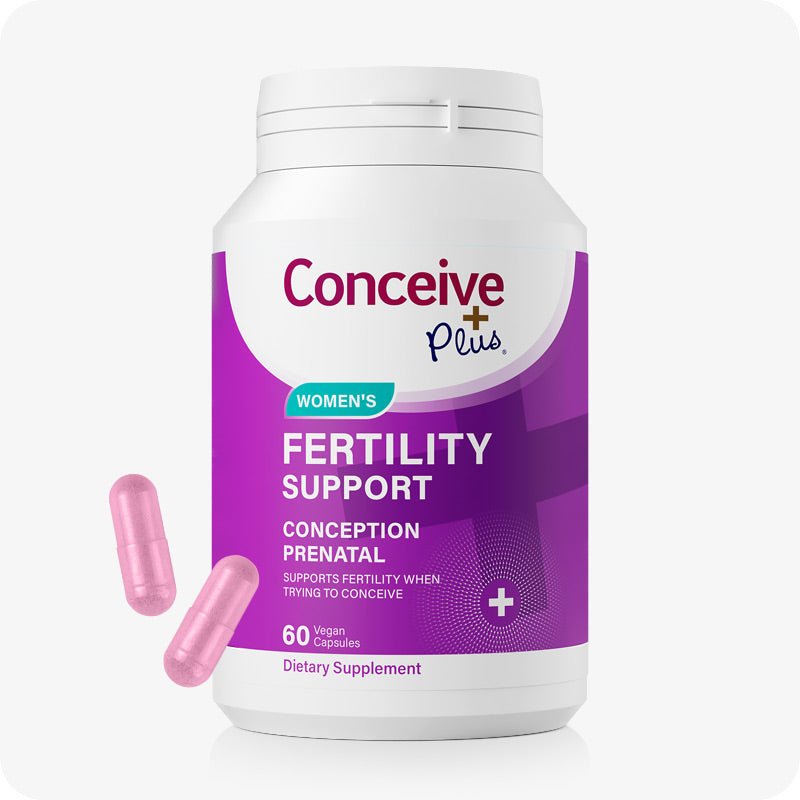
Conceive Plus-producten zijn verkrijgbaar bij conceiveplus.com, waar je het volledige assortiment vruchtbaarheidsglijmiddelen vindt, inclusief individuele applicators, multi-use gel en supplementen ter ondersteuning van de vruchtbaarheid. Alle producten worden rechtstreeks bij je thuisbezorgd en zijn zonder recept verkrijgbaar.
Veelgestelde vragen over vruchtbaarheidsglijmiddelen
V1: Kan een glijmiddel echt mijn kansen op zwangerschap beïnvloeden?
A: Ja, absoluut. Klinische studies hebben aangetoond dat veel conventionele glijmiddelen de beweeglijkheid van sperma binnen enkele minuten na blootstelling aanzienlijk verminderen. Sommige zijn ook gevonden die de integriteit van het sperma-DNA beschadigen. Als je een glijmiddel gebruikt tijdens de geslachtsgemeenschap terwijl je probeert zwanger te worden, is het belangrijk om er een te gebruiken die speciaal is geformuleerd en getest om veilig te zijn voor sperma.
Q2: Hoe weet ik of een glijmiddel sperma-vriendelijk is?
A: Zoek naar glijmiddelen die specifiek worden verkocht en klinisch getest als vruchtbaarheidsvriendelijk of conceptieglijmiddel. Controleer of het product door de FDA is geregistreerd, een pH heeft tussen 7,0 en 8,5, en isotone osmolaliteit. Vermijd glijmiddelen die glycerine, parabenen, nonoxynol-9 of propyleenglycol bevatten. Raadpleeg bij twijfel uw gynaecoloog of reproductief endocrinoloog.
Q3: Wat is osmolaliteit en waarom is het belangrijk voor sperma?
A: Osmolaliteit is een maat voor de concentratie opgeloste deeltjes in een oplossing. Wanneer sperma wordt blootgesteld aan een oplossing met een veel hogere osmolaliteit dan hun eigen cellen, wordt water via osmose uit het sperma getrokken, wat celschade en sterfte veroorzaakt. Sperma-vriendelijke glijmiddelen zijn geformuleerd met isotone osmolaliteit — dicht bij de lichaamsvloeistoffen — zodat spermacellen niet worden belast.
Q4: Kan ik Conceive Plus gedurende mijn hele cyclus gebruiken, of alleen tijdens mijn vruchtbare periode?
A: Conceive Plus is veilig te gebruiken gedurende uw hele cyclus. Het is echter het belangrijkst om een sperma-vriendelijk glijmiddel te gebruiken tijdens uw vruchtbare periode — de dagen rond de ovulatie — wanneer sperma dat tijdens de geslachtsgemeenschap wordt ingebracht, een eicel kan bevruchten. Het gebruik ervan tijdens uw vruchtbare periode zorgt ervoor dat sperma de best mogelijke omgeving heeft om te overleven en te reizen.
Q5: Zijn er bijwerkingen bij het gebruik van een vruchtbaarheidsglijmiddel?
A: Vruchtbaarheidsglijmiddelen zoals Conceive Plus zijn ontworpen om zacht te zijn voor voortplantingsweefsels en worden over het algemeen goed verdragen. Sommige vrouwen met specifieke gevoeligheden kunnen lichte irritatie ervaren — als dit gebeurt, stop dan met het gebruik en raadpleeg uw zorgverlener. Controleer altijd de ingrediëntenlijst als u bekende allergieën heeft.
Q6: Is speeksel veilig te gebruiken als glijmiddel bij het proberen zwanger te worden?
A: Nee — speeksel is eigenlijk een van de schadelijkste "glijmiddelen" voor sperma. Studies hebben aangetoond dat speeksel de beweeglijkheid van sperma met wel 77% vermindert, zelfs meer dan veel commerciële glijmiddelen. Dit komt waarschijnlijk door enzymen in speeksel, de zure pH en de bacteriële inhoud. Stellen die proberen zwanger te worden, moeten het gebruik van speeksel als glijmiddel vermijden.
Q7: Heb ik een recept nodig om Conceive Plus te kopen?
A: Nee. Conceive Plus is zonder recept verkrijgbaar en kan direct worden gekocht op conceiveplus.com of via erkende verkopers. Hoewel het door de FDA is geregistreerd als medisch hulpmiddel, is er geen doktersrecept nodig om het te kopen of te gebruiken.
Q8: Zal het gebruik van een vruchtbaarheidsglijmiddel garanderen dat ik zwanger word?
A: Geen enkel glijmiddel kan zwangerschap garanderen — conceptie hangt af van veel biologische factoren, waaronder eicelkwaliteit, sperma gezondheid, baarmoederomgeving en timing. Het overschakelen van een schadelijk conventioneel glijmiddel naar een sperma-veilig vruchtbaarheidsglijmiddel verwijdert echter een mogelijke barrière voor conceptie. Het is een van de vele op bewijs gebaseerde stappen die koppels kunnen nemen om hun kansen elke cyclus te optimaliseren.
Q9: Kunnen mannen met lage sperma beweeglijkheid baat hebben bij het gebruik van een vruchtbaarheidsglijmiddel?
A: Hoewel een vruchtbaarheidsglijmiddel de basale beweeglijkheid van sperma niet kan verbeteren, kan het verdere schade aan sperma met al lagere dan optimale beweeglijkheid voorkomen. Voor mannen met borderline beweeglijkheid is het vermijden van extra schade door conventionele glijmiddelen vooral belangrijk. Koppels die te maken hebben met mannelijke factor onvruchtbaarheid moeten alle opties bespreken met een vruchtbaarheidsspecialist.
Q10: Hoe verhoudt Conceive Plus zich tot andere vruchtbaarheidsglijmiddelen op de markt?
A: Conceive Plus valt op door zijn gepatenteerde formule die calcium- en magnesiumionen bevat — ingrediënten die actief de spermafuctie ondersteunen, niet alleen schade vermijden. Veel andere vruchtbaarheidsglijmiddelen richten zich alleen op het "niet schadelijk zijn", terwijl Conceive Plus is ontworpen om actief de omstandigheden te ondersteunen die sperma nodig heeft om te gedijen. Het is ook een van de meest klinisch onderzochte en breed aanbevolen vruchtbaarheidsglijmiddelen die in de VS verkrijgbaar zijn.
Onderneem Vandaag Actie: Geef je vruchtbaarheidsreis de ondersteuning die het verdient
Als je probeert zwanger te worden, telt elke cyclus. Elke stap die je zet om je vruchtbaarheid te optimaliseren — van het bijhouden van de ovulatie tot het nemen van de juiste supplementen en het goed timen van de geslachtsgemeenschap — is een stap richting de zwangerschap waar je op hoopt. Overschakelen op een vruchtbaarheidsvriendelijk glijmiddel is een van de eenvoudigste, meest op bewijs gebaseerde veranderingen die je kunt maken, en het kan je direct voordelen opleveren.
Laat een over het hoofd gezien detail zoals het verkeerde glijmiddel je niet tegenhouden om je doel te bereiken. Het onderzoek is duidelijk: conventionele glijmiddelen kunnen de kwaliteit van sperma aanzienlijk verminderen, en het gebruik ervan tijdens je vruchtbare periode kan maanden van zorgvuldige inspanning ondermijnen.
Conceive Plus staat voor je klaar. Geformuleerd door vruchtbaarheidsexperts, klinisch getest op veiligheid voor sperma, verrijkt met calcium- en magnesiumionen die de bevruchting ondersteunen, en vertrouwd door duizenden koppels in de Verenigde Staten, is Conceive Plus het vruchtbaarheidsglijmiddel dat samenwerkt met de biologie van je lichaam — niet ertegenin.
Klaar voor de volgende stap? Bezoek conceiveplus.com vandaag om het volledige assortiment van Conceive Plus vruchtbaarheidsglijmiddelen en ondersteunende producten te ontdekken. Gratis verzending is beschikbaar bij bestellingen die hiervoor in aanmerking komen, en je privacy wordt altijd beschermd.
Je reis naar het ouderschap verdient elk voordeel. Maak Conceive Plus onderdeel van jouw reis.