Best Fertility Supplements for Women: What to Take When Trying to Conceive


Best Fertility Supplements for Women: What to Take When Trying to Conceive
When you're trying to conceive, optimizing your nutritional status can be one of the most impactful steps you take. The right fertility supplements for women can support egg quality, regulate hormonal cycles, reduce oxidative stress, and prepare your body for pregnancy. But with hundreds of products on the market, knowing what actually works — and what doesn't — requires cutting through the noise with science.
This comprehensive guide covers the most evidence-backed fertility supplements for women, explaining how each one works, what the research says, and how to choose the right combination for your individual needs. Whether you're just starting your TTC journey or working through a diagnosis like PCOS or diminished ovarian reserve, this guide is your starting point.
Why Fertility Supplements for Women Matter
Your body requires specific nutrients to produce healthy eggs, maintain hormonal balance, and support implantation. Unfortunately, modern diets are often deficient in many of these key micronutrients. Studies consistently show that deficiencies in folate, vitamin D, iron, and antioxidants are common among women of reproductive age — even those eating relatively healthy diets.
Supplementing strategically fills these gaps. Unlike pharmaceuticals, fertility supplements for women work by supporting your body's natural processes rather than overriding them. This makes them appropriate for most women trying to conceive, whether naturally or alongside fertility treatments like IUI or IVF.
According to a 2023 review in Nutrients, micronutrient supplementation significantly improved fertility outcomes in women with documented deficiencies — with folate, CoQ10, inositol, and vitamin D showing the strongest evidence base.
Folate (Methylfolate) — The Non-Negotiable Foundation
If there is one supplement every woman trying to conceive should take, it's folate. Folate is essential for DNA synthesis, cell division, and the development of a healthy neural tube in early pregnancy. The NHS, CDC, and virtually every reproductive endocrinologist recommend starting folate supplementation at least three months before trying to conceive.
But there's an important distinction: not all folate is equal. Many women's fertility vitamins contain folic acid — the synthetic form — but up to 40% of people carry the MTHFR gene variant that impairs folic acid conversion. Methylfolate (5-MTHF) bypasses this conversion step and is absorbed directly.
When evaluating fertility supplements for women, look for methylfolate rather than plain folic acid. The standard recommendation is 400–800 mcg daily, though women with MTHFR variants or a history of neural tube defects may require higher doses under medical supervision.
CoQ10 — Protecting Egg Quality at the Cellular Level
Coenzyme Q10 is one of the most studied and recommended TTC supplements for women, particularly those over 35 or with diminished ovarian reserve (DOR). CoQ10 is a powerful antioxidant that lives inside mitochondria — the energy-producing organelles present in every cell, including eggs.
As women age, CoQ10 levels naturally decline. This matters enormously for egg quality: eggs require massive amounts of mitochondrial energy to complete meiosis successfully. When mitochondrial function is compromised, chromosomal errors become more likely — which is a leading cause of failed IVF cycles and early miscarriage.
A landmark 2017 randomized controlled trial published in the Journal of Clinical Medicine found that women undergoing IVF who supplemented with 600 mg of CoQ10 daily for 60 days produced significantly more mature oocytes, had higher fertilization rates, and achieved better embryo quality compared to placebo.
Standard dosing ranges from 200–600 mg daily, with the ubiquinol form being better absorbed than ubiquinone. CoQ10 should ideally be taken with a fat-containing meal for optimal absorption.
Inositol — Hormone Balancing for Ovulation Support
Inositol — specifically the combination of myo-inositol and D-chiro-inositol — has emerged as one of the most evidence-backed ovulation support supplements available, particularly for women with PCOS or irregular cycles.
Inositol is a naturally occurring sugar that acts as a secondary messenger in insulin signaling pathways. When insulin sensitivity is impaired, ovulation is disrupted — which is a core mechanism behind PCOS-related infertility. By improving insulin signaling, inositol restores hormonal balance, normalizes LH/FSH ratios, and supports regular ovulation.
Multiple clinical trials have shown that the combination of myo-inositol (4g) and D-chiro-inositol (400mg) in a 40:1 ratio mirrors the physiological ratio found in follicular fluid — and produces the best reproductive outcomes. Benefits documented in research include:
- Restoration of regular menstrual cycles in women with PCOS
- Improved egg quality and fertilization rates in IVF patients
- Reduced hyperandrogenism (excess androgens like testosterone)
- Lower fasting insulin and improved insulin sensitivity
- Comparable efficacy to metformin with significantly fewer side effects
Even women without PCOS may benefit from inositol supplementation if they experience irregular cycles or elevated insulin levels.
Vitamin D — The Fertility Hormone You're Probably Deficient In
Vitamin D deficiency is epidemic — affecting an estimated 40–70% of women of reproductive age globally, depending on latitude and sun exposure. What many people don't realize is that vitamin D functions less like a traditional vitamin and more like a steroid hormone, with receptors present in ovarian cells, the uterine endometrium, and the placenta.
Research consistently links vitamin D deficiency to impaired fertility outcomes. A 2019 meta-analysis published in Human Reproduction Update analyzing data from over 2,000 IVF cycles found that women with sufficient vitamin D levels had significantly higher clinical pregnancy rates compared to deficient women.
As part of any fertility supplements for women protocol, vitamin D should be measured with a 25(OH)D blood test before supplementing. Most fertility specialists aim for levels of 40–60 ng/mL (100–150 nmol/L). Typical supplementation ranges from 1,000–4,000 IU daily, though deficient women often need 5,000 IU or more under medical supervision.
Vitamin D3 (cholecalciferol) is significantly more bioavailable than vitamin D2 and should be taken with a fat-containing meal for best absorption.
Iron and Omega-3 Fatty Acids for Reproductive Health
Two additional nutrients deserve attention in any discussion of women's fertility vitamins:
Iron
Iron deficiency is among the most common nutritional deficiencies in women of reproductive age, particularly those with heavy menstrual cycles. Iron is essential for the production of red blood cells that deliver oxygen to developing follicles and the uterine lining. A large prospective study from Harvard found that women supplementing with non-heme iron (the plant-based form) had a significantly lower risk of ovulatory infertility.
Supplemental iron should only be taken if blood tests confirm deficiency or insufficiency — excess iron can be harmful. Look for iron in the form of iron bisglycinate, which is well-absorbed and gentler on the digestive system than ferrous sulfate.
Omega-3 Fatty Acids (DHA/EPA)
Omega-3 fatty acids — particularly DHA — are critical for hormone production, reducing systemic inflammation, and supporting the developing embryo's brain and nervous system. Research published in PLOS One found that women with higher omega-3 levels had better egg quality and higher live birth rates in ART cycles.
Aim for at least 1,000–2,000 mg of combined DHA/EPA daily from a quality, third-party tested fish oil or algae-based supplement (algae is the vegan source from which fish accumulate omega-3s).
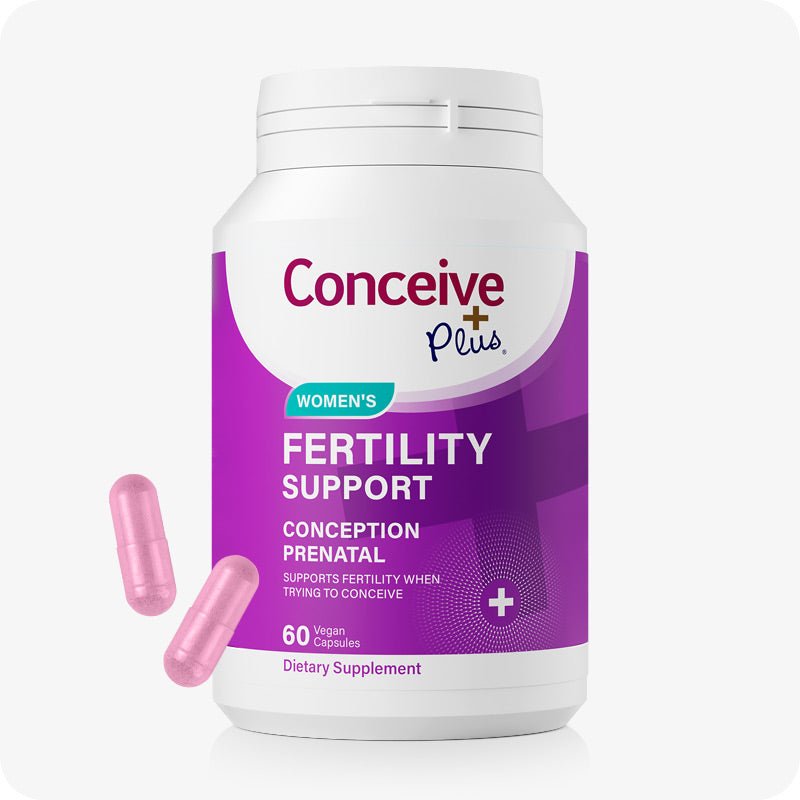
Conceive Plus Women's Fertility Support — Our Recommended All-in-One
Building a complete supplement protocol from individual bottles can be expensive, complicated, and difficult to maintain. This is why comprehensive all-in-one fertility supplements for women like Conceive Plus have become the preferred choice for women trying to conceive.
Conceive Plus is formulated by fertility specialists with the specific micronutrient profile shown to support female reproductive health. Each dose includes methylfolate, CoQ10, inositol, vitamin D3, and other key fertility nutrients — all at clinically informed dosages, in forms that are optimally absorbed.
What sets Conceive Plus apart is the science behind it. The brand has been recommended by OB-GYNs and reproductive endocrinologists globally, with a formulation philosophy grounded in peer-reviewed research. Conceive Plus doesn't just fill gaps — it's designed to actively support every aspect of female fertility from egg quality to hormonal balance.
Explore Conceive Plus Fertility Supplements for Women — comprehensive, clinically-informed formulas designed to optimize your chances of conception.
Conceive Plus vs Pre-Seed: What's the Difference?
When researching fertility supplements for women, you'll often encounter questions about related products like fertility lubricants. Conceive Plus and Pre-Seed are both popular in the TTC community, but they serve different purposes.
- Conceive Plus Supplements: Nutritional supplements taken orally to support egg quality, hormonal balance, and overall reproductive health from the inside
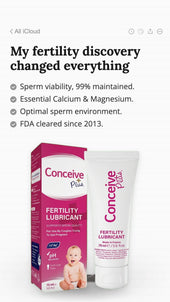
- Conceive Plus Lubricant: A topical, sperm-safe lubricant that mimics fertile cervical mucus, used during intercourse to support sperm motility and survival
- Pre-Seed: A competing sperm-friendly lubricant, without the calcium and magnesium ions found in Conceive Plus lubricant that actively support sperm function
Many couples use both: supplements to optimize fertility from within and a sperm-safe lubricant to support the conception environment during intercourse. Conceive Plus offers both — giving TTC couples a complete, integrated approach to conception support.
Building Your Personal Supplement Protocol
Not every woman needs every supplement. Building an effective TTC supplement protocol requires understanding your personal risk factors, any diagnosed conditions, and ideally, your nutrient levels from blood tests. Here's a decision framework:
- All women TTC: Methylfolate (400–800 mcg), Vitamin D3 (1,000–4,000 IU), Omega-3 DHA/EPA
- Women over 35: Add CoQ10 (200–600 mg daily) for egg quality support
- Women with PCOS: Add Inositol (myo-inositol 4g + D-chiro-inositol 400mg, 40:1 ratio)
- Women with heavy periods: Consider iron (after testing ferritin levels)
- Women with irregular cycles: Consider vitamin B6 and inositol
- Women preparing for IVF: High-dose CoQ10 60+ days before retrieval, plus methylfolate and vitamin D
When possible, choose an all-in-one formula like Conceive Plus that covers these bases, then add targeted supplements as needed for your specific situation.
Timing Is Everything: When to Start Fertility Supplements
The most common mistake women make with TTC supplements is starting too late. Many of the most important nutrients — particularly those that influence egg quality — work over weeks and months, not days.
Egg development (a process called oogenesis) begins approximately 90 days before ovulation. This means the nutritional environment over the three months preceding ovulation significantly influences egg quality. Starting fertility supplementation at least 3 months before you begin actively trying to conceive gives you the best possible foundation.
The same principle applies to prenatal vitamins. Many doctors recommend beginning best prenatal vitamins TTC even before you're officially "trying" — especially the folate component, which is critical in the earliest days of pregnancy (often before a woman knows she's pregnant).
Red Flags to Watch Out For
Not all supplements marketed as fertility support are created equal. Watch out for these warning signs:
- Proprietary blends without disclosed dosages: You can't assess whether ingredients are present in meaningful amounts
- Folic acid instead of methylfolate: The inactive form is less bioavailable, particularly for MTHFR carriers
- No third-party testing certification: Look for NSF, USP, or Informed Sport certifications
- Herb-heavy formulas without clinical evidence: Herbs like vitex can be powerful but have limited high-quality trial data for fertility
- Underdosed CoQ10: Many formulas include token amounts (25–50 mg) that fall far below the clinically studied range
Frequently Asked Questions: Fertility Supplements for Women
Q: How long does it take for fertility supplements to work?
A: Most fertility supplements take 2–3 months to show measurable impact, particularly those targeting egg quality. Plan to supplement for at least 90 days before expecting to see changes in cycle regularity, egg quality markers, or AMH levels.
Q: Are fertility supplements safe?
A: Most nutrients commonly found in fertility supplements for women — such as folate, vitamin D, CoQ10, and inositol — have strong safety profiles at standard doses. Always consult your healthcare provider before starting any supplement protocol, especially if you have pre-existing medical conditions or take prescription medications.
Q: Can I take fertility supplements while doing IVF?
A: Yes, in most cases. Many reproductive endocrinologists actively recommend CoQ10, methylfolate, and vitamin D during IVF preparation. However, always disclose all supplements to your fertility clinic, as some (particularly high-dose antioxidants) may need to be paused around retrieval.
Q: What is the best fertility supplement for egg quality?
A: CoQ10 (200–600 mg daily) has the strongest evidence for improving egg quality, particularly in women over 35 or with diminished ovarian reserve. DHEA is also used under medical supervision for DOR. Melatonin shows promise as an antioxidant to protect eggs during IVF cycles.
Q: Do I need a prescription for fertility supplements?
A: No. The vast majority of fertility supplements for women are available over-the-counter as dietary supplements. Prescription options like high-dose folate (Metafolin) or medical-grade DHEA exist but are typically reserved for specific clinical situations.
Q: Can fertility supplements help with PCOS?
A: Yes, significantly. Inositol (myo-inositol + D-chiro-inositol at 40:1 ratio) is particularly well-supported for PCOS — with multiple RCTs showing improvements in cycle regularity, ovulation, and pregnancy rates. Vitamin D and omega-3s also have positive evidence for PCOS management.
Q: Should my partner also take supplements while we're trying to conceive?
A: Absolutely. Male factor infertility is involved in approximately 40–50% of conception challenges. Men benefit from antioxidant-rich supplements containing zinc, selenium, CoQ10, vitamin C, and L-carnitine to support sperm quality. Conceive Plus offers a dedicated men's fertility supplement line.
Q: Can I continue taking fertility supplements during pregnancy?
A: Many nutrients found in fertility supplements for women (particularly methylfolate, vitamin D, iron, and omega-3s) are also important during pregnancy. However, some supplements (like high-dose herbs or non-standard nutrients) should be reviewed before continuing into pregnancy. Transition to a standard prenatal vitamin after confirming pregnancy, unless otherwise advised by your doctor.
Q: Is it better to take an all-in-one formula or individual supplements?
A: For most women, an all-in-one formula like Conceive Plus provides the best balance of convenience and coverage, ensuring you don't miss key nutrients. Individual supplements allow for more precise customization, particularly useful for women with specific diagnoses who need higher doses of particular nutrients (e.g., high-dose CoQ10 for DOR or high-dose inositol for PCOS).
Q: What nutrients does Conceive Plus contain?
A: Conceive Plus fertility supplements are formulated with a comprehensive blend of fertility-supporting nutrients including methylfolate, CoQ10, vitamin D3, inositol, vitamin B6, vitamin B12, zinc, selenium, and omega-3 fatty acids. The exact formulation is designed to cover the evidence-based recommendations for women trying to conceive.
Conclusion: Building Your Fertility Foundation
The right fertility supplements for women can meaningfully support your reproductive health — but they work best as part of a comprehensive approach that includes a nutrient-dense diet, regular exercise, stress management, and appropriate medical care.
Start with the fundamentals: methylfolate, vitamin D, and an omega-3. If you're over 35, add CoQ10. If you have PCOS or insulin resistance, add inositol. And consider an all-in-one formula like Conceive Plus to ensure you're covering all your nutritional bases efficiently.
Your fertility journey is unique, and your supplement protocol should reflect your individual needs. Work with your healthcare provider to test your nutrient levels, understand your fertility picture, and optimize your approach. Conceive Plus is here to support every step of that journey.
Discover Conceive Plus Fertility Supplements — trusted by thousands of women on their TTC journey, formulated by fertility specialists, and grounded in science.