Leeftijd en vruchtbaarheid: wat elke vrouw (en man) moet weten


Hoe je geslachtsgemeenschap timet voor conceptie: je complete gids voor het vruchtbare venster
Als je probeert zwanger te worden, is timing belangrijker dan de meeste mensen denken. Het menselijke eitje overleeft slechts 12 tot 24 uur na de ovulatie — een opmerkelijk kort venster vergeleken met de ongeveer 28 dagen durende menstruatiecyclus. Toch kan het begrijpen en gebruiken van deze biologie je maandelijkse kans op zwangerschap aanzienlijk vergroten. Onderzoek gepubliceerd in het New England Journal of Medicine toonde aan dat koppels die geslachtsgemeenschap hadden binnen het zesdaagse vruchtbare venster zwangerschapspercentages tot 36% per cyclus hadden, vergeleken met vrijwel nul buiten dat venster. Deze gids legt alles uit wat je moet weten over het bepalen van je vruchtbare venster, het effectief timen van geslachtsgemeenschap en het geven van elke cyclus je beste kans.
Het vruchtbare venster begrijpen: wanneer kun je eigenlijk zwanger worden?
Het vruchtbare venster beslaat de vijf dagen vóór de ovulatie plus de dag van de ovulatie zelf — in totaal zes dagen. Dit venster bestaat omdat zaadcellen tot vijf dagen kunnen overleven in het vrouwelijke voortplantingskanaal onder de juiste omstandigheden, terwijl het eitje zelf slechts 12 tot 24 uur na de ovulatie levensvatbaar is. Praktisch gezien betekent dit dat geslachtsgemeenschap vóór de ovulatie — niet alleen op de dag van de ovulatie — zaadcellen de tijd geeft om "klaar te liggen" wanneer het eitje vrijkomt.
Een baanbrekende studie van Wilcox et al. (1995) in het New England Journal of Medicine volgde 221 gezonde vrouwen over 625 menstruatiecycli en ontdekte dat zwangerschappen alleen plaatsvonden na geslachtsgemeenschap binnen dit zesdaagse venster. De hoogste kans op conceptie was op de dag van de ovulatie (ongeveer 33%) en de dag ervoor (ook rond 31%), met een geleidelijke afname van de kans in de eerdere dagen van het venster.
Belangrijke feiten over het vruchtbare venster:
- Zaadcellen kunnen 3–5 dagen overleven in vruchtbaar cervicaal slijm, en onder optimale omstandigheden tot 5 dagen
- Het eitje is levensvatbaar gedurende 12–24 uur na de ovulatie
- De twee meest vruchtbare dagen zijn de dag vóór en de dag van de ovulatie
- Het vruchtbare venster begint ongeveer vijf dagen voor de verwachte ovulatie
- Geslachtsgemeenschap de dag na de ovulatie is meestal te laat
Omdat ovulatie niet altijd precies op dag 14 valt — zelfs niet bij vrouwen met een regelmatige cyclus van 28 dagen — is het bepalen van de daadwerkelijke ovulatiedag essentieel voor effectieve timing. We leggen uit hoe je dat kunt doen in deze gids.
Waarom de cycluslengte invloed heeft op wanneer je ovuleert
Ondersteun je vruchtbaarheid op elke leeftijd
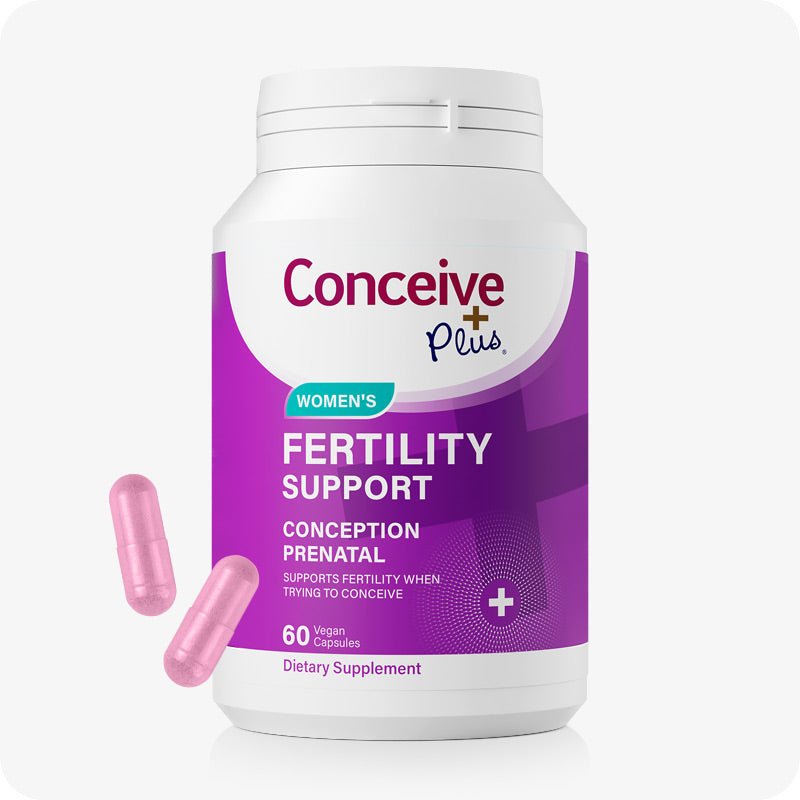
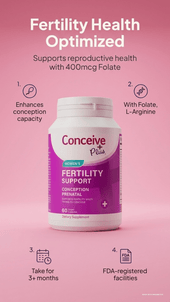
Conceive Plus Vrouwelijke Vruchtbaarheidsondersteuning is speciaal samengesteld voor vrouwen die proberen zwanger te worden, inclusief degenen die de unieke uitdagingen van zwangerschap op latere leeftijd ervaren. Boordevol belangrijke voedingsstoffen zoals methylfolaat, CoQ10, vitamine D en essentiële mineralen, biedt het de uitgebreide voedingsbasis die je lichaam nodig heeft tijdens dit belangrijke hoofdstuk. Want als jij alles goed doet, moet je supplement dat ook doen.
Ontdek ondersteuning voor vruchtbaarheid bij vrouwenDe algemene overtuiging dat elke vrouw op dag 14 van haar cyclus ovuleert, is een vereenvoudiging die voor de meeste vrouwen niet klopt. De timing van de ovulatie wordt beïnvloed door de lengte van de folliculaire fase — de eerste fase van de cyclus, van menstruatie tot ovulatie — die sterk varieert per persoon en per cyclus.
Studies met urinehormoonmonitoring tonen aan dat bij vrouwen met regelmatige cycli ovulatie meestal plaatsvindt tussen dag 11 en 21, zelfs als de cycli vergelijkbaar zijn in lengte. Een studie gepubliceerd in Human Reproduction (2000) analyseerde gegevens van meer dan 2.000 vrouwen en vond dat slechts ongeveer 30% van de vrouwen een vruchtbare periode had die volledig binnen de typische "vruchtbare dagen" van cyclusdagen 10–17 viel. Sommige vrouwen met regelmatige cycli van 28 dagen ovuleren zelfs routinematig zo vroeg als dag 10 of zo laat als dag 20.
Deze variatie heeft praktische gevolgen:
- Als je een cyclus van 24 dagen hebt, ovuleer je waarschijnlijk rond dag 10–12.
- Als je een cyclus van 32 dagen hebt, ovuleer je waarschijnlijk rond dag 18–20.
- Zelfs bij dezelfde vrouw kan de ovulatie van de ene cyclus tot de andere enkele dagen verschuiven door stress, ziekte, reizen of hormonale schommelingen.
Omdat de luteale fase (van ovulatie tot de volgende menstruatie) bij de meeste vrouwen relatief vastligt op ongeveer 14 dagen, kun je ovulatie schatten door terug te tellen vanaf je verwachte menstruatie. Maar de meest betrouwbare aanpak combineert deze kalenderinschatting met fysieke tekenen die aangeven dat de ovulatie nadert of heeft plaatsgevonden.
Ovulatie identificeren: tekenen, signalen en hulpmiddelen
Verschillende op bewijs gebaseerde methoden helpen je vruchtbare periode te identificeren zonder medische interventie. Gecombineerd geven ze een completer beeld dan elke methode afzonderlijk.
Veranderingen in cervicaal slijm
Een van de meest betrouwbare biologische tekenen van naderende ovulatie is de verandering in cervicaal slijm. Onder invloed van stijgende oestrogeen vóór de ovulatie verandert het cervicaal slijm van dik, plakkerig of afwezig naar helder, glad en rekbaar — vaak vergeleken met rauw eiwit. Dit "vruchtbare" slijm creëert een beschermende en voedzame omgeving voor sperma, waardoor hun reis door de baarmoederhals wordt vergemakkelijkt.
Onderzoek toont aan dat het monitoren van slijm zeer effectief kan zijn. Een overzicht in The Lancet concludeerde dat vrouwen die hun piekdag van slijm correct identificeerden, een hoge bevestigingsgraad van ovulatie hadden op of rond die dag. Monitoren vereist een paar cycli van observatie om je persoonlijke patroon vast te stellen, maar de meeste vrouwen leren hun vruchtbare slijm betrouwbaar te herkennen binnen twee tot drie cycli.
Basale lichaamstemperatuur (BBT)
De basale lichaamstemperatuur stijgt met ongeveer 0,2–0,5°C na de eisprong, door het thermogene effect van progesteron. Het dagelijks meten van deze temperatuursverandering elke ochtend voordat je uit bed stapt, kan bevestigen dat de eisprong heeft plaatsgevonden — maar omdat de stijging pas na het vrijkomen van het eitje optreedt, is BBT vooral achteraf nuttig om je patroon te begrijpen.
Over drie of meer cycli kan het bijhouden van de basale lichaamstemperatuur (BBT) helpen voorspellen wanneer de eisprong waarschijnlijk zal plaatsvinden in toekomstige cycli, zodat je gemeenschap kunt plannen in de dagen voorafgaand aan de verwachte verschuiving. BBT alleen is echter niet voldoende voor realtime timingbeslissingen in een bepaalde cyclus.
Detectie van LH-piek
Ovulatievoorspellingskits (OPK's) detecteren de piek van het luteïniserend hormoon (LH) die de eisprong veroorzaakt. Deze piek begint meestal 24–36 uur voordat het eitje vrijkomt, waardoor positieve OPK's een van de meest bruikbare vruchtbaarheidssignalen zijn. Wanneer je een positief resultaat ziet, zal de eisprong waarschijnlijk binnen één tot twee dagen plaatsvinden — wat betekent dat het tijd is om actie te ondernemen.
Digitale ovulatietests (OPK's), die een duidelijk "smiley gezicht" of een vergelijkbare digitale indicator tonen, verminderen de onduidelijkheid die kan optreden bij traditionele tests met lijnen. Studies suggereren dat vrouwen die LH-tests gebruiken naast andere methoden (zoals slijmmonitoring) hun vruchtbare venster nauwkeuriger bepalen dan degenen die slechts één methode gebruiken.
Mittelschmerz en andere fysieke tekenen
Sommige vrouwen ervaren een korte steek of krampgevoel aan één kant van de onderbuik rond de tijd van de eisprong — een fenomeen dat bekend staat als mittelschmerz (Duits voor "middenpijn"). Hoewel het niet betrouwbaar genoeg is om als primaire indicator te gebruiken, kan het dienen als een extra aanwijzing naast andere methoden. Gevoelige borsten, een lichte toename in zin in seks en een opgeblazen gevoel kunnen ook rond de eisprong voorkomen, hoewel deze tekenen sterk verschillen per persoon.
Hoe vaak zou je gemeenschap moeten hebben tijdens het vruchtbare venster?
Een van de meest gestelde vragen door stellen is of dagelijks, om de dag of minder vaak gemeenschap hebben hun kansen op conceptie maximaliseert. Het onderzoek geeft een vrij duidelijk antwoord: gemeenschap om de één tot twee dagen tijdens het vruchtbare venster geeft de beste resultaten voor de meeste stellen.
Een grote prospectieve cohortstudie gepubliceerd in Fertility and Sterility toonde aan dat dagelijks gemeenschap tijdens het vruchtbare venster de hoogste cyclusvruchtbaarheid opleverde (de kans op conceptie per cyclus), maar gemeenschap om de dag leverde bijna even goede resultaten op — en in sommige subgroepen zelfs iets betere uitkomsten, waarschijnlijk omdat de kwaliteit van het sperma kan afnemen bij een zeer hoge ejaculatiefrequentie bij sommige mannen.
Praktische aanbevelingen op basis van de huidige bewijzen:
- Om de dag vanaf dag 10 in een regelmatige cyclus biedt brede dekking zonder overmatige druk.
- Dagelijkse geslachtsgemeenschap in de twee tot drie dagen voorafgaand aan de ovulatie is passend als u een naderende LH-piek hebt bevestigd.
- Op de dag van de LH-piek en de dag erna is geslachtsgemeenschap bijzonder goed getimed.
- Er is geen sterk bewijs dat absolute rust of specifieke posities na geslachtsgemeenschap de conceptiekansen verbeteren.
Belangrijk is dat onderzoek niet ondersteunt dat men meerdere dagen moet wachten tussen pogingen tot geslachtsgemeenschap in de hoop sperma te "besparen". Voor mannen met normale spermaparameters schaadt een ejaculatiefrequentie van eens per één tot twee dagen de hoeveelheid of kwaliteit van sperma niet op een klinisch betekenisvolle manier.
De rol van cervixslijm bij spermaoverleving en -transport
Vruchtbaar cervixslijm is niet slechts een passieve toeschouwer bij conceptie — het speelt een actieve en vitale biologische rol. Wanneer het oestrogeen piekt in de dagen voor de ovulatie, produceren de cervixcrypten slijm met een kristallijne, gehydrateerde structuur die kanalen creëert waar sperma efficiënt doorheen kan zwemmen richting het ei. Dit slijm filtert abnormaal sperma eruit, voedt gezond sperma met suikers en mineralen, en kan levensvatbaar sperma drie tot vijf dagen in stand houden.
Buiten het vruchtbare venster wordt het cervixslijm dik en ondoordringbaar, waardoor het een fysieke barrière vormt voor sperma. Dit natuurlijke poortmechanisme betekent dat zelfs als u geslachtsgemeenschap heeft, sperma waarschijnlijk niet door de cervix dringt tijdens de onvruchtbare fasen van de cyclus.
Wat dit betekent voor het timen:
- Geslachtsgemeenschap hebben wanneer u vruchtbaar slijm observeert — rekbaar, helder of waterig — sluit natuurlijk aan bij sperma-toegestane cervixcondities.
- Slijm dat overvloedig en van uitstekende kwaliteit is, wordt geassocieerd met hogere overlevingskansen van sperma en dus een grotere kans op conceptie.
- Alles wat het cervixslijm verstoort of verandert — inclusief bepaalde medicijnen, uitdroging of glijmiddelen die niet zijn geformuleerd als sperma-compatibel — kan de spermatransport verstoren.
Goed gehydrateerd blijven en het vermijden van producten in de vaginale omgeving die niet gecertificeerd zijn als sperma-compatibel tijdens het vruchtbare venster kan helpen om de optimale omgeving voor spermaoverleving te behouden.
Het timen van geslachtsgemeenschap bij verschillende cyclusscenario's
Niet iedereen heeft een standaard cyclus van 28 dagen, en de praktische aanpak voor het timen van geslachtsgemeenschap moet worden aangepast aan individuele omstandigheden. Hier leest u hoe u het timen kunt benaderen voor enkele veelvoorkomende cyclusscenario's.
Reguliere cycli (25–35 dagen)
Als je cycli relatief consistent zijn van maand tot maand, heb je een goede basis voor kalendergebaseerde voorspellingen gecombineerd met slijm- en LH-testen. Begin met het monitoren van cervicaal slijm rond cyclusdag 8–10 (eerder bij kortere cycli) en start met OPK’s vanaf dag 10. Zodra je je vruchtbare slijm of de naderende LH-piek hebt vastgesteld, begin je met geslachtsgemeenschap om de één tot twee dagen en ga je door tot minstens 24 uur na bevestigde ovulatie (de BBT-stijging of het afnemen van de LH-piek).
Onregelmatige cycli
Onregelmatige cycli — gedefinieerd als variërend met meer dan zeven tot acht dagen tussen cycli — maken kalender voorspellingen veel minder betrouwbaar. In dit geval wordt het nog belangrijker om op fysieke signalen te letten. Begin met het monitoren van slijm en OPK-testen vanaf cyclusdag 8, ongeacht de verwachte cycluslengte. OPK’s kunnen dagelijks worden gebruikt (en twee keer per dag naarmate de piek nadert) om een LH-piek te detecteren die eerder of later kan optreden dan verwacht.
Het is ook belangrijk op te merken dat zeer onregelmatige cycli (variërend met meer dan 10–14 dagen) soms kunnen wijzen op een onderliggend hormonaal of ovulatieprobleem dat het bespreken met een zorgverlener waard is, vooral als je al meer dan 12 maanden probeert zwanger te worden (of zes maanden als je ouder bent dan 35).
Na het stoppen met hormonale anticonceptie
Na het stoppen met hormonale anticonceptie, vooral de pil of het hormonale spiraaltje, kan het één tot drie maanden duren voordat de cycli weer regelmatig worden. Tijdens deze overgang is het uitsluitend vertrouwen op de kalender onbetrouwbaar. Slijmmonitoring en LH-testen zijn vooral waardevol in deze eerste paar cycli terwijl je patroon zich herstelt.
Borstvoeding en postpartum
Het terugkeren van de ovulatie na de bevalling kan sterk variëren, vooral bij vrouwen die borstvoeding geven. Sommige vrouwen ovuleren vóór hun eerste menstruatie na de bevalling, wat betekent dat de eerste ovulatie na de bevalling kan leiden tot zwangerschap zonder dat er een menstruatieperiode aan voorafgaat. Als je probeert zwanger te worden tijdens het geven van borstvoeding, is regelmatige controle met OPK’s en slijmobservatie de meest betrouwbare methode.
Veelvoorkomende timingfouten die de kans op zwangerschap verkleinen
Zelfs koppels die actief proberen zwanger te worden maken vaak timingfouten die hun maandelijkse kansen aanzienlijk verkleinen. Bewust zijn van deze valkuilen kan je helpen ze te vermijden.
Wachten tot dag 14
De meest voorkomende fout is ervan uitgaan dat dag 14 voor iedereen de ovulatiedag is. Zoals besproken, varieert ovulatie sterk — en als je een kortere cyclus hebt of vroeg ovuleert, kun je je vruchtbare periode helemaal missen als je pas op dag 14 begint.
Alleen geslachtsgemeenschap hebben na een positieve OPK
Een positieve OPK geeft aan dat de LH-piek aan de gang is en de ovulatie op het punt staat te gebeuren — meestal binnen 24–36 uur. Maar tegen de tijd dat je de piek ziet, kan het te laat zijn om te beginnen met het "laden" van sperma in de voortplantingsorganen. Geslachtsgemeenschap in de twee tot drie dagen vóór de verwachte piek is net zo belangrijk, zodat er al sperma aanwezig is en klaarstaat wanneer de ovulatie plaatsvindt.
Onthouding om sperma te "besparen"
Sommige koppels denken dat onthouding van geslachtsgemeenschap gedurende meerdere dagen of zelfs een week voor de ovulatie het sperma-aantal zal verhogen en hun kansen zal verbeteren. Voor mannen met normale zaadparameters is deze strategie contraproductief. Hoewel onthouding het ejaculaatvolume en het totale sperma-aantal verhoogt, leidt het ook tot een toename van DNA-gefractioneerd en oxidatief beschadigd sperma na verloop van tijd. Voor de meeste koppels is één tot twee dagen onthouding voor de vruchtbare periode optimaal.
Gebruik van incompatibele glijmiddelen
Veel standaard persoonlijke glijmiddelen — inclusief algemeen verkrijgbare merken — hebben pH-waarden en osmolaliteit die schadelijk zijn voor sperma. Een studie uit 2014 toonde aan dat blootstelling aan verschillende veelvoorkomende glijmiddelen de beweeglijkheid en levensvatbaarheid van sperma in vitro aanzienlijk verminderde. Als je glijmiddel gebruikt tijdens geslachtsgemeenschap, zorg er dan voor dat het specifiek is geformuleerd om compatibel te zijn met sperma.
Te vroeg stoppen met geslachtsgemeenschap in het venster
Sommige koppels stoppen met proberen na een positieve ovulatiepredictor (OPK) of het eerste teken van slijm, in de veronderstelling dat conceptie dan zal plaatsvinden. Voortzetting van geslachtsgemeenschap op de dag van de LH-piek en de dag erna zorgt voor maximale dekking van het ovulatievenster, aangezien de timing van de daadwerkelijke eicelafgifte enkele uren kan variëren.
Leefstijlfactoren die vruchtbare timing ondersteunen
Naast de timingmechanismen ondersteunen bepaalde leefgewoonten de fysiologische processen die conceptie mogelijk maken — van de productie van cervixslijm tot de kwaliteit van de ovulatie zelf.
Een gezond lichaamsgewicht behouden
Zowel ondergewicht als overgewicht worden geassocieerd met verstoring van de ovulatie. Vetweefsel (lichaamsvet) is metabool actief en beïnvloedt het oestrogeenniveau, wat op zijn beurt de follikelontwikkeling en ovulatie beïnvloedt. Een body mass index (BMI) buiten het bereik van 18,5–24,9 wordt in meerdere grote epidemiologische studies geassocieerd met een langere tijd tot conceptie. Zelfs bescheiden gewichtsveranderingen van 5–10% richting een gezond gewicht hebben bij sommige vrouwen aangetoond dat ze de regelmatige ovulatie herstellen.
Alcohol en cafeïne
Matig alcoholgebruik (gedefinieerd als meer dan één tot twee drankjes per dag) is in verschillende studies in verband gebracht met een langere tijd tot conceptie, hoewel het effect bij zeer lage niveaus (af en toe één drankje) minder duidelijk is. Aangezien de meeste experts aanbevelen om alcohol volledig te vermijden zodra conceptie mogelijk is, kiezen veel koppels ervoor om vanaf het begin van het vruchtbare venster te onthouden. Cafeïne in hoge doses (>300 mg per dag, of ongeveer drie kopjes koffie) is in sommige studies in verband gebracht met verminderde vruchtbaarheid, hoewel matig gebruik voor de meeste vrouwen veilig lijkt.
Omgaan met verstoring van de cyclus
Significante acute stress, ziekte of verstoring van het slaappatroon kan de ovulatie binnen een cyclus vertragen — geen dramatische verschuiving, maar genoeg om kalendergebaseerde timing te verstoren. Als je een ongewone cyclus ervaart door ziekte, reizen over tijdzones of acute stress, is het aan te raden in die cyclus meer te vertrouwen op fysieke signalen (slijm en LH-testen) dan op de kalender.
Wanneer professionele hulp zoeken
Het correct timen van geslachtsgemeenschap verbetert je maandelijkse kansen, maar is geen oplossing voor onderliggende vruchtbaarheidsproblemen. De huidige richtlijnen van de American Society for Reproductive Medicine (ASRM) en de European Society of Human Reproduction and Embryology (ESHRE) raden aan een evaluatie te zoeken als:
- Je bent jonger dan 35 en probeert al 12 maanden zonder succes zwanger te worden
- Je bent 35–39 en probeert al zes maanden zonder succes zwanger te worden
- Je bent 40 jaar of ouder — zoek eerder een evaluatie, idealiter na drie tot zes maanden proberen
- Je hebt bekende of vermoedelijke aandoeningen die de vruchtbaarheid beïnvloeden (onregelmatige cycli, voorgeschiedenis van bekkenontstekingsziekte, eerdere zwangerschapsverlies, enz.)
- Je partner heeft een bekende of vermoedelijke afwijking in het sperma
Een basis vruchtbaarheidsonderzoek kan behandelbare oorzaken opsporen en jou en je zorgteam in staat stellen een passend plan te maken. Het optimaal timen van geslachtsgemeenschap terwijl je een aanbevolen onderzoek volgt, zorgt ervoor dat je in de tussentijd alles doet wat mogelijk is.
Veelgestelde vragen
Wat zijn de twee beste dagen om zwanger te worden?
Volgens het onderzoek van Wilcox et al. zijn de twee dagen met de hoogste kans op conceptie de dag van de ovulatie en de dag direct ervoor. Op beide dagen is de kans op conceptie na één keer geslachtsgemeenschap ongeveer 27–33%. Echter, beginnen met geslachtsgemeenschap twee tot drie dagen voor de ovulatie zorgt ervoor dat er al sperma aanwezig is in de voortplantingsorganen, wat door veel vruchtbaarheidsexperts als de meest betrouwbare strategie wordt gezien.
Kan ik zwanger worden op dag 1 van mijn cyclus?
Dag 1 is de eerste dag van je menstruatie — en hoewel zwangerschap door geslachtsgemeenschap op dag 1 theoretisch mogelijk is als je een zeer korte cyclus hebt en heel vroeg ovuleert, is het voor de meeste vrouwen zeer onwaarschijnlijk. De menstruatiefase valt meestal buiten het vruchtbare venster. Dat gezegd hebbende, als je cycli kort zijn (21–24 dagen), kan de ovulatie al plaatsvinden op dag 7–8, wat betekent dat het vruchtbare venster kort na het einde van de menstruatie begint.
Beïnvloedt het tijdstip van de dag waarop je geslachtsgemeenschap hebt de kans op conceptie?
Er is beperkt hoogwaardig bewijs dat het tijdstip van de dag een betekenisvolle invloed heeft op de kans op conceptie door geslachtsgemeenschap in een natuurlijke cyclus. Sommige onderzoeken suggereren dat de beweeglijkheid van sperma 's ochtends iets beter kan zijn, maar de klinische betekenis hiervan is onduidelijk. De timing ten opzichte van de ovulatie is veel belangrijker dan het tijdstip van de dag.
Hoe lang moet ik na seks liggen om mijn kansen te vergroten?
Het bewijs is hier zwak en wisselend. Sommige studies naar intra-uteriene inseminatie (IUI) procedures vonden een bescheiden voordeel van 15 minuten stil liggen na de procedure, maar deze situatie verschilt aanzienlijk van natuurlijke seks. Sperma beweegt snel — binnen enkele minuten na ejaculatie kan sperma in de eileiders worden gevonden. De meeste reproductieve endocrinologen raden geen specifieke rustperiode aan na seks. Er is geen bewijs dat het omhoog leggen van je bekken met een kussen na seks de kans op conceptie verbetert.
Helpt een orgasme bij het zwanger worden?
De "upsuck"-theorie — die suggereert dat baarmoedercontracties tijdens het vrouwelijke orgasme helpen bij het transporteren van sperma — is onderzocht maar niet overtuigend bewezen. Huidig bewijs toont niet aan dat het vrouwelijke orgasme het spermatransport of de kans op conceptie bij natuurlijke seks significant verbetert. Hoewel er vanuit vruchtbaarheidsperspectief geen reden is om een orgasme te vermijden, is het ook niet iets waar stellen prioriteit aan hoeven te geven of zich druk over hoeven te maken.
Hoe kan ik zien of ik daadwerkelijk heb geovuleerd?
De meest betrouwbare indicator thuis dat de ovulatie heeft plaatsgevonden is een aanhoudende stijging van de basale lichaamstemperatuur (BBT) van 0,2°C of meer die drie of meer dagen aanhoudt. Deze temperatuursverandering weerspiegelt de progesteronpiek die volgt op de ovulatie. Een positieve OPK bevestigt dat de LH-piek heeft plaatsgevonden (die normaal 24–36 uur voor de ovulatie komt), maar bevestigt niet dat de ovulatie daadwerkelijk heeft plaatsgevonden. Het combineren van BBT-grafieken met OPK-testen over meerdere cycli geeft het meest complete beeld. Bloedtesten op progesteron rond dag 21 van een 28-daagse cyclus (of zeven dagen na de geschatte ovulatie bij andere cycli) is de standaard klinische test om ovulatie te bevestigen.
Kan het plannen van seks als druk of mechanisch aanvoelen? Hoe gaan stellen hiermee om?
Ja — dit is een van de meest gemelde uitdagingen bij het proberen zwanger te worden. "Gepland vrijen" kan stressvol en transactioneel aanvoelen, wat een negatieve invloed kan hebben op intimiteit en, in sommige gevallen, op de erectiele functie of seksuele tevredenheid van een of beide partners. Strategieën die kunnen helpen zijn: het vruchtbare venster zien als een kans in plaats van een taak, ook buiten het vruchtbare venster seks hebben voor plezier (zonder druk), open communiceren met je partner over gevoelens, en waar mogelijk het monitoringsproces op de achtergrond houden in plaats van het de focus van elke seksuele ontmoeting te maken. Als de druk rondom timing je relatie aanzienlijk beïnvloedt, kan het waardevol zijn om met een therapeut te praten die ervaring heeft met stress gerelateerd aan vruchtbaarheid.
Beïnvloedt frequente ejaculatie buiten het vruchtbare venster de beschikbaarheid van sperma tijdens het vruchtbare venster?
Voor mannen met normale spermaparameters zorgt regelmatige ejaculatie — dagelijks of om de dag — voor gezonde spermaparameters en raakt de spermareserve niet klinisch betekenisvol uitgeput. De testikels produceren ongeveer 1.500 zaadcellen per seconde, en de aanmaak na ejaculatie is snel. Er is geen noodzaak om buiten het vruchtbare venster te onthouden om sperma te "besparen"; in feite vermindert langdurige onthouding, zoals eerder genoemd, de integriteit van het spermadna.
Kunnen onregelmatige cycli natuurlijke conceptie onmogelijk maken?
Niet per se. Veel vrouwen met onregelmatige cycli worden natuurlijk zwanger, hoewel het meestal langer duurt omdat ovulatie minder voorspelbaar is. Consistente monitoring met behulp van slijmobservatie en LH-testen stelt de meeste vrouwen met onregelmatige cycli in staat hun vruchtbare venster te identificeren, zelfs als dit in verschillende cycli op verschillende momenten valt. Zeer onregelmatige cycli of cycli met zeer zelden optredende ovulatie (oligo-ovulatie) kunnen echter baat hebben bij medische evaluatie en mogelijk behandeling om regelmatiger ovulatie te ondersteunen.
Is er een leeftijd waarop het timen van geslachtsgemeenschap minder effectief wordt?
Het correct timen van geslachtsgemeenschap blijft belangrijk, ongeacht de leeftijd — u kunt niet zwanger worden zonder in het vruchtbare venster te zijn. Leeftijd beïnvloedt echter de onderliggende kans op conceptie per cyclus onafhankelijk van timing. Een 25-jarige met perfect getimede geslachtsgemeenschap heeft een cyclusvruchtbaarheid van ongeveer 25–30%, terwijl de cyclusvruchtbaarheid van een 40-jarige met even goed getimede geslachtsgemeenschap 5–10% of lager kan zijn, voornamelijk door de afname van de eicelkwaliteit. Dit betekent niet dat timing niet meer belangrijk is — in feite wordt precieze timing met de leeftijd nog belangrijker omdat elke cyclus kostbaarder is — maar het betekent wel dat leeftijdsgebonden vruchtbaarheidsafname mogelijk extra ondersteuning vereist naast alleen levensstijl en timing.
Het Conceive Plus vruchtbaarheidsassortiment — Ontworpen voor uw reis
Conceive Plus biedt een compleet assortiment wetenschappelijk onderbouwde vruchtbaarheidssupplementen voor vrouwen, mannen en koppels in elke fase van de poging om zwanger te worden. Van ondersteuning bij ovulatie en prenatale benodigdheden tot hulpmiddelen voor beweeglijkheid en vruchtbaarheidsglijmiddelen, elk product is samengesteld met ingrediënten van de hoogste kwaliteit en voldoet aan de strenge normen die uw gezin verdient. Waar u ook bent in uw vruchtbaarheidsverhaal, Conceive Plus staat u bij elke stap bij.
Ontdek het Conceive Plus-assortiment