Leeftijd en vruchtbaarheid: wat elke vrouw en man in 2026 moet weten


Begrijpen hoe leeftijd de vrouwelijke vruchtbaarheid beïnvloedt
Leeftijd is een van de belangrijkste factoren die de vruchtbaarheid van een vrouw beïnvloeden. Hoewel de maatschappij is verschoven naar later gezinsplannen — met meer vrouwen die ervoor kiezen om in hun 30s en 40s een gezin te starten — werkt de biologie volgens haar eigen tijdlijn. Begrijpen hoe vruchtbaarheid verandert met de leeftijd stelt stellen in staat om weloverwogen beslissingen te nemen en proactieve stappen te zetten.
Vrouwen worden geboren met alle eicellen die ze ooit zullen hebben — ongeveer 1 tot 2 miljoen bij de geboorte. Tegen de puberteit is dat aantal al gedaald tot ongeveer 300.000 tot 400.000. Elke maand begint een groep eicellen te rijpen, maar meestal ovuleert er slechts één, terwijl de rest wordt heropgenomen. Dit proces van afname versnelt met de leeftijd.
Volgens de American Society for Reproductive Medicine (ASRM) heeft een gezonde 30-jarige vrouw ongeveer 20% kans om per menstruatiecyclus zwanger te worden. Op 40-jarige leeftijd daalt dat percentage tot ongeveer 5% per cyclus. Naast het aantal eicellen neemt ook de kwaliteit van de eicellen — de chromosomale integriteit van elke eicel — af, wat verklaart waarom het risico op een miskraam en chromosomale afwijkingen toeneemt met de leeftijd van de moeder.
De term "ovariele reserve" beschrijft de hoeveelheid en kwaliteit van de resterende eicellen van een vrouw. Tests zoals Anti-Mülleriaans Hormoon (AMH) niveaus en antrale follikel telling (AFC) via echografie kunnen vrouwen en hun artsen een duidelijker beeld geven van hun situatie, ongeacht de leeftijd.
Het vruchtbaarheidsvenster: decennium per decennium
Aanbevolen door vruchtbaarheidsexperts
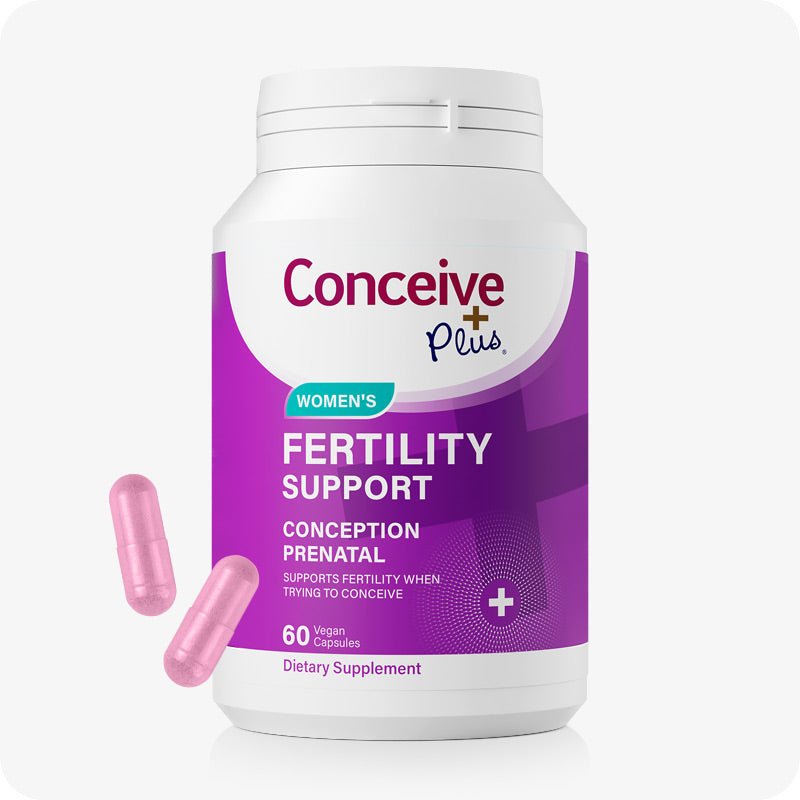
Ondersteuning voor de vruchtbaarheid van vrouwen
Geformuleerd met folaat, CoQ10 en essentiële micronutriënten ter ondersteuning van eicelkwaliteit en hormonale balans — of je nu in je 30s of 40s bent, elke cyclus telt.
Bestel Nu →Begrijpen hoe de vruchtbaarheid verandert in verschillende levensdecennia helpt stellen om met meer duidelijkheid en realisme te plannen.
In je 20s: De vruchtbaarheid is op zijn hoogtepunt. De kwaliteit van de eicellen is hoog, cycli zijn meestal regelmatig, en de kans om natuurlijk zwanger te worden per cyclus is het grootst. De gemiddelde tijd tot conceptie is ongeveer 3–4 maanden proberen.
In je vroege 30s (30–35): De vruchtbaarheid blijft relatief sterk, hoewel er een geleidelijke afname begint. De meeste vrouwen in deze leeftijdsgroep raken binnen 6–12 maanden zwanger. De ASRM beschouwt 35 als de grens waarbij leeftijdsgerelateerde vruchtbaarheidsproblemen klinisch relevant worden.
In je midden tot eind 30 (35–39): De vruchtbaarheid neemt duidelijker af. Zowel de kwaliteit als de hoeveelheid eicellen neemt af, en de cycli kunnen minder voorspelbaar worden. Het risico op een miskraam stijgt van ongeveer 10% begin 30 tot ongeveer 20–25% rond de leeftijd van 38–39. De meeste richtlijnen adviseren om na 6 maanden proberen specialistisch advies in te winnen op deze leeftijd.
In je 40s: Natuurlijke conceptie wordt uitdagender, maar is niet onmogelijk. De kwaliteit van de eicellen is de belangrijkste zorg, omdat een groter deel van de eicellen chromosomale afwijkingen heeft. Het miskraampercentage stijgt tot 40% of meer rond de leeftijd van 43–44. Geassisteerde voortplantingstechnieken zoals IVF worden steeds vaker aanbevolen.
In je midden 40 en ouder: Natuurlijke conceptie is zeldzaam en de slagingskansen van IVF met eigen eicellen nemen aanzienlijk af. Eiceldonatie wordt voor veel vrouwen in deze fase de meest haalbare optie.
Hoe leeftijd de mannelijke vruchtbaarheid beïnvloedt
Het gesprek over leeftijd en vruchtbaarheid richtte zich historisch gezien vooral op vrouwen, maar mannelijke vruchtbaarheid is niet immuun voor het verstrijken van de tijd. Hoewel mannen hun hele leven sperma blijven produceren — in tegenstelling tot vrouwen, die met een vaste eicelvoorraad worden geboren — neemt de spermakwaliteit af met de leeftijd.
Onderzoek gepubliceerd in het tijdschrift Human Reproduction toonde aan dat mannen boven de 45 aanzienlijk lagere sperma beweeglijkheid en morfologie hebben vergeleken met mannen onder de 30. DNA-fragmentatie — schade aan het genetisch materiaal in sperma — neemt ook toe met de leeftijd, wat de bevruchtingskansen en embryo kwaliteit kan beïnvloeden en het risico op een miskraam kan verhogen.
Studies hebben ook een verband gevonden tussen hogere vadersleeftijd (over het algemeen gedefinieerd als boven de 40–45) en een licht verhoogd risico op bepaalde aandoeningen bij nakomelingen. Deze risico’s blijven echter klein in absolute termen.
De praktische conclusie: mannelijke vruchtbaarheid neemt af met de leeftijd, maar dit gebeurt geleidelijker dan bij vrouwelijke vruchtbaarheid. Mannen kunnen ook op elke leeftijd betekenisvolle stappen nemen om de spermakwaliteit te optimaliseren.
Diagnose van leeftijdsgerelateerde vruchtbaarheidsproblemen
Voor koppels die proberen zwanger te worden en zich zorgen maken over leeftijd, kan een reeks diagnostische tests waardevolle inzichten bieden.
Voor vrouwen:
- AMH (Anti-Mülleriaans hormoon): Een bloedtest die de eierstokreserve meet. Lagere AMH-waarden wijzen op een verminderde eicelvoorraad.
- FSH (Follikelstimulerend hormoon): Verhoogde FSH op dag 2–3 van de cyclus kan aangeven dat de eierstokken harder werken om de eicelontwikkeling te stimuleren.
- Antrale follikel telling (AFC): Een transvaginale echo die zichtbare follikels telt, wat een directe maat is voor de resterende eicelvoorraad.
- Schildklierfunctie: Schildklieraandoeningen komen vaker voor met de leeftijd en kunnen de ovulatie en innesteling verstoren.
Voor mannen:
- Sperma-analyse: Beoordeelt het aantal spermacellen, de beweeglijkheid, morfologie en het volume.
- Sperma-DNA-fragmentatietest: Meet de integriteit van het genetisch materiaal in sperma — een belangrijke zorg voor oudere mannen.
- Hormoonpanel: Test testosteron, FSH, LH en prolactine om de hormonale gezondheid te beoordelen.
Vroegtijdig testen — in plaats van een heel jaar te wachten om hulp te zoeken — is vooral belangrijk voor vrouwen boven de 35 en mannen boven de 40.
Strategieën om de vruchtbaarheid te ondersteunen naarmate je ouder wordt
Hoewel de leeftijdsgerelateerde afname van vruchtbaarheid een natuurlijk proces is, kunnen zowel vrouwen als mannen veel doen om hun voortplantingsgezondheid te optimaliseren.
Behaal een gezond lichaamsgewicht. Zowel ondergewicht als overgewicht verstoren de hormonale balans en ovulatie. Het bereiken van een BMI in het gezonde bereik (18,5–24,9) verbetert de vruchtbaarheidsresultaten.
Eet een vruchtbaarheidsbevorderend dieet. Het mediterrane dieet — rijk aan groenten, volle granen, peulvruchten, vette vis en olijfolie — wordt in meerdere studies geassocieerd met verbeterde vruchtbaarheidsresultaten. Antioxidant-rijke voedingsmiddelen beschermen eieren en sperma tegen oxidatieve stress, die toeneemt met de leeftijd.
Neem gerichte vruchtbaarheidssupplementen. Co-enzym Q10 (CoQ10) is een van de best onderbouwde supplementen voor leeftijdsgerelateerde vruchtbaarheidsproblemen. Het speelt een sleutelrol in de energieproductie in cellen binnen eieren en sperma, en de niveaus nemen natuurlijk af met de leeftijd. Studies suggereren dat CoQ10-suppletie de kwaliteit van eieren en sperma bij oudere personen kan verbeteren.
Foliumzuur (of folaat) blijft essentieel voor vrouwen die proberen zwanger te worden. Vitamine D, omega-3 vetzuren en zink ondersteunen ook de voortplantingsgezondheid bij beide geslachten.
Optimaliseer je slaap en beheers stress. Chronisch slaaptekort en hoge cortisolniveaus verstoren de hormoonsignalen die de voortplanting regelen. Streef naar 7–9 uur kwalitatieve slaap en neem stressmanagementtechnieken op zoals mindfulness, yoga of therapie om de hormonale balans effectief te ondersteunen.
Beperk alcohol, cafeïne en tabak. Alle drie zijn in verband gebracht met verminderde vruchtbaarheid bij zowel mannen als vrouwen. Het bewijs is vooral sterk voor roken, dat de veroudering van de eierstokken versnelt en de kwaliteit van sperma vermindert.
Volg de ovulatie nauwkeurig. Voor vrouwen met onregelmatige cycli of afnemende vruchtbaarheid maximaliseert nauwkeurige ovulatie-tracking met behulp van BBT-grafieken, ovulatievoorspellingskits (OPK's) of vruchtbaarheidsmonitors de kans op goed getimede geslachtsgemeenschap.
Gebruik een vruchtbaarheidvriendelijk glijmiddel. Veel standaard glijmiddelen zijn schadelijk voor sperma. Het gebruik van een glijmiddel dat speciaal is ontwikkeld om sperma-vriendelijk te zijn — met een osmolaliteit en pH die de levensvatbaarheid van sperma beschermt — kan echt een verschil maken in de kans op conceptie.
Geassisteerde voortplantingstechnologieën voor oudere koppels
Wanneer natuurlijke conceptie moeilijk wordt door leeftijd, bieden geassisteerde voortplantingstechnologieën (ART) extra mogelijkheden.
Intra-uteriene inseminatie (IUI): Sperma wordt direct in de baarmoeder geplaatst rond de ovulatie. Vaak gecombineerd met milde ovariumstimulatie kan IUI de kans op zwangerschap vergroten bij koppels met onverklaarde onvruchtbaarheid of milde mannelijke factorproblemen.
In-vitrofertilisatie (IVF): Eicellen worden uit de eierstokken gehaald en in een laboratorium bevrucht voordat de resulterende embryo’s in de baarmoeder worden geplaatst. De slagingskansen van IVF hangen sterk samen met de leeftijd van de moeder. Voor vrouwen onder de 35 kunnen de levendgeboortepercentages per IVF-cyclus meer dan 40% bedragen; voor vrouwen boven de 42 daalt dit tot onder de 10% bij gebruik van eigen eicellen.
Pre-implantatie genetische test (PGT): Wordt gebruikt naast IVF en screent embryo’s op chromosomale afwijkingen vóór de terugplaatsing, wat de kans op een succesvolle zwangerschap vergroot, vooral bij oudere vrouwen.
Eiceldonatie: Voor vrouwen met een zeer lage eierstokreserve of slechte eicelkwaliteit kan het gebruik van eicellen van een jongere vrouw de slagingskansen van IVF aanzienlijk verbeteren, ongeacht de leeftijd van de ontvanger.
Vriezen van eicellen: Vrouwen die nog niet klaar zijn om een gezin te starten, kunnen ervoor kiezen om eicellen op jongere leeftijd in te vriezen, zodat hun vruchtbaarheid voor later behouden blijft. De optimale leeftijd voor het invriezen van eicellen wordt over het algemeen onder de 35 jaar beschouwd.
Emotioneel welzijn en leeftijdsgebonden vruchtbaarheidsuitdagingen
De emotionele last van het confronteren van leeftijdsgebonden vruchtbaarheidsproblemen kan groot zijn. Gevoelens van urgentie, verdriet, schuld en angst zijn veelvoorkomend — en volkomen begrijpelijk. Het is belangrijk deze emoties te erkennen in plaats van te negeren.
Stellen die deze reis maken, hebben enorm baat bij open communicatie met elkaar, eerlijke gesprekken met vruchtbaarheidsspecialisten en professionele ondersteuning wanneer nodig. Vruchtbaarheidsadvies en steungroepen bieden veilige plekken om moeilijke emoties te verwerken en perspectief te krijgen van anderen die het begrijpen.
Het is ook goed om te onthouden dat leeftijd slechts één onderdeel is van de vruchtbaarheidskwestie. Veel vrouwen worden natuurlijk zwanger in hun late dertig en vroege veertig, en velen doen dit met medische ondersteuning. Er is geen enkel verhaal — elke reis van een stel is uniek.
Wanneer hulp zoeken
Algemene richtlijnen adviseren om advies te vragen aan een vruchtbaarheidsspecialist als:
- Een vrouw jonger dan 35 jaar probeert al 12 maanden zonder succes zwanger te worden
- Een vrouw van 35–39 jaar probeert al 6 maanden zonder succes zwanger te worden
- Een vrouw van 40 jaar of ouder probeert al 3 maanden zonder succes zwanger te worden
- Een van de partners heeft een bekend of vermoed vruchtbaarheidsprobleem
- Er is een geschiedenis van terugkerende miskramen (twee of meer verliezen)
Vroegtijdig hulp zoeken is geen teken van falen — het is een pragmatische stap die meer opties opent en meer tijd behoudt.
Veelgestelde vragen
V: Op welke leeftijd begint de vrouwelijke vruchtbaarheid aanzienlijk te dalen?
A: De vrouwelijke vruchtbaarheid begint geleidelijk af te nemen in het begin van de dertig, met een duidelijkere daling na de leeftijd van 35. Rond de 40 wordt natuurlijke conceptie aanzienlijk moeilijker, hoewel het nog steeds mogelijk is.
V: Kan de leeftijd van een man de kans op een miskraam beïnvloeden?
A: Ja. Onderzoek suggereert dat een hogere leeftijd van de vader (meestal 40+) geassocieerd is met een toename van DNA-fragmentatie in zaadcellen, wat kan bijdragen aan een hoger risico op een miskraam.
V: Is IVF op elke leeftijd even succesvol?
A: Nee. IVF-succespercentages zijn nauw verbonden met de eikwaliteit, die afneemt met de leeftijd van de moeder. Het percentage levendgeborenen per cyclus is het hoogst bij vrouwen onder de 35 en neemt aanzienlijk af na 40 bij gebruik van eigen eieren.
V: Kunnen supplementen echt de eikwaliteit verbeteren met de leeftijd?
A: Bepaalde supplementen — vooral CoQ10 — zijn in studies aangetoond de mitochondriale functie in eieren te ondersteunen en kunnen helpen de eikwaliteit te behouden. Supplementen ondersteunen echter eerder dan dat ze de leeftijdsgebonden achteruitgang omkeren.
V: Wat is ovariumreserve en hoe wordt het gemeten?
A: De ovariumreserve verwijst naar de hoeveelheid en kwaliteit van de resterende eieren van een vrouw. Dit kan worden beoordeeld via bloedtesten (AMH- en FSH-niveaus) en transvaginale echografie (antrale follikel telling).
V: Zijn er veranderingen in levensstijl die echt kunnen helpen bij vruchtbaarheid na 35?
A: Ja. Het behouden van een gezond gewicht, het eten van een mediterraan dieet, het nemen van gerichte supplementen, het beperken van alcohol en tabak, het beheersen van stress en het nauwkeurig volgen van de ovulatie ondersteunen allemaal de vruchtbaarheid op elke leeftijd.
V: Hoe lang moet een koppel boven de 35 proberen voordat ze hulp zoeken?
A: Koppels waarbij de vrouw 35–39 jaar is, wordt geadviseerd na 6 maanden proberen specialistisch advies in te winnen. Vrouwen van 40 jaar of ouder zouden na 3 maanden een specialist moeten raadplegen.
V: Garandeert eivriezen een toekomstige zwangerschap?
A: Eivriezen garandeert geen zwangerschap, maar het behoudt de kwaliteit van eieren op de leeftijd waarop ze worden ingevroren. Succespercentages hangen af van het aantal en de kwaliteit van de ingevroren eieren en de leeftijd van de vrouw bij het ophalen.
V: Kan mannelijke vruchtbaarheid worden verbeterd door veranderingen in levensstijl?
A: Absoluut. Dieet, lichaamsbeweging, slaapkwaliteit, het gebruik van supplementen en het vermijden van roken, overmatig alcoholgebruik en blootstelling aan hitte voor de testikels kunnen allemaal een positieve invloed hebben op het aantal zaadcellen, de beweeglijkheid en de DNA-integriteit.
V: Wat is het belangrijkste dat oudere koppels kunnen doen als ze proberen zwanger te worden?
A: Handel snel. De belangrijkste stap is om niet te wachten met het zoeken van informatie of medische beoordeling. Hoe eerder eventuele problemen worden vastgesteld, hoe meer opties er zijn.
Vertrouwd door koppels in meer dan 70 landen
Ondersteun je vruchtbaarheid op elke leeftijd
Conceive Plus is ontwikkeld door vruchtbaarheidsexperts en wordt vertrouwd door koppels in meer dan 70 landen. Of je nu net begint aan je reis of de uitdagingen van latere gezinsplanning aangaat, ons assortiment ondersteunt je met wetenschappelijk onderbouwde voeding.
Ontdek Vruchtbaarheidsupplementen →