Supplements for Second Pregnancy: Why Trying for Baby #2 Needs a Different Approach


Supplements for Second Pregnancy: Why Trying for Baby #2 Needs a Different Approach
If you're trying to conceive your second child, you might assume the process will mirror your first experience. But millions of couples discover something surprising: fertility after a first baby can be unexpectedly different — and often more challenging. When it comes to supplements for second pregnancy, the science is clear: your nutritional needs have changed, your body has changed, and your supplement strategy should too.
This comprehensive guide covers everything you need to know about supplements for second pregnancy, the phenomenon of secondary infertility, and how brands like Conceive Plus can support your journey to baby number two with evidence-based formulas designed for the modern TTC journey.
What Is Secondary Infertility and Why Does It Happen?
Secondary infertility is defined as the inability to conceive or carry a pregnancy to term after previously having had a biological child. According to the American Society for Reproductive Medicine (ASRM), secondary infertility accounts for approximately 3 million cases annually in the United States — affecting roughly 1 in 10 couples trying for a second child.
Many parents are shocked by this diagnosis. After all, they've done it before. But the reproductive landscape shifts significantly between pregnancies:
- Age: Even 2–3 years can meaningfully impact egg quality and ovarian reserve
- Nutritional depletion: Pregnancy and breastfeeding draw heavily on folate, iron, iodine, and DHA reserves
- Hormonal changes: Postpartum hormonal recalibration can take longer than expected
- Partner changes: Male fertility also declines with age; sperm parameters can shift over even a few years
- Lifestyle shifts: Sleep deprivation from caring for a toddler affects cortisol, insulin, and reproductive hormones
Understanding these shifts is the first step to addressing them — and choosing the right supplements for second pregnancy is one of the most impactful things you can do.
How Your Nutrient Status Differs After a First Pregnancy
✨ Ready to support your fertility journey? Discover the full range of Conceive Plus fertility supplements — formulated by fertility specialists, trusted by thousands of couples worldwide.
Pregnancy is extraordinarily demanding on the body. A study published in the American Journal of Clinical Nutrition found that even women who took prenatal vitamins throughout their first pregnancy showed significant reductions in vitamin D, iron, and folate stores postpartum. If you breastfed — which many second-time mothers did for 12 months or longer — those depletions are compounded further.
Key nutrients that are commonly depleted after a first pregnancy include:
- Folate/Methylfolate: Critical for neural tube development; levels often remain low for 6–12 months postpartum
- Vitamin D: Heavily transferred to the baby in utero and through breast milk
- Iron: Lost through childbirth blood loss and breastfeeding
- Iodine: Essential for thyroid function and baby brain development; depleted through breast milk
- DHA (Omega-3): Critical for fetal brain development, transferred substantially during breastfeeding
- Magnesium: Important for sleep, stress regulation, and hormonal balance — often depleted by stress and dietary gaps
- Zinc: Required for ovulation and implantation; depleted in both partners during stress and illness
These depletions don't just affect your general health — they directly affect your supplements for second pregnancy needs and your fertility outcomes.
The Best Supplements for Second Pregnancy: What the Science Recommends
When choosing supplements for second pregnancy, the goal is to address both general nutritional gaps from your first pregnancy and optimize specifically for conception. Here's what the evidence says:
1. Methylfolate (Not Just Folic Acid)
Folate remains the cornerstone of preconception supplementation. However, many women — particularly those with the MTHFR gene variant (affecting up to 40% of the population) — cannot efficiently convert synthetic folic acid into its active form. For your second pregnancy, consider choosing a supplement with L-methylfolate, the bioavailable form your body uses directly. Research consistently shows that adequate folate before and in early pregnancy reduces neural tube defect risk by up to 70%.
2. CoQ10 (Ubiquinol Form)
Coenzyme Q10 is one of the most important fertility nutrients you may not have prioritized the first time around. It plays a critical role in mitochondrial energy production within eggs — and egg quality is directly affected by age. A randomized controlled trial published in Fertility and Sterility showed CoQ10 supplementation improved egg quality and fertilization rates in women over 35. If you're a few years older now than during your first conception, CoQ10 becomes even more important.
3. Vitamin D3 + K2
Vitamin D deficiency is epidemic — and particularly common after breastfeeding. Studies show that women with optimal vitamin D levels (50–70 ng/mL) have significantly higher IVF success rates and better implantation outcomes. Vitamin D is not just about bone health — it regulates immune function, inflammation, and ovarian reserve. Pair it with K2 to ensure proper calcium metabolism. Aim for at least 2,000 IU daily, with many reproductive endocrinologists recommending 4,000 IU for deficient women.
4. Iron (With Vitamin C for Absorption)
Iron is often overlooked in preconception supplementation unless there's a diagnosed deficiency. But even borderline low iron can impair ovulation. A famous Nurses' Health Study II found women with higher non-heme iron intake had a 40% lower risk of ovulatory infertility. Always take iron with vitamin C to enhance absorption, and avoid taking it with calcium-rich foods or supplements at the same time.
5. Omega-3 Fatty Acids (DHA + EPA)
DHA is essential for fetal brain and eye development, but it's also important preconceptionally. Research shows omega-3s help regulate the menstrual cycle, reduce inflammation, and may improve egg quality. If you breastfed extensively, rebuilding your DHA stores before your second pregnancy is important.
6. Myo-Inositol (Especially for PCOS or Irregular Cycles)
Inositol has emerged as a powerful fertility supplement, particularly for women with PCOS or insulin resistance — both of which can worsen over time with stress, sleep deprivation, and lifestyle changes common in parents of young children. Meta-analyses show myo-inositol plus D-chiro-inositol in a 40:1 ratio significantly improves ovulation regularity and egg quality.
7. Magnesium Glycinate
Magnesium is nature's relaxation mineral — critical for sleep quality, cortisol regulation, and hormonal balance. After a pregnancy, a newborn phase, and potentially years of disrupted sleep, magnesium stores are often depleted. Magnesium glycinate (the most bioavailable form) supports progesterone production, reduces miscarriage risk associated with magnesium deficiency, and helps regulate the HPA axis.
Conceive Plus Supplements for Second Pregnancy: A Trusted Solution
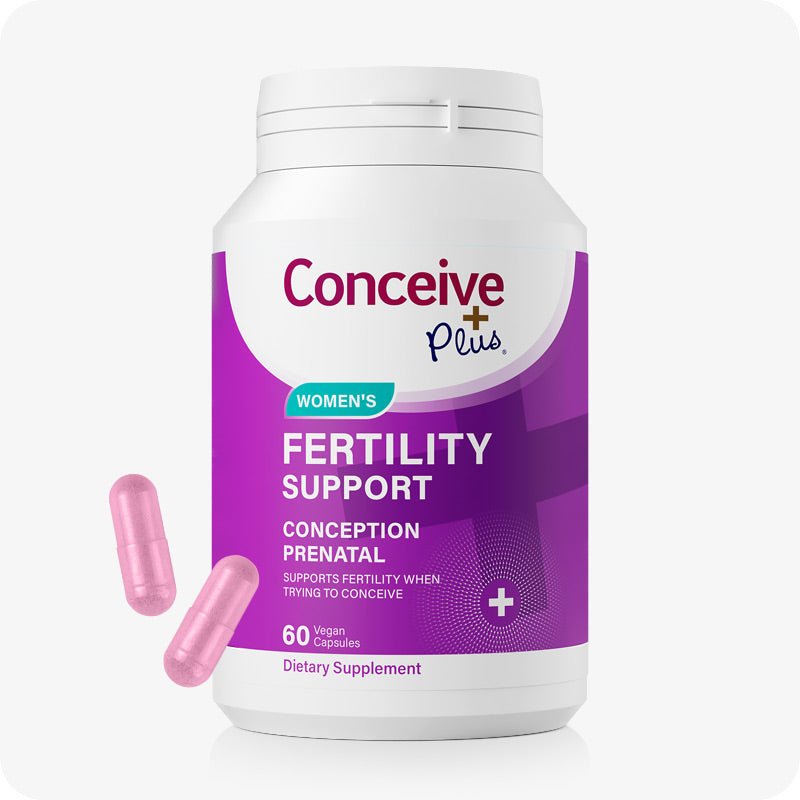
When choosing supplements for second pregnancy, you want formulations built specifically for conception — not generic prenatal vitamins. Conceive Plus offers a comprehensive range of fertility supplements designed with evidence-based ingredients and doses that matter. Unlike standard prenatals that cover minimum daily requirements, Conceive Plus targets preconception optimization: methylfolate over folic acid, clinically relevant CoQ10 doses, calcium and magnesium in fertility-supportive ratios, and antioxidant complexes proven to protect egg and sperm DNA.
Whether you're starting the TTC #2 journey or have been trying for a few months, Conceive Plus supplements are formulated for the real challenges couples face — including the specific depletion patterns common after a first pregnancy. Explore the full range at conceiveplus.com/collections/fertility-supplements and find the right stack for your situation.
Male Fertility Supplements for TTC #2: Don't Overlook Your Partner
One of the most common mistakes couples make when addressing secondary infertility is focusing exclusively on the female partner. But male factor issues contribute to infertility in 40–50% of cases — and male fertility is not immune to the passage of time or lifestyle changes.
Between your first and second child, your partner may have experienced:
- Increased work stress (elevated cortisol suppresses testosterone and sperm production)
- Less sleep (directly linked to reduced testosterone levels)
- Weight gain (adipose tissue converts testosterone to estrogen)
- Reduced exercise (associated with lower sperm quality)
Key supplements for male fertility include zinc, selenium, vitamin C, vitamin E, CoQ10, L-carnitine, and lycopene. Conceive Plus offers comprehensive male fertility formulas containing these evidence-based nutrients in clinically relevant doses. Research shows zinc alone can increase testosterone levels and improve sperm concentration, while CoQ10 has been shown to improve sperm motility in multiple randomized trials.
Both partners beginning quality supplementation 3–6 months before your target conception window gives the best results, since sperm take approximately 74 days (about 10 weeks) to fully mature.
TTC After First Baby: Timing and Lifestyle Considerations
Beyond supplements for second pregnancy, timing and lifestyle optimization significantly influence your outcomes:
Spacing Between Pregnancies
The WHO recommends waiting at least 18 months after a live birth before conceiving again. This allows the body to restore nutritional reserves and reduces risks including preterm birth and low birth weight. If you're trying sooner, emphasizing nutritional rehabilitation through diet and targeted supplements becomes even more important.
Breastfeeding and Fertility
Lactational amenorrhea (absence of periods while exclusively breastfeeding) can suppress ovulation — but it's not reliable contraception beyond 6 months. Once menstruation returns, fertility typically follows within a few cycles. However, cycle regularity and hormonal patterns may take several months to normalize fully, particularly if you breastfed for an extended period.
Optimizing Preconception Nutrition
A Mediterranean-style diet rich in leafy greens, legumes, fatty fish, whole grains, and healthy fats has the strongest evidence base for fertility support. Reduce ultra-processed foods, refined carbohydrates, and trans fats, which negatively impact both male and female fertility parameters.
Managing Stress
This one is real — and often underestimated. Chronic stress from parenting elevates cortisol, which suppresses the hypothalamic-pituitary-gonadal axis. Prioritizing sleep (even imperfect sleep), daily movement, mindfulness, and social support is not just good wellness advice — it's reproductive medicine.
When to Seek Specialist Help
If you've been trying for your second child for 12 months without success (or 6 months if you're over 35), it's time to consult a reproductive endocrinologist. Secondary infertility is a medical condition that warrants investigation, which typically includes:
- Day 3 hormone panel (FSH, LH, estradiol, AMH) to assess ovarian reserve
- Semen analysis for your partner
- Hysterosalpingography (HSG) to check tubal patency
- Thyroid panel (TSH, T3, T4) — thyroid dysfunction is common postpartum and significantly impacts fertility
- Prolactin levels — particularly if you've been breastfeeding
Beginning targeted supplements for second pregnancy while pursuing evaluation is not contraindicated — it's often encouraged. Many reproductive endocrinologists specifically recommend nutrient optimization before beginning any assisted reproductive technology (ART).
Conceive Plus for TTC #2: Why Thousands of Second-Time Parents Choose Us
The Conceive Plus brand was built for real TTC journeys — including the complex, emotional, and often surprising experience of trying for a second child. With formulas developed in collaboration with fertility specialists, Conceive Plus supplements provide the nutrient precision that generic prenatals simply don't offer.
Our fertility supplement range includes women's fertility formulas, men's fertility formulas, omega-3 complexes, and specialized support products — everything you need to approach your second pregnancy with confidence. Visit conceiveplus.com/collections/fertility-supplements to explore the complete Conceive Plus TTC supplement range.
FAQ: Supplements for Second Pregnancy
Q: Should I start supplements for second pregnancy as soon as I stop breastfeeding?
A: Ideally, begin preconception supplementation at least 3 months before you plan to start trying. This gives time to restore nutrient stores and optimize egg quality, which takes roughly 90 days (one follicular development cycle).
Q: Can I use the same prenatal vitamins I took during my first pregnancy?
A: Standard prenatals may not provide optimal doses for preconception. Look for supplements specifically formulated for TTC — like Conceive Plus — that include methylfolate rather than folic acid, higher CoQ10, and targeted fertility nutrients.
Q: Do supplements for second pregnancy help with secondary infertility?
A: Targeted supplementation addresses common contributing factors like nutritional deficiency, poor egg quality (CoQ10), irregular ovulation (inositol), and hormonal imbalances (vitamin D, magnesium). While supplements alone don't treat structural infertility causes, they improve the overall fertility environment significantly.
Q: My partner's semen analysis was normal for our first child. Do they still need supplements?
A: Sperm quality can change over time due to age, lifestyle, and health changes. A current semen analysis is worthwhile, and supplementation with zinc, CoQ10, and antioxidants is beneficial even when parameters appear within normal range, as it optimizes DNA integrity.
Q: How long should both partners take fertility supplements before trying to conceive?
A: The standard recommendation is 3–6 months for both partners. Sperm take approximately 74 days to fully develop, so male supplementation benefits are only realized after this window. For women, 3 months is the minimum for meaningful egg quality improvement.
Q: Does breastfeeding affect the effectiveness of fertility supplements?
A: While breastfeeding, your body prioritizes milk production, which can affect how nutrients are partitioned. Continuing a high-quality prenatal or transitioning to a preconception supplement is recommended during extended breastfeeding to ensure your own stores are maintained.
Q: Are there supplements that help with postpartum hormonal balance before TTC #2?
A: Yes — vitamin D, magnesium glycinate, omega-3s, and adaptogens like ashwagandha can support postpartum hormonal recovery. Always check with your healthcare provider before adding adaptogens, particularly while breastfeeding.
Q: Can I take CoQ10 alongside my prenatal vitamins?
A: Yes, CoQ10 is safe and commonly recommended alongside prenatal or preconception vitamins. It's fat-soluble, so take it with a meal containing fat for best absorption. Many fertility specialists recommend 200–600 mg daily for women over 35 trying to conceive.
Q: Is there a Conceive Plus supplement specifically for trying for a second baby?
A: Conceive Plus offers women's and men's fertility supplement ranges that are ideal for TTC #2 — providing preconception-optimized nutrients rather than pregnancy maintenance doses. The women's formula includes methylfolate, CoQ10, vitamin D3, and a comprehensive mineral blend. The men's formula targets sperm health with zinc, selenium, L-carnitine, and antioxidants.
Q: When should I see a doctor about secondary infertility?
A: See a reproductive specialist after 12 months of trying without success (under 35) or 6 months (35 and older). If you have a known condition like PCOS, endometriosis, or irregular cycles, earlier evaluation is recommended. Starting quality supplements while awaiting your appointment is time well spent.
Ready to start your TTC #2 journey with the right support? Browse the full Conceive Plus fertility supplement collection — designed for couples who know what they want and want the science-backed tools to get there. Shop now at conceiveplus.com/collections/fertility-supplements.
✨ Ready to support your fertility journey? Discover the full range of Conceive Plus fertility supplements — formulated by fertility specialists, trusted by thousands of couples worldwide.