IVF Supplements Before Egg Retrieval: What to Take and Why It Matters


IVF Supplements Before Egg Retrieval: What to Take and Why It Matters
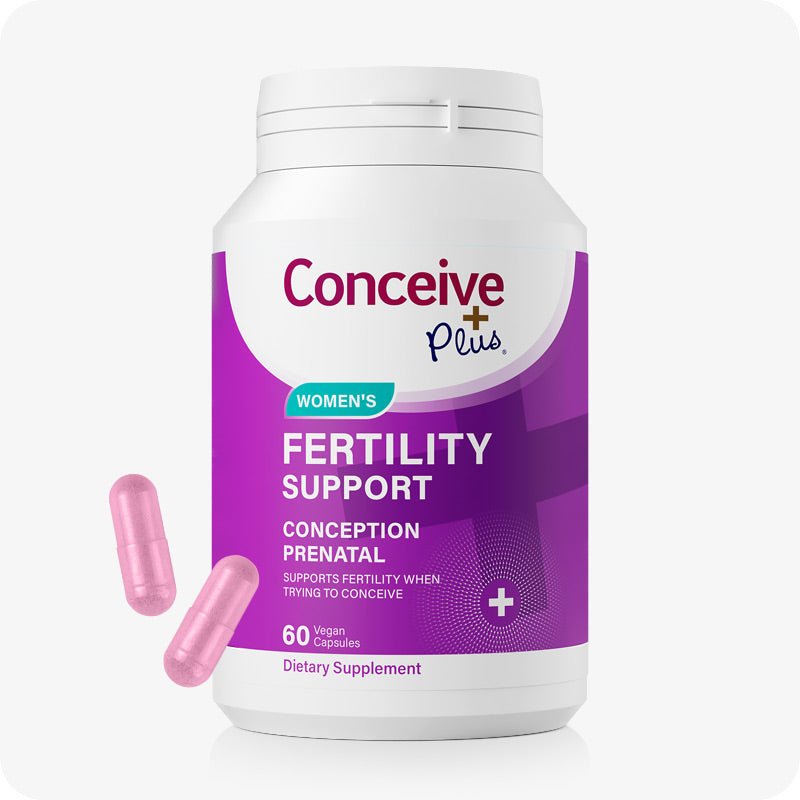
If you're preparing for IVF, the weeks before egg retrieval are arguably the most critical window you have to influence your cycle's outcome. IVF supplements before egg retrieval have become a cornerstone of reproductive medicine, with many fertility specialists now recommending structured supplement protocols 60–90 days prior to stimulation. This comprehensive guide breaks down exactly which IVF fertility supplements have the strongest clinical evidence, how they work, and how Conceive Plus can support your pre-IVF preparation.
Why Supplements Matter in the Months Before IVF
Egg quality — not just quantity — is one of the most significant factors determining IVF success. Egg development (oogenesis) takes approximately 90 days (three menstrual cycles) from recruitment to ovulation. This means what you take today directly affects the eggs that will be retrieved in your upcoming cycle.
Oxidative stress is one of the chief enemies of oocyte quality. Free radicals can damage mitochondrial DNA within eggs, impair fertilisation, and reduce embryo viability. Antioxidant supplements work to neutralise this damage. Beyond antioxidants, specific micronutrients support follicular development, hormonal signalling, and uterine receptivity.
A 2022 meta-analysis published in Reproductive Biomedicine Online found that women taking targeted antioxidant supplements before IVF had significantly higher rates of mature oocytes, fertilised eggs, and clinical pregnancies compared to controls. The three-month pre-cycle window is your intervention opportunity. Conceive Plus offers targeted IVF supplements before egg retrieval designed to fill these critical nutritional gaps.
CoQ10 Before IVF: The Mitochondrial Powerhouse
Ready to support your fertility journey?
Conceive Plus offers clinically formulated fertility supplements and lubricants trusted by couples worldwide.
Shop Conceive Plus →Coenzyme Q10 (CoQ10) is perhaps the most widely studied supplement for IVF supplements before egg retrieval. Eggs are the most mitochondria-dense cells in the human body — they need massive energy reserves to complete meiosis and support early embryo development. CoQ10 is essential for mitochondrial energy production (ATP synthesis).
Research from Cornell University demonstrated that supplementing with 600 mg/day of CoQ10 for 2 months before IVF stimulation in women over 35 resulted in more mature oocytes, higher fertilisation rates, and better quality embryos. A 2020 Cochrane-adjacent review found CoQ10 may improve ovarian response in poor responders.
Recommended dose: 200–600 mg daily of ubiquinol (the active, reduced form) for at least 60 days before retrieval
Timing: Take with a fat-containing meal for best absorption
Conceive Plus IVF supplements include CoQ10 as a core ingredient, formulated for optimal bioavailability alongside the other key nutrients your eggs need in this critical window. Using IVF supplements before egg retrieval consistently is what delivers results.
DHEA: Supporting Ovarian Reserve and Response
Dehydroepiandrosterone (DHEA) is an androgenic precursor hormone produced by the adrenal glands. Its role in IVF supplements before egg retrieval is particularly relevant for women with diminished ovarian reserve (DOR), poor responders, or those with elevated FSH levels.
DHEA supplementation has been shown in multiple studies to:
- Increase antral follicle count (AFC) — the pool of recruitable follicles
- Improve AMH levels in some women with DOR
- Reduce FSH levels in poor responders
- Improve egg and embryo quality in subsequent IVF cycles
- Increase live birth rates in poor-responder populations
A landmark study at NYU Langone's fertility centre found that poor responders taking 75 mg/day of DHEA for 4+ months before IVF had significantly higher live birth rates. Guidelines from the Center for Human Reproduction in New York now recommend DHEA for poor responders as standard protocol.
Important: DHEA should only be taken under the guidance of your fertility specialist. It is not appropriate for all women, particularly those with PCOS or elevated androgens.
Recommended dose: 25–75 mg daily, starting at least 6–12 weeks before egg retrieval
Vitamin D: The Overlooked IVF Essential
Vitamin D deficiency is extraordinarily common — affecting up to 50% of the general population and potentially higher rates among women undergoing fertility treatment. This matters enormously because vitamin D receptors are present throughout the reproductive system, including in ovarian follicles, the uterine lining, and implantation sites.
A large systematic review of 11 studies published in Human Reproduction Update found that women with sufficient vitamin D levels (≥30 ng/mL) had significantly higher rates of clinical pregnancy, ongoing pregnancy, and live birth after IVF compared to deficient women.
Vitamin D influences IVF outcomes through multiple mechanisms:
- Regulates immune tolerance necessary for embryo implantation
- Supports endometrial receptivity via Hoxa10 gene expression
- Modulates follicular development and oocyte maturation
- Anti-inflammatory effects in the uterine environment
Recommended dose: 1,000–4,000 IU daily (test first and aim for 40–60 ng/mL serum levels)
Omega-3 Fatty Acids: Reducing Inflammation, Supporting Embryo Quality
Omega-3 fatty acids — particularly EPA and DHA — play multiple roles in preparing for IVF supplements before egg retrieval. Inflammation is a key driver of poor egg quality and impaired implantation. Omega-3s are potent anti-inflammatories that also influence prostaglandin balance, blood flow to the uterus, and cell membrane fluidity.
A 2021 randomised controlled trial found that women supplementing with omega-3s before IVF had significantly higher numbers of top-quality embryos and better endometrial thickness. The omega-3 to omega-6 ratio in follicular fluid has been linked to oocyte maturity and fertilisation rates.
DHA is also critical for fetal brain development in early pregnancy — starting supplementation before conception ensures adequate levels from day one.
Recommended dose: 1,000–2,000 mg EPA+DHA daily
Conceive Plus vs Pre-Seed: Supporting Your Cycle During IVF Prep
Many women undergoing IVF also experience vaginal dryness — a common side effect of fertility medications, stress, and hormonal fluctuations. Using the right lubricant during this time matters.
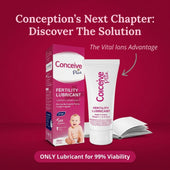
Standard lubricants are cytotoxic to sperm and disrupt vaginal pH. For those doing IUI alongside or preparing for natural conception, a sperm-friendly option is essential. Conceive Plus lubricant is the only FDA-cleared fertility lubricant containing calcium and magnesium ions that support sperm motility — unlike Pre-Seed, which lacks these key ions. Conceive Plus maintains a sperm-supportive pH of 7.2–8.0 and an iso-osmotic formula that mimics natural fertile cervical mucus. When considering what to take before IVF, don't overlook lubricant choice as part of your complete protocol.
Folate (Methylfolate): Critical for Egg and Embryo DNA Integrity
Folic acid is universally recommended before and during pregnancy, but women planning IVF have additional reasons to prioritise folate — and to choose the right form. Up to 40–60% of the population carries MTHFR gene variants that impair conversion of synthetic folic acid to its active form, L-methylfolate (5-MTHF).
For IVF fertility supplements, adequate folate is needed for:
- DNA synthesis and repair in rapidly dividing embryonic cells
- Methylation processes that regulate gene expression in early development
- Reducing chromosomal abnormalities in embryos
- Neural tube formation once pregnancy is achieved
Research indicates that women with higher red blood cell folate levels have better IVF outcomes. Using methylfolate (rather than synthetic folic acid) ensures delivery of the active form regardless of MTHFR status.
Recommended dose: 400–800 mcg of L-methylfolate (5-MTHF) daily — at least 3 months before IVF
Conceive Plus supplements for IVF include methylfolate rather than synthetic folic acid, ensuring maximum bioavailability for all women regardless of genetic variation.
Building Your IVF Supplement Protocol: A Complete Timeline
The ideal approach to IVF supplements before egg retrieval is to start early and supplement systematically. Here is a recommended timeline:
3 months (90 days) before retrieval:
- Begin CoQ10 (ubiquinol) 400–600 mg/day
- Start methylfolate 400–800 mcg/day
- Initiate vitamin D (after testing)
- Begin omega-3 fatty acids 1,000–2,000 mg EPA+DHA
- Start a comprehensive prenatal including zinc, selenium, B12, iron
If poor responder or advised by specialist:
- DHEA 25–75 mg/day (start 6–12 weeks before retrieval, under medical supervision)
2 weeks before retrieval:
- Continue all supplements for IVF unless your RE advises otherwise
- Some REs recommend stopping certain supplements at stimulation start — follow their guidance
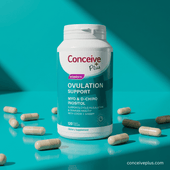
Conceive Plus offers a complete fertility supplement range designed to support women preparing for IVF, covering all major evidence-backed nutrients in a streamlined daily protocol.
What to Avoid Before Egg Retrieval
Equally important as knowing what to take before IVF is knowing what to eliminate. High-dose vitamin A (retinol) can be teratogenic — choose prenatal vitamins with beta-carotene instead. Herbal supplements including black cohosh, vitex (chasteberry), and dong quai can interfere with fertility medications. High-dose vitamin E (over 400 IU/day) may act as a blood thinner. Alcohol and cigarette smoke dramatically increase oxidative stress in follicular fluid.
Always review your full supplement list with your reproductive endocrinologist before and during your IVF cycle.
Frequently Asked Questions: IVF Supplements Before Egg Retrieval
Q: When should I start taking IVF supplements before egg retrieval?
A: Ideally 3 months (90 days) before retrieval, as this covers the full maturation cycle of a developing oocyte. Some supplements like DHEA may need to be started even earlier (4–6 months) for best results in poor responders.
Q: Is CoQ10 the most important IVF supplement?
A: CoQ10 has the strongest evidence base for improving egg quality in IVF. However, vitamin D, omega-3s, methylfolate, and DHEA (for poor responders) are all important — a comprehensive protocol tends to outperform single-supplement approaches.
Q: What is the best form of CoQ10 for IVF — ubiquinone or ubiquinol?
A: Ubiquinol is the active, reduced form and is more bioavailable, especially in women over 35. If your supplement uses ubiquinone, you may need a higher dose to achieve equivalent blood levels.
Q: Can my partner also take fertility supplements before IVF?
A: Absolutely. Male fertility supplements including CoQ10, zinc, selenium, omega-3s, and vitamin C can improve sperm DNA fragmentation, motility, and count. Sperm take approximately 72 days to mature, so starting 3 months before egg retrieval is ideal for men as well.
Q: Do I need to stop supplements when I start IVF stimulation?
A: Guidelines vary by clinic and specialist. Most REs advise stopping DHEA and high-dose antioxidants at stimulation start, but continuing folate, vitamin D, and omega-3s. Always follow your clinic's specific protocol.
Q: Can IVF supplements replace ICSI or other advanced techniques?
A: No. Supplements optimise the quality of the gametes going into your cycle, but they do not replace clinical procedures. Think of them as maximising your biological starting point.
Q: Is there a specific prenatal vitamin that's best for IVF?
A: Look for one containing methylfolate (not synthetic folic acid), at least 400 IU vitamin D, bioavailable iron, and B12. Conceive Plus fertility supplements are formulated for women preparing for conception, including IVF.
Q: How do I know if my IVF supplement protocol is working?
A: You'll get feedback at retrieval — number of mature eggs, fertilisation rate, embryo grading. Some markers like AMH, AFC, and FSH may improve before retrieval with targeted supplementation. Consistent adherence over 60–90 days is the key.
Q: Is vitamin D really that important for IVF success?
A: Multiple large studies confirm a significant association between vitamin D sufficiency and IVF success rates. Get tested, and aim for serum 25-OH vitamin D levels between 40–60 ng/mL before your cycle.
Q: Where can I find IVF supplements that contain all the key nutrients?
A: Conceive Plus offers a range of fertility supplements tailored for women preparing for IVF and assisted reproduction, available at conceiveplus.com/collections/fertility-supplements.
Take the Next Step with Conceive Plus
Join hundreds of thousands of couples who trust Conceive Plus for their fertility journey. Our products are FDA-cleared, clinically researched, and designed for real results.
Explore Conceive Plus Products