Male Factor Infertility Supplements: What the Science Says About Improving Sperm Parameters


Male Factor Infertility Supplements: What the Science Says About Improving Sperm Parameters
When a couple struggles to conceive, the conversation often centres on the woman — her cycle, her hormones, her age. Yet male factor infertility supplements have become one of the most evidence-backed interventions available today, because male fertility contributes to roughly half of all cases where a couple cannot achieve pregnancy. Understanding which supplements for male infertility actually move the needle on sperm count, motility, morphology, and DNA integrity is essential for any man serious about fatherhood.
This guide covers the biology of male factor infertility, the specific sperm parameters that matter, and the nutrients — supported by clinical data — that help restore or enhance each one. Male factor infertility supplements are not a replacement for medical care, but for many men they represent a powerful and accessible first step.
What Is Male Factor Infertility?
Male factor infertility is defined as a sperm abnormality or delivery problem that reduces a couple's ability to conceive. According to the World Health Organization, roughly 50% of infertility cases involve a male-side contribution. In about 20–30% of cases, male infertility is the sole cause.
The four core parameters assessed during a semen analysis are:
- Sperm concentration (count): WHO reference ≥16 million/mL
- Total motility: ≥42% moving sperm
- Progressive motility: ≥30% moving forward purposefully
- Morphology: ≥4% normal forms (Kruger strict criteria)
Beyond these four, sperm DNA fragmentation is increasingly recognised as a predictor of IVF and ICSI success. High DNA fragmentation — even with otherwise normal parameters — raises miscarriage risk and reduces embryo quality. Most cases of male factor infertility are classified as idiopathic, meaning no anatomical cause can be identified. Oxidative stress is now the most widely cited mechanism behind idiopathic male infertility.
Why Oxidative Stress Damages Sperm Parameters
Ready to take action? Shop Conceive Plus fertility supplements →
Sperm cells are uniquely vulnerable to oxidative damage. Their plasma membranes are rich in polyunsaturated fatty acids (PUFAs), which are highly susceptible to lipid peroxidation by reactive oxygen species (ROS). Unlike somatic cells, mature sperm have minimal cytoplasm and therefore carry very limited antioxidant enzymes. They cannot repair DNA damage once it occurs.
Sources of excess ROS include smoking, chronic alcohol consumption, environmental toxins (phthalates, BPA, pesticides), obesity, varicocele, infections, psychological stress, and poor antioxidant nutrition. This is precisely where male factor infertility supplements demonstrate the most compelling evidence — by restoring antioxidant defences and providing critical micronutrients for spermatogenesis.
Key Male Factor Infertility Supplements: The Evidence
Coenzyme Q10 (CoQ10)
CoQ10 is an endogenous antioxidant and a critical component of the mitochondrial electron transport chain — the energy system that powers sperm motility. A 2015 Cochrane systematic review of six RCTs found CoQ10 supplementation significantly improved sperm concentration and motility in infertile men. A 2019 meta-analysis of 12 trials (n=1,176) reported that CoQ10 increased sperm motility by an average of 6.5 percentage points. Doses of 200–400 mg/day for 3–6 months are most commonly studied.
L-Carnitine and Acetyl-L-Carnitine
The epididymis contains the highest concentration of L-carnitine in the body. Carnitine facilitates mitochondrial fatty acid transport and is directly involved in sperm energy metabolism. Low seminal carnitine concentrations correlate strongly with impaired motility. A meta-analysis published in Reproductive Biology and Endocrinology (2020) analysed 9 RCTs involving 658 men and found L-carnitine supplementation significantly improved total and progressive motility. Typical dose: 1–2 g/day.
Zinc
Zinc is the most abundant trace element in seminal plasma, where it plays roles in testosterone synthesis, sperm maturation, DNA stabilisation, and acrosome function. Multiple clinical trials demonstrate that supplemental zinc (25–66 mg/day elemental zinc) improves motility and morphology, especially in deficient men.
Selenium
Selenium is incorporated into selenoproteins, including glutathione peroxidase (GPx), the primary antioxidant enzyme in sperm. GPx4 is found in sperm mitochondria and the mid-piece — critical for structural integrity and motility. A double-blind RCT found combined selenium and N-acetylcysteine supplementation for 26 weeks significantly improved sperm motility and morphology versus placebo. Typical dose: 100–200 mcg/day.
Folate (L-Methylfolate)
Folate is required for DNA synthesis and methylation, processes central to spermatogenesis. Men with MTHFR polymorphisms — which impair folate metabolism — show higher rates of sperm DNA fragmentation. A landmark study found men in the highest quartile of folate intake had 20% lower rates of sperm chromosomal abnormalities. The active form, L-methylfolate, bypasses MTHFR conversion issues entirely.
Vitamin C and Vitamin E
Seminal plasma vitamin C concentration is 10 times higher than in blood plasma. Studies show men taking 1,000 mg/day vitamin C for 60 days improved motility by 14% and significantly reduced sperm DNA oxidation markers. Vitamin E, as a lipid-soluble antioxidant, embeds in sperm membranes and directly protects PUFAs from lipid peroxidation. The combination of vitamin E + selenium is particularly well-studied in male infertility populations.
Lycopene
Lycopene, a carotenoid abundant in tomatoes, concentrates in the testes and has been shown in multiple studies to reduce oxidative DNA damage in sperm. A 2014 review of 14 trials found lycopene supplementation improved sperm concentration (+22%), motility (+21%), and morphology in men with idiopathic oligoasthenozoospermia. Dose: 4–8 mg/day.
Sperm Parameters Supplement Protocols by Diagnosis
Not all male factor diagnoses are the same. Here's how sperm parameters supplement use might be tailored by diagnosis:
- Oligozoospermia (Low Count): Priority nutrients are zinc, folate, selenium, and lycopene. These support spermatogenesis at the level of cell division and DNA synthesis.
- Asthenozoospermia (Low Motility): Priority nutrients are CoQ10, L-carnitine, acetyl-L-carnitine, vitamin E, and selenium. Mitochondrial energy production and membrane protection are the primary mechanisms.
- Teratozoospermia (Poor Morphology): Priority nutrients are folate, zinc, selenium, and vitamin C. DNA methylation fidelity and antioxidant protection during spermatid development drive morphology outcomes.
- High DNA Fragmentation: High-dose antioxidants (vitamin C, vitamin E, CoQ10), lycopene, and omega-3s. DNA fragmentation responds most dramatically to comprehensive antioxidant supplementation.
Conceive Plus Men's Fertility Support: A Comprehensive Protocol
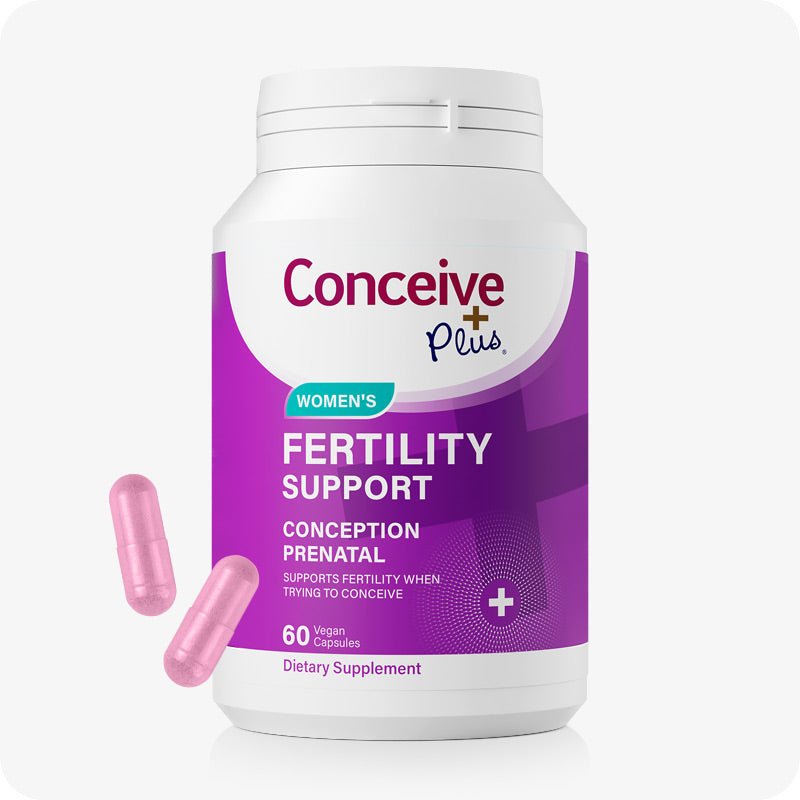
Conceive Plus Men's Fertility Support is formulated with clinically relevant doses of CoQ10, zinc, selenium, folate, vitamin C, vitamin E, and L-carnitine — the core nutrients with the strongest evidence for improving sperm parameters. Rather than taking 6–8 individual supplements daily, one product delivers the key antioxidant and micronutrient stack in a single protocol.
For men pursuing natural conception or preparing for IUI or IVF, Conceive Plus provides a science-backed foundation. It takes one full spermatogenesis cycle (approximately 72–90 days) to see meaningful changes in a semen analysis — so starting Conceive Plus 3 months before your planned conception window or ART cycle is ideal.
→ Shop Conceive Plus Men's Fertility Support at conceiveplus.com/collections/fertility-supplements
Conceive Plus vs Pre-Seed: Optimising the TTC Environment
While male factor infertility supplements work internally over months, optimising the conception environment matters too. Most lubricants — even water-based ones — can reduce sperm motility by 60–80% within 60 minutes.
Conceive Plus fertility lubricant is specifically formulated to be isotonic (matching seminal plasma osmolality) and pH-balanced to support sperm survival. It contains calcium and magnesium ions that support sperm function — nutrients required during the capacitation process. Pre-Seed is the other commonly mentioned sperm-friendly lubricant. While both are better than conventional lubricants, Conceive Plus is the only lubricant to incorporate Ca²⁺ and Mg²⁺ ions directly in its formula, matching the ionic environment of the female reproductive tract. It is also widely used in fertility clinics and available in single-use applicator format.
Lifestyle Factors That Amplify Male Factor Infertility Supplements
- Maintain scrotal temperature: Sperm production is optimal 2–4°C below core body temperature. Avoid hot tubs, saunas, laptops on the lap, and tight-fitting underwear for prolonged periods.
- Reduce alcohol: Even moderate alcohol (7+ drinks/week) reduces testosterone and increases oestrogen. Heavy drinking dramatically impairs all parameters.
- Quit smoking: Smoking is independently associated with 22% lower sperm concentration, 13% lower motility, and significantly higher DNA fragmentation.
- Achieve healthy weight: Obesity is associated with lower testosterone, higher oestrogens, and elevated scrotal temperature. Even a 5–10% weight reduction improves sperm parameters in overweight men.
- Manage stress: Chronic cortisol suppresses testosterone production. Regular exercise, sleep, and stress management support the HPG axis.
- Eat a Mediterranean-style diet: High in antioxidant-rich vegetables, fruits, olive oil, fatty fish, and whole grains; low in processed meats, trans fats, and refined sugar.
How Long Before Supplements Improve Sperm Parameters?
The honest answer: at minimum 3 months, ideally 6 months for full effect. Spermatogenesis takes approximately 72–90 days from stem cell to ejaculated sperm. Supplements therefore need to work through at least one full cycle before the measurable result appears in a semen analysis. Studies typically run for 90–180 days, and this is why the largest effect sizes are seen in longer trials.
Men undergoing IVF or ICSI should ideally start male factor infertility supplements at least 3 months before egg retrieval to ensure the sperm used for fertilisation represent the improved cohort produced under supplementation.
When to Seek Medical Evaluation
Natural optimisation is most appropriate for mild-to-moderate idiopathic cases. Seek specialist evaluation if you have severe oligozoospermia (<5 million/mL), azoospermia, abnormal hormone levels, persistent symptoms like low libido or gynaecomastia, or if no pregnancy has occurred after 12 months with a normal female evaluation. A urologist or reproductive endocrinologist specialising in male fertility can determine whether supplementation alone is sufficient or whether additional treatment (varicocelectomy, hormonal therapy, ART) is warranted.
Frequently Asked Questions: Male Factor Infertility Supplements
Q1: How do I know if I have male factor infertility?
A standard semen analysis ordered through a GP or urologist reveals count, motility, and morphology. If any parameter falls below WHO reference values, male factor infertility may be contributing. A DNA fragmentation test (e.g. SCSA or TUNEL assay) can also be requested, especially after multiple miscarriages or failed IVF cycles.
Q2: Can supplements reverse male infertility entirely?
In mild-to-moderate idiopathic cases, supplements combined with lifestyle changes can restore parameters to functional levels. Complete reversal depends on the underlying cause — anatomical, genetic, or severe hormonal factors may require additional medical intervention.
Q3: What is the best single supplement for sperm motility?
CoQ10 has the strongest evidence specifically for motility, followed by L-carnitine and acetyl-L-carnitine. However, a comprehensive multi-nutrient approach addressing count, motility, morphology, and DNA integrity simultaneously is more effective than any single nutrient.
Q4: Are male fertility vitamins safe with other medications?
Most are well-tolerated at standard doses. Zinc can interfere with copper absorption at very high doses (>40 mg/day). CoQ10 may interact with warfarin. Always disclose all supplements to your doctor if you are on medications.
Q5: Do sperm parameters supplement protocols work for men with varicocele?
Antioxidant supplementation is particularly beneficial in varicocele-associated infertility, where oxidative stress is markedly elevated. Post-surgical supplementation after varicocelectomy accelerates parameter recovery and is recommended by several reproductive guidelines.
Q6: How much CoQ10 should I take for sperm motility?
Studies use 200–400 mg/day of ubiquinol (the reduced, more bioavailable form) or 600 mg/day of ubiquinone. Ubiquinol is preferred for its superior absorption, especially in men over 35 whose endogenous CoQ10 production begins declining.
Q7: Does folic acid or methylfolate matter for men?
Both are effective, but methylfolate (5-MTHF) is preferable for men who may carry MTHFR gene variants. Men with MTHFR polymorphisms cannot efficiently convert folic acid to its active form, leaving DNA synthesis and methylation impaired during spermatogenesis.
Q8: Can diet alone improve sperm parameters without supplements?
A high-quality Mediterranean-style diet produces meaningful improvements, particularly in antioxidant status and hormonal environment. However, achieving therapeutic concentrations of CoQ10, selenium, and zinc through diet alone is difficult. Supplementation bridges the gap.
Q9: Is male factor infertility genetic?
Sometimes — Y-chromosome microdeletions, Klinefelter syndrome (XXY), and CFTR mutations are genetic causes. However, the majority of male factor infertility is not inherited; it is acquired through oxidative stress, lifestyle, or unknown idiopathic mechanisms.
Q10: When should I repeat a semen analysis after starting supplements?
Retest at 90 days minimum, ideally 120 days. This allows one full spermatogenesis cycle plus time for assessment. If parameters have not improved meaningfully after 6 months of consistent supplementation with optimised lifestyle, seek specialist urological or reproductive endocrine evaluation.
Start Your Protocol Today
Male factor infertility supplements represent a scientifically sound, accessible starting point for any man looking to optimise sperm parameters. The evidence for nutrients like CoQ10, zinc, selenium, L-carnitine, and folate is robust, the safety profile is excellent, and the timeline is predictable: 90 days to meaningful change.
Conceive Plus provides a complete, clinically informed male fertility supplement formulated for exactly this purpose. Pair it with Conceive Plus fertility lubricant for a complete TTC optimisation protocol.
→ Shop Conceive Plus Men's Fertility Support and take the first evidence-based step toward fatherhood.
Ready to take action? Shop Conceive Plus fertility supplements →