Endometriosis and Fertility: A Complete Guide to Understanding the Connection and Your Path to Parenthood


Understanding Endometriosis and Its Impact on Fertility
Endometriosis is a chronic gynaecological condition affecting approximately 1 in 10 women of reproductive age worldwide, according to the World Health Organization (WHO). It occurs when tissue similar to the endometrium — the lining of the uterus — grows outside the uterine cavity, commonly on the ovaries, fallopian tubes, and the pelvic lining. This misplaced tissue responds to hormonal changes each menstrual cycle, leading to inflammation, scarring, and adhesions that can significantly impair fertility.
The link between endometriosis and infertility is well-established. Research published in Human Reproduction Update (2024) found that 30–50% of women with endometriosis experience infertility, making it one of the most common causes of reduced fertility. The mechanisms are multifactorial: anatomical distortion from adhesions can block the fallopian tubes, inflammatory factors in the pelvic environment can impair egg quality and embryo implantation, and the condition has been associated with diminished ovarian reserve in some cases.
However — and this is critical — a diagnosis of endometriosis does not mean pregnancy is impossible. With the right medical management, lifestyle interventions, and fertility treatments, the vast majority of women with endometriosis can achieve a successful pregnancy.
"The most important message for women with endometriosis is that fertility is not automatically compromised," explains Dr. Sarah Mitchell, reproductive endocrinologist at the London Fertility Centre. "Many women with mild to moderate endometriosis conceive naturally. For those who need assistance, modern fertility treatments are remarkably effective."
How Endometriosis Affects Egg Quality and Ovarian Function
🌸 Nourish Your Fertility Journey
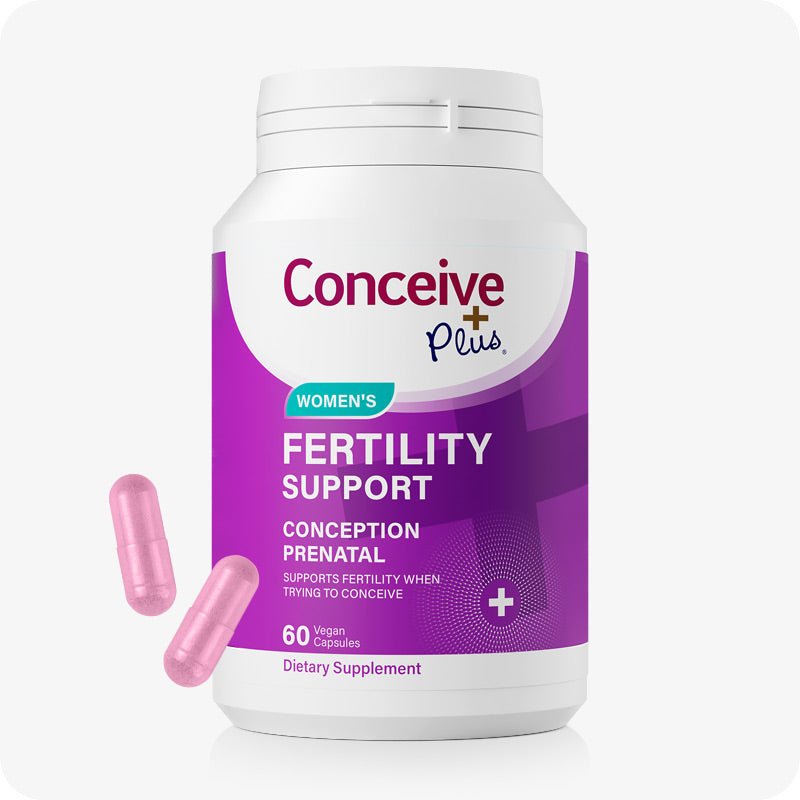
Conceive Plus Women's Fertility Support combines myo-inositol, CoQ10, vitamin D, and 12 more clinically studied nutrients. Discover the difference →
One of the most significant ways endometriosis impacts fertility is through its effect on ovarian function and egg quality. Endometriomas — sometimes called "chocolate cysts" — are ovarian cysts filled with old blood that can develop in women with endometriosis. These cysts can occupy space within the ovary, potentially compressing healthy ovarian tissue and reducing the number of available follicles.
The inflammatory environment created by endometriosis is particularly damaging to oocyte quality. Inflammatory cytokines such as interleukin-6 (IL-6) and tumour necrosis factor-alpha (TNF-α) are elevated in the peritoneal fluid of women with endometriosis, and these substances can directly impair the developmental potential of eggs. A 2023 meta-analysis in Fertility and Sterility demonstrated that women with endometriosis undergoing IVF had significantly lower fertilisation rates and fewer high-quality embryos compared to women without the condition, even when controlled for age.
Anti-Müllerian Hormone (AMH) levels — a marker of ovarian reserve — may also be reduced in women with endometriosis, particularly those with bilateral endometriomas. However, this varies greatly between individuals. Surgical removal of endometriomas must be approached with caution, as ovarian tissue can be inadvertently removed during cystectomy, potentially further reducing ovarian reserve.
For women with endometriosis trying to conceive, optimising egg quality becomes paramount. The Conceive Plus Women's Fertility Support formula contains key nutrients including myo-inositol, CoQ10, vitamin D, and zinc — each of which has been studied for its role in improving oocyte quality and supporting healthy ovarian function.
Inflammation, Implantation, and the Pelvic Environment
Beyond egg quality, endometriosis creates a hostile pelvic environment that can interfere with every step of the conception process. The chronic inflammation associated with endometriosis affects the fallopian tubes, the uterus, and the peritoneal cavity — all critical environments for natural conception.
The fallopian tubes may become blocked or partially obstructed due to adhesions, preventing the egg and sperm from meeting. Even when the tubes are patent (open), the function of the fimbriae — the finger-like projections that capture the egg after ovulation — may be impaired by surrounding adhesions or inflammation.
Implantation is another area of concern. The endometrial lining may be affected by the same inflammatory processes, potentially reducing its receptivity to an implanting embryo. Research suggests that women with endometriosis have altered endometrial gene expression during the window of implantation, which may explain higher implantation failure rates in both natural and assisted reproduction cycles.
Interestingly, the use of a fertility-friendly lubricant during intercourse may be particularly beneficial for women with endometriosis. Standard personal lubricants can impair sperm motility and DNA integrity due to their osmolality and pH. Conceive Plus Fertility Lubricant is formulated to mimic the ionic balance and pH of fertile cervical mucus, providing a sperm-friendly environment that supports motility and survival.
Medical and Surgical Treatment Options for Endometriosis-Related Infertility
The approach to treating endometriosis-related infertility depends on several factors: the stage of the disease, the woman's age, the duration of infertility, and whether pain symptoms are present.
Medical Management: Hormonal therapies such as GnRH agonists, oral contraceptives, and progestins are effective for managing pain symptoms but are not fertility treatments — they suppress ovulation. For women actively trying to conceive, pain management may involve NSAIDs, which do not interfere with ovulation.
Surgical Treatment: Laparoscopic excision of endometriosis lesions is the gold standard for both diagnosis and treatment. For women with Stage I–II endometriosis, surgical excision has been shown to improve spontaneous pregnancy rates. A landmark randomised controlled trial published in Human Reproduction found that laparoscopic excision of minimal to mild endometriosis significantly improved fertility outcomes, with a cumulative pregnancy rate of 31% in the treated group versus 18% in the diagnostic-only group at 12 months.
For women with endometriomas, surgical cystectomy may be recommended, but the decision must balance the benefit of removing the cyst against the potential risk of damaging healthy ovarian tissue.
Assisted Reproductive Technology (ART): IVF is often the most effective route to pregnancy for women with moderate to severe endometriosis. A 2024 study in the Journal of Assisted Reproduction and Genetics reported live birth rates per embryo transfer of 35–45% in women with endometriosis undergoing IVF, comparable to age-matched controls.
Lifestyle Strategies to Support Fertility with Endometriosis
While medical treatment is often necessary, lifestyle modifications can play a powerful supporting role. The inflammatory nature of endometriosis means that anti-inflammatory dietary patterns and lifestyle habits may be particularly beneficial.
Anti-Inflammatory Diet: A Mediterranean-style diet rich in fruits, vegetables, whole grains, fatty fish, and healthy fats has been associated with reduced endometriosis-related inflammation. Key foods include leafy greens, berries, turmeric, ginger, fatty fish, nuts, and seeds. Reducing red meat, processed foods, and trans fats is also recommended.
Targeted Supplementation: Vitamin D deficiency has been linked to endometriosis risk and severity. N-acetylcysteine (NAC) has demonstrated antioxidant and anti-inflammatory effects. Zinc is essential for egg maturation and immune regulation. The Conceive Plus Women's Fertility Support formula provides a comprehensive blend designed to support hormonal balance, egg quality, and a healthy inflammatory response.
Stress Management: Chronic stress elevates cortisol levels, which can exacerbate inflammation and disrupt the delicate hormonal balance required for ovulation. Mindfulness-based stress reduction, gentle yoga, acupuncture, and adequate sleep are all valuable tools.
Exercise: Moderate, regular exercise has anti-inflammatory effects and can improve overall well-being. Aim for 30 minutes of moderate activity most days, but avoid excessive high-intensity training which may increase oxidative stress.
Sleep Optimisation: Poor sleep is associated with increased inflammation and hormonal disruption. Prioritise 7–9 hours of quality sleep per night, maintain a consistent sleep schedule, and create a cool, dark sleeping environment.
Navigating Emotional Health with Endometriosis
The emotional toll of endometriosis — particularly when combined with fertility challenges — cannot be overstated. Chronic pain, unpredictable symptoms, and the uncertainty of conception create a unique burden. Studies show that women with endometriosis have higher rates of anxiety and depression than the general population, and these mental health challenges can further impact fertility through hormonal pathways.
Seeking support is not a sign of weakness. Fertility counsellors, support groups (both in-person and online), and therapists who specialise in chronic illness can provide invaluable tools for coping. Partners should also be encouraged to seek support, as the secondary impact of endometriosis on relationships is well-documented.
A 2023 systematic review found that women who participated in structured mind-body programmes had both improved psychological outcomes and, notably, higher pregnancy rates compared to those who did not. This suggests that emotional wellbeing is not separate from fertility — it is an integral component of it.
Frequently Asked Questions
Q: Can you get pregnant naturally with endometriosis?
A: Yes. Many women with mild to moderate endometriosis conceive spontaneously. Studies suggest that after laparoscopic excision, spontaneous pregnancy rates improve significantly.
Q: Does endometriosis get worse with age?
A: Endometriosis symptoms may change over time, but the condition does not necessarily progress linearly. However, the combination of endometriosis with age-related fertility decline makes earlier family planning discussion advisable.
Q: Should I have surgery before trying IVF?
A: This depends on the individual case. For large endometriomas or significant pain, surgery may be recommended. For minimal disease without symptoms, proceeding directly to IVF may be appropriate. Discuss with your reproductive specialist.
Q: Can diet cure endometriosis?
A: Diet cannot cure endometriosis, but an anti-inflammatory diet can significantly reduce symptoms and support overall reproductive health.
Q: Does endometriosis affect egg quality permanently?
A: The inflammatory environment affects egg quality during each cycle. After surgical removal of endometriosis lesions, or with medical suppression of inflammation, egg quality can improve.
Q: Is IVF less successful with endometriosis?
A: Modern IVF success rates for women with endometriosis are approaching those of age-matched controls, particularly when pre-treatment with GnRH agonists is used and when personalised stimulation protocols are applied.
Q: Can endometriosis cause miscarriage?
A: Some studies suggest a modest increase in miscarriage risk, particularly in women with more advanced disease. However, most women with endometriosis who become pregnant go on to have healthy pregnancies.
Q: What supplements help with endometriosis and fertility?
A: Myo-inositol, vitamin D, zinc, CoQ10, NAC, and omega-3 fatty acids all show evidence of benefit. Conceive Plus Women's Fertility Support combines many of these in optimal ratios.
Q: Should I freeze my eggs if I have endometriosis?
A: Fertility preservation may be worth discussing, particularly if you have bilateral endometriomas, reduced AMH, or are facing surgery that could impact ovarian reserve.
Q: Does pregnancy help endometriosis?
A> Pregnancy often provides temporary relief from endometriosis symptoms due to the hormonal changes (elevated progesterone, absence of menstruation). However, symptoms may return after childbirth.
Your Fertility, Your Journey — We're Here to Help
Every fertility journey is unique. Conceive Plus is committed to providing science-backed solutions that address the real challenges of conception.
Questions? Contact us anytime.