Ovulation Support Supplement: What Helps You Ovulate Regularly in 2026


Ovulation Support Supplement: What Helps You Ovulate Regularly in 2026
If you're trying to conceive, understanding your ovulation cycle is one of the most powerful steps you can take. For many women, though, ovulation isn't always predictable — or even regular. That's where an ovulation support supplement can make a significant difference. Whether you're dealing with irregular cycles, PCOS, hormonal imbalances, or simply want to optimise your body's natural rhythm, the right supplements can provide meaningful, science-backed support.
In this comprehensive guide, we'll walk you through everything you need to know about ovulation support supplements: which nutrients matter most, what the research shows, how to time supplementation, and which products are worth your investment. Conceive Plus has become a trusted name in fertility supplementation, and we'll show you why their women's fertility supplements are consistently recommended by healthcare providers worldwide.
What Is Ovulation and Why Does Regular Ovulation Matter?
Ovulation is the process by which a mature egg is released from the ovary, travels down the fallopian tube, and becomes available for fertilisation. For most women with a 28-day cycle, ovulation occurs around day 14 — but cycles vary significantly, and "regular" ovulation can occur anywhere from day 11 to day 21 depending on cycle length.
Regular ovulation is essential for conception. Without it, there's no egg to fertilise. According to the World Health Organization, anovulation (the absence of ovulation) accounts for approximately 30% of female infertility cases. Even irregular or inconsistent ovulation — where you ovulate sometimes but not predictably — can significantly reduce your chances of conception in any given cycle.
Signs of regular, healthy ovulation include:
- A consistent cycle length (21–35 days is considered normal)
- A clear fertile window with cervical mucus changes
- A detectable LH surge on ovulation predictor kits (OPKs)
- A slight temperature rise (basal body temperature) after ovulation
- Mild mid-cycle cramping (mittelschmerz)
If your cycles are irregular, very short, very long, or absent, it may indicate anovulation or oligo-ovulation (infrequent ovulation). Speaking with your OB-GYN or reproductive endocrinologist is always the first step — and incorporating a quality ovulation support supplement may be a valuable part of your care plan.
Key Nutrients in an Effective Ovulation Support Supplement
Ready to support your fertility naturally?
Conceive Plus fertility supplements are trusted by healthcare providers worldwide. Start your journey today.
Shop Conceive Plus Supplements →Not all fertility supplements are created equal. The most effective ovulation support supplements contain a carefully researched combination of vitamins, minerals, and botanical compounds that work synergistically to support hormonal balance, egg quality, and regular ovulatory cycles. Here's what the science says about the most important ingredients:
Inositol (Myo-Inositol and D-Chiro-Inositol)
Inositol is arguably the most studied nutrient specifically for ovulation support, particularly for women with PCOS. Myo-inositol (MI) and D-chiro-inositol (DCI) are two forms of inositol that play key roles in insulin signalling and FSH (follicle-stimulating hormone) activity. A meta-analysis published in the European Review for Medical and Pharmacological Sciences found that myo-inositol supplementation significantly improved ovulation rates, menstrual regularity, and hormonal profiles in women with PCOS. The most effective ratio appears to be 40:1 MI:DCI, which mirrors the body's natural physiological ratio.
Folate (as Methylfolate)
Folate is perhaps the best-known fertility nutrient, but the form matters. Many women have a common MTHFR gene variant that reduces their ability to convert synthetic folic acid into its active form. Methylfolate (5-MTHF) is the bioavailable form that bypasses this conversion step. Beyond its well-known role in neural tube defect prevention, folate is essential for DNA synthesis, cell division, and the production of healthy eggs. Studies show that adequate folate intake is associated with a lower risk of ovulatory infertility.
Vitamin D
Vitamin D deficiency is remarkably common, affecting an estimated 41% of American adults — and its impact on fertility is significant. Vitamin D receptors are found throughout the female reproductive system, including in ovarian follicles. Research published in the Journal of Clinical Endocrinology & Metabolism found that women with sufficient vitamin D levels had significantly higher rates of successful ovulation and clinical pregnancy compared to deficient women. Optimal vitamin D levels (40–60 ng/mL) are associated with better hormonal balance and improved fertility outcomes.
CoQ10 (Coenzyme Q10)
CoQ10 is a powerful antioxidant that plays a critical role in cellular energy production. In the context of ovulation, CoQ10 supports the mitochondrial function within egg cells, which is essential for proper egg maturation and ovulation. As women age, CoQ10 levels naturally decline. A landmark study from the University of Toronto found that CoQ10 supplementation significantly improved ovarian response and egg quality, particularly in women over 35. For ovulation support, ubiquinol (the active, reduced form of CoQ10) is typically better absorbed than ubiquinone.
Vitex (Chasteberry)
Vitex agnus-castus, commonly known as chasteberry, is a botanical that has been used for centuries to support menstrual regularity. Modern research suggests it works by modulating dopamine receptors in the pituitary gland, which in turn supports healthy progesterone levels and luteal phase function. Studies have found that vitex supplementation can help normalise irregular cycles and support ovulation in women with luteal phase defect or mild hyperprolactinaemia. It typically takes 2–3 months of consistent use to see meaningful results.
N-Acetyl Cysteine (NAC)
NAC is a precursor to glutathione, the body's master antioxidant. In the reproductive system, NAC's antioxidant properties help protect developing follicles from oxidative damage. Several studies have examined NAC's role in supporting ovulation in women with PCOS, with findings suggesting improved ovulation rates and insulin sensitivity. NAC may also support endometrial receptivity, which is important for implantation after ovulation occurs.
B Vitamins (B6, B12)
B vitamins play essential roles in hormonal balance and ovulation. Vitamin B6 supports progesterone production and may help regulate the luteal phase. Studies have shown a correlation between B6 intake and reduced risk of ovulatory infertility. B12 is important for cell division and DNA replication during follicular development. Together with folate, B vitamins work through the methylation cycle to support overall reproductive health.
Zinc
Zinc is an essential mineral for female fertility, playing roles in folliculogenesis (follicle development), ovulation, and fertilisation. Research shows that zinc is required for the LH surge that triggers ovulation. Zinc deficiency has been associated with irregular menstrual cycles and impaired ovulation. Adequate zinc intake — typically 8–11 mg/day for adult women — is important both before and during early pregnancy.
Inositol for Ovulation: The Evidence Deep Dive
Given the robust research on inositol, it deserves a closer look. Inositol deficiency or impaired inositol signalling is increasingly recognised as a key driver of ovulatory dysfunction, particularly in PCOS and insulin-resistant states.
Here's what the clinical research shows:
- PCOS and Ovulation: A randomised controlled trial in Gynecological Endocrinology found that myo-inositol (4g/day) restored spontaneous ovulation in 69% of anovulatory women with PCOS, compared to 21% in the placebo group.
- Cycle Regularity: Studies demonstrate that the 40:1 MI:DCI ratio is the most physiologically appropriate and consistently produces better outcomes for cycle normalisation than either form alone.
- Hormonal Profile: Myo-inositol supplementation has been shown to reduce androgens (like testosterone), improve FSH sensitivity, and support the hormonal cascade needed for healthy ovulation.
- Egg Quality: Beyond ovulation itself, inositol appears to improve oocyte quality, which is relevant for women pursuing IVF or IUI as well as those trying to conceive naturally.
For women with PCOS, irregular cycles, or elevated androgens, an ovulation support supplement containing the correct inositol ratio is often recommended by reproductive endocrinologists as a first-line natural intervention.
Conceive Plus Women's Fertility Supplement: A Complete Ovulation Support Solution
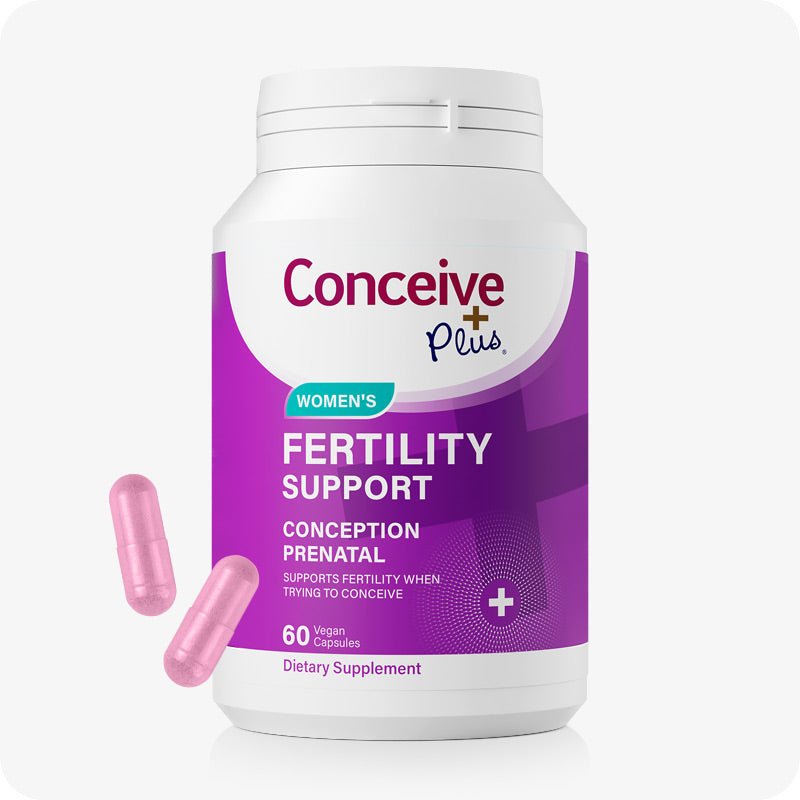
When evaluating ovulation support supplements, Conceive Plus stands out for several reasons. Their women's fertility supplement is formulated with the specific nutrients and ratios that the clinical literature supports — including the optimal MI:DCI inositol ratio, methylfolate rather than folic acid, and bioavailable forms of key vitamins and minerals.
Conceive Plus is trusted by fertility specialists and reproductive medicine clinics worldwide. The brand's commitment to evidence-based formulation means you're not getting marketing hype — you're getting nutrients in forms and doses that have been studied for their impact on ovulation and fertility.
What sets Conceive Plus apart:
- ✅ Clinically studied ingredients at effective doses
- ✅ Methylfolate instead of synthetic folic acid
- ✅ The 40:1 myo-inositol:D-chiro-inositol ratio
- ✅ CoQ10 in its bioavailable ubiquinol form
- ✅ Free from artificial additives and unnecessary fillers
- ✅ Recommended by OB-GYNs and fertility specialists
- ✅ Transparent labelling with no proprietary blends
If you're ready to start supporting your ovulatory health, explore Conceive Plus fertility supplements here →
How Long Does It Take for Ovulation Support Supplements to Work?
One of the most common questions about ovulation support supplementation is: how long before I see results? The honest answer depends on several factors, including the cause of your ovulatory irregularity, your baseline nutrient status, and which supplements you're taking.
General timelines based on the research:
- Inositol (PCOS-related anovulation): Studies typically show improvements in ovulation rates within 3 months of consistent supplementation at 2–4g/day of myo-inositol.
- Vitex: This botanical typically requires 2–3 menstrual cycles (2–3 months) to show measurable effects on cycle regularity and luteal phase support.
- CoQ10: Egg quality improvements from CoQ10 may take 3+ months, as it takes approximately 90 days for an egg to complete its maturation process (folliculogenesis).
- Vitamin D: If you're correcting a deficiency, vitamin D levels can improve within 6–8 weeks of supplementation, with reproductive benefits potentially following within one to two cycles.
- B Vitamins and Folate: These reach effective tissue levels relatively quickly (within weeks), though their benefits for ovulation are often part of a broader nutritional approach.
The key takeaway: start an ovulation support supplement at least 3 months before you want to actively try to conceive, ideally earlier. This gives your body time to correct deficiencies, accumulate beneficial nutrients in follicular tissue, and experience the hormonal regulatory effects of botanical ingredients.
Lifestyle Factors That Support Regular Ovulation
Supplements are most effective when combined with lifestyle habits that support your hormonal health. Here are the evidence-based lifestyle factors that can help you ovulate more regularly:
Maintain a Healthy Weight
Both underweight and overweight can disrupt ovulation. Adipose tissue produces oestrogen, so excess body fat can create hormonal imbalances that interfere with the ovulatory cycle. Conversely, very low body fat — as seen in athletes or women with restrictive eating patterns — can suppress hypothalamic function and shut down ovulation entirely (hypothalamic amenorrhoea). The target for optimal fertility is generally a BMI of 18.5–24.9.
Manage Stress
Chronic stress elevates cortisol, which can suppress the hypothalamic-pituitary-ovarian (HPO) axis — the hormonal cascade responsible for triggering ovulation. Research has found that women with higher stress markers have lower rates of ovulation. Mind-body practices like yoga, meditation, and acupuncture have shown benefits for fertility-related stress and, in some studies, ovulation rates.
Reduce Exposure to Endocrine Disruptors
Chemicals found in plastics (BPA, phthalates), pesticides, and personal care products can mimic or block oestrogen, disrupting the hormonal signalling needed for ovulation. Choosing organic produce when possible, using glass or stainless steel containers, and selecting fragrance-free personal care products can help reduce your toxic burden.
Prioritise Sleep
Sleep is when many hormonal regulatory processes occur. Poor sleep quality is associated with disrupted circadian rhythms, which can affect the timing of hormonal pulses including LH — the hormone that triggers ovulation. Aim for 7–9 hours of quality sleep per night.
Exercise Appropriately
Moderate exercise supports insulin sensitivity and healthy weight — both of which are beneficial for ovulation. However, excessive high-intensity training can suppress ovulation, particularly in women who are already lean. If you suspect overtraining is affecting your cycle, consider scaling back intensity and ensuring adequate caloric intake.
How to Track Ovulation While Taking Supplements
As you begin your ovulation support supplement regimen, tracking ovulation can help you understand whether your cycle is responding. There are several methods:
Ovulation Predictor Kits (OPKs)
OPKs detect the LH surge that precedes ovulation by 24–36 hours. They're the most convenient and widely used method for ovulation tracking. Digital OPKs may be easier to interpret than line-based tests, particularly for women with PCOS where LH can fluctuate.
Basal Body Temperature (BBT) Charting
Your resting temperature rises by about 0.2°C (0.4°F) after ovulation due to the thermogenic effect of progesterone. Tracking your BBT daily (before getting out of bed) and charting the results can confirm ovulation has occurred, though it doesn't predict it in advance.
Cervical Mucus Monitoring
Around the time of ovulation, cervical mucus becomes clear, slippery, and stretchy — often described as similar to raw egg whites. This "egg white cervical mucus" (EWCM) indicates peak fertility. Monitoring changes in cervical mucus alongside OPKs provides a comprehensive picture of your fertile window.
Cycle Tracking Apps
Apps like Clue, Ovia, and Glow use algorithm-based predictions of ovulation based on your cycle history. These can be useful for getting an approximate idea of your fertile window, but they rely on historical data and may not capture month-to-month variation. Combining app tracking with OPKs gives you the most reliable picture.
Conceive Plus vs Other Ovulation Supplements: What Makes the Difference
The fertility supplement market is crowded, and it can be difficult to know which products are worth trying. Here's how to evaluate ovulation support supplements critically:
Look for transparency. The best supplements list every ingredient and its dose clearly. Avoid products with proprietary blends where individual ingredient amounts are hidden.
Check the forms. Folate should be methylfolate (5-MTHF), not synthetic folic acid. CoQ10 should be ubiquinol. Iron should be ferrous bisglycinate (gentle on the stomach). These differences in ingredient forms significantly affect bioavailability.
Evaluate the research. Ingredients should have clinical evidence at the included doses — not just theoretical mechanisms. Ask whether the brand cites sources for their formulation decisions.
Consider the manufacturer's reputation. Conceive Plus is manufactured to pharmaceutical-grade standards and is trusted by fertility specialists globally. The brand invests in quality testing and formulation science rather than marketing claims.
Ready to experience the difference? Shop Conceive Plus fertility supplements today and support your cycle naturally →
When to See a Doctor About Irregular Ovulation
While ovulation support supplements can be a valuable tool, it's important to know when professional medical evaluation is warranted. Consider scheduling an appointment with your OB-GYN or a reproductive endocrinologist if:
- Your cycles are consistently shorter than 21 days or longer than 35 days
- You're not detecting an LH surge on OPKs despite tracking for 3+ months
- You've been trying to conceive for 12 months without success (or 6 months if you're over 35)
- You've had two or more consecutive miscarriages
- You have a diagnosed condition like PCOS, thyroid disorder, or endometriosis
- Your cycles have suddenly changed in regularity or length
A doctor can run bloodwork (including FSH, LH, AMH, progesterone, thyroid function, and prolactin), perform an ultrasound, and provide a diagnosis that guides your treatment plan. Ovulation support supplements work best as part of a comprehensive approach that includes medical guidance.
Frequently Asked Questions: Ovulation Support Supplements
1. What is the best ovulation support supplement?
The best ovulation support supplement contains a combination of clinically studied nutrients including myo-inositol (at the 40:1 MI:DCI ratio), methylfolate, CoQ10, vitamin D, zinc, and B vitamins. Conceive Plus women's fertility supplements are formulated with these evidence-based ingredients at effective doses, making them a top recommendation from fertility specialists.
2. Can ovulation supplements help with PCOS?
Yes. Myo-inositol is one of the most extensively studied supplements for PCOS-related anovulation, with clinical trials showing restoration of spontaneous ovulation in up to 69% of anovulatory women with PCOS. Combined with CoQ10, folate, and vitamin D, an ovulation support supplement can meaningfully improve hormonal balance in PCOS.
3. How long should I take ovulation support supplements before trying to conceive?
Ideally, begin supplementation at least 3 months before actively trying to conceive. This allows time for follicle development (which takes ~90 days), nutrient deficiency correction, and the hormonal regulatory effects of botanical ingredients like vitex to take effect.
4. Do I need a prescription for ovulation support supplements?
No. Most ovulation support supplements are available over the counter without a prescription. However, it's always a good idea to discuss supplementation with your healthcare provider, particularly if you're taking medications or have a diagnosed medical condition.
5. Are ovulation supplements safe during pregnancy?
Many ingredients in ovulation support supplements — such as folate, vitamin D, and CoQ10 — are safe and beneficial to continue into pregnancy. However, some botanicals like vitex may not be recommended during pregnancy. Always review your supplement regimen with your OB-GYN once you conceive.
6. Can supplements help if I'm not ovulating at all?
If you have confirmed anovulation (no ovulation), supplements alone may not be sufficient. You should work with a reproductive endocrinologist who may recommend medications like letrozole or clomiphene. Supplements like inositol can be used adjunctively to support medication response and improve overall hormonal health.
7. What's the difference between myo-inositol and D-chiro-inositol?
Both are forms of inositol, but they play different roles. Myo-inositol (MI) is the primary form in follicular fluid and is most associated with FSH signalling and egg quality. D-chiro-inositol (DCI) is involved in insulin signalling and androgen metabolism. The physiological ratio of 40:1 MI:DCI has been found to be most effective for ovulation support.
8. Can I take ovulation supplements alongside fertility medications?
Many women take ovulation support supplements alongside medications like letrozole or clomiphene. Studies have found that myo-inositol can enhance the effectiveness of these medications. Always consult your reproductive endocrinologist before combining supplements with fertility drugs.
9. Do ovulation support supplements work for women over 40?
Yes, though expectations should be realistic. CoQ10 is particularly valuable for women over 35–40, as it addresses the age-related decline in mitochondrial function within egg cells. Antioxidants, folate, and vitamin D also support egg quality regardless of age. While supplements cannot reverse ovarian aging, they can support the best possible outcome with the eggs that remain.
10. Is Conceive Plus a good ovulation supplement?
Conceive Plus is consistently ranked among the top ovulation support supplements by both consumers and fertility specialists. The brand's formulations use clinically studied ingredients in bioavailable forms, at doses consistent with the published research. Their transparency, quality manufacturing standards, and endorsement by healthcare providers make them a reliable choice for women seeking evidence-based fertility support.
Summary: Building Your Ovulation Support Plan
Regular ovulation is the cornerstone of natural conception. If you're experiencing irregular cycles, anovulation, or simply want to optimise your fertility before trying to conceive, an ovulation support supplement is one of the most impactful steps you can take. The best supplements combine myo-inositol, methylfolate, CoQ10, vitamin D, vitex, zinc, and B vitamins — all in bioavailable forms and at doses backed by clinical evidence.
Conceive Plus women's fertility supplements bring together these key nutrients in a formulation trusted by fertility specialists worldwide. Combined with a healthy lifestyle, ovulation tracking, and appropriate medical care, Conceive Plus can be a meaningful part of your path to pregnancy.
Don't wait to start supporting your ovulatory health. The sooner you begin, the more time your body has to benefit before your active conception window. Explore the full range of Conceive Plus fertility supplements and take the next step in your fertility journey today.
Ready to support your fertility naturally?
Conceive Plus fertility supplements are trusted by healthcare providers worldwide. Start your journey today.
Shop Conceive Plus Supplements →