Fertility Supplements for Men: The Complete 2026 Guide to Boosting Sperm Health Naturally


Fertility Supplements for Men: The Complete 2026 Guide to Boosting Sperm Health Naturally
When a couple is trying to conceive, the focus often lands on the woman — but male fertility accounts for roughly 40–50% of all infertility cases worldwide. Fertility supplements for men have emerged as a powerful, non-invasive strategy to improve sperm quality, and the science behind them has never been stronger.
This comprehensive guide breaks down the key nutrients, clinical evidence, and lifestyle factors that determine male reproductive health — and shows you exactly which fertility supplements for men are worth your investment in 2026.
Why Male Fertility Matters More Than You Think
According to the World Health Organization, approximately 1 in 6 couples worldwide experience infertility. Of those cases, male factors — including low sperm count, poor motility, abnormal morphology, and DNA fragmentation — are a contributing cause in up to 50% of couples struggling to conceive.
Despite these statistics, male fertility is often an afterthought in the fertility conversation. The good news? Sperm is produced continuously (every 74 days for a full cycle), meaning that the lifestyle changes and fertility supplements for men you start today can meaningfully improve your sperm parameters within just 2–3 months.
Key sperm parameters that supplements can influence:
- Sperm count (concentration): Number of sperm per millilitre of semen
- Motility: Percentage of sperm actively swimming forward
- Morphology: Percentage of sperm with normal shape
- DNA integrity: Degree of DNA fragmentation in sperm
- Seminal volume: Total amount of ejaculate
The Science Behind Fertility Supplements for Men
Fertility supplements for men work through several complementary mechanisms. Sperm cells are uniquely vulnerable to oxidative stress because they have a high content of polyunsaturated fatty acids in their membranes and relatively low antioxidant defences compared to somatic cells. Additionally, sperm lack the ability to repair their own DNA — meaning that oxidative damage accumulated before ejaculation is permanent.
Antioxidant micronutrients like vitamin C, vitamin E, selenium, zinc, and CoQ10 neutralise reactive oxygen species (ROS) before they can damage sperm DNA or compromise membrane integrity. Clinical research published in journals including Fertility and Sterility, Human Reproduction, and Andrologia has consistently shown that targeted micronutrient supplementation improves sperm parameters in men with suboptimal fertility.
Top Fertility Supplements for Men: Evidence-Based Breakdown
1. CoQ10 (Coenzyme Q10)
CoQ10 is both a powerful antioxidant and a critical component of mitochondrial energy production. Since sperm motility is entirely dependent on ATP generated by mitochondria in the sperm midpiece, CoQ10 is arguably the single most important nutrient for sperm health.
A 2019 meta-analysis in Andrologia analysed 7 randomised controlled trials involving 522 men and found that CoQ10 supplementation significantly improved sperm concentration, motility, and morphology. Typical effective doses range from 200–400 mg/day, with ubiquinol (the reduced, more bioavailable form) showing superior absorption over ubiquinone.
2. Zinc
Zinc is the most concentrated trace mineral in the male reproductive system — found in high levels in the testes, prostate, and seminal plasma. It plays a critical role in testosterone synthesis, sperm production, and the protection of sperm DNA from oxidative damage.
Studies show that zinc deficiency is directly linked to reduced sperm count and testosterone levels. Supplementation at 25–66 mg/day has been shown in multiple trials to increase sperm density and motility in subfertile men. Zinc also inhibits the aromatase enzyme, which converts testosterone to oestrogen — helping maintain optimal hormonal balance.
3. Selenium
Selenium is incorporated into selenoproteins that are essential for sperm structural integrity and antioxidant defence. GPX5 (glutathione peroxidase 5), a key selenium-dependent enzyme, protects sperm in the epididymis from oxidative damage during maturation.
A landmark 2011 study found that combining selenium with vitamin E significantly improved sperm motility and normal morphology in infertile men after just 14 weeks. Recommended dosage: 55–200 mcg/day.
4. L-Carnitine and Acetyl-L-Carnitine
Carnitine is essential for sperm energy metabolism and is found in particularly high concentrations in the epididymis, where sperm mature and acquire their forward-swimming ability. L-carnitine shuttles fatty acids into mitochondria for beta-oxidation, directly fuelling sperm motility.
Clinical trials have shown that L-carnitine supplementation (2–3 g/day) significantly improves sperm motility, particularly in asthenozoospermia (poor motility). The combination of L-carnitine and acetyl-L-carnitine shows even greater effects, with one trial reporting a 40% improvement in forward sperm progression after 3 months.
5. Folic Acid and Vitamin B12
Both folate and B12 are critical for DNA synthesis and methylation — processes essential for the production of healthy, genetically intact sperm. Low folate status is associated with increased sperm DNA fragmentation and chromosomal abnormalities.
A study in Fertility and Sterility found that men taking folic acid (5 mg/day) combined with zinc saw a 74% increase in normal sperm count. Methylated forms (methylfolate, methylcobalamin) are preferred for men with MTHFR gene variants, which affect folate metabolism.
6. Vitamin D
Vitamin D receptors are found on sperm cells, where vitamin D plays a role in calcium signalling essential for the acrosome reaction (the biochemical process that allows sperm to penetrate an egg). Vitamin D deficiency is strongly correlated with poor sperm motility and reduced testosterone levels.
A 2018 systematic review found that vitamin D levels were positively correlated with sperm motility and morphology across multiple populations. Men with deficiency should aim to supplement with 2,000–5,000 IU/day to reach optimal serum 25(OH)D levels of 40–60 ng/mL.
7. Vitamin C and Vitamin E
This classic antioxidant duo provides broad-spectrum protection against oxidative stress in the male reproductive system. Vitamin C is the primary water-soluble antioxidant in seminal plasma, while vitamin E protects sperm cell membranes from lipid peroxidation.
Research shows that combined vitamin C + E supplementation reduces sperm DNA fragmentation by up to 36% in men with elevated oxidative stress. Effective doses: vitamin C 500–1,000 mg/day, vitamin E 400–800 IU/day as mixed tocopherols.
Conceive Plus vs Pre-Seed: The Fertility Lubricant Connection
Male fertility goes beyond sperm health alone — the environment in which sperm travel during intercourse also matters enormously. Many couples trying to conceive use lubricants, but most standard personal lubricants are toxic to sperm, damaging motility within minutes of contact.
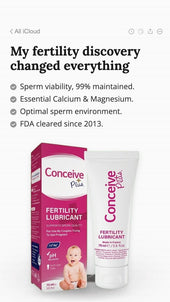
Conceive Plus fertility lubricant is specifically formulated to be sperm-friendly — matching the pH and osmolality of fertile cervical mucus (pH 7.0–8.5, osmolality 260–380 mOsm/kg). It also uniquely contains calcium and magnesium ions that have been shown to support the capacitation process sperm need to fertilise an egg.
Pre-Seed, the other leading fertility lubricant, is also sperm-safe and matches cervical mucus pH. However, Conceive Plus differentiates itself with its active mineral ion formula and broader clinical recognition — it is used in fertility clinics worldwide and holds FDA 510(k) clearance as a fertility aid. For couples where the male partner is taking fertility supplements, using Conceive Plus lubricant is a logical complement to protect sperm viability all the way to the egg.
Lifestyle Factors That Amplify Supplement Effectiveness
Even the best fertility supplements for men work best when paired with supportive lifestyle habits. The key pillars of male fertility health include:
- Heat avoidance: The testes operate best at 2–4°C below body temperature. Avoid hot baths, saunas, and tight underwear — all of which elevate scrotal temperature and reduce sperm production.
- Alcohol moderation: Heavy alcohol consumption reduces testosterone and sperm quality. Limiting intake to 1–2 drinks per day (or less) is recommended during a conception attempt.
- Smoking cessation: Smoking reduces sperm count, motility, and morphology, while dramatically increasing sperm DNA fragmentation. Quitting smoking is the single most impactful lifestyle change most men can make.
- Exercise: Moderate aerobic exercise supports testosterone production and antioxidant defence. Excessive high-intensity training, however, can paradoxically lower testosterone — balance is key.
- Sleep: Testosterone peaks during REM sleep. Men sleeping fewer than 6 hours per night show significantly lower testosterone levels and poorer sperm parameters.
- Diet: The Mediterranean diet — rich in olive oil, oily fish, nuts, legumes, and antioxidant-rich vegetables — is consistently associated with better sperm quality in epidemiological studies.
How Long Do Fertility Supplements for Men Take to Work?
Understanding the timeline of spermatogenesis is critical for setting realistic expectations. A complete sperm production cycle takes approximately 74 days, followed by a further 2–3 weeks for sperm to mature as they travel through the epididymis. This means the total timeline from the start of supplementation to sperm quality improvement is approximately 3 months.
Most clinical trials assess outcomes at 3 months for this reason. Men starting fertility supplements for men today can expect to see meaningful changes in sperm parameters by December 2026 if they begin consistently in September.
Practical timeline:
- Month 1: Antioxidant levels building, oxidative stress declining
- Month 2: New sperm cohorts forming under improved conditions
- Month 3: Ejaculated sperm now reflect 3 months of improved nutrition — semen analysis most meaningful at this point
Choosing the Right Fertility Supplements for Men in 2026
The supplement market is crowded with products making vague "fertility support" claims. Here's what to look for when choosing evidence-based fertility supplements for men:
- Clinically validated ingredients: Look for CoQ10 (ideally as ubiquinol), zinc, selenium, L-carnitine, methylfolate, vitamin D3, vitamin C, and vitamin E in therapeutic doses
- Transparent labelling: Proprietary blends that hide individual ingredient doses make it impossible to assess efficacy
- Third-party testing: Certification from NSF, USP, or similar bodies ensures label accuracy and absence of contaminants
- No unnecessary fillers: Artificial dyes, magnesium stearate in excessive amounts, and synthetic flow agents add nothing and may reduce bioavailability
- Formulated for fertility: General men's multivitamins are not optimised for sperm health — choose products specifically designed for male reproductive support
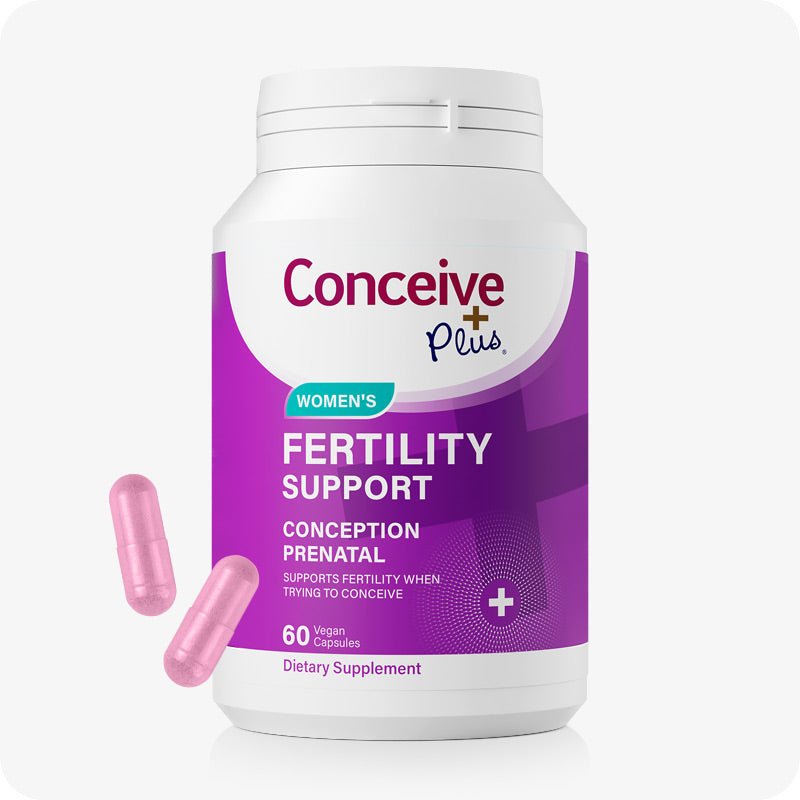
Conceive Plus men's fertility supplements are formulated precisely to these standards, combining evidence-based doses of the nutrients most critical for sperm health into a convenient daily protocol — making it simpler for men to maintain consistent supplementation throughout their conception journey.
Ready to support your sperm health? Explore the full range of Conceive Plus fertility supplements for men — developed with clinical insight and trusted by couples worldwide.
Frequently Asked Questions About Fertility Supplements for Men
Q: Do fertility supplements for men actually work?
A: Yes — for men with suboptimal sperm parameters, targeted micronutrient supplementation has demonstrated meaningful improvements in clinical trials. Improvements of 20–75% in sperm count, motility, and morphology have been reported across multiple randomised controlled trials. The strongest evidence exists for CoQ10, zinc, selenium, L-carnitine, and antioxidant vitamin combinations.
Q: How long should men take fertility supplements before trying to conceive?
A: At minimum 3 months, to account for the full spermatogenesis cycle. Ideally, men should begin supplementation 3–6 months before actively trying to conceive — giving sperm quality ample time to improve before the target conception window.
Q: Can a man with normal sperm still benefit from fertility supplements?
A: Yes. Even men with "normal" semen analyses can have elevated sperm DNA fragmentation, which standard tests don't measure. Antioxidant supplementation has been shown to reduce DNA fragmentation even in men with normal sperm parameters — potentially improving embryo quality and reducing miscarriage risk.
Q: Are fertility supplements for men safe?
A: When taken at recommended doses, the core fertility supplement ingredients (CoQ10, zinc, selenium, L-carnitine, B vitamins, vitamin D, vitamin C, vitamin E) have well-established safety profiles. Selenium should not be taken in excessive doses (above 400 mcg/day) due to the risk of selenosis. Always check with your healthcare provider before starting any new supplement regime, especially if you take medications.
Q: What is the best form of CoQ10 for sperm health?
A: Ubiquinol (the reduced form of CoQ10) is significantly more bioavailable than the more common and cheaper ubiquinone form — particularly in men over 35, as the body's ability to convert ubiquinone to ubiquinol declines with age. If budget allows, ubiquinol is the preferred form for men's fertility supplementation.
Q: Can fertility supplements for men improve IVF or ICSI outcomes?
A: Emerging evidence suggests yes. Lower sperm DNA fragmentation — one of the key outcomes of antioxidant supplementation — is associated with higher fertilisation rates, better embryo quality, and improved pregnancy outcomes in IVF/ICSI cycles. Several fertility clinics now recommend antioxidant pre-treatment for men 3 months before assisted reproduction procedures.
Q: Should men take a dedicated fertility supplement or a general multivitamin?
A: A dedicated fertility supplement for men is strongly preferable. General multivitamins contain doses designed for overall health maintenance, not reproductive optimisation — and often lack key fertility-specific ingredients like ubiquinol, L-carnitine, and lycopene. Fertility-specific formulations contain therapeutic doses of the nutrients proven to support sperm health.
Q: Does diet alone provide enough nutrients for optimal sperm health?
A: For most men, diet alone is insufficient to reach the therapeutic levels of key fertility nutrients needed to meaningfully improve sperm parameters. The Mediterranean diet is the best dietary pattern for sperm health, but it typically provides only 30–50 mg/day of CoQ10, compared to the 200–400 mg/day shown to be effective in clinical trials. Supplementation bridges this gap.
Q: Is there any benefit to both partners supplementing simultaneously?
A: Absolutely. Fertility is a shared biological process. While men benefit from sperm-focused nutrients, women benefit from folate, CoQ10, inositol, and vitamin D for egg quality and hormonal balance. Concurrent supplementation by both partners — combined with Conceive Plus fertility lubricant during timed intercourse — creates the most favourable overall environment for conception.
Q: When should a man see a fertility specialist rather than relying on supplements alone?
A: If a couple has been trying to conceive for 12 months (or 6 months if the woman is over 35), or if a semen analysis reveals severe abnormalities (sperm count below 5 million/mL, zero motility, or complete absence of normal morphology), a urologist or reproductive endocrinologist should be consulted. Supplements can support fertility alongside medical treatment, but are not a replacement for medical evaluation of underlying conditions like varicocele, hormonal disorders, or genetic factors.
Conclusion: Fertility Supplements for Men Are a Smart Investment
Fertility supplements for men represent one of the most evidence-backed, low-risk interventions available to couples trying to conceive. The three-month spermatogenesis window means that starting a targeted supplement protocol today is a concrete, proactive step toward healthier sperm quality and a higher chance of conception.
Look for formulations that include CoQ10 (as ubiquinol), zinc, selenium, L-carnitine, methylfolate, vitamin D3, and comprehensive antioxidant support — at doses shown to be effective in clinical research. Pair supplementation with a fertility-friendly lifestyle and Conceive Plus sperm-safe lubricant for a comprehensive approach to male reproductive health.
Start your fertility supplement journey today. Shop Conceive Plus men's fertility supplements — clinically informed, designed for couples serious about conceiving.