Endometriosis Fertility Lubricant: How Conceive Plus Supports TTC With Endo


Endometriosis Fertility Lubricant: Navigating TTC With Endo Using the Right Support
If you're trying to conceive (TTC) with endometriosis, you already know the journey can feel longer and lonelier than for most. Painful intercourse, irregular cycles, a hostile cervical environment, and the emotional weight of a chronic condition can all compound the challenge. One element that's often overlooked—yet clinically meaningful—is your choice of endometriosis fertility lubricant. Not all lubricants are created equal, and for women with endo, picking the wrong one can actively work against conception.
In this guide, we'll walk through how endometriosis affects fertility, why standard lubricants are problematic for TTC, what makes a sperm-safe fertility lubricant different, and how Conceive Plus is specifically formulated to support your body during the TTC window.
What Is Endometriosis and How Does It Affect Fertility?
Endometriosis affects roughly 1 in 10 women of reproductive age worldwide—an estimated 190 million people globally, according to the World Health Organization. It occurs when tissue similar to the uterine lining grows outside the uterus, commonly on the ovaries, fallopian tubes, and pelvic peritoneum.
The fertility implications are significant:
- Tubal damage: Endo lesions near the fallopian tubes can cause scarring or blockages that impair egg transport.
- Ovarian reserve reduction: Endometriomas (ovarian cysts caused by endo) can reduce the number of viable follicles.
- Altered pelvic environment: Inflammatory cytokines, prostaglandins, and macrophages in the peritoneal fluid may impair sperm function and embryo implantation.
- Implantation issues: Research suggests the endometrial lining in women with endo may be less receptive to embryos.
Despite these challenges, many women with endometriosis do conceive—naturally or with assisted reproduction. Optimizing every aspect of your TTC strategy, including your fertility lubricant endometriosis choice, can make a real difference.
Why Standard Lubricants Are Harmful When TTC With Endometriosis
Painful intercourse (dyspareunia) is one of the most common—and distressing—symptoms of endometriosis. A 2020 survey in the Journal of Endometriosis and Uterine Disorders found that up to 79% of women with endo experience dyspareunia, making intercourse during the fertile window feel daunting rather than hopeful.
It's natural to reach for a lubricant. The problem? Most commercially available lubricants are demonstrably spermicidal or inhibitory to sperm function:
- pH mismatch: Vaginal lubricants are typically formulated at pH 3.8–4.5 to match the resting vaginal pH. But sperm thrive in an alkaline environment (pH 7.2–8.0). Using an acidic lubricant kills or immobilizes sperm before they reach the cervix.
- Osmolality damage: High-osmolality lubricants (many gel-based products exceed 1,000 mOsm/kg) cause osmotic stress that damages sperm membranes. The WHO recommends sperm-safe lubricants maintain osmolality below 380 mOsm/kg.
- Glycerin content: Many lubricants contain glycerin, which acts as a hyperosmolar agent and has been shown to reduce sperm motility significantly in in vitro studies.
- Parabens and antimicrobials: Preservatives in some lubricants have demonstrated spermicidal effects at physiological concentrations.
For women with endo who need lubrication to manage painful intercourse during their fertile window, this creates a painful paradox: the very product helping them have sex may be preventing conception.
What Makes an Endometriosis Fertility Lubricant Different?
A true fertility lubricant for endometriosis must accomplish two things simultaneously: provide meaningful lubrication to ease painful intercourse AND create a sperm-friendly environment that supports natural conception. The key parameters are:
1. Sperm-Compatible pH (7.2–8.0)
Cervical mucus at peak fertility is naturally alkaline, creating a channel for sperm survival and transit. A fertility lubricant endometriosis should mimic this pH range rather than the acidic resting pH of the vagina.
2. Isotonic Formulation
Isotonic means the lubricant has an osmolality matching physiological fluids (280–380 mOsm/kg). This prevents osmotic stress damage to sperm membranes and supports sperm viability over the hours needed for fertilization.
3. Hydroxyethylcellulose (HEC) Base
HEC-based lubricants have been shown in multiple studies to be the least inhibitory to sperm function among common lubricant bases. A 2014 study in Fertility and Sterility confirmed that HEC formulations preserved sperm motility comparably to human tubal fluid controls.
4. Absence of Glycerin, Parabens, and Spermicidal Agents
Any ingredient that disrupts sperm membrane integrity or function must be absent from a true fertility lubricant.
Conceive Plus vs Pre-Seed: Which Fertility Lubricant Is Better for Endo?
When researching fertility lubricants, two brands dominate the conversation: Conceive Plus and Pre-Seed. Both are marketed as sperm-safe, but there are meaningful differences—particularly relevant for women with endometriosis.
| Feature | Conceive Plus | Pre-Seed |
|---|---|---|
| pH Range | 7.2–8.2 (sperm-optimized) | 7.2 (matches fertile mucus) |
| Osmolality | Isotonic (~280–380 mOsm/kg) | Isotonic |
| Active Ingredient | Calcium & Magnesium ions | None (base lubricant only) |
| Unique Benefit | Ions support sperm capacitation and acrosome reaction | Mimics fertile cervical mucus |
| Consistency | Smooth gel, easy insertion | Gel with internal applicators |
| Glycerin-Free | Yes | Yes |
| Paraben Status | Paraben-free options available | Contains low-level preservatives |
| Available Forms | Tube, sachets, applicators | Tube with internal applicators |
The key differentiator for Conceive Plus is the inclusion of calcium and magnesium ions. These divalent cations are essential cofactors in sperm capacitation—the biochemical process sperm must undergo before they can fertilize an egg. Research published in Human Reproduction Update confirms that calcium signaling is critical for sperm hyperactivation and the acrosome reaction.
For women with endometriosis, where the peritoneal environment is already inflammatory and potentially hostile to sperm, optimizing every possible variable—including supporting sperm capacitation via ion-enriched lubricant—is strategically sound.
Endometriosis Supplements TTC: Building a Complete Strategy
Beyond lubricant, endometriosis supplements TTC can play a supportive role in managing inflammation, improving egg quality, and supporting overall reproductive health. While no supplement can reverse endometriosis, several have evidence supporting their role in TTC with endo:
N-Acetylcysteine (NAC)
A 2013 Italian randomized controlled trial in Evidence-Based Complementary and Alternative Medicine found that NAC supplementation significantly reduced endometrioma size and improved pregnancy rates compared to placebo. NAC's antioxidant and anti-inflammatory properties are particularly relevant for endo-related oxidative stress.
Omega-3 Fatty Acids
Docosahexaenoic acid (DHA) and eicosapentaenoic acid (EPA) have anti-inflammatory effects that may counteract the prostaglandin-driven inflammation characteristic of endometriosis. Studies suggest omega-3 supplementation may reduce dyspareunia severity.
Vitamin D
Multiple studies link vitamin D deficiency to endometriosis severity. A 2013 study in Fertility and Sterility found that women with endometriosis had significantly lower vitamin D levels than controls, and vitamin D receptors on endometrial cells suggest a regulatory role.
Magnesium
Magnesium reduces uterine cramping and has mild anti-inflammatory effects. Dietary magnesium intake correlates inversely with endometriosis severity in some epidemiological studies.
Myo-Inositol
For women with endo and co-occurring PCOS—a not-uncommon combination—myo-inositol supplementation can improve insulin sensitivity, ovarian function, and egg quality.
Fertility supplements endometriosis strategies should ideally be personalized with your reproductive endocrinologist or OB-GYN, as the evidence base and appropriate dosing varies by supplement and individual health profile.
Timing Intercourse With Endometriosis: Practical Tips
Strategic timing is even more important for women with endo, as the fertile window is finite and intercourse during this time may be challenging due to pain.
- Track ovulation precisely: Use LH surge testing strips starting 3–4 days before expected ovulation. Endo can cause irregular cycles, so tracking multiple months helps identify your pattern.
- Identify low-pain timing: For some women with endo, pain fluctuates across the cycle. Track pain levels alongside ovulation signs to identify when intercourse is most feasible.
- Use Conceive Plus before sex: Apply the lubricant 5–10 minutes before intercourse to allow it to warm to body temperature and distribute evenly.
- Consider positioning: Certain positions reduce deep penetration, which can minimize cervical and pelvic pain. Missionary with a pillow under the hips, or side-lying positions, are often better tolerated.
- Don't skip the fertile window: Even if intercourse is uncomfortable, timed intercourse during the 24–48 hours around ovulation is essential for natural conception.
When to Escalate: IUI, IVF, and Surgical Options
Natural TTC with endometriosis is appropriate for many women, particularly those with Stage I–II endo, patent fallopian tubes, and normal ovarian reserve. However, escalation to assisted reproductive technology (ART) is often recommended for:
- Stage III–IV endometriosis
- Significant endometriomas (>4cm) requiring surgical management
- Blocked fallopian tubes
- Age ≥35 with diminished ovarian reserve
- 12+ months of natural TTC without conception (6 months if ≥35)
Laparoscopic surgery to remove endo lesions and endometriomas can improve natural conception rates in appropriately selected patients. A 2014 Cochrane review found that laparoscopic treatment of minimal-mild endometriosis improved cumulative pregnancy rates compared to diagnostic laparoscopy alone.
Even when pursuing IUI or IVF, many fertility clinics recommend continuing endometriosis supplements TTC and sperm-safe lubricants during any natural cycle attempts between treatments.
The Emotional Weight of TTC With Endo
Beyond the physiological challenges, TTC with endometriosis carries a significant emotional burden that's often underestimated. Research published in Fertility and Sterility found that women with endo report anxiety and depression rates two to three times higher than the general population, particularly when fertility is affected.
Practical strategies that support mental wellbeing during TTC with endo include:
- Connecting with endo community groups (Endometriosis UK, Nancy's Nook, Endo Warriors)
- Cognitive behavioral therapy (CBT) focused on chronic illness and fertility
- Mindfulness-based stress reduction (MBSR), which has shown benefit in fertility-related anxiety
- Clear communication with your partner about pain, timing, and emotional needs
- Setting realistic timelines with your fertility specialist, adjusted for endo stage and personal circumstances
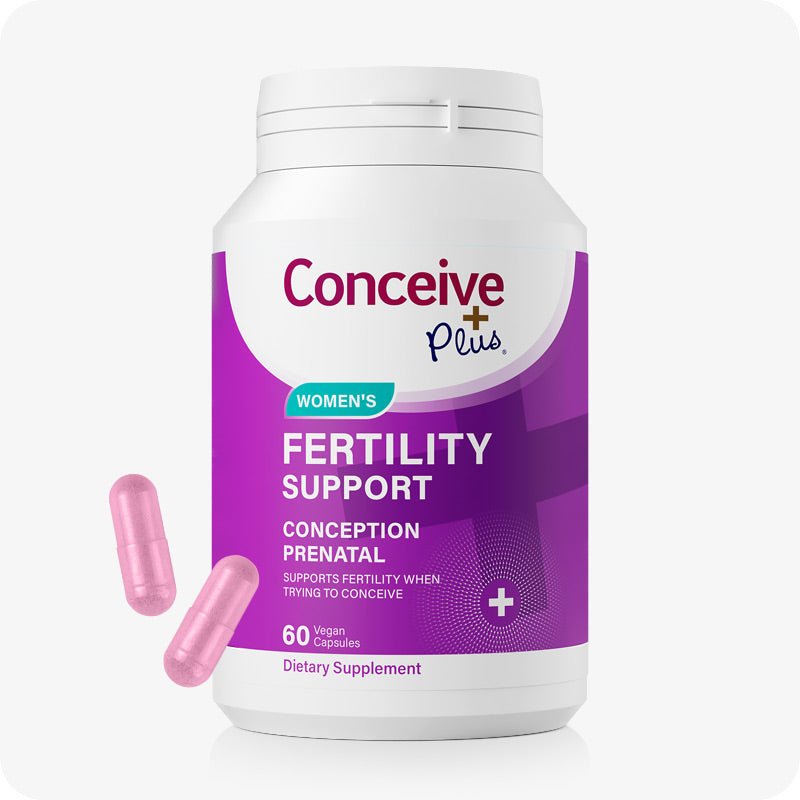
Conceive Plus is clinically formulated to be safe for sperm—free from harmful additives, pH-balanced to match the fertile environment, and enriched with calcium and magnesium ions to support sperm function.
Shop Conceive Plus Fertility Lubricants →
Frequently Asked Questions: Endometriosis Fertility Lubricant
Can I use Conceive Plus if I have endometriosis?
Yes. Conceive Plus is safe to use with endometriosis. Its sperm-safe, pH-balanced, isotonic formula is designed to support conception without harming sperm—making it ideal for women with endo who need lubrication to manage painful intercourse during the fertile window.
Do regular lubricants affect fertility when you have endo?
Yes, most regular lubricants are harmful to sperm. They have a low pH (3.8–4.5) and high osmolality that damages sperm function. For someone with endo already facing a potentially hostile pelvic environment, using a non-fertility-grade lubricant compounds the problem significantly.
How does endometriosis affect sperm function?
The peritoneal fluid in women with endo contains elevated levels of inflammatory cytokines, activated macrophages, and reactive oxygen species—all of which can impair sperm motility, vitality, and DNA integrity. Endometriosis doesn't directly damage sperm production, but the pelvic environment through which sperm must travel may be hostile.
What is the best fertility lubricant for TTC with endometriosis?
The best fertility lubricant endometriosis is one that is: pH 7.2–8.0, isotonic, HEC-based, glycerin-free, and paraben-free. Conceive Plus meets all these criteria and adds calcium and magnesium ions that actively support sperm capacitation.
Can supplements help with endometriosis fertility?
Certain supplements have evidence supporting fertility in endometriosis, including NAC, omega-3 fatty acids, vitamin D, and magnesium. Consult your reproductive specialist before starting any supplement regimen, as appropriate dosing and combinations vary.
Should I have surgery before TTC if I have endo?
This is highly individualized. Surgery is generally recommended for large endometriomas (>4cm), severe adhesions affecting the tubes, or significant pelvic anatomy distortion. For mild-moderate endo with intact tubes, natural TTC is often attempted first. Your reproductive endocrinologist can advise based on your specific endo stage and history.
Does endo affect egg quality?
Endometriomas in particular may damage surrounding ovarian tissue, potentially reducing egg quality and ovarian reserve. Elevated oxidative stress in the follicular fluid of women with endo has also been linked to reduced oocyte competence. This is why antioxidant supplementation is often recommended.
Is painful intercourse always present with endo?
Not always, but it's very common—affecting up to 79% of women with endometriosis. Pain can vary by cycle phase, endo location, and individual sensitivity. Using a sperm-safe lubricant like Conceive Plus can meaningfully reduce friction-related pain during timed intercourse, making the fertile window more manageable.
Can I use Conceive Plus during IVF cycles?
Conceive Plus is designed for natural conception cycles. During IVF, your clinic's protocol takes precedence—follow their specific guidance on lubricant use during stimulation and transfer cycles.
How much Conceive Plus should I use?
Apply 2–5mL (roughly half a teaspoon to a full teaspoon) to the vaginal entrance and your partner's penis 5–10 minutes before intercourse. For internal application, use the pre-filled applicators. More lubricant isn't better—use the amount needed for comfortable intercourse.
Thousands of women with endometriosis have trusted Conceive Plus to ease painful intercourse while supporting natural conception. Our sperm-safe formula means you don't have to choose between comfort and trying to conceive.
Explore Conceive Plus Products →