Antioxidants for Fertility: The Best Supplements to Reduce Oxidative Stress


Antioxidants for Fertility: The Best Supplements to Reduce Oxidative Stress
When couples struggle to conceive, the conversation often focuses on timing, hormones, and anatomy. But one of the most overlooked causes of impaired fertility is oxidative stress — a cellular imbalance that silently damages eggs, sperm, and reproductive tissues. Research now shows that targeted antioxidants for fertility can meaningfully reduce this damage, improve reproductive outcomes, and support a healthy conception journey for both men and women.
In this comprehensive guide, we break down the science behind antioxidants for fertility, which supplements have the strongest clinical evidence, how oxidative stress affects conception, and how to choose the right fertility antioxidant supplement for your specific situation.
What Is Oxidative Stress and Why Does It Harm Fertility?
Oxidative stress occurs when there is an imbalance between free radicals (reactive oxygen species, or ROS) and the body's ability to neutralize them with antioxidants. Free radicals are unstable molecules produced during normal metabolism, but lifestyle factors — including poor diet, smoking, alcohol, pollution, and age — can cause them to accumulate beyond the body's natural defense capacity.
In reproductive biology, oxidative stress causes measurable harm:
- In sperm: Free radicals attack the lipid membranes of sperm cells, damaging DNA, reducing motility, and increasing fragmentation. A 2019 meta-analysis in Andrology found elevated ROS in the semen of over 80% of infertile men.
- In eggs: Oocytes are uniquely vulnerable because they rely heavily on mitochondria for energy. Oxidative damage disrupts mitochondrial function, leading to poor egg quality and reduced embryo viability.
- In the uterine environment: Chronic oxidative stress is associated with implantation failure, early pregnancy loss, and conditions like endometriosis and PCOS that further impair fertility.
The good news is that antioxidants for fertility can directly counter this damage. By neutralizing free radicals, they protect reproductive cells and create a healthier environment for conception.
The Best Antioxidant Supplements for Fertility — What the Research Shows
Ready to support your fertility journey?
Explore Conceive Plus — clinically formulated fertility support trusted by couples worldwide.
Not all antioxidants work the same way. Here are the most clinically supported options for fertility antioxidant supplement use:
CoQ10 (Coenzyme Q10)
CoQ10 is perhaps the most researched antioxidant for fertility. It serves a dual role: it's both a potent antioxidant and a critical cofactor in mitochondrial energy production — the energy that eggs and sperm rely on to function properly.
A landmark 2018 study published in Fertility and Sterility found that women over 35 who supplemented with CoQ10 for 60 days produced significantly more mature eggs and had higher-quality embryos during IVF. For men, a meta-analysis of 7 randomized trials found that CoQ10 supplementation significantly improved sperm concentration, motility, and morphology.
Recommended dose: 200–600 mg/day, ideally as ubiquinol (the active, better-absorbed form).
Vitamin C
Vitamin C is a water-soluble antioxidant found in high concentrations in follicular fluid — the environment surrounding the egg. It protects oocytes from oxidative damage during development and supports corpus luteum function after ovulation, which is essential for progesterone production in early pregnancy.
For men, vitamin C supplementation has been shown to reduce sperm DNA fragmentation, one of the leading causes of male-factor infertility. Studies using 1,000 mg/day showed measurable improvements in DNA integrity within 2 months.
Vitamin E
Vitamin E works synergistically with vitamin C — together they provide broader antioxidant protection than either alone. It is fat-soluble, meaning it protects cell membranes (including sperm membranes) from lipid peroxidation. Clinical studies show vitamin E can improve sperm motility and reduce oxidative damage in seminal plasma. For women, vitamin E supports endometrial thickness and blood flow, which is critical for implantation.
Glutathione
Often called the "master antioxidant," glutathione is produced naturally by the body but depletes with age, stress, and illness. It plays a central role in protecting eggs from oxidative damage during follicular development and is found at especially high concentrations in healthy oocytes.
Because oral glutathione is poorly absorbed, many fertility specialists recommend N-acetylcysteine (NAC) as a precursor that reliably raises glutathione levels. NAC is particularly beneficial for women with PCOS, as it improves insulin sensitivity and reduces systemic inflammation alongside its antioxidant properties.
Alpha-Lipoic Acid (ALA)
ALA is unique because it is both water- and fat-soluble, allowing it to work in virtually every cell type. It also regenerates other antioxidants including vitamins C, E, and glutathione, making it a "recycler" of antioxidant activity. Preliminary studies suggest ALA can improve oocyte quality in women undergoing IVF and may support sperm function in men with elevated oxidative stress markers.
Zinc and Selenium
While often classified as minerals, zinc and selenium are essential components of enzymatic antioxidant systems. Selenium is a cofactor for glutathione peroxidase, and zinc supports superoxide dismutase — two of the body's primary antioxidant enzymes. Selenium supplementation (200 mcg/day) has improved sperm motility in multiple trials, while zinc deficiency is strongly associated with low testosterone and poor sperm parameters.
Antioxidants for Fertility: How Oxidative Stress Affects Male Fertility Specifically
Male factor infertility contributes to approximately 40–50% of all cases of infertility. Oxidative stress is now recognized as one of the primary drivers of antioxidants sperm quality concerns, affecting:
- Sperm motility: Excess ROS impair the energy supply to the sperm flagellum (tail), reducing forward progressive movement.
- Sperm morphology: Oxidative damage during spermatogenesis can alter the shape of the sperm head, midpiece, and tail.
- DNA fragmentation: Free radicals directly break DNA strands within sperm, leading to fertilization failure, poor embryo development, and miscarriage even when conventional sperm parameters appear normal.
- Acrosome function: The acrosome is the cap-like structure at the sperm head that allows penetration of the egg — oxidative damage can impair this process.
A comprehensive fertility antioxidant supplement regimen for men typically includes CoQ10, vitamin E, vitamin C, selenium, zinc, and L-carnitine (which has independent antioxidant properties while also fueling sperm motility). Clinical protocols often use these in combination for 90 days — the full cycle of spermatogenesis — before reassessing.
Antioxidants for Fertility: How Oxidative Stress Affects Female Fertility
Women's reproductive cells are equally vulnerable to oxidative stress fertility damage. Key mechanisms include:
- Egg quality deterioration: Oxidative damage accumulates in oocytes over time, which partly explains the age-related decline in egg quality. This is especially pronounced in women over 35.
- Follicular depletion: Chronic oxidative stress accelerates follicular atresia — the natural process by which immature eggs are destroyed before ever maturing.
- PCOS: Women with PCOS have significantly higher levels of oxidative stress markers. Antioxidant supplementation — particularly with NAC, inositol, and CoQ10 — can reduce inflammation, improve insulin sensitivity, and support more regular ovulation.
- Endometriosis: The ectopic lesions characteristic of endometriosis generate substantial free radicals, creating a hostile pelvic environment that impairs egg quality, tubal function, and implantation.
- Implantation failure: The endometrium must transition through oxidative phases during the implantation window. Dysregulated antioxidant status can impair this window, causing failed implantation even with healthy embryos.
For women, timing matters. Most fertility specialists recommend beginning antioxidant supplementation at least 3 months before a planned conception attempt or IVF cycle to allow time for improvements in egg quality — the full cycle of follicular development takes roughly 90 days.
Conceive Plus and the Antioxidant Advantage
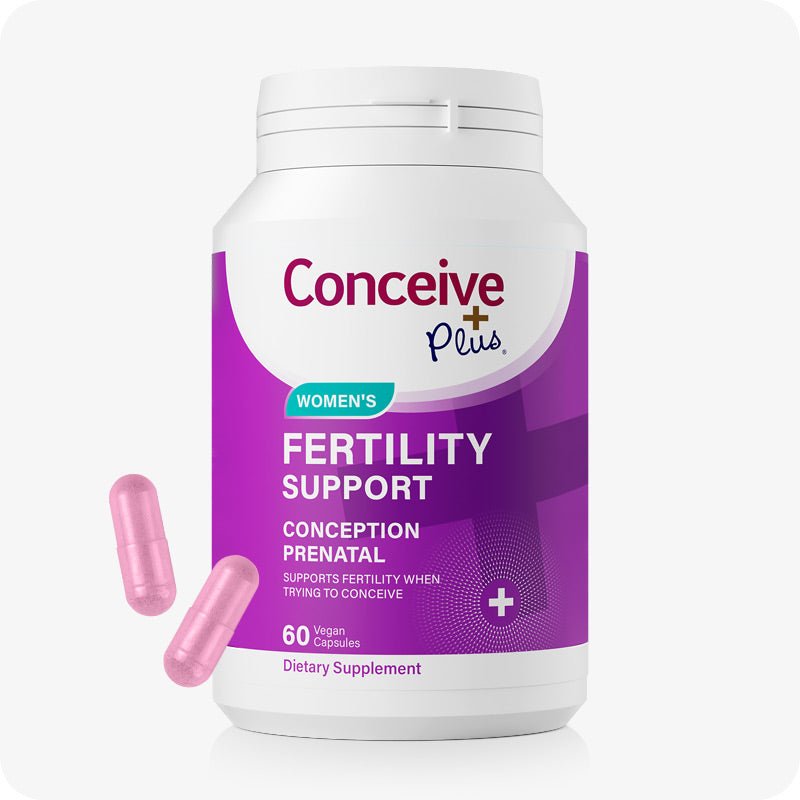
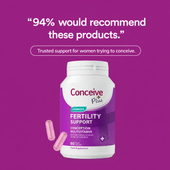
Conceive Plus has built antioxidant science directly into its fertility supplement formulations. The Conceive Plus Women's Fertility Support and Men's Fertility Support supplements are designed as comprehensive fertility antioxidant supplement solutions, combining the evidence-backed antioxidants discussed above with additional fertility-specific nutrients.
Conceive Plus Women's Fertility Support includes CoQ10, vitamins C and E, folate (as methylfolate for superior bioavailability), vitamin D, iron, and key B vitamins — all calibrated to support egg quality, hormonal balance, and early pregnancy health. Conceive Plus sources the most bioavailable forms of each nutrient to ensure maximum absorption and efficacy.
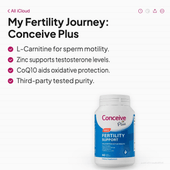
Conceive Plus Men's Fertility Support combines CoQ10, vitamins C and E, zinc, selenium, L-carnitine, and lycopene — nutrients with the strongest clinical evidence for improving sperm quality, motility, and DNA integrity. The formula is designed to be taken for a full 90-day cycle to allow complete spermatogenic improvement.
Unlike many single-ingredient antioxidant supplements, the Conceive Plus formulations provide synergistic combinations that amplify each other's effects — reflecting how these nutrients actually work in the body.
👉 Shop Conceive Plus Fertility Supplements — science-backed antioxidant support for your conception journey.
Lifestyle Factors That Drive Up Oxidative Stress (and How to Address Them)
Supplementation works best when combined with a lifestyle that reduces the oxidative load in the first place:
- Diet: A Mediterranean-style diet rich in colorful vegetables, fruits, nuts, whole grains, and olive oil provides a broad spectrum of dietary antioxidants. Limit processed foods, refined sugars, and trans fats, which actively generate ROS.
- Smoking: Tobacco smoke is one of the most potent sources of exogenous free radicals. Smoking reduces ovarian reserve, increases sperm DNA fragmentation, and accelerates ovarian aging. Cessation is the single most impactful lifestyle change for fertility.
- Alcohol: Alcohol generates acetaldehyde, a reactive compound that depletes glutathione and generates free radicals. Even moderate drinking can impair fertility outcomes.
- Environmental toxins: Pesticide residues, heavy metals, BPA, and phthalates all generate ROS and have been linked to reduced fertility in both men and women. Choosing organic produce, filtering drinking water, and avoiding plastic food containers can help reduce exposure.
- Exercise balance: Moderate exercise is antioxidant-boosting, but intense endurance training generates significant oxidative stress. If you train heavily, antioxidant needs are elevated.
- Sleep: Poor sleep quality is associated with elevated inflammatory markers and reduced antioxidant defenses. Prioritizing 7–9 hours of quality sleep supports the body's natural repair mechanisms.
- Stress management: Chronic psychological stress activates cortisol pathways that generate ROS and deplete antioxidant reserves. Practices like mindfulness, yoga, and adequate rest directly support antioxidant capacity.
How to Choose the Right Fertility Antioxidant Supplement
The fertility supplement market is crowded, and quality varies enormously. When evaluating a fertility antioxidant supplement, consider:
- Ingredient forms: Opt for bioavailable forms — ubiquinol (not ubiquinone) for CoQ10, methylfolate (not folic acid) for folate, natural vitamin E (d-alpha tocopherol, not dl-alpha), and chelated minerals for zinc and selenium.
- Dosage: Compare against clinically effective doses. Many "fertility" supplements provide far below what studies use. For example, effective CoQ10 doses in fertility research range from 200 to 600 mg — not the 30–50 mg found in many general multivitamins.
- Third-party testing: Look for GMP-certified manufacturing and third-party verification for purity and potency. Contaminants and label inaccuracies are common in the supplement industry.
- Comprehensive formula: Antioxidants work synergistically. A formula combining CoQ10, vitamins C and E, selenium, zinc, and supporting B vitamins will outperform any single-ingredient supplement.
- Brand transparency: Look for brands that publish their ingredient sourcing, manufacturing standards, and ideally have clinical studies supporting their specific formulation.
Conceive Plus meets all of these criteria. With clinical-grade ingredient forms, evidence-based dosages, GMP manufacturing, and formulas designed specifically for the fertility context, Conceive Plus supplements provide the antioxidant support your fertility journey deserves.
👉 Explore the full Conceive Plus Supplements range and start your optimized fertility protocol today.
How Long Do Antioxidant Supplements Take to Work for Fertility?
This is one of the most common questions about antioxidants for fertility, and the answer is tied to reproductive biology:
- Sperm: The full cycle of spermatogenesis — from stem cell to mature sperm — takes approximately 64–74 days. Add transit time through the epididymis and you're looking at roughly 90 days total. This means men should start antioxidant supplementation at least 3 months before a planned conception attempt or sperm analysis to see meaningful improvements.
- Eggs: Follicular development occurs over roughly 90 days as well. The antioxidant status of follicular fluid during this period directly influences egg quality, meaning supplementation should begin at least 3 months in advance for women also.
- General health markers: Some improvements — like reduced oxidative stress markers in blood and seminal plasma — can be detected within 4–8 weeks, even if full reproductive cell turnover takes longer.
The take-home message: start early and be consistent. Antioxidant supplementation for fertility is a long game, not a quick fix — but the biology-backed timeline means that couples who commit to a 3–6 month protocol before conception are giving themselves a meaningful advantage.
Frequently Asked Questions: Antioxidants for Fertility
Q: Can antioxidants improve sperm DNA fragmentation?
A: Yes. Multiple randomized controlled trials have demonstrated that oral antioxidant supplementation — particularly CoQ10, vitamins C and E, and selenium — can significantly reduce sperm DNA fragmentation indices (DFI) within 3 months of consistent use. This is clinically meaningful because elevated DFI is linked to fertilization failure, poor embryo development, and recurrent miscarriage.
Q: Are antioxidant supplements safe during fertility treatment (IUI/IVF)?
A: Generally yes, but always inform your reproductive endocrinologist or fertility specialist before starting any supplements. In IVF, some clinicians have theoretical concerns about very high-dose antioxidants interfering with controlled oxidative signaling during certain phases of the cycle. Standard supplementation doses are typically considered safe and may be beneficial for egg quality before retrieval.
Q: What is the best antioxidant for egg quality?
A: CoQ10 has the strongest clinical evidence specifically for egg quality. It improves mitochondrial energy production in oocytes and has been shown in multiple studies to produce more mature eggs and better-quality embryos in women over 35 or those with diminished ovarian reserve. Vitamin E and alpha-lipoic acid also show promise.
Q: Can antioxidants help with PCOS?
A: Yes. Women with PCOS have measurably higher oxidative stress. N-acetylcysteine (NAC) has been particularly well-studied in PCOS, showing improvements in insulin sensitivity and more regular ovulation. Inositol (particularly myo-inositol and D-chiro-inositol) also has antioxidant-adjacent effects in PCOS by improving insulin signaling.
Q: Do I need to take both men's and women's fertility supplements?
A: Both partners benefit from antioxidant support. Given that male factor contributes to 40–50% of infertility cases, optimizing sperm health with a targeted men's fertility antioxidant supplement is just as important as supporting egg quality. Couples who both supplement tend to have better overall outcomes.
Q: How much CoQ10 should I take for fertility?
A: Studies on fertility outcomes have used doses of 200–600 mg/day. Ubiquinol form is preferred for better absorption. Start with 200–300 mg/day and discuss higher doses with your doctor if you have diminished ovarian reserve or significant male factor issues. Some IVF protocols use up to 600 mg daily in the months before retrieval.
Q: Can I get enough antioxidants from food alone?
A: A nutrient-rich diet provides important antioxidant support, but achieving therapeutic doses of CoQ10, vitamin E, and selenium through food alone is very difficult. For example, reaching 200 mg of CoQ10 through diet would require eating unrealistic quantities of organ meats daily. Supplementation is generally necessary to reach clinically effective levels for fertility purposes.
Q: Are there antioxidants I should avoid during the two-week wait (TWW)?
A: Most antioxidants are safe throughout the cycle and into early pregnancy. High-dose vitamin A (retinol) should be avoided as it is teratogenic. Vitamin A from beta-carotene (plant sources) is safe. Always transition to a comprehensive prenatal vitamin once pregnancy is confirmed, and discuss any specific concerns with your OB or fertility specialist.
Q: Does oxidative stress cause miscarriage?
A: Elevated oxidative stress is associated with both recurrent miscarriage and early pregnancy loss. Sperm DNA fragmentation caused by oxidative stress is increasingly recognized as a contributor to miscarriage even after successful fertilization. In women, oxidative damage to early embryos and the uterine environment may also contribute. This is why antioxidant support for both partners is often recommended following recurrent pregnancy loss.
Q: How do I know if oxidative stress is affecting my fertility?
A: Sperm DNA fragmentation testing can directly assess oxidative damage to sperm. For women, measuring markers like 8-hydroxy-2-deoxyguanosine (8-OHdG) in follicular fluid is possible in research settings but not routine clinical practice. More practically: if you have risk factors (age over 35, smoking, poor diet, chronic illness, environmental exposures, or unexplained infertility), it is reasonable to assume elevated oxidative stress and proactively supplement.
Start Your Fertility Journey with Conceive Plus
Science-backed fertility support for both partners — lubricants, supplements, and ovulation aids trusted by couples worldwide.
Shop Conceive Plus Now →