Ovulation Tracking: The Complete 2026 Guide to Identifying Your Fertile Window


If you're on the journey to conceive, you've probably heard the phrase "timing is everything." And when it comes to getting pregnant, that couldn't be more true. Every month, there's a surprisingly short window — just five to six days — during which conception is even possible. Miss it, and you wait another cycle. Identify it accurately, and you dramatically improve your chances of success.
Yet for millions of women, ovulation remains a mystery. Between confusing apps, conflicting advice, and cycles that don't cooperate, it can feel overwhelming to figure out exactly when — or whether — you're ovulating at all.
The good news? Ovulation tracking has come a long way. In 2026, we have more tools, more science-backed methods, and a deeper understanding of the female cycle than ever before. Whether you're just starting out or have been trying to conceive (TTC) for a while, this guide will walk you through everything you need to know — from the biology of ovulation to the best tracking methods, practical tips for maximizing your fertile window, and how targeted nutrition can support healthy ovulation.
You deserve answers. Let's give them to you.
Understanding Your Menstrual Cycle and Ovulation
Before you can track ovulation, it helps to understand what's actually happening inside your body each month. The menstrual cycle is far more complex — and more beautiful — than most of us were taught in school.
A typical cycle lasts anywhere from 21 to 35 days, with 28 days being the commonly cited average. But "average" doesn't mean normal for everyone. Your cycle has four distinct phases:
- Menstruation (Days 1–5): The uterine lining sheds. This is Day 1 of your cycle.
- Follicular Phase (Days 1–13): Follicle-stimulating hormone (FSH) prompts your ovaries to develop follicles, each containing an egg. Estrogen rises, thickening the uterine lining.
- Ovulation (Around Day 14 in a 28-day cycle): A surge in luteinizing hormone (LH) triggers the release of a mature egg from the dominant follicle. The egg travels down the fallopian tube, where it can be fertilized for 12–24 hours.
- Luteal Phase (Days 15–28): The ruptured follicle becomes the corpus luteum and produces progesterone. If the egg isn't fertilized, progesterone drops and menstruation begins again.
Here's the key stat: sperm can survive in the female reproductive tract for up to 5 days, while the egg survives only 12–24 hours post-ovulation. This means your true fertile window spans approximately 5–6 days — the five days before ovulation and the day of ovulation itself. According to the American College of Obstetricians and Gynecologists (ACOG), understanding this window is one of the most evidence-based strategies couples can use when trying to conceive.
The critical takeaway: ovulation does not always occur on Day 14. Even women with regular cycles can ovulate anywhere from Day 11 to Day 21. Stress, illness, travel, and hormonal fluctuations can all shift your ovulation date. This is exactly why tracking matters so much.
The 5 Best Methods for Tracking Ovulation in 2026
Recommended by Fertility Experts
Conceive Plus Men's Fertility Support
Designed to support healthy sperm production, motility, and overall male reproductive health with clinically studied nutrients.
Shop Now →Today, there's no single "best" method for everyone — the right approach depends on your cycle regularity, lifestyle, and how much data you want to collect. Most fertility specialists recommend using two or more methods in combination for the most accurate picture.
Here's an overview of the five most reliable methods available in 2026:
- Ovulation Predictor Kits (OPKs): Urine-based tests that detect the LH surge before ovulation. Highly accessible and accurate when used correctly.
- Basal Body Temperature (BBT) Charting: Tracking your resting temperature daily to identify the post-ovulation temperature rise. Best used to confirm ovulation rather than predict it.
- Cervical Mucus Monitoring: Observing changes in vaginal discharge throughout your cycle to identify approaching ovulation.
- Fertility Monitors: Advanced devices that track multiple hormones (LH, estrogen, progesterone) for a broader fertile window detection.
- Cycle Tracking Apps: Algorithm-based apps that use your historical data to predict fertile days. Most accurate for women with regular cycles.
A 2024 study published in Fertility & Sterility found that women who combined OPKs with BBT charting identified their fertile window significantly more accurately than those who relied on calendar tracking alone — with conception rates improving notably in the first three cycles of active tracking.
Let's go deeper into the three core methods every woman trying to conceive should understand.
Ovulation Predictor Kits (OPKs): How to Use Them Correctly
Ovulation predictor kits are one of the most popular and effective tools for identifying your fertile window. They work by detecting the LH (luteinizing hormone) surge that occurs 24–48 hours before ovulation — giving you advance notice to time intercourse strategically.
How OPKs Work
LH is present in small amounts throughout your cycle but spikes dramatically just before ovulation. OPKs detect this surge in your urine. A positive result (a test line as dark as or darker than the control line) indicates your LH surge has begun, meaning ovulation is likely within 12–36 hours.
Step-by-Step Guide to Using OPKs:
- Start testing a few days before you expect to ovulate. For a 28-day cycle, begin around Day 10 or 11.
- Test at the same time each day, ideally between 10 AM and 8 PM. Avoid first morning urine for OPKs (unlike pregnancy tests).
- Reduce fluid intake for 1–2 hours before testing to concentrate your urine.
- Read results within the time window specified in your kit instructions — usually 3–5 minutes.
- When you get a positive result, plan to have intercourse that day and the next.
Common OPK Mistakes to Avoid:
- Testing only once a day and missing a short LH surge (some women surge for only a few hours)
- Using first morning urine, which can dilute the LH reading
- Comparing test lines from different brands, which have different sensitivities
- Giving up after a "negative" on Day 14 when you may ovulate later
Women with PCOS (polycystic ovary syndrome) should be aware that OPKs can show false positives due to elevated baseline LH levels. If your results are consistently positive or confusing, consult with your healthcare provider about alternative monitoring approaches.
According to the National Institutes of Health (NIH), OPKs have a specificity of over 97% for detecting the LH surge, making them among the most reliable at-home fertility tools available when used properly.
Basal Body Temperature (BBT): The Science and Practice
Basal body temperature charting is one of the oldest and most scientifically validated methods of tracking ovulation. Your BBT — the temperature of your body at complete rest — rises slightly after ovulation due to the thermogenic effect of progesterone. While this rise confirms that ovulation has already occurred, it's invaluable for learning your body's patterns over time.
What to Expect:
Pre-ovulation temperatures typically range from 97.0°F to 97.5°F. After ovulation, you'll typically see a sustained rise of 0.2°F to 0.5°F, often staying elevated until your next period. If you're pregnant, temperatures remain elevated beyond your expected period.
How to Chart BBT Accurately:
- Take your temperature first thing every morning, before getting out of bed or doing anything else.
- Use a basal thermometer — these are calibrated to detect the small changes involved. Regular thermometers are not sensitive enough.
- Take your temperature at the same time each day (within 30 minutes). Sleeping in can raise your BBT slightly.
- Record temperatures immediately — on a chart, app, or spreadsheet.
- Note any disruptions: poor sleep, illness, alcohol consumption, travel. These can all cause temporary BBT spikes.
Reading Your Chart:
After two to three months of charting, most women can identify their typical ovulation pattern. You'll look for a biphasic pattern: lower temperatures in the first half of your cycle (follicular phase) and higher temperatures after ovulation (luteal phase). The day before the temperature rise is typically your most fertile day.
BBT charting pairs exceptionally well with OPKs: OPKs predict ovulation is coming, while BBT confirms it happened. Together, they provide a complete picture of your fertile window across multiple cycles — data that can also be invaluable to share with your doctor if you have concerns about ovulation regularity.
Cervical Mucus: Your Body's Natural Ovulation Sign
Your body offers a powerful, free, always-available signal of approaching ovulation — cervical mucus (CM). As estrogen rises throughout the follicular phase, the cervix produces mucus that changes in texture and appearance in very specific ways tied to your fertility.
The Cervical Mucus Progression:
- Post-period / Early cycle: Dry or minimal discharge
- Pre-ovulation (approaching fertile window): Sticky, white or cloudy, less stretchy
- Approaching ovulation: Creamy, lotion-like, white or pale yellow
- Peak fertility (ovulation is imminent): Clear, slippery, stretchy — resembles raw egg whites. This is your most fertile mucus.
- Post-ovulation: Returns to sticky or dry as progesterone rises
The egg-white cervical mucus (EWCM) is your body's way of creating the ideal environment for sperm to survive and travel to the egg. Sperm can live for up to 5 days in this type of mucus, making it the optimal time for intercourse.
How to Monitor CM:
- Check discharge on toilet paper before and after using the bathroom
- Note color, texture, and how far it stretches between your fingers
- Record observations daily alongside BBT if you're charting
- Avoid checking immediately after intercourse, as semen can be mistaken for CM
The Billings Ovulation Method and Creighton Model are evidence-based approaches built entirely around cervical mucus observation. Research published in Human Reproduction has consistently shown that women trained in CM monitoring can identify their fertile window with accuracy comparable to hormonal testing methods.
Irregular Cycles and Ovulation: Special Considerations
Not everyone has a textbook 28-day cycle, and for women with irregular periods, ovulation tracking presents unique challenges — but it's especially important.
Polycystic Ovary Syndrome (PCOS)
PCOS affects an estimated 1 in 10 women of reproductive age, according to the Office on Women's Health. It's the most common cause of irregular ovulation and anovulation (absence of ovulation). Women with PCOS often have elevated LH levels throughout their cycle, which can cause OPKs to produce misleading results. Strategies that may help include:
- Using advanced digital OPKs that track estrogen alongside LH
- Working with a healthcare provider for ultrasound monitoring
- Supporting ovarian function with targeted nutrition (more on this below)
- Maintaining a healthy body weight, which can significantly improve ovulation regularity in PCOS
Stress and Ovulation
Psychological and physical stress can delay or suppress ovulation by disrupting the hypothalamic-pituitary-ovarian (HPO) axis. A 2023 study in Psychoneuroendocrinology found that high perceived stress levels were associated with a significantly higher likelihood of anovulatory cycles. Stress management — through sleep, exercise, mindfulness, or therapy — is not just self-care; it's fertility care.
Thyroid Disorders
Both hypothyroidism and hyperthyroidism can disrupt ovulation and menstrual regularity. The American Thyroid Association recommends thyroid screening for women with irregular cycles or difficulty conceiving. If you haven't had your thyroid levels checked, it's worth discussing with your provider.
What to Do If Your Cycles Are Irregular:
- Track your cycle for 3–6 months to identify your own patterns
- Start OPK testing earlier in the cycle and test twice daily
- Use BBT charting to confirm whether ovulation is occurring at all
- Rule out underlying conditions with a full hormonal panel from your OB/GYN
Maximizing Your Fertile Window: Timing Intercourse for Conception
Identifying your fertile window is only half the equation — the other half is knowing how to act on that information effectively.
The Science of Optimal Timing
Research from the National Institute of Environmental Health Sciences (NIEHS) found that the probability of conception is highest when intercourse occurs in the two days before ovulation. Specifically:
- 5 days before ovulation: ~10% probability
- 2 days before ovulation: ~27–33% probability
- Day of ovulation: ~15–20% probability
- Day after ovulation: Drops sharply — the egg has a very short survival window
Practical Intercourse Timing Strategies:
- The "every other day" approach: During your fertile window, have intercourse every 1–2 days. Daily intercourse is fine for most couples; it doesn't significantly reduce sperm quality in men with normal sperm counts.
- Start early: Don't wait for a confirmed positive OPK to begin. Begin regular intercourse as soon as your CM starts showing creamy or egg-white texture.
- After a positive OPK: Have intercourse that day and the next two days.
- Don't overthink it: Excessive tracking can increase stress, which may counterproductively affect ovulation. Aim for informed consistency rather than anxiety-driven perfectionism.
Lubricants and Conception:
Most commercial lubricants are sperm-toxic and can impair sperm motility and viability. If lubrication is needed, choose a fertility-friendly lubricant specifically formulated not to interfere with sperm function. This is a commonly overlooked factor that can significantly impact TTC outcomes.
How Nutrition and Supplements Support Ovulation Health
Ovulation isn't just a mechanical event — it's a hormonally orchestrated process deeply influenced by your overall nutritional status. Emerging research continues to confirm that what you eat and supplement with can meaningfully impact ovulatory function.
Key Nutrients That Support Ovulation:
- Folate (B9): Essential for egg quality and early fetal development. Most guidelines recommend 400–800 mcg daily for women TTC.
- Vitamin D: Deficiency is associated with reduced ovarian reserve and irregular cycles. A 2024 meta-analysis in The Journal of Clinical Endocrinology & Metabolism linked adequate vitamin D levels to improved IVF outcomes and more regular ovulation.
- CoQ10: A mitochondrial antioxidant that supports egg energy production, particularly relevant as women age.
- Omega-3 fatty acids: Associated with improved ovarian function and menstrual regularity.
- Iron: Low iron has been linked to anovulatory infertility in multiple studies.
- Myo-inositol: A naturally occurring compound that plays a significant role in ovarian health and insulin signaling — particularly studied in the context of PCOS and ovulation quality.
The Role of Myo-Inositol in Ovulation
Myo-inositol has become one of the most researched nutritional interventions for ovulation support. A 2023 Cochrane-reviewed analysis confirmed that myo-inositol supplementation improved ovulation rate and menstrual regularity in women with PCOS. But its benefits aren't limited to PCOS — emerging research suggests myo-inositol may support healthy egg maturation and hormonal balance in a broader population of women trying to conceive.
It works partly by improving insulin sensitivity, which helps regulate the hormonal environment needed for healthy follicle development and timely ovulation. For women whose cycles are driven off-track by insulin resistance — even subclinically — this can be a meaningful difference.
Supporting Your Ovulation Journey with Conceive Plus
At Conceive Plus, every product is formulated with one goal: to give your body the nutritional foundation it needs for the best possible reproductive outcomes. Two products stand out for women who are actively tracking ovulation and trying to conceive:
Conceive Plus Ovulation Support is a targeted supplement built around myo-inositol, the key nutrient for ovarian health and hormonal balance. It's designed for women who want to support regular, healthy ovulation — whether they have irregular cycles or simply want to optimize their hormonal environment while TTC. The formula is clean, evidence-informed, and created by fertility specialists with decades of clinical experience.
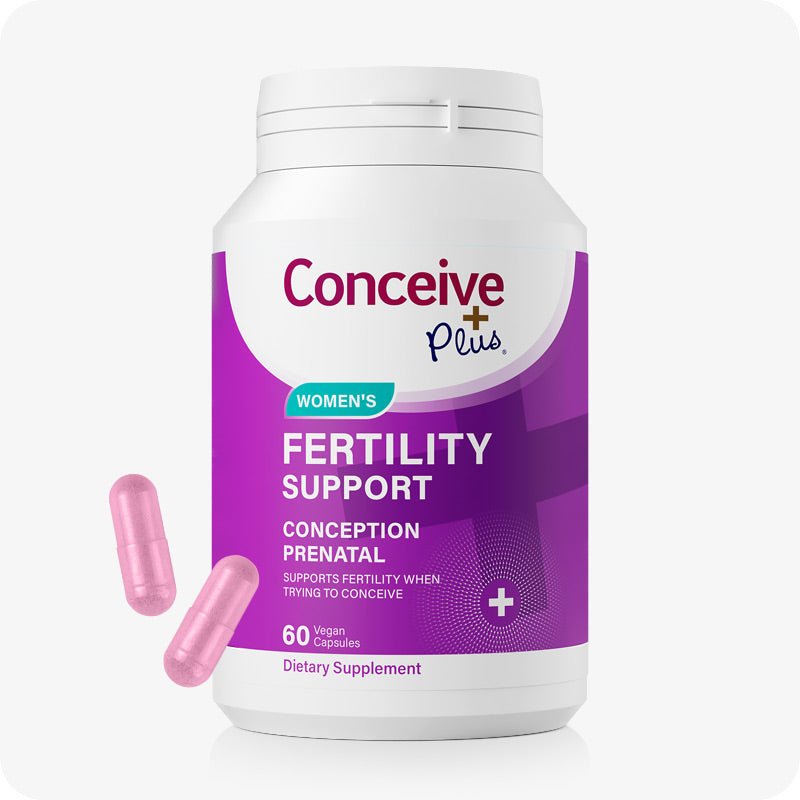
Conceive Plus Women's Fertility Support provides a comprehensive blend of fertility-essential vitamins and minerals — including folate, vitamin D, CoQ10, and more — to support egg quality, cycle regularity, and overall reproductive wellness from the inside out.
Together, these two products address both the specific ovulatory signaling pathway (myo-inositol) and the broader nutritional needs (vitamins, antioxidants, minerals) that underpin a healthy cycle. Think of them as a foundation — not a replacement for tracking, but a meaningful complement to it.
Thousands of women across the country have made Conceive Plus part of their TTC journey. If you're investing time in tracking your cycle, it's worth making sure your body has the nutrients it needs to do its job.
Shop Conceive Plus Ovulation Support →Frequently Asked Questions About Ovulation Tracking
How do I know if I'm actually ovulating?
The most reliable at-home signs of ovulation include a positive OPK result (LH surge), a sustained rise in BBT of 0.2–0.5°F, and the presence of egg-white cervical mucus. If you're concerned about whether you're ovulating at all, your doctor can order a Day 21 progesterone blood test to confirm. Elevated progesterone mid-luteal phase indicates ovulation occurred.
Can you ovulate without a period?
Yes, it's possible. Ovulation can occur before your first postpartum period, for example. However, if you haven't had a period and are concerned, this is a sign to speak with your healthcare provider. Absence of periods (amenorrhea) often — though not always — indicates anovulation.
What if my OPK never shows a positive result?
A few possibilities: you may be testing at the wrong time of day, your LH surge may be short and you're missing it, you may be starting testing too late in your cycle, or you may not be ovulating in a given cycle. Try testing twice daily (morning and evening) during your expected fertile window, and if you consistently don't see a positive over several cycles, consult your doctor.
Is it possible to ovulate right after your period?
Yes, especially for women with shorter cycles (21–24 days). If your cycle is short, you might ovulate as early as Day 7 or 8. This is why some women with "short cycles" can conceive from intercourse during their period — sperm can survive long enough to fertilize an early-ovulating egg.
How long does the LH surge last?
Most LH surges last 12–48 hours, though some women's surges are shorter. This is why testing once a day can sometimes miss the surge entirely. If you're using traditional strip OPKs, testing morning and early evening is the most reliable approach.
Can stress delay ovulation?
Absolutely. Physical or psychological stress can delay or suppress ovulation by disrupting the hypothalamic-pituitary-ovarian axis. If you notice your ovulation occurring later than usual during high-stress periods, that's a normal (if frustrating) physiological response. Prioritizing sleep, reducing cortisol triggers, and maintaining a balanced diet can help.
How many months should I track before seeing a pattern?
Most fertility specialists recommend tracking for at least three full cycles before drawing conclusions about your pattern. Two to three months of data gives you a much more reliable picture of your cycle length variability, typical ovulation timing, and luteal phase length.
Does age affect ovulation tracking?
Yes. As women approach their mid-to-late 30s and beyond, cycles can become shorter and more variable. Ovulation may occur earlier, and the luteal phase may shorten. Ovarian reserve naturally declines with age. This doesn't mean tracking becomes less useful — it becomes more important. It also means women over 35 who have been TTC for 6 months (rather than 12) should seek a fertility evaluation.
Can I use ovulation tracking to avoid pregnancy?
While cycle tracking (often called the Fertility Awareness Method or FAM) is used by some as a form of contraception, it requires intensive training, consistent daily monitoring, and has higher failure rates than barrier or hormonal contraceptive methods. It's not recommended as a standalone contraceptive without formal instruction from a certified practitioner.
What should I do if I have a 35-day cycle — when do I ovulate?
A common misconception is that ovulation always occurs 14 days after the start of the period. In fact, ovulation typically occurs 14 days before the next expected period, regardless of cycle length. So in a 35-day cycle, ovulation likely occurs around Day 21. Using OPKs starting around Day 16–17 is a good strategy, combined with CM and BBT monitoring.
Conclusion: Knowledge Is Your Greatest Fertility Tool
Ovulation tracking isn't about turning the beautiful, organic process of trying to conceive into a clinical exercise. It's about understanding your body deeply enough to work with it — not against it.
The fertile window is short, but it's also predictable. With the right methods, the right information, and the right nutritional support, you can give yourself the best possible chance each cycle. Whether you start with a simple OPK, dive into BBT charting, or learn to read your cervical mucus like a second language, every tool you add brings you closer to understanding your unique cycle.
Remember: most healthy couples under 35 conceive within 12 months of trying. If you're being consistent, tracking accurately, and supporting your body well, you are doing everything right. Trust the process — and trust your body.
And if you're looking for a supplement partner for this journey, Conceive Plus Ovulation Support is here to support healthy ovulation from the inside out. Made for women who mean business about their fertility journey.
Shop Conceive Plus Ovulation Support →Frequently Asked Questions
How accurate are ovulation tracking apps compared to medical tests?
Ovulation tracking apps estimate your fertile window based on cycle data, but their accuracy varies widely (typically 70-90% depending on cycle regularity) and they cannot confirm actual ovulation occurred. For more precision, the American Society for Reproductive Medicine (ASRM) recommends combining app data with ovulation predictor kits (LH tests) or basal body temperature tracking. If you have irregular cycles or have been trying to conceive for over a year, a fertility specialist can use ultrasound or blood tests to pinpoint ovulation with near-certainty.
What's the difference between an ovulation predictor kit and a pregnancy test?
Ovulation predictor kits (OPKs) detect the luteinizing hormone (LH) surge that occurs 24-48 hours before ovulation, helping you identify your fertile window in real-time. Pregnancy tests, by contrast, detect human chorionic gonadotropin (hCG) only after implantation has occurred, typically 10-14 days after ovulation. OPKs are most useful during your fertile window for timing intercourse, while pregnancy tests are used after a missed period to confirm conception.
Can I track ovulation if I have an irregular cycle?
Yes, but it requires more diligent monitoring since ovulation timing varies month to month. For irregular cycles, the most reliable methods are ovulation predictor kits (which work regardless of cycle length), basal body temperature tracking, or cervical mucus observation combined with symptom awareness. If you have persistent cycle irregularities—such as cycles shorter than 21 days or longer than 35 days—the ASRM recommends consulting a fertility specialist to rule out underlying conditions like PCOS or thyroid disorders that may affect conception.
Does insurance cover ovulation tracking tools and fertility testing?
Coverage varies significantly by state and insurance plan; some plans cover ovulation predictor kits as medical supplies, while others do not. Prescription-strength fertility monitoring devices and diagnostic tests ordered by a physician (such as blood work to check hormone levels or ovulation ultrasounds) are more likely to have insurance coverage. Contact your insurance provider directly about coverage specifics, and note that some states have mandated fertility coverage laws that may enhance your benefits.
What nutritional factors support healthy ovulation?
Research shows that adequate intake of folate, iron, vitamin D, and omega-3 fatty acids supports reproductive health and regular ovulation. Additionally, maintaining a balanced diet and healthy body weight—typically a BMI between 18.5-24.9—optimizes hormone production and ovulation regularity, as both underweight and overweight conditions can disrupt the hormonal signals needed for ovulation. If you're planning to conceive, most fertility specialists recommend starting prenatal vitamins containing at least 400 mcg of folic acid at least one month before attempting pregnancy.
How long should I track ovulation before seeing a fertility specialist?
The American College of Obstetricians and Gynecologists (ACOG) recommends that women under 35 who have been trying to conceive for 12 months without success, or women 35 and older who have been trying for 6 months, should see a fertility specialist for evaluation. However, you don't need to wait this long if you have known irregular cycles, a history of miscarriage, or other risk factors—consulting a specialist earlier can help identify barriers to conception. A fertility specialist can perform comprehensive testing to assess egg quality, ovulation patterns, and other factors affecting fertility.
Can stress or lifestyle changes affect ovulation timing?
Yes—significant stress, extreme exercise, rapid weight changes, and sleep deprivation can disrupt the hormonal balance needed for regular ovulation, potentially delaying or skipping ovulation entirely. Managing stress through relaxation techniques, maintaining moderate exercise (typically 150 minutes of moderate activity per week), getting adequate sleep, and eating a balanced diet all support consistent ovulation. If lifestyle changes don't restore regular ovulation within a few cycles, consult your healthcare provider to rule out underlying hormonal conditions.
Trusted by Couples in Over 70 Countries
Support Male Fertility From the Inside Out
Male fertility is just as important as female fertility in the conception journey. Conceive Plus Men's range delivers targeted nutritional support to promote healthy sperm and overall reproductive wellbeing.
Shop Men's Range →