The Complete Guide to Fertility Supplements in 2026: What Actually Works


When you are trying to conceive, your supplement routine can feel like a second job. The fertility supplement market is enormous — and confusing. Walk down any pharmacy aisle or scroll through Amazon and you will find hundreds of products making bold claims. What actually works? What is backed by research? And what do you actually need to take?
This guide cuts through the noise. We have reviewed the clinical evidence behind every major fertility nutrient, explained the mechanisms by which they support conception, and outlined what realistic expectations look like. Whether you are just starting your trying-to-conceive (TTC) journey or have been on it for a while, this is your evidence-based roadmap to fertility supplements in 2026.
According to the Centers for Disease Control and Prevention (CDC), approximately 12% of American women aged 15–44 have difficulty getting pregnant or carrying a pregnancy to term. For men, research published in Human Reproduction Update found that average sperm counts have declined by more than 50% over the past 40 years in Western countries. These statistics make it clear why supporting reproductive health nutritionally is not just a wellness trend — it is a genuine medical priority for millions of couples.
1. Why Fertility Supplements Matter: The Science of Nutritional Gaps
Modern Western diets — even when they feel "healthy" — frequently fall short of the optimal nutrient levels required for reproductive function. A 2020 analysis published in the Journal of Nutritional Science found that over 70% of Americans fail to meet the recommended daily intake for at least one nutrient critical to reproductive health. Common deficiencies include folate, vitamin D, omega-3 fatty acids, magnesium, zinc, and CoQ10.
Why do these gaps matter so much for fertility specifically? Several reasons:
- Egg development (folliculogenesis) takes approximately 90 days. The nutrients available during this window directly influence egg quality, chromosomal integrity, and mitochondrial function.
- Sperm production (spermatogenesis) also takes about 72–74 days. Nutritional deficiencies during this window impair sperm count, motility, morphology, and DNA integrity.
- Implantation and early embryo development are highly sensitive to folate status, hormonal balance, and antioxidant availability.
- Hormonal regulation depends on adequate micronutrient cofactors — many of which are consumed in suboptimal amounts by most adults.
This is why fertility specialists increasingly recommend beginning a targeted supplement protocol at least 3 months before you start trying to conceive — ideally 6 months. This window allows levels to build, deficiencies to correct, and the next generation of eggs and sperm to develop with full nutritional support.
2. Essential Fertility Supplements for Women: The Evidence
Recommended by Fertility Experts
Conceive Plus Men's Fertility Support
Designed to support healthy sperm production, motility, and overall male reproductive health with clinically studied nutrients.
Shop Now →Folic Acid / Methylfolate
This is the non-negotiable. Folic acid (or the more bioavailable methylfolate/5-MTHF) is the most universally recommended supplement for women trying to conceive. The evidence is overwhelming:
- Adequate folate reduces the risk of neural tube defects (NTDs) by up to 70%, which is why the CDC recommends 400 mcg daily for all women of childbearing age
- Folate is critical for DNA synthesis, cell division, and RNA production — all essential for embryo development
- Women with the MTHFR gene variant (present in approximately 40–60% of Americans) cannot efficiently convert folic acid to its active form; these women benefit significantly from pre-methylated forms (methylfolate or 5-MTHF)
- Higher folate intake (up to 800 mcg for those with elevated risk) may be recommended if you have had a previous NTD-affected pregnancy, take certain medications, or have the MTHFR variant
Start folate supplementation at least one month before trying to conceive — the neural tube forms just 28 days after conception, often before a woman knows she is pregnant.
CoQ10 (Coenzyme Q10)
CoQ10 is a mitochondrial antioxidant that has emerged as one of the most important fertility supplements, particularly for women over 35. Here is why:
- Egg cells have the highest energy requirements of any cell in the human body. They depend on mitochondria — and CoQ10 — to generate the ATP needed for proper chromosome segregation during meiosis
- CoQ10 levels in ovarian follicular fluid decline naturally with age from around age 30
- A 2017 randomised controlled trial in Fertility and Sterility found that CoQ10 supplementation (600 mg/day) in poor responders before IVF significantly increased the number of mature oocytes retrieved and improved embryo quality
- A 2020 study showed CoQ10 supplementation improved ovarian response in women with diminished ovarian reserve
Recommended dose: 200–600 mg/day, ideally in the ubiquinol form (more bioavailable, especially for those over 35). Take with a fat-containing meal for optimal absorption. Allow at least 60–90 days before egg retrieval or an active conception attempt.
Vitamin D3
Vitamin D deficiency is one of the most prevalent nutritional problems in the United States, affecting an estimated 40% of American adults according to NHANES data. Its impact on fertility is profound:
- Vitamin D receptors are present in the ovaries, uterus, and pituitary gland — indicating its direct role in reproductive hormone regulation
- Women with sufficient vitamin D levels (≥30 ng/mL) have significantly higher clinical pregnancy rates in IVF cycles compared to deficient women
- Vitamin D modulates endometrial receptivity, thyroid function, and immune responses critical to implantation
- Low vitamin D is associated with polycystic ovary syndrome (PCOS), recurrent pregnancy loss, and preeclampsia
Get your 25-OH vitamin D level tested before supplementing. Optimal fertility range is 40–60 ng/mL. Most adults need 1,000–2,000 IU daily for maintenance; those who are deficient may need 4,000–5,000 IU under medical supervision to reach optimal levels.
Omega-3 Fatty Acids (DHA + EPA)
Omega-3 fatty acids — particularly DHA (docosahexaenoic acid) and EPA (eicosapentaenoic acid) — are essential for reproductive health and are chronically deficient in modern diets:
- DHA is a structural component of cell membranes, including egg cells. Higher DHA in follicular fluid is associated with better egg quality and fertilisation rates
- EPA has potent anti-inflammatory effects that may be particularly beneficial for women with endometriosis, PCOS, or autoimmune conditions affecting fertility
- Omega-3s improve blood flow to the uterus and ovaries, supporting endometrial development
- DHA is critical for fetal brain and eye development — making it equally important once pregnancy is confirmed
Recommended dose: 1,000–2,000 mg combined DHA+EPA daily. Choose molecularly distilled fish oil or algae-based omega-3 (suitable for vegetarians/vegans) from a reputable brand that tests for heavy metals.
Iron
Iron deficiency is the most common nutritional deficiency in the United States, affecting up to 10 million American women. Its relationship to fertility is often underappreciated:
- A landmark study — the Nurses' Health Study II — found that women who took supplemental non-heme iron had a 40% lower risk of ovulatory infertility
- Iron is required for DNA synthesis and cell division in developing follicles
- Low iron impairs thyroid function, which is critical for ovulation and implantation
Have your serum ferritin tested. Optimal fertility ferritin is generally considered ≥40 ng/mL (many women have levels much lower). Supplement with gentle, non-constipating iron (like iron bisglycinate) with vitamin C for enhanced absorption.
Myo-Inositol
Myo-inositol has become one of the most evidence-backed supplements specifically for women with PCOS — the most common cause of anovulatory infertility in the US, affecting approximately 5–10 million American women:
- Inositol improves insulin sensitivity, which is central to restoring ovulation in PCOS
- Multiple RCTs have shown myo-inositol (2,000–4,000 mg/day) restores regular ovulatory cycles in women with PCOS
- A combination of myo-inositol with D-chiro-inositol (in a 40:1 ratio) shows enhanced effects on hormonal balance and egg quality
- Even outside of PCOS, inositol supports insulin signaling pathways relevant to follicular development and egg maturation
3. Essential Fertility Supplements for Men: Building Better Sperm
Male factor infertility contributes to approximately 50% of all cases where couples have difficulty conceiving — yet men's fertility health receives far less attention. Sperm quality is directly influenced by nutrition and supplementation, and the 72-day spermatogenic cycle means improvements can be seen within 3 months of making targeted changes.
Zinc
Zinc is the most abundant trace mineral in seminal fluid and is indispensable for male fertility:
- Critical for testosterone synthesis, sperm production, and sperm motility
- Zinc stabilises sperm DNA against oxidative damage and is a cofactor for over 300 enzymes involved in cellular metabolism
- A zinc deficiency is directly associated with oligospermia (low sperm count) and reduced testosterone
- Multiple studies confirm that zinc supplementation in deficient or infertile men significantly improves sperm count, motility, and morphology
Recommended dose: 15–30 mg/day of elemental zinc (from zinc gluconate, zinc citrate, or zinc picolinate). Excess zinc (above 40 mg/day long-term) can impair copper absorption — balance is key.
Vitamin C + Vitamin E (Antioxidant Combination)
Oxidative stress — an excess of free radicals relative to antioxidants — is one of the leading causes of poor sperm quality. Antioxidant supplementation directly addresses this:
- A landmark study found that combined vitamin C (1,000 mg/day) and vitamin E (800 IU/day) reduced sperm DNA fragmentation by 37% in 2 months
- Vitamin C helps regenerate vitamin E and maintains ascorbic acid concentration in seminal fluid, which is significantly higher than in blood plasma
- Together, these vitamins protect sperm membranes from lipid peroxidation — a key mechanism of sperm damage
Selenium
Selenium is incorporated into selenoproteins that form the structural scaffold of the sperm midpiece and flagellum. It is also a component of glutathione peroxidase, the body's primary antioxidant enzyme in the testes:
- A randomised placebo-controlled trial found selenium supplementation (200 mcg/day for 26 weeks) significantly improved sperm motility and increased pregnancy rates
- The combination of selenium and vitamin E is particularly potent for reducing sperm DNA fragmentation
- Brazil nuts provide about 70–90 mcg selenium each — just 2–3 daily can meet requirements through diet
L-Carnitine
L-carnitine is concentrated in the epididymis — where sperm mature and acquire motility — and plays a critical role in sperm energy metabolism:
- L-carnitine facilitates the transport of fatty acids into mitochondria, fueling the ATP production required for sperm motility
- Multiple RCTs show L-carnitine supplementation (2–3 g/day) significantly improves total and progressive sperm motility
- Acetyl-L-carnitine (ALC) may be particularly useful for addressing sperm DNA fragmentation
4. Conceive Plus: Science-Backed Fertility Support for US Couples
Navigating individual supplements can be complex and expensive. A comprehensive fertility supplement designed by experts in reproductive medicine simplifies the process while ensuring you get every critical nutrient in the right form and dose.
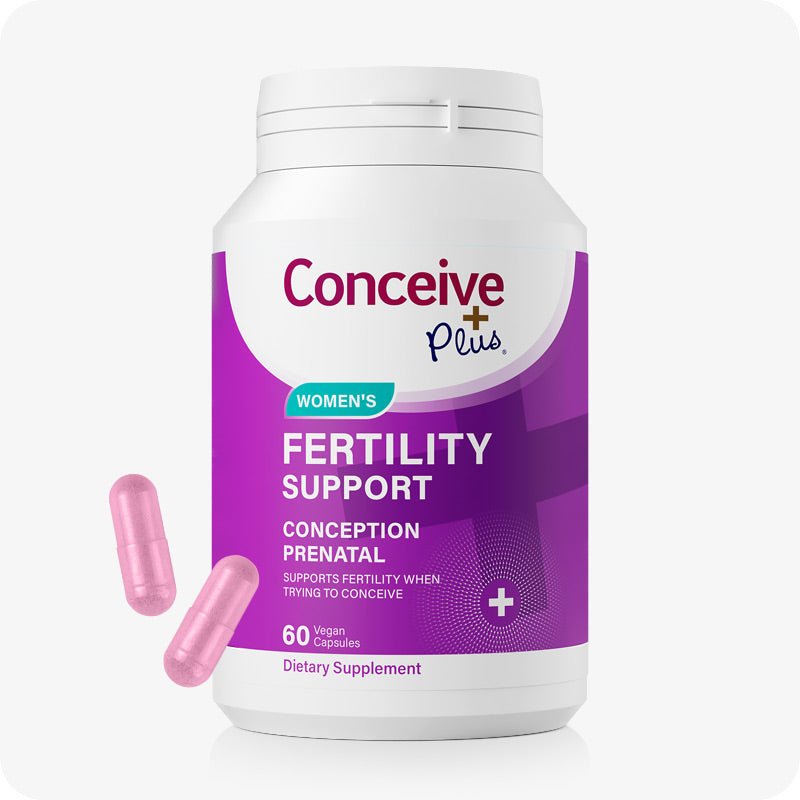
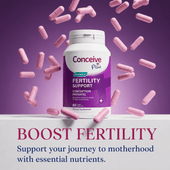
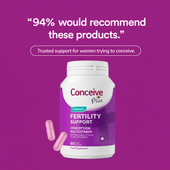
Conceive Plus Women's Fertility Support delivers a research-backed blend of key vitamins, minerals, and antioxidants specifically formulated to support egg quality, hormonal balance, and uterine health during your conception journey. Each ingredient is included at clinically relevant doses — not the token amounts seen in generic prenatal vitamins.
Conceive Plus Men's Fertility Support is formulated to address the key drivers of sperm quality — count, motility, morphology, and DNA integrity — with a targeted blend of zinc, selenium, CoQ10, vitamins C and E, and L-carnitine. Designed for men who want to take an active role in their couple's fertility journey.
For couples taking the comprehensive approach: the Maximum Fertility Bundle combines both his and hers supplements into one convenient package, with significant savings compared to purchasing separately.
Shop Maximum Fertility Bundle →5. The Fertility Diet: How Food and Supplements Work Together
Supplements are not a replacement for a nutritious diet — they work best as an addition to one. Research consistently shows that dietary patterns have a powerful influence on fertility outcomes. The evidence-based foundation:
The Mediterranean Diet Pattern for Fertility
Multiple observational studies link Mediterranean-style eating patterns with better fertility outcomes. A 2018 study in Human Reproduction found that adherence to a Mediterranean diet was associated with a 65–68% higher probability of achieving clinical pregnancy during IVF. Key elements:
- Abundant colourful vegetables and fruits — antioxidants that protect eggs and sperm from oxidative damage
- Whole grains over refined carbohydrates — stabilise blood sugar and reduce insulin-mediated hormonal disruption
- Legumes (lentils, beans, chickpeas) — plant-based protein with fertility-protective effects
- Oily fish (salmon, sardines, mackerel) — natural DHA and EPA
- Nuts and seeds — omega-3s, selenium, zinc, vitamin E
- Olive oil — anti-inflammatory monounsaturated fats
Key Foods to Add
- Brazil nuts (1–2 daily) — selenium for sperm and egg quality
- Pumpkin seeds — zinc and omega-3s
- Leafy greens (spinach, kale) — folate, iron, magnesium
- Avocado — folate, healthy fats, vitamin E
- Berries — anthocyanin antioxidants
- Eggs — choline, vitamin D, protein
What to Reduce or Eliminate
- Trans fats and ultra-processed foods — pro-inflammatory, impair hormonal signaling
- Alcohol — disrupts estrogen metabolism and sperm production; ideally eliminate while TTC
- Excess caffeine — limit to 1–2 cups of coffee daily (≤200 mg caffeine)
- High-mercury fish (swordfish, shark, king mackerel, tilefish)
- Highly processed meats — associated with worse sperm morphology
6. Timing and Consistency: Getting the Most from Fertility Supplements
Even the best supplements will underperform if taken inconsistently or started too late. Here is how to optimise your approach:
When to Start
Begin your fertility supplement protocol 3–6 months before you start trying to conceive. This window covers the full development of the next generation of eggs and sperm. CoQ10, in particular, needs at least 60–90 days to build to effective levels in follicular fluid. Folate should be started at least one month before conception attempts, ideally earlier.
Consistency Over Perfection
Taking your supplements every day — even imperfectly — is more valuable than sporadic high-dose efforts. Set a daily reminder, link your supplement routine to an existing habit (morning coffee, bedtime routine), and keep your supplements visible as a cue.
Absorption Matters
- Fat-soluble vitamins (D, E, K, A): Take with a fat-containing meal for optimal absorption
- CoQ10: Best absorbed with food; ubiquinol form is more bioavailable, especially over age 35
- Iron: Take on an empty stomach or with vitamin C; avoid taking with calcium or coffee/tea which impair absorption
- Folate: Well absorbed at any time of day
- Omega-3s: Take with meals to prevent fishy aftertaste and improve absorption
Don't Forget the Basics
Supplements work best in a context of adequate sleep (7–9 hours), regular moderate exercise, stress management, and healthy body weight. No supplement can compensate for chronic sleep deprivation or a diet of primarily processed foods. Build the foundation first, then optimise with targeted nutrition.
7. Special Considerations: When Supplements May Not Be Enough
Fertility supplements are powerful allies for optimising reproductive health — but they are not a replacement for medical evaluation when something is genuinely wrong. It is important to know when to escalate:
- If you are under 35: Seek evaluation after 12 months of regular unprotected intercourse without conception
- If you are 35–39: Seek evaluation after 6 months
- If you are 40+: Seek evaluation after 3 months, or immediately if there are known risk factors
- Red flags warranting immediate evaluation: Irregular or absent periods, known PCOS or endometriosis, previous pelvic infections or surgeries, recurrent pregnancy loss (2+ miscarriages), known male factor issues, or concerns about ovarian reserve
A reproductive endocrinologist (fertility specialist) can order baseline investigations including Day 3 FSH, LH, AMH (ovarian reserve), vitamin D levels, thyroid function, and a semen analysis — providing the targeted information needed to personalise your supplement and treatment approach.
In many cases, targeted supplementation and lifestyle optimisation in the months before treatment significantly improves IUI and IVF outcomes, reducing the number of cycles needed and improving embryo quality.
8. Fertility Lubricant: The Supplement Your Sex Life Needs
One aspect of fertility nutrition that is often overlooked: the product you use during conception-timed intercourse matters more than most people realise. Research has consistently shown that many standard personal lubricants — including popular water-based and silicone-based brands — can significantly impair sperm motility, reducing it by 60–100% within minutes of exposure.
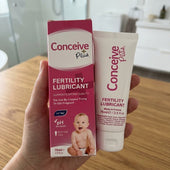
If you use lubricant during intercourse, choose a sperm-safe option. Conceive Plus Fertility Lubricant is specifically formulated to be safe for sperm — with isotonic pH levels and calcium and magnesium ions that mimic the natural environment of the female reproductive tract and actually support sperm function.
Shop Fertility Lubricant →Frequently Asked Questions: Fertility Supplements
Q1: When should I start taking fertility supplements?
Ideally, 3–6 months before you begin trying to conceive. Egg development takes about 90 days, and sperm production takes about 72 days — meaning the nutrients you consume now influence the eggs and sperm involved in conception months from now. At minimum, start folic acid at least one month before conception attempts.
Q2: Can I get all the fertility nutrients I need from food alone?
In theory, yes — but in practice, very few people achieve optimal levels of every fertility-critical nutrient through diet alone. Vitamin D is particularly difficult to obtain from food; CoQ10 levels in food are far below therapeutic doses; and achieving optimal omega-3 intake would require eating fatty fish multiple times per week. Targeted supplementation fills these gaps reliably.
Q3: Are there fertility supplements for men?
Absolutely — and they matter enormously. Male factor infertility contributes to roughly 50% of all infertility cases. Evidence-backed supplements for men include CoQ10, zinc, selenium, vitamin C, vitamin E, and L-carnitine. The Conceive Plus Men's Fertility Support covers all of these in a convenient daily formula.
Q4: Is CoQ10 worth taking for fertility?
For most people, yes. CoQ10 supports mitochondrial function in both eggs and sperm — improving energy production during critical developmental stages. It is especially valuable for women over 35 (when CoQ10 levels naturally decline), women with diminished ovarian reserve, and men with poor sperm motility. Multiple RCTs support its efficacy at 200–600 mg/day.
Q5: Can I take fertility supplements while on birth control?
Yes — and many fertility specialists recommend starting prenatals and CoQ10 while still on birth control, so levels are optimised when you stop. Folate is particularly important to have on board before conception. Discuss with your healthcare provider if you have any specific concerns about interactions with your current medications.
Q6: How long does it take for fertility supplements to work?
Because of the spermatogenic cycle (72 days) and folliculogenesis timeline (approximately 90 days), meaningful changes to egg and sperm quality typically take 3 months to manifest. Some benefits — like improved energy and hormonal balance — may be felt more quickly. Semen analysis improvements are typically measurable after 3 months of consistent supplementation.
Q7: What is the difference between prenatal vitamins and fertility supplements?
Prenatal vitamins are formulated to support fetal development once pregnancy is established. Fertility supplements (including Conceive Plus products) are formulated to support conception — focusing on egg quality, sperm health, hormonal balance, and ovulation. Many women transition from a fertility supplement to a prenatal supplement once pregnancy is confirmed. Some products (like Conceive Plus Women's Fertility Support) serve both purposes.
Q8: Are expensive supplements worth it compared to cheap store brands?
Quality matters significantly in supplements. Key differences include: bioavailability (methylfolate vs. folic acid; ubiquinol vs. ubiquinone CoQ10); dose (some cheap supplements include ingredients at doses 10x below the clinically studied amount); and purity (third-party testing for heavy metals, contaminants). Invest in quality — this is your reproductive health.
Q9: Can too many supplements be harmful?
Yes — more is not always better. Fat-soluble vitamins (A, D, E, K) can accumulate to toxic levels if over-supplemented. Vitamin A (retinol form) in high doses is teratogenic — avoid supplements with more than 800 mcg RAE of preformed vitamin A (beta-carotene is safe). Always follow recommended doses and discuss your full supplement regimen with your healthcare provider.
Q10: Should my partner also take fertility supplements?
Yes. Both partners' health matters equally. Since sperm contribute half the genetic material in an embryo — and since poor sperm DNA integrity is associated with higher miscarriage rates regardless of female partner age — male fertility supplementation is not optional if you are serious about conception success. Starting your partner on a men's fertility formula at the same time as you begin yours is the highest-ROI fertility investment a couple can make.
Conclusion: Build Your Fertility Supplement Foundation Today
Fertility supplements are not a magic fix — but for most couples, they are a genuinely impactful part of the conception toolkit. The key nutrients reviewed here — folate, CoQ10, vitamin D, omega-3s, zinc, selenium, and L-carnitine — each play documented, mechanistically understood roles in reproductive health. The evidence is not about "might help" — these nutrients are functional requirements for optimal fertility.
Start early. Be consistent. Choose quality. And build your supplement routine within a broader foundation of a nutrient-rich diet, restorative sleep, regular exercise, and stress management. Your fertility is a reflection of your overall health — nurture both, and you give yourself the best possible odds.
Conceive Plus is committed to making evidence-based fertility support accessible to all American couples navigating the TTC journey. Explore our full range of products designed to support every stage of your path to conception.
Shop All Fertility Supplements →Trusted by Couples in Over 70 Countries
Support Male Fertility From the Inside Out
Male fertility is just as important as female fertility in the conception journey. Conceive Plus Men's range delivers targeted nutritional support to promote healthy sperm and overall reproductive wellbeing.
Shop Men's Range →