Sperm Health 101: A Complete Guide to Understanding, Testing, and Optimising Male Fertility


Why Sperm Health Matters More Than You Think
When most people think about fertility, the conversation tends to focus on female reproductive health. Yet male factor infertility contributes to approximately 40–50% of all infertility cases — and in many instances, it is the sole or primary cause. Despite these numbers, sperm health remains one of the most overlooked aspects of preconception care.
Sperm health is not just about the ability to conceive. Sperm DNA quality has been linked to embryo development, implantation success, miscarriage risk, and even the long-term health of offspring. Optimising sperm health is therefore one of the most impactful steps a couple can take when trying to conceive.
This guide covers what defines healthy sperm, how to test it, and what you can do — through lifestyle, nutrition, and supplementation — to improve it.
What Defines Healthy Sperm?
Supporting Your Fertility Journey
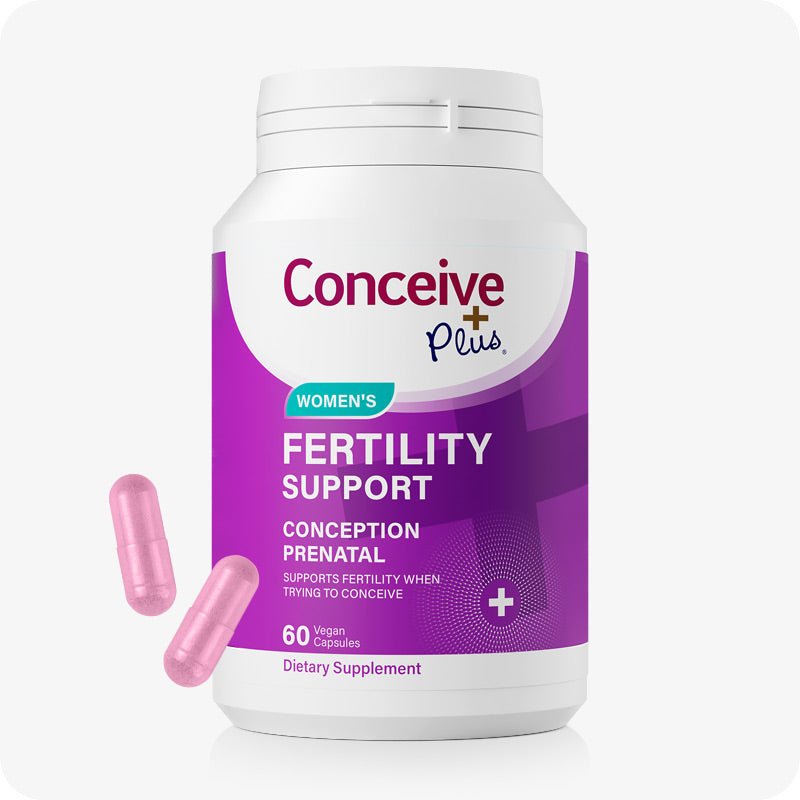
Conceive Plus products are formulated by fertility specialists to work with your body — not against it. From fertility-friendly lubricants clinically tested to match the pH and osmolality of fertile cervical mucus, to targeted nutritional supplements for both men and women, our range supports every step of your conception journey.
Fertility specialists evaluate sperm health based on three primary parameters, as defined by the World Health Organisation (WHO) reference ranges (6th edition, 2021):
Sperm Count (Concentration)
Sperm concentration refers to the number of sperm per millilitre of semen. The WHO reference value is a minimum of 16 million sperm per mL. Below this threshold is classified as oligospermia (low count). A total sperm count of at least 39 million per ejaculate is considered normal.
Motility
Motility measures the percentage of sperm that are moving. For natural conception, sperm must swim through the cervical mucus, through the uterus, and into the fallopian tubes to reach the egg. The WHO reference is at least 42% total motility, with at least 30% showing progressive motility. Low motility (asthenospermia) is one of the most common male fertility issues.
Morphology
Morphology refers to the shape and structure of sperm. Sperm must have an oval head, a well-defined midpiece, and a long, straight tail to swim effectively and penetrate the egg. The WHO reference for normal morphology is at least 4% using strict criteria (Kruger).
Beyond these core parameters, additional measures such as semen volume, pH, liquefaction time, and the presence of white blood cells or antibodies provide further insight into reproductive health.
Common Causes of Poor Sperm Health
Sperm health can be affected by a wide range of factors — some genetic, some environmental, and many entirely within your control.
Lifestyle Factors
- Smoking: Men who smoke have significantly lower sperm counts and motility, and higher DNA fragmentation. The effect is dose-dependent.
- Alcohol: Heavy alcohol consumption disrupts testosterone production and sperm maturation. Binge drinking is particularly harmful.
- Heat exposure: The scrotum is designed to keep testes 2–4°C below body temperature. Frequent hot baths, saunas, tight underwear, and prolonged sitting can impair sperm production.
- Poor diet: Diets low in antioxidants (zinc, selenium, vitamin C, vitamin E, CoQ10) and high in processed foods and trans fats are associated with poorer sperm quality.
- Stress: Chronic stress elevates cortisol, which suppresses the hypothalamic-pituitary-gonadal axis and reduces testosterone and sperm production.
- Sleep deprivation: Men who sleep fewer than 6 hours per night have significantly lower sperm counts than those who sleep 7–8 hours.
- Obesity: Excess body fat leads to increased aromatase activity (converting testosterone to oestrogen) and hormonal disruption.
Medical Conditions
- Varicocele: Enlarged veins in the scrotum cause blood pooling, increased temperature, and oxidative stress — the most common reversible cause of male infertility.
- Infections: STIs, prostatitis, and epididymitis can impair sperm production.
- Hormonal imbalances: Low testosterone, high prolactin, thyroid disorders, and pituitary issues affect sperm production.
- Genetic conditions: Klinefelter syndrome, Y-chromosome microdeletions can cause specific fertility problems.
- Medications: Some antibiotics, antidepressants (SSRIs), testosterone replacement therapy, anabolic steroids, and chemotherapy agents can impair sperm production.
Semen Analysis: What to Expect
A semen analysis is the first and most important test for evaluating male fertility. It is non-invasive, inexpensive, and provides a wealth of diagnostic information.
How to Prepare
- Abstain from ejaculation for 2–5 days before the test.
- Avoid alcohol and smoking for at least 48 hours beforehand.
- Collect the sample by masturbation into a sterile container provided by the lab.
- Keep the sample at body temperature and deliver to the lab within one hour.
Understanding Your Results
If results are borderline or abnormal, a repeat test in 6–12 weeks is recommended, as sperm take approximately 74 days to mature. Single abnormal results can be influenced by recent illness, stress, or sample collection issues.
Evidence-Based Strategies for Improving Sperm Health
The good news is that sperm health is remarkably responsive to lifestyle changes. Because sperm production takes about 74 days, improvements from interventions typically become visible within 3 months.
Nutrition and Diet
- Zinc: Critical for sperm production and testosterone metabolism. Found in oysters, red meat, poultry, beans, nuts, and whole grains.
- Selenium: A powerful antioxidant that supports sperm maturation and motility. Brazil nuts (just 2–3 per day), tuna, sardines, and eggs are rich sources.
- CoQ10: Produces energy in sperm cells and protects against oxidative damage. Supplementation has been shown to significantly improve sperm motility.
- Folate (Vitamin B9): Essential for DNA synthesis and methylation. Leafy green vegetables, legumes, and fortified grains are excellent sources.
- Vitamin D: Low levels are linked to reduced sperm motility. Sun exposure, fatty fish, and fortified dairy products help.
- Omega-3 fatty acids: Improve sperm membrane integrity and motility. Found in fatty fish, flaxseeds, chia seeds, and walnuts.
Lifestyle Modifications
- Quit smoking — within 3 months of quitting, sperm quality typically improves significantly.
- Limit alcohol to 1–2 drinks per day or less during the preconception period.
- Avoid heat — switch to loose-fitting boxers, avoid hot baths and saunas.
- Exercise moderately — 150 minutes per week improves sperm quality.
- Sleep 7–9 hours per night.
- Manage stress through mindfulness, meditation, or regular walks.
Supplements for Male Fertility
Several well-designed randomised controlled trials support the use of specific nutrient combinations for improving sperm health. Look for supplements that combine zinc, selenium, CoQ10, vitamin C, vitamin E, folate, and omega-3s in fertility-specific dosages.
The Often-Overlooked Role of Fertility Lubricants
Many couples use personal lubricants during intercourse without realising that standard lubricants can be detrimental to sperm health. Research has consistently shown that most commercial lubricants — including water-based, silicone-based, and even natural alternatives such as olive oil and saliva — impair sperm motility, sometimes by 60–100% within 30–60 minutes of contact.
Sperm require a precise environment with a pH between 7.2 and 8.0 and an osmolality of approximately 300 mOsm/kg to survive and swim effectively. Most commercial lubricants fall well outside these ranges. If lubrication is needed during conception-focused intercourse, choose a fertility-friendly lubricant specifically formulated to match the natural conditions of fertile cervical mucus.
When to Seek Professional Help
If you have been trying to conceive for 12 months (or 6 months if your partner is over 35), it is time for both partners to undergo a fertility evaluation — including a semen analysis for the male partner. Seek help sooner if you have a known risk factor such as testicular injury, undescended testicles, chemotherapy history, or sexual dysfunction.
In many cases, the cause of poor sperm health can be identified and managed. Treatment ranges from lifestyle changes and supplementation to surgical correction (e.g. varicocelectomy) or assisted reproductive techniques such as intrauterine insemination (IUI) or intracytoplasmic sperm injection (ICSI).
Frequently Asked Questions About Sperm Health
How long does it take to improve sperm quality?
Sperm production takes approximately 74 days (about 2.5 months). Improvements from lifestyle changes, diet, and supplementation typically become measurable within 3 months.
Can poor sperm health be reversed?
In most cases, yes. The vast majority of causes — including lifestyle factors, nutritional deficiencies, varicocele, and infections — are treatable. Genetic causes may not be reversible but can often be managed with assisted reproductive techniques.
Does underwear type really matter?
Yes. A 2018 study published in Human Reproduction found that men who primarily wore boxers had significantly higher sperm concentrations and total sperm counts than those who wore briefs or other tight styles.
Is sperm health linked to overall health?
Strongly. Men with poor sperm quality have higher rates of cardiovascular disease, metabolic syndrome, and cancer. Sperm health is increasingly recognised as a biomarker for overall male health.
Does ejaculation frequency affect sperm quality?
Daily ejaculation can slightly reduce sperm concentration but may improve motility and DNA quality. For most men, daily intercourse during the fertile window is recommended.
Can COVID-19 affect sperm health?
Several studies have shown that moderate-to-severe COVID-19 infection can temporarily impair sperm parameters, particularly motility and count. The effects appear to resolve within 3–6 months.
At what age does male fertility decline?
Male fertility begins to decline measurably from around age 40–45. Sperm DNA fragmentation increases progressively with age.
Does cycling affect sperm health?
Long-distance cycling (more than 3–5 hours per week) has been associated with reduced sperm parameters in some studies, likely due to heat and pressure on the perineum.
What is the single most important change a man can make to improve sperm health?
The combination of quitting smoking, adopting a nutrient-rich diet, maintaining a healthy weight, and managing stress creates a powerfully synergistic effect on sperm quality.
How does Conceive Plus help support male fertility?
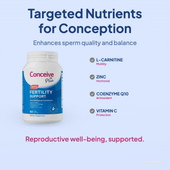
Conceive Plus fertility-friendly lubricant is clinically tested to match the pH and osmolality of fertile cervical mucus, ensuring that sperm can survive and swim effectively during intercourse. Our Men's Motility Support supplement provides targeted nutrients including CoQ10, zinc, selenium, and vitamin D to support healthy sperm production.
Take the Next Step in Your Fertility Journey
Whether you are just beginning to try or have been navigating fertility challenges for a while, Conceive Plus has evidence-based products designed to support you. Trusted by thousands of couples worldwide.