How to Improve Egg Quality After 35: A Science-Backed 90-Day Guide


What if the quality of your eggs isn't a fixed countdown, but a biological environment you can actually influence? Many women feel a sense of panic as they reach their late thirties, fearing that chromosomal abnormalities or a declining ovarian reserve have already decided their future. It's easy to feel overwhelmed by conflicting supplement advice and the high stakes of fertility treatments. You deserve a clear, evidence-based strategy instead of just crossing your fingers and hoping for the best.
The good news is that you have a specific window of opportunity. This article explores how to improve egg quality after 35 by focusing on the 90 days it takes for an egg to mature before ovulation. During this critical time, your lifestyle choices and nutrition can directly impact the health of your follicles. We'll provide a science-backed 90-day plan that simplifies supplement choices like CoQ10, outlines essential lifestyle shifts, and helps you create the best possible environment for conception. Whether you're aiming for a natural pregnancy or preparing for an IVF cycle, these steps will help you take control of your reproductive health and improve your chances of a successful, healthy pregnancy.
Key Takeaways
- Understand the biological 90-day maturation cycle and why this specific window is your best chance to influence egg health before ovulation.
- Learn how targeted nutrients like CoQ10 support mitochondrial energy to protect your follicles from oxidative damage and age-related decline.
- Discover how to improve egg quality after 35 by optimizing sleep hygiene and managing cortisol to restore a healthy reproductive environment.
- Get a structured, step-by-step 90-day protocol that transitions from foundational detoxification to intensive nourishment for better conception outcomes.
- Find out why a comprehensive system approach to fertility support is more effective than taking isolated, low-grade supplements.
The Science of Egg Quality: Understanding the 90-Day Maturation Cycle
Understanding the biological reality of your fertility starts with a clear distinction between quantity and quality. While your ovarian reserve, or the total number of eggs you have, is determined before you're even born, the quality of those eggs is not set in stone. The Science of Egg Quality reveals that an egg undergoes a rigorous 90-day maturation process before it's released during ovulation. This three-month journey is the primary reason why learning how to improve egg quality after 35 is both possible and effective.
During these 90 days, the egg transitions from a dormant state to a fully developed oocyte. It sits within a protective sac called a follicle, filled with follicular fluid. This fluid acts as a specialized micro-environment that delivers nutrients, hormones, and antioxidants. If this fluid is rich in protective compounds, the egg has a much higher chance of developing correctly. If the environment is compromised by oxidative stress, the egg's delicate DNA can be damaged. This window is your opportunity to intervene and optimize the environment where your eggs grow.
To better understand this concept, watch this helpful video:
Why 35 is a Turning Point, Not a Cliff
There's a common misconception that fertility vanishes overnight at age 35. In reality, 35 is a statistical marker where the risk of chromosomal non-disjunction starts to rise more noticeably. This process, where chromosomes don't separate correctly, can lead to aneuploidy or early pregnancy loss. However, modern success rates show that many women conceive healthy babies well into their late 30s and early 40s. The focus shouldn't be on your chronological age, but on the maturation environment you provide during that 90-day cycle. By improving the health of the follicle, you can help mitigate some of the age-related risks.
The Role of Mitochondria in Oocyte Health
Mitochondria are often called the powerhouses of the cell, and they're vital for your eggs. An egg cell contains significantly more mitochondria than any other cell in the human body. This is because the process of fertilization and early embryo division requires immense energy. As we age, mitochondrial function can decline, leading to energy brownouts during critical stages of development. This dysfunction is a leading cause of poor fertilization rates and embryo arrest. Supporting these tiny powerhouses is a cornerstone of how to improve egg quality after 35, ensuring your eggs have the fuel they need to divide and thrive.
Key Nutrients and Supplements to Support Egg Health
Selecting the right nutrients is the most direct way to influence the follicular environment. While we can't reverse time, we can provide the biological building blocks necessary to combat age-related infertility. During the 90-day maturation window, the egg is highly sensitive to its surroundings. This is where targeted supplementation becomes a game changer for women learning how to improve egg quality after 35. By flooding the follicle with protective compounds, you give each egg a better chance at healthy development.
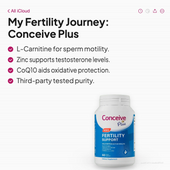
Coenzyme Q10 (CoQ10) is perhaps the most critical supplement for mitochondrial support. Since eggs require massive amounts of energy to divide and fertilize, a shortage of CoQ10 can lead to chromosomal errors. Research suggests that supplementing with CoQ10 helps maintain the energy production needed for healthy maturation. It acts as a biological spark plug, ensuring the "powerhouses" of your cells don't fail during the final stages of ovulation. This is vital because mitochondrial dysfunction is a primary reason for embryo arrest in older reproductive ages.
Myo-Inositol: Balancing Hormones and Egg Maturation
Myo-Inositol is a powerhouse for improving the follicular environment. It plays a vital role in insulin signaling, which is crucial because even slight insulin resistance can negatively affect egg quality. This is true even for women who don't have PCOS. By improving how the body processes insulin, Myo-Inositol helps ensure that maturing eggs receive the right hormonal signals at the right time. For a deeper look at this nutrient, explore our Myo-Inositol for Fertility: A Complete Guide.
Antioxidants: Protecting the Oocyte from Damage
Think of antioxidants as a protective shield for your eggs. Oxidative stress is one of the primary drivers of DNA fragmentation in oocytes. Nutrients like Vitamin C, Vitamin E, and Selenium work together to neutralize free radicals that would otherwise damage the egg's genetic material. Maintaining a high level of these "shields" within the follicular fluid is essential for maintaining integrity. You can find more about these specific requirements in The Essential Guide to Fertility Prenatal Vitamins.
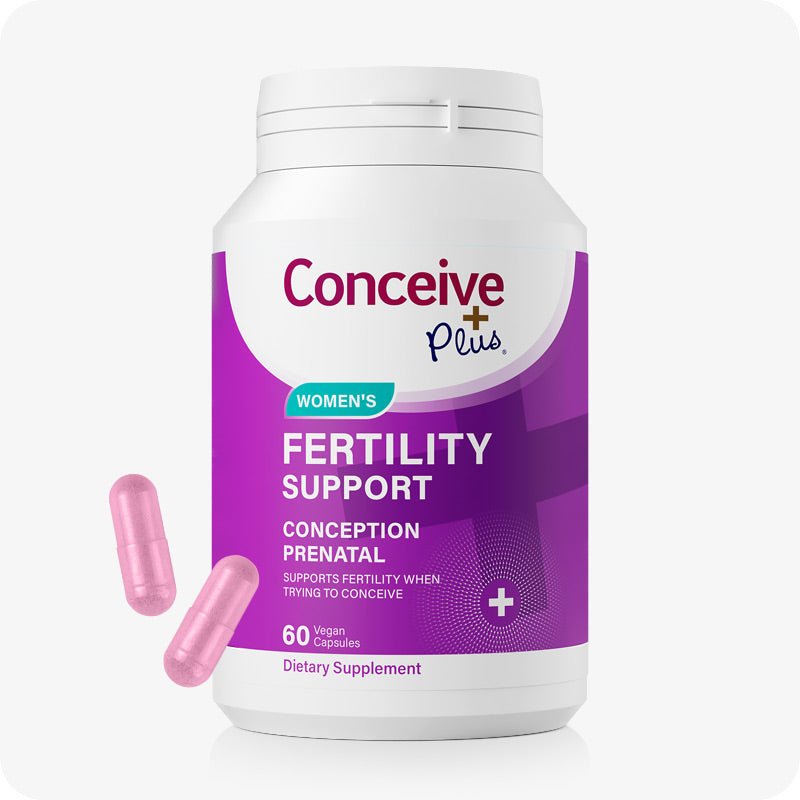
Folic acid remains the gold standard for DNA synthesis. It's not just for preventing neural tube defects after you're pregnant; it's vital during the 90 days before conception. It ensures that as the egg's DNA replicates, the process is as accurate as possible. Combining these nutrients into a daily routine is a proactive step in your fertility journey. If you're ready to start your 90-day protocol, consider using specialized fertility support to ensure you're getting high-quality, pharmaceutical-grade ingredients.
Lifestyle Adjustments to Reduce Oxidative Stress
Your lifestyle choices act as the "soil" in which your eggs mature. While supplements provide the raw materials, your daily habits determine how well your body can actually use them. Chronic stress is a primary hurdle. When your body is stuck in a "fight or flight" state, it produces high levels of cortisol. This hormone can suppress the reproductive axis, signaling to your body that it's not a safe time to conceive. Reducing this biological noise is a foundational part of how to improve egg quality after 35.
Sleep is another critical factor that many overlook. It's during deep sleep that your body produces melatonin. While most people think of melatonin only as a sleep aid, it's actually one of the most powerful antioxidants found in follicular fluid. It actively scavenges free radicals that would otherwise cause DNA damage to the maturing egg. Aiming for seven to nine hours of quality rest isn't just about energy; it's about giving your ovaries a nightly "antioxidant bath" to protect your future embryos.
Environmental factors also play a role in the health of your oocytes. Endocrine disruptors like BPA and phthalates, often found in plastics and scented products, can mimic estrogen and interfere with delicate hormonal signaling. Simple changes like switching to glass food containers and choosing fragrance-free personal care items can significantly lower your toxic load. Combined with avoiding cigarette smoke, which a 2026 meta-analysis shows makes women 1.6 times more likely to be infertile, these adjustments create a much cleaner environment for egg development.
Finally, your ovaries need a consistent supply of oxygenated, nutrient-rich blood. Pelvic circulation can often become stagnant due to sedentary desk work or even high levels of stress. Improving blood flow ensures that the nutrients you're taking actually reach the follicles where they're needed most.
Dietary Pillars for Oocyte Optimization
A Mediterranean-style diet is the gold standard for fertility. Focus on high-quality fats like Omega-3 fatty acids from wild-caught fish and walnuts, which help reduce systemic inflammation. Balancing your blood sugar is equally vital to prevent insulin spikes that can disrupt the follicular environment. High glycemic index foods cause rapid glucose spikes that increase oxidative stress within the follicular fluid, potentially damaging the developing oocyte.
Movement and Circulation
When it comes to exercise, more isn't always better. While movement is essential for the lymphatic system, high-intensity training can sometimes backfire by raising cortisol levels too high. Moderate activities like walking, swimming, or fertility-focused yoga are often more effective for supporting egg health. These practices, along with acupuncture, are specifically designed to increase pelvic blood flow and reduce tension in the reproductive organs, ensuring your ovaries have the circulation they need to thrive during their 90-day maturation cycle.
Your 90-Day Protocol: A Step-by-Step Action Plan
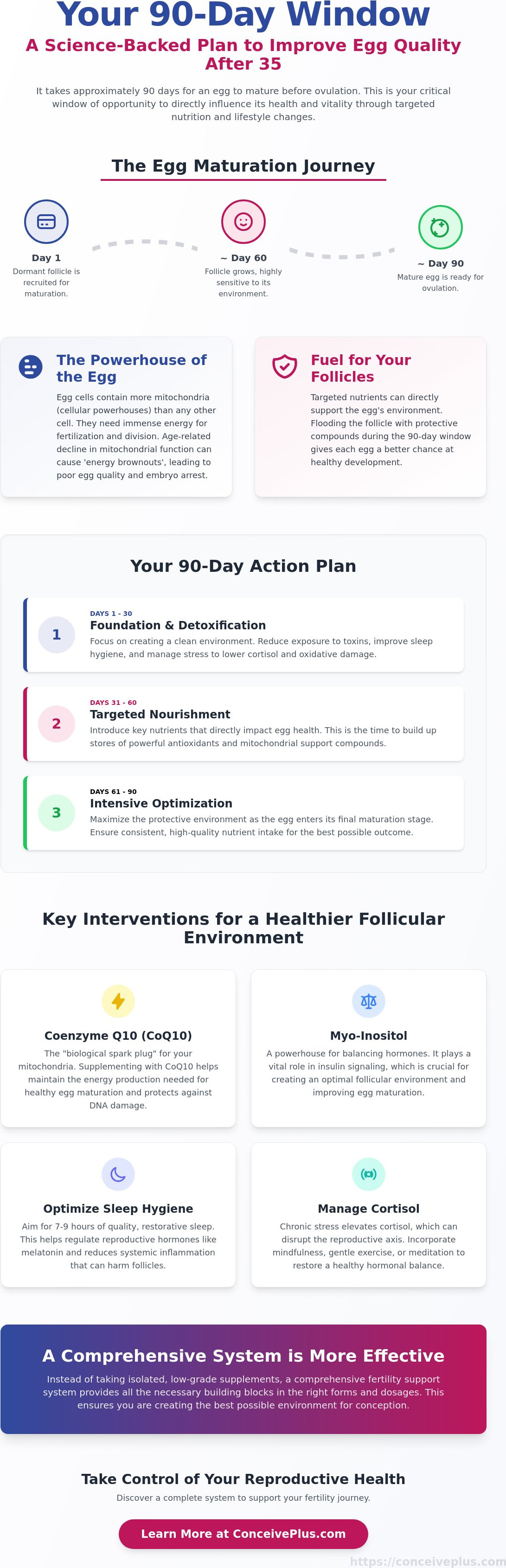
Successfully navigating the 90-day maturation window requires more than just good intentions; it requires a structured approach. Since it takes about three months for an egg to prepare for ovulation, your actions today won't fully impact your fertility until 90 days from now. This timeline is exactly why a phased protocol is so effective. By breaking the journey into three distinct 30-day blocks, you can systematically address every factor involved in how to improve egg quality after 35. This ensures you aren't just taking supplements but are actively transforming your biological environment.
Phase 1: Assessing and Correcting
The first 30 days are about clearing the path. Start by cleaning up your environment and your nutritional baseline. Begin a high-quality prenatal vitamin regimen immediately to fill any existing micronutrient gaps. You'll also want to audit your home for endocrine disruptors by swapping out plastic food containers for glass and choosing cleaner skincare products. To get a head start on understanding your biology, use an ovulation calculator to start understanding your cycle trends and identifying your baseline fertile window.
Phase 2: Deep Cellular Support
Once you've established a clean foundation, the second month focuses on intensive nourishment. This is the peak of the maturation process where the egg's energy demands are highest. Introduce targeted support like Myo-Inositol and CoQ10 to boost mitochondrial function and improve the follicular fluid environment. It's essential to maintain anti-inflammatory nutrition and strict sleep hygiene during this time. Keep in mind that meaningful cellular repair takes roughly 60 days to manifest in the quality of the maturing egg. This middle month is the "heavy lifting" phase where you're directly influencing the health of the oocytes that will be released next month.
Phase 3: Preparation for Conception
In the final 30 days, precision is your priority. You're preparing for the actual cycle of conception. Use high-sensitivity tests to pinpoint your fertile window accurately. You should also ensure the vaginal environment is supportive of sperm health, as standard lubricants can often hinder motility. Tracking your cycle with precision in the final 30 days helps you align your efforts with your most fertile days. By the end of this phase, your eggs have spent three months developing in a nutrient-rich, low-stress environment.
Taking control of your fertility journey doesn't have to be overwhelming. Following a structured plan helps reduce the anxiety often associated with age-related concerns. If you're ready to commit to this 90-day window, you can find everything you need in our complete fertility support bundles to streamline your daily protocol.
Choosing the Right Support for Your Journey
Executing a 90-day protocol requires consistency and high-quality tools. Many women start their journey by picking up random bottles of vitamins from various brands, but this fragmented approach often leads to gaps in nutrition or redundant dosages. A systematic approach is far more effective. By using a coordinated set of supplements, you ensure that every nutrient works in synergy to support the follicular environment. This is a critical component of learning how to improve egg quality after 35; it's about the quality of the support, not just the quantity of pills.
Pharmaceutical-grade support is essential because the purity and bioavailability of your supplements determine their effectiveness. Cheap, mass-produced vitamins often contain fillers or forms of nutrients that the body struggles to absorb. When you're working within a specific 90-day window, you don't have time to waste on products that don't deliver. Choosing professional-grade options ensures that your maturing eggs receive the exact concentrations of antioxidants and mitochondrial support they need to thrive.
One of the most common questions women ask is whether it's simply too late to make a difference. While you can't change your chronological age, the science of the 90-day maturation cycle proves that you can influence the quality of the eggs you have right now. Every cycle represents a new opportunity. By focusing on the health of the oocytes currently in development, you're maximizing your biological potential and discovering how to improve egg quality after 35 through targeted action. It's not about the years behind you; it's about the environment you create for the eggs you're preparing to release.
The Conceive Plus Advantage
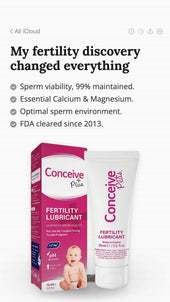
Using products specifically formulated for couples trying to conceive (TTC) provides a distinct advantage. It's not just about what you take internally; it's also about supporting the external environment during the fertile window. Standard lubricants can be detrimental to sperm health because they often have the wrong pH or osmotic pressure. Using pH-balanced, sperm-friendly support ensures that when you do ovulate a high-quality egg, the path for fertilization is clear. You can browse best-selling fertility products designed to support every stage of this process.
Success Stories and Next Steps
Seeing this 90-day protocol as a permanent lifestyle shift rather than a temporary fix can lead to better long-term hormonal balance. Many women have found success by staying committed to these science-backed changes. You can read Conceive Plus reviews from others who have successfully navigated their fertility journeys after 35. This community of success stories proves that with the right plan and support, the path to parenthood is still very much open. To simplify your journey, explore fertility bundles that provide a comprehensive 3-month approach to your reproductive health.
Take Control of Your 90-Day Fertility Window
Your fertility journey isn't defined by a single number on a calendar. By understanding the science of the 90-day maturation cycle, you've gained the tools to actively shape your reproductive future. Success comes from focusing on the follicular environment through targeted antioxidants, blood sugar balance, and restorative sleep. These small, daily shifts compound over three months to create a healthier foundation for conception.
Learning how to improve egg quality after 35 is about replacing anxiety with a clear, actionable plan. You don't have to navigate this process alone or guess which supplements are most effective. Conceive Plus provides a system that's clinically recommended by doctors in over 70 countries and is FDA cleared to ensure safety and efficacy. Our products are pH balanced specifically for fertility, supporting the thousands of success stories from women over 35 who have already achieved their goals.
Start your 90-day fertility journey with Conceive Plus Bundles today and give your body the pharmaceutical-grade support it deserves. It's time to move forward with confidence, knowing you're doing everything possible to support your path to parenthood.
Frequently Asked Questions
Is it really possible to improve egg quality after 35?
Yes, you can influence the health of your eggs by optimizing the follicular environment. While you can't increase the total number of eggs you have, the biological environment they mature in for 90 days determines their quality. This is why learning how to improve egg quality after 35 is so effective. By reducing oxidative stress and supporting mitochondrial energy, you help the egg divide correctly and maintain its genetic integrity before ovulation.
How long does it take to see improvements in egg quality?
It takes about three months to see the full impact of your efforts. This timeline aligns with the 90-day maturation cycle an egg undergoes before it is ready for release. Any changes you make today in your diet, supplement routine, or lifestyle will affect the eggs you ovulate 90 days from now. Consistency is vital during this window to ensure the maturing follicles receive steady nutritional support for the best results.
Which supplements are most effective for egg quality in older women?
Coenzyme Q10 (CoQ10) and Myo-Inositol are two of the most researched options for reproductive health. CoQ10 supports the mitochondria, providing the energy needed for healthy cell division. Myo-Inositol helps with insulin sensitivity and hormone balance within the follicle. Other essential nutrients include Folate for DNA synthesis and Melatonin, which acts as a powerful antioxidant during sleep. These targeted ingredients are central to any plan for how to improve egg quality after 35.
Can diet alone improve egg quality or are supplements necessary?
While a Mediterranean-style diet provides a vital foundation, supplements are often necessary to reach therapeutic levels of specific nutrients. For example, getting high doses of CoQ10 or Myo-Inositol solely through food is extremely difficult. Supplements act as a concentrated insurance policy, ensuring your follicles have the exact antioxidants needed to neutralize free radicals. Combining a nutrient-dense diet with pharmaceutical-grade supplements offers the most comprehensive support for your maturation cycle and hormonal health.
Does stress actually affect the quality of my eggs?
Yes, chronic stress triggers the release of cortisol, which can interfere with the signals between your brain and ovaries. High cortisol levels can delay ovulation or lead to poor-quality follicles. Stress also increases oxidative damage throughout the body, including the reproductive system. Managing stress through moderate exercise, sleep, and relaxation techniques helps lower these inflammatory markers, creating a safer and more stable environment for your eggs to grow and thrive.
How do I know if my egg quality has improved?
You can't measure egg quality with a simple blood test, but you can track biological indicators. Improved cycle regularity, better quality cervical mucus, and reduced PMS symptoms often suggest better hormonal balance. If you're undergoing IVF, quality is observed through fertilization rates and embryo development. For those trying naturally, a successful pregnancy and a lower risk of early loss are the ultimate signs that your egg health and maturation environment have improved.
What is the difference between egg quantity and egg quality?
Egg quantity, or ovarian reserve, refers to the total number of eggs remaining in your ovaries, often measured by AMH levels. Egg quality refers to the genetic health and energetic capacity of an individual egg. You can have a lower quantity but still have high-quality eggs that lead to a healthy pregnancy. While quantity naturally declines with age, quality is more responsive to the nutritional and lifestyle interventions you implement during your 90-day window.
Should my partner also take supplements while I focus on egg quality?
Your partner's health is just as important as yours for a successful pregnancy. Sperm takes about 74 to 90 days to develop, and like eggs, they are very sensitive to oxidative stress and nutrient deficiencies. If your partner takes targeted male fertility supplements during your 90-day protocol, it can improve sperm count, motility, and DNA integrity. This dual approach maximizes your chances of creating a healthy embryo and maintaining a successful pregnancy after 35.