Best Prenatal Vitamins for Getting Pregnant: A Complete Buyer's Guide (2026)


Best Prenatal Vitamins for Getting Pregnant: A Complete Buyer's Guide (2026)
Choosing the best prenatal vitamins before and during pregnancy is one of the most important decisions you can make on your conception journey. With hundreds of options on the market, understanding what your body truly needs — and what the science actually supports — can feel overwhelming. This comprehensive guide breaks down everything you need to know about best prenatal vitamins, from key ingredients to dosing, timing, and how Conceive Plus supports your fertility from day one.
Whether you're just starting to try to conceive (TTC), have been trying for several months, or are preparing for IVF, the right prenatal vitamins before pregnancy can meaningfully support your reproductive health. Studies consistently show that women who start supplementation three to six months before conception have better outcomes across multiple fertility and pregnancy markers.
Why Best Prenatal Vitamins Matter Before You're Even Pregnant
The term "prenatal vitamin" can be misleading — it suggests you only need them once pregnant. In reality, the most critical window for many nutrients is the weeks before conception and during the first trimester, when your baby's neural tube, heart, and major organs are forming — often before many women even know they're pregnant.
The best prenatal vitamins for conception provide a nutritional safety net that covers the gaps most modern diets leave open. Data from the CDC shows that fewer than 20% of women of reproductive age consume adequate folate through diet alone. Iron, iodine, and omega-3 DHA deficiencies are similarly widespread.
Starting prenatal vitamins TTC gives your body time to build reserves — especially of fat-soluble vitamins like D and E that accumulate slowly — and ensures your egg quality, uterine lining, and hormonal balance are optimised going into conception.
The American College of Obstetricians and Gynecologists (ACOG) recommends beginning folic acid supplementation at least one month before trying to conceive, and many fertility specialists advise beginning a full prenatal regimen three to six months prior.
Starting early is not just precautionary — it's evidence-based medicine. The best prenatal vitamins on the market are designed with this window in mind, providing the full nutritional foundation your body needs from the moment you decide to start your family.
Methylfolate vs Folic Acid: The Most Critical Decision
Not all folate is created equal, and this distinction may be the single most important factor when choosing the best prenatal vitamins.
Folic acid is the synthetic form of vitamin B9 found in most basic prenatal vitamins and fortified foods. To use it, your body must convert it to the active form (5-MTHF) through an enzyme called MTHFR. Here's the problem: up to 40–60% of the population carries genetic variants that impair this conversion, meaning a significant portion of women taking standard folic acid may not absorb it effectively.
Methylfolate (5-MTHF) is the bioactive, pre-converted form. It is immediately available to your cells without requiring enzymatic conversion. Research published in the Journal of Clinical Nutrition found that methylfolate raised plasma folate levels nearly twice as effectively as folic acid at equivalent doses.
The recommended dose of folate for prevention of neural tube defects is 400–800 mcg daily. Women with MTHFR variants, previous neural tube defect pregnancies, or those taking certain medications may need 1,000–5,000 mcg under medical supervision.
Conceive Plus prenatal supplements use methylfolate — not folic acid — ensuring bioavailability regardless of your genetic profile. This is a hallmark of the best prenatal vitamins for conception.
Key Nutrients Every Best Prenatal Vitamin Should Include
Beyond folate, the best prenatal vitamins provide a comprehensive spectrum of nutrients that support both fertility and early fetal development:
Iron (as ferrous bisglycinate): Iron supports red blood cell production and oxygen transport. Pregnant women need 27 mg daily — nearly double the typical adult requirement. Ferrous bisglycinate is gentler on the stomach than ferrous sulphate or oxide and is better absorbed.
Iodine (200+ mcg): Essential for thyroid hormone production, which regulates fetal brain development. Many prenatal vitamins — particularly basic drugstore brands — omit iodine entirely. This is a critical gap the best prenatal vitamins fill.
Vitamin D3 (1,000–2,000 IU): Deficiency affects over 40% of adults globally and is associated with impaired fertility, increased miscarriage risk, and poor pregnancy outcomes. Most prenatals contain only 400 IU — far below what many women need to achieve optimal levels.
Omega-3 DHA (200+ mg): The dominant structural fat in the fetal brain, eyes, and nervous system. The fetus draws heavily on maternal DHA throughout pregnancy. Many prenatal vitamins lack DHA entirely or include inadequate amounts.
Choline (200+ mg): Critical for fetal brain development. Fewer than 10% of prenatal vitamins contain adequate choline — this is a major gap in most formulas.
B12 (as methylcobalamin): Works synergistically with folate in DNA synthesis. Best absorbed in its active methylcobalamin form rather than synthetic cyanocobalamin.
Zinc and Selenium: Support hormone balance, immune function, and cell division critical for egg maturation and implantation. Both are commonly deficient in modern diets.
CoQ10: Supports mitochondrial energy production in every cell, including eggs. Egg quality is directly tied to mitochondrial function. Particularly important for women over 35.
Conceive Plus offers science-backed prenatal formulations with methylfolate, D3, iron bisglycinate, and all the key nutrients your body needs before and during pregnancy — trusted by fertility clinics worldwide.
Shop Conceive Plus Prenatal Vitamins →
How to Evaluate Prenatal Vitamins: A Practical Checklist
With so many options claiming to be the best prenatal vitamins, here's a practical framework for evaluation:
- Folate form: Methylfolate (5-MTHF) is superior to folic acid. If the label says "folic acid" only, it's a basic formulation.
- B12 form: Look for methylcobalamin, not cyanocobalamin. Methylcobalamin is bioactive and far better absorbed.
- Iodine inclusion: Critical omission in many prenatals. Look for at least 150 mcg (200–250 mcg is ideal).
- Vitamin D content: 400 IU is insufficient for most women. Look for at least 1,000 IU.
- DHA source and quantity: At least 200 mg DHA from a clean, tested source (algal oil or molecularly distilled fish oil).
- Iron form: Ferrous bisglycinate causes far less constipation and GI upset than ferrous sulphate or oxide.
- Third-party testing: Look for USP, NSF, or Informed Sport certification. This confirms the label matches what's in the capsule.
- No artificial colours, fillers, or allergens: Quality prenatals are free from unnecessary excipients.
Conceive Plus prenatal vitamins meet every criterion on this checklist — positioning them among the best prenatal vitamins for conception available today.
Timing: When to Start Prenatal Vitamins TTC
Many women wait until a positive pregnancy test to begin supplementation — but by then, the neural tube has already begun forming (at around 3–4 weeks post-conception). The timing for the best prenatal vitamins impact is:
- 3–6 months before TTC: Ideal. Builds iron and vitamin D reserves, corrects deficiencies, ensures eggs developing over the next ovarian cycles are bathed in optimal nutritional conditions.
- 1–3 months before TTC: Still very beneficial for folate protection and general nutritional optimisation.
- When you get a positive test: Better late than never. Continue prenatal vitamins TTC and throughout pregnancy — but start as soon as possible.
There is no downside to starting early. The best prenatal vitamins are safe, evidence-based supplements that support overall health even if conception takes longer than expected.
Conceive Plus: Science-Backed Best Prenatal Vitamins for the TTC Journey
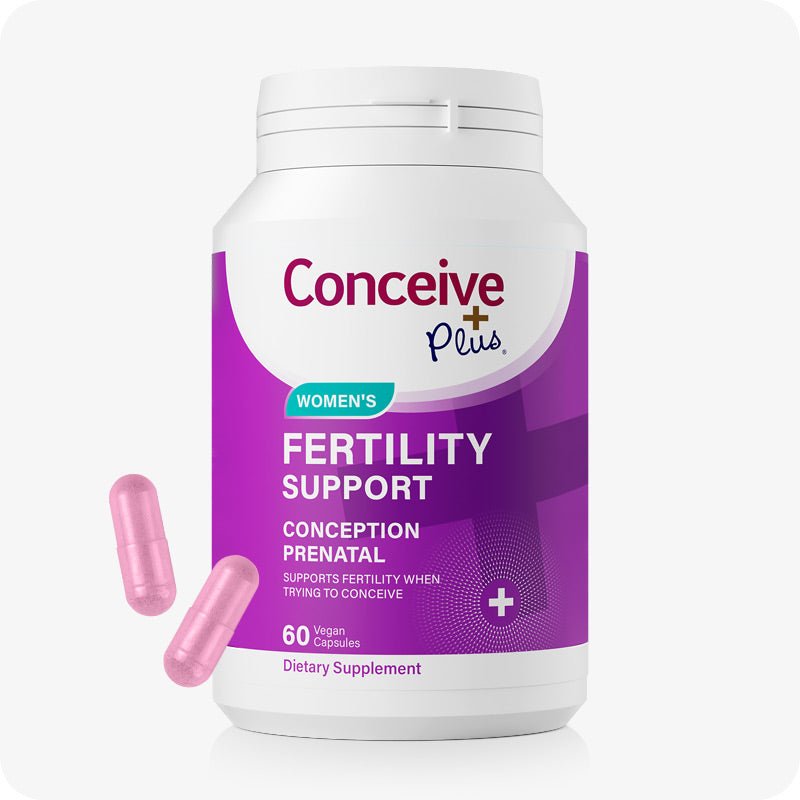
Conceive Plus has been a trusted name in fertility support for over a decade, used in clinics worldwide and recommended by reproductive endocrinologists and OBGYNs. The Conceive Plus prenatal line is specifically formulated for women who are actively trying to conceive — not just maintaining pregnancy.
What sets Conceive Plus apart as the best prenatal vitamins for conception:
- Methylfolate (5-MTHF) at the clinically recommended dose — bioavailable for all MTHFR genotypes
- Methylcobalamin (B12) in its active form for maximum absorption
- Vitamin D3 at 2,000 IU — supporting hormonal balance, immune function, and uterine receptivity
- Iron as ferrous bisglycinate — effective and gentle on digestion
- Iodine at 200 mcg — commonly absent from competitor formulas
- Zinc and selenium for egg protection and hormone support
- Antioxidant complex including vitamins C and E to reduce oxidative stress on eggs
- Vegan capsule shell, free from artificial additives and common allergens
- Third-party tested for purity and potency
Conceive Plus delivers what the evidence demands and what your body deserves. Whether you're in your first month TTC or your twelfth, starting or returning to the best prenatal vitamins is a step you won't regret. As fertility vitamins women trust most, Conceive Plus consistently ranks as the leading choice among fertility-focused healthcare professionals.
Age, Fertility, and Why Prenatal Vitamins Matter More Over 35
Fertility naturally declines with age — and so does the efficiency of cellular energy production in eggs. For women over 35, the best prenatal vitamins become even more important as a tool to support egg quality and reproductive health.
Key considerations for women over 35 beginning prenatal vitamins TTC:
CoQ10 supplementation becomes more critical. Mitochondrial function in eggs declines with age, and CoQ10 supports energy production at the cellular level. Studies show 400–600 mg daily can improve egg quality in older women.
Vitamin D levels are more likely to be low. As we age, vitamin D synthesis from sunlight becomes less efficient. Testing and optimising vitamin D (target: 40–60 ng/mL) is particularly important for women over 35 trying to conceive.
Antioxidant load matters more. Oxidative stress accumulates over time and damages eggs. The antioxidants in the best prenatal vitamins — vitamins C, E, selenium — help counteract this damage.
Conceive Plus formulates with these age-related factors in mind. The result is a prenatal vitamin that doesn't just check the basic boxes — it actively supports the full spectrum of fertility biology.
Frequently Asked Questions: Best Prenatal Vitamins
Q: What is the difference between prenatal vitamins and regular multivitamins?
A: Prenatal vitamins contain higher doses of key nutrients critical for fetal development (folate, iron, iodine, DHA) and are formulated specifically for the nutritional demands of pregnancy and the period leading up to it. Regular multivitamins typically do not contain adequate levels of these nutrients — making prenatal-specific formulations the clear choice for the best prenatal vitamins experience.
Q: How long should I take prenatal vitamins before trying to conceive?
A: Ideally, start 3–6 months before you plan to begin trying. This gives your body time to correct any deficiencies and build reserves of key nutrients. Even starting 1 month before is beneficial — particularly for folate protection of the neural tube.
Q: Is methylfolate better than folic acid in prenatal vitamins?
A: Yes, for most people. Methylfolate (5-MTHF) is the bioactive form of folate your body uses directly. Up to 40–60% of people have MTHFR gene variants that reduce their ability to convert folic acid. Methylfolate bypasses this conversion step and is more effective for everyone — a key reason Conceive Plus uses it in their best prenatal vitamins formula.
Q: Can I take prenatal vitamins while breastfeeding?
A: Absolutely. Nutritional demands remain elevated throughout breastfeeding, particularly for DHA, iodine, and choline. Continue your prenatal vitamins TTC and throughout the entire breastfeeding period.
Q: Do prenatal vitamins help with morning sickness?
A: Vitamin B6 (pyridoxine) in the best prenatal vitamins may help reduce nausea. Taking your prenatal at night or with food also reduces morning sickness for many women.
Q: What vitamins should I avoid during pregnancy?
A: High-dose vitamin A (retinol) above 10,000 IU is potentially teratogenic. Beta-carotene (plant-based vitamin A) is safe. Always ensure your prenatal uses beta-carotene rather than preformed retinol. Herb-based supplements should generally be avoided unless specifically approved by your doctor.
Q: Are gummy prenatal vitamins as good as capsule forms?
A: Generally, no. Gummy vitamins often lack iron, have lower nutrient doses, and contain added sugars. Capsule or tablet forms are preferred for comprehensive nutritional coverage from the best prenatal vitamins.
Q: Do I need a separate DHA supplement if my prenatal doesn't include it?
A: Yes. DHA is critical for fetal brain and eye development. If your prenatal doesn't contain at least 200 mg DHA, supplement separately with algal oil (vegan) or purified fish oil.
Q: Can I take CoQ10 alongside prenatal vitamins?
A: Yes, and it's widely recommended — particularly for women over 35, those with diminished ovarian reserve, or those preparing for IVF. CoQ10 at 200–600 mg daily supports egg mitochondrial energy production.
Q: How do I know if my prenatal vitamins are working?
A: Blood testing is the most reliable way to assess nutritional status. Ask your doctor to check folate, vitamin D, B12, iron (ferritin), and iodine levels before and after a few months of supplementation. With the best prenatal vitamins for conception, you should see measurable improvements in key markers within 90 days.
Conceive Plus prenatal supplements are formulated with methylfolate, D3, iron bisglycinate, and all the nutrients you need before and during pregnancy. Trusted by fertility clinics worldwide. As the fertility vitamins women count on most, Conceive Plus is ready to support your journey every step of the way.
Shop Conceive Plus Fertility Supplements →
Conclusion: The Best Prenatal Vitamins Support Every Stage of Your Journey
Your fertility journey begins long before that positive pregnancy test. The best prenatal vitamins provide the foundational nutritional support that your eggs, uterus, hormones, and eventually your baby need — starting months before conception.
Don't settle for a basic formula with synthetic folic acid and inadequate vitamin D. Choose a prenatal that reflects the science: methylfolate, methylcobalamin, vitamin D3 at effective doses, iodine, iron bisglycinate, and comprehensive antioxidant support.
Conceive Plus is designed for the woman who is serious about optimising her body for conception and the healthiest possible pregnancy. With Conceive Plus, you're not just taking a vitamin. You're giving yourself — and your future baby — the best possible start. As the most trusted name in prenatal vitamins TTC, best prenatal vitamins, and fertility vitamins women rely on, Conceive Plus is here for every step.
Explore the full Conceive Plus range at conceiveplus.com/collections/fertility-supplements.