How Sperm Is Released in Female and What Happens Next


How sperm is released in female is often overshadowed by fancy medical terminology, but it’s actually an amazing and complicated biological act. Many couples are curious about the entire process, from the first moment sperm enters to the final phase of possible pregnancy. Sometimes the language that tries to explain these intimate details becomes too scientific, leaving people puzzled instead of informed. You do not have to be a biology whiz to understand the essentials, though. It can help to just break it down step by step. Some folks get anxious, others get excited, and a few just want to know the best ways to make it happen or to prevent it. Either way, having real knowledge matters.
Different vitamins and minerals, along with well-chosen daily habits, might help fertility for many. But, hey, we’re all individuals, so what works wonders for one might not for another. In this article, let’s keep it real. We’ll chat about how sperm moves around in a female’s body, ways to support male and female fertility, plus random tips on day-to-day routines. We’ll also slip in some talk about vital nutrients like folic acid, myo-inositol, or CoQ10 that can be part of fertility-friendly regimens.

The Starting Release
The moment of how sperm is released in female begins, typically, at ejaculation. During intimate contact, the man’s semen is propelled into the vaginal canal, often landing sperm in vigina near the cervix. Men produce millions of tiny sperm cells in each ejaculation, but not all will survive. Some get lost right away. A few encounter harsh vaginal conditions that reduce their lifespan. The ones that do remain must navigate upward through the cervix.
Some couples wonders, when does sperm come out after intercourse. Sometimes it can drip out almost immediately, especially if the female stands up quickly. Gravity’s a real thing. Still, some sperm remain behind, inching forward in their quest to find the egg [1].
Occasionally, individuals ask does a woman have sperm. The female body does not produce sperm; that’s a male function. The female’s role is to provide the environment where these little swimmers can hopefully meet the egg.
Top Tip: After intercourse, lying down for 15-20 minutes can help sperm stay closer to the cervix, increasing the chances of fertilization.
Creating a Friendly Path
Right after sperm enters, you might see references to sperm in the vigina or sperm in vegina, though these are just alternate ways folks might spell it. The female reproductive tract can be acidic, which is tough on sperm, so timing can really matter. Around ovulation, the cervix produces more sperm-friendly mucus, giving them a smoother ride.
A vital question many have is how does sperm travel in the female body once it’s past the initial barrier. Well, cervical mucus either helps or hinders that journey, and hormone shifts coordinate how open or dense this mucus is. If it’s the right time of the month, more sperm are able to pass.
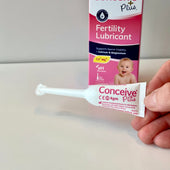
Some people rely on fertility-friendly lubricants containing calcium and magnesium ions. These ions attempt to mimic natural bodily fluids, offering a safer environment. They can also keep the pH from being too hostile [2].
Top Tip: Use fertility-friendly lubricants with calcium and magnesium ions to support sperm motility and maintain a healthy pH balance.
Role of the Uterus and Tubes
After sperm in vaginal fluid pass the cervix, they enter the uterus. This muscular organ can contract gently, aiding the sperm’s journey upward. Those contractions often sync with a woman’s cycle, pushing the sperm closer to the fallopian tubes [3].
If an egg is present in one of the tubes, that’s where fertilization commonly takes place. But if no egg is around, the sperm eventually die off. Or sometimes, they end up in corners of the uterus. Some might keep swimming aimlessly. A small fraction may hang out for a few days, waiting for an egg if ovulation is near.
Top Tip: Incorporate vitamin B6 and folic acid into your diet to support uterine health and hormone balance, which can aid sperm movement.
Timing Is Everything
Many couples track ovulation by using test strips or by charting basal body temperature. This method tries to figure out the moment of egg release, ensuring intercourse lines up with that window. Some couples also worry about where does sperm go when pregnant. Actually, once fertilization occurs and an embryo implants, leftover sperm or extra cells are simply discharged or broken down by the body.
If you’re hoping for conception, it’s important to pay attention to signs like changes in cervical mucus or mild ovulation pain. Have you noticed watery, stretchy mucus? That’s typically prime baby-making time. Try to time sex accordingly, so the sperm has the best shot [4].
Top Tip: Track ovulation using basal body temperature or ovulation predictor kits to identify your most fertile days accurately. Additionally, understanding when are men most fertile can help optimize conception efforts, as male fertility tends to peak in the morning and is generally higher in their late teens to early 30s.

Gaining an Edge Through Diet
Egg quality matters, and so does sperm quality. Foods loaded with antioxidants—like berries or leafy greens—can help protect cells from oxidative stress. CoQ10 might also assist in supporting both egg and sperm well-being. Sometimes, men who want a boost incorporate L-carnitine to promote better sperm motility. Meanwhile, ladies might choose ginger extract for its mild anti-inflammatory effects.
Becoming a health nut isn’t necessary for everyone. One small step at a time is good enough for a start. Maybe add more vegetables or fish rich in DHA. Or toss in seeds and nuts for a quick snack, because they often have beneficial fatty acids or zinc [5].
Though no magic food absolutely guarantees conception, every bit helps. Some folks notice an improvement in cycle regularity or sperm count after making consistent changes.
Top Tip: Add antioxidant-rich foods like berries, nuts, and leafy greens to your diet to protect egg and sperm health from oxidative stress.
Hormone Balance and Energy
Hormones are tricky. Estrogen and progesterone regulate the female cycle, while testosterone aids in sperm production. If they’re out of whack, fertility might suffer. Stress can hamper hormone balance by raising cortisol levels. That’s one reason people say, “relax if you want to get pregnant.”

✨ Support Healthy Sperm
Our Motility Support supplement contains Zinc, CoQ10, and L-Carnitine — clinically studied nutrients for sperm health and motility.
Shop Now — $34.95✓ Free shipping on orders over $40 | ✓ Trusted by millions of couples worldwide
B vitamins—like B1, B2, B3, B6, and B12—help maintain metabolic processes that can keep hormones stable. Some supplements throw in copper or selenium to defend cells from oxidative stress and support thyroid function. Balanced thyroid hormones are super vital too, because the thyroid gland can affect energy levels and overall well-being.
Being mindful of stress is crucial. Taking a walk in the park or trying a gentle yoga session might calm your mind. That can nudge hormone levels in a favorable direction [6].
Encouraging Conception Through Lubrication
People seldom realize that certain lubricants harm sperm motility. Sperm cells are delicate. Substances that alter pH or contain harsh chemicals could slow them down or kill them. When dryness is an issue, choosing a lubricant with magnesium chloride and calcium chloride might help replicate the body’s natural fluids [7].
Those specialized lubricants aim to keep sperm inside vagina healthy as they travel. Even small things can make a difference, so it’s worth reading ingredient labels if you want to encourage fertility. Some formulas have methylparaben or glycerol, but in low amounts that, combined with the beneficial ions, can be fairly mild on sperm.
Top Tip: Avoid lubricants with harsh chemicals or high glycerin content, as they can harm sperm motility—opt for fertility-safe options instead.
Men’s Wellness for Better Sperm
Male fertility depends on many factors, including sperm count, shape, and motility. Diet, stress, and toxins (like smoking) can reduce sperm quality. Interestingly, men might benefit from zinc or maca root, which may support hormone regulation and semen volume. Green tea extract sometimes helps with antioxidant support.
Wearing looser underwear or avoiding hot tubs can also reduce testicular heat, which is good for sperm production. Who’d have guessed that too many spa days might hamper fertility? It’s all about balance and not overdoing it [8].
Additionally, a bit of moderate exercise is beneficial. Overtraining, on the other hand, might cut down testosterone levels. So, a consistent but sensible workout plan could be the sweet spot. For those wanting quick insights into sperm health, a semen test kit can provide a convenient way to check basic fertility markers at home.
Top Tip: Men should avoid tight underwear and excessive heat exposure (like hot tubs) to maintain optimal sperm production and quality.

Women’s Overall Reproductive Tips
Let’s shift back to the female side for a moment. The egg only remains viable for about 12–24 hours after ovulation, so time is short. Understanding your cycle is key. Some prefer apps, while others like pen and paper. Tracking possible signs helps you identify the best times for intercourse if you’re trying to conceive.
Nutrients such as iron and vitamin D play roles in supporting a healthy womb environment. Iron encourages oxygen transport, which is crucial for tissues. Vitamin D helps with bone health but also interacts with hormone regulation. Calcium is beneficial, too, not just for bones but for muscular contractions that may facilitate transport of the egg or sperm.
One more mention: Biotin, pantothenic acid, or even coenzyme Q10 could be included in certain fertility supplements for broader cellular support [9]. Each has its own subtle function.
Common Misconceptions
Curious minds sometimes ask how sperm is released in female without actual intercourse, like if semen just touches the outside. Technically, if sperm gets near the vaginal opening, there’s a possibility, though much smaller. Another question is does a woman have sperm. As clarified, women produce eggs, not sperm [10].
Also, some ask how does sperm travel in the female body if the man withdraws before finishing. Pre-ejaculate might still contain a little sperm, so it’s never a foolproof method of avoiding pregnancy. Any presence of sperm near the opening can risk fertilization.
Moreover, not every fertility issue is female related. Up to half of struggles can be tied to male factors like low sperm count. The entire process requires two healthy sets of reproductive functions.
Where Sperm Goes and Extra Info
When an egg is fertilized, the question where does sperm go when pregnant arises. Usually, the leftover sperm not involved in fertilizing gets flushed out or simply breaks down. There’s no grand repository of sperm that sticks around forever. The body’s natural cleaning processes handle it.
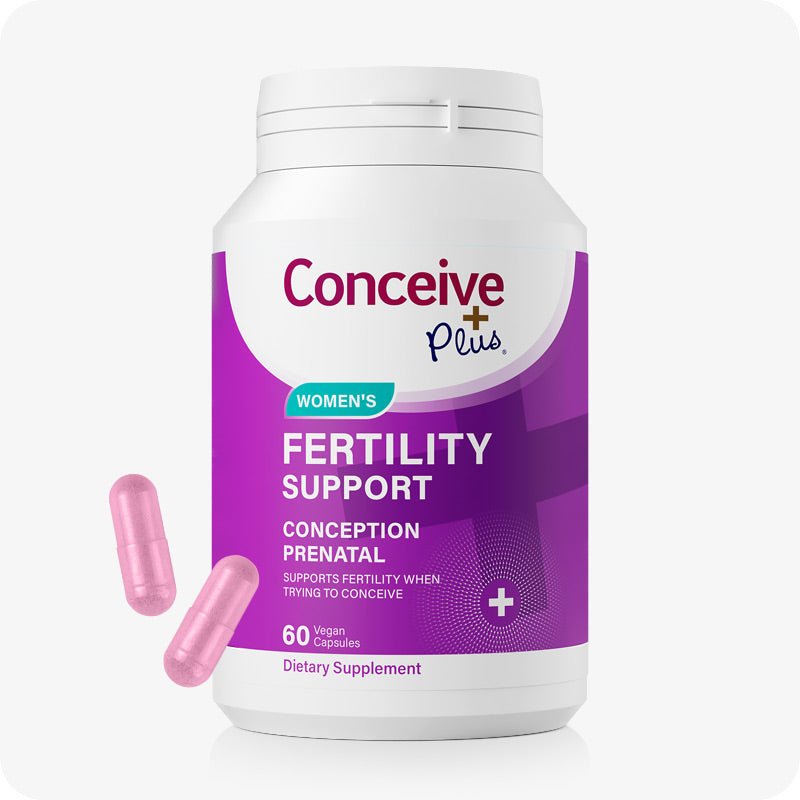
For those who want more support, there are certain supplements combining L-arginine, vitamins, and even withania somnifera (ashwagandha). L-arginine can aid blood flow, while ashwagandha is said to help with stress. CoQ10 is believed to maintain healthy cell function. Checking in with a healthcare provider can help you figure out which combination best aligns with your situation [11].
The Bottom Line
You’ve learned that how sperm is released in female sets a carefully orchestrated process in motion, with sperm traveling through the cervix, into the uterus, and possibly up into the fallopian tubes. If luck lines up, fertilization occurs and the journey continues, but if not, the sperm simply do not survive. This path is influenced by countless factors—timing of ovulation, hormone levels, and the female reproductive environment all matter. So do everyday choices, like food intake, stress management, and supplement usage.
No one can promise an exact outcome, but the more you know about ways to sustain or improve fertility, the better your odds might be. We are all unique, so don’t be discouraged by myths or minor setbacks. A bit of awareness and consistent effort often pays off, whether that’s ensuring good nutrition, discovering beneficial supplements, or living a less stressed life.
FAQs
How long can sperm live after ejaculation?
They can survive up to about five days in the female body, especially when cervical mucus is at its most fertile quality.
Can sperm in vaginal secretions cause pregnancy anytime?
Pregnancy isn’t guaranteed each time. It depends on ovulation timing and sperm health, among other factors.
Is sperm inside vagina always needed for pregnancy to occur?
Yes, generally, sperm must enter or be placed in the vagina for fertilization to happen, although the exact mechanics can differ based on personal circumstances.
Any big diet changes recommended for boosting fertility?
Small steps help. Increasing intake of whole foods, vitamins, and minerals is a good start. Some might add CoQ10, folic acid, or inositols if recommended by a healthcare provider.
Do men also need fertility-oriented vitamins?
Yes, men can benefit from minerals like zinc or selenium, plus adaptogens or antioxidants that promote healthy sperm production and quality.
Citations
- Wilcox, A. J., Weinberg, C. R., & Baird, D. D. (1995). Timing of sexual intercourse in relation to ovulation. Effects on the probability of conception, survival of the pregnancy, and sex of the baby. The New England journal of medicine. Available at: https://pubmed.ncbi.nlm.nih.gov/7477165/
- Aitken, R. J., & Baker, M. A. (2004). Oxidative stress and male reproductive biology. Reproduction, fertility, and development. Available at: https://pubmed.ncbi.nlm.nih.gov/15367373/
- Lyons, R. A., Saridogan, E., & Djahanbakhch, O. (2006). The reproductive significance of human Fallopian tube cilia. Human reproduction update. Available at: https://pubmed.ncbi.nlm.nih.gov/16565155/
- Stanford, J. B., White, G. L., & Hatasaka, H. (2002). Timing intercourse to achieve pregnancy: current evidence. Obstetrics and gynecology. Available at: https://pubmed.ncbi.nlm.nih.gov/12468181/
- Chavarro, J. E., Rich-Edwards, J. W., Rosner, B. A., & Willett, W. C. (2007). Diet and lifestyle in the prevention of ovulatory disorder infertility. Obstetrics and gynecology. Available at: https://pubmed.ncbi.nlm.nih.gov/17978119/
- Domar, A. D., Clapp, D., Slawsby, E. A., Dusek, J., Kessel, B., & Freizinger, M. (2000). Impact of group psychological interventions on pregnancy rates in infertile women. Fertility and sterility. Available at: https://pubmed.ncbi.nlm.nih.gov/10731544/
- Anderson, L., Lewis, S. E., & McClure, N. (1998). The effects of coital lubricants on sperm motility in vitro. Human reproduction (Oxford, England). Available at: https://pubmed.ncbi.nlm.nih.gov/9886513/
- Jung, A., & Schuppe, H. C. (2007). Influence of genital heat stress on semen quality in humans. Andrologia. Available at: https://pubmed.ncbi.nlm.nih.gov/18076419/
- Showell, M. G., Mackenzie-Proctor, R., Brown, J., Yazdani, A., Stankiewicz, M. T., & Hart, R. J. (2014). Antioxidants for male subfertility. The Cochrane database of systematic reviews. Available at: https://pubmed.ncbi.nlm.nih.gov/25504418/
- Trussell J. (2011). Contraceptive failure in the United States. Contraception. Available at: https://pubmed.ncbi.nlm.nih.gov/21477680/
- Ambiye, V. R., Langade, D., Dongre, S., Aptikar, P., Kulkarni, M., & Dongre, A. (2013). Clinical Evaluation of the Spermatogenic Activity of the Root Extract of Ashwagandha (Withania somnifera) in Oligospermic Males: A Pilot Study. Evidence-based complementary and alternative medicine. Available at: https://pubmed.ncbi.nlm.nih.gov/24371462/
🌱 Boost Male Fertility Naturally
Conceive Plus Men's Motility Support is formulated with the nutrients that matter most for sperm quality, count, and motility.
Shop Men's Fertility →Frequently Asked Questions
Recommended by Fertility Experts
Conceive Plus Men's Fertility Support
Designed to support healthy sperm production, motility, and overall male reproductive health with clinically studied nutrients.
Shop Now →Q: Do women have sperm?
A: No, women do not produce or have sperm. Sperm are male reproductive cells produced exclusively in the testes of men. Women produce eggs (ova) in their ovaries, which are the female equivalent reproductive cells. During sexual intercourse, sperm from a man travels into the female reproductive tract where it may fertilize an egg. Understanding this basic biological difference is essential for anyone trying to conceive or simply wanting to understand human reproduction.
Q: Can a female produce sperm?
A: Females cannot produce sperm under any natural circumstances, as they lack the biological structures and hormonal environment necessary for sperm production. The male reproductive system, including the testes and accessory glands, is specifically designed to manufacture and release sperm. Women's bodies are optimized to produce eggs and provide an environment for fertilization and pregnancy. If you're concerned about fertility issues, the American Society for Reproductive Medicine (ASRM) recommends consulting with a reproductive specialist who can evaluate both partners' fertility health.
Q: How does female sperm come out of the body?
A: This question is based on a common misconception—female sperm does not exist, so there is no female equivalent that "comes out" of a woman's body. What does exit a woman's body is seminal fluid from her male partner, which travels through the vagina after intercourse. Women may experience normal vaginal discharge, cervical mucus changes throughout the menstrual cycle, and other fluids, but none of these are sperm. For couples focused on conception, tracking cervical mucus changes and understanding ovulation timing can be helpful indicators of fertility windows.
Q: Can a girl release sperm?
A: Girls and women cannot release sperm because they do not produce sperm—only males do. However, women may experience vaginal fluid release during sexual arousal and intercourse, which is a normal physiological response. Some women may also experience fluid release during orgasm, though this is distinct from male ejaculation and does not contain sperm. Understanding these biological differences helps couples better comprehend fertility, conception, and reproductive health. Supplements like Conceive Plus are designed to support male fertility by enhancing sperm health and motility when used as directed.
Q: How to produce sperm in female body?
A: It is biologically impossible to produce sperm in a female body, as women lack the genetic, hormonal, and anatomical requirements for sperm production. Sperm production occurs exclusively in male testes through a process called spermatogenesis, which requires testosterone and other male hormones. If you or your partner are experiencing infertility concerns, the CDC reports that approximately 12% of women aged 15-49 have difficulty getting pregnant or carrying a pregnancy to term, and a fertility specialist can help identify underlying issues in either partner. For male partners, supporting sperm health through proper nutrition, lifestyle choices, and evidence-based supplements may improve fertility outcomes.
Trusted by Couples in Over 70 Countries
Support Male Fertility From the Inside Out
Male fertility is just as important as female fertility in the conception journey. Conceive Plus Men's range delivers targeted nutritional support to promote healthy sperm and overall reproductive wellbeing.
Shop Men's Range →