Best Prenatal Vitamins 2026: A Comprehensive Buying Guide for Your Journey


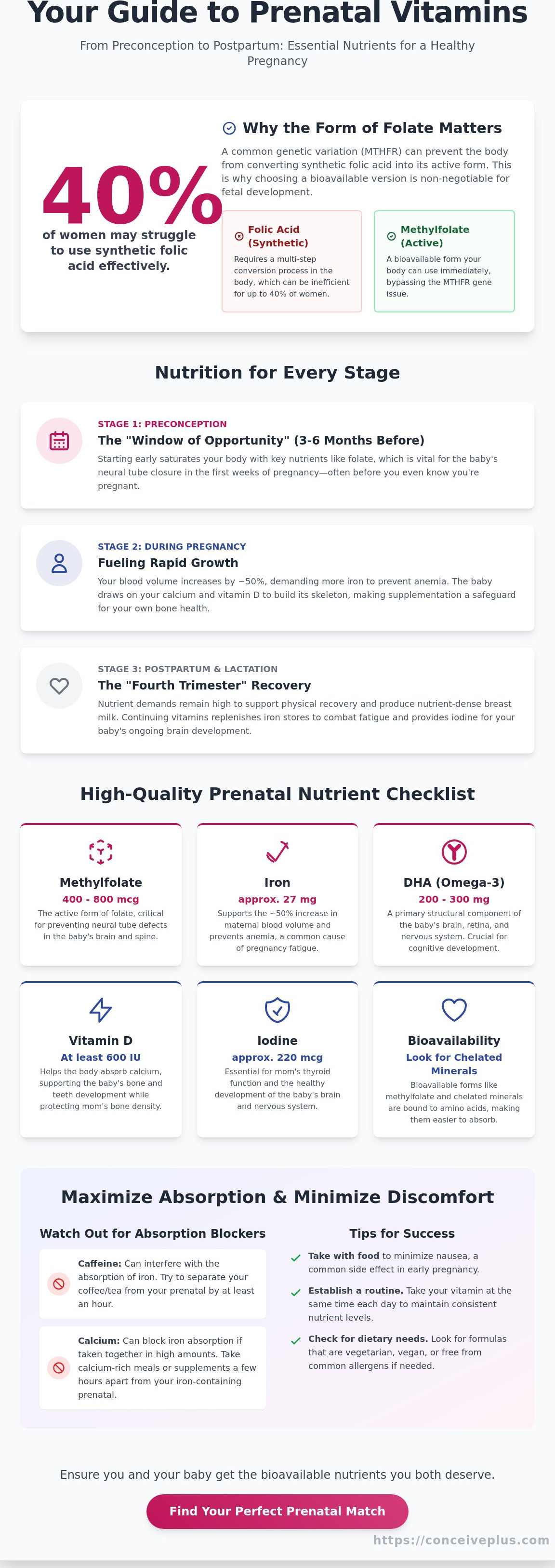
Did you know that up to 40% of women have a genetic variation that makes it difficult to convert synthetic folic acid into the active folate their bodies need? This single biological fact is why choosing the right prenatal vitamins is about much more than just grabbing the prettiest bottle on the shelf. It is natural to feel anxious about nutrient gaps or overwhelmed by labels, especially when you are already dealing with morning sickness and the exhaustion of early pregnancy. You want the peace of mind that comes from knowing your baby is getting exactly what they need for healthy development without the side effects of poorly formulated supplements.
We've designed this guide to help you find the perfect match for your body and your baby. You'll learn how to identify bioavailable ingredients like methylfolate, understand the impact of new 2026 heavy metal testing regulations, and discover which formulas are easiest on a sensitive stomach. From preconception support to postpartum recovery, we are breaking down the essential nutrients and transparency standards required to keep your energy levels sustained and your baby thriving.
Key Takeaways
- Understand why building essential nutrient stores during the preconception phase is just as vital as supplementation during pregnancy.
- Identify common "absorption blockers" like caffeine and calcium that may interfere with how your body processes prenatal vitamins.
- Learn how to select the right format and formula based on your specific dietary needs, such as vegetarian or vegan lifestyles.
- Discover the best practices for timing your dosage to minimize digestive discomfort and maintain consistent energy levels throughout the day.
Why Prenatal Vitamins are Essential Before, During, and After Pregnancy
Prenatal vitamins are specialized tools rather than general health supplements. They fill specific nutritional gaps that occur when your body is preparing for, sustaining, or recovering from the demands of growing a human life. Unlike a standard daily multivitamin, these formulas prioritize nutrients like folate and iron to support rapid cellular growth and increased metabolic needs. For a foundational understanding of these requirements, you can review this Prenatal vitamin overview to see how these ingredients differ from typical adult supplements.
To better understand the quality and safety of these supplements, watch this helpful review:
During pregnancy, your blood volume increases by approximately 50%. This surge requires a significant amount of iron to prevent maternal anemia and ensure the placenta receives enough oxygen. At the same time, your baby is drawing on your own bone density to build their skeletal system. If your diet doesn't provide enough calcium and vitamin D, your body will pull these minerals from your own bones to prioritize the fetus. High-quality prenatal vitamins act as a safeguard for your long-term health while fueling your baby's brain, spine, and bone formation.
The Preconception "Window of Opportunity"
Most women wait for a positive test before starting a supplement regimen. However, the first few weeks of development, often before you even know you're pregnant, are when the neural tube closes. Starting 3 to 6 months before trying to conceive is the gold standard for egg health. This window allows you to saturate your tissues with folate, which reduces the risk of early complications. Using an ovulation calculator alongside your supplements helps you optimize your timing while ensuring you're nutritionally prepared for your most fertile days.
Postpartum and Lactation Support
The "fourth trimester" is often overlooked, but your body’s nutrient demands don't drop immediately after birth. You've just undergone a major physical event and are now tasked with producing milk, which is incredibly nutrient-dense. Iron stores often plummet after delivery, contributing to fatigue and mood shifts. Continuing your vitamins during lactation ensures that iodine and vitamin D levels remain high enough to support your baby’s ongoing brain development while helping your own body recover its strength.
Key Nutrients to Look for in a High-Quality Prenatal Formula
Selecting a supplement requires looking beyond the front of the bottle. High-quality prenatal vitamins must provide specific forms of nutrients that your body can actually use. While many products claim to offer full coverage, the chemical form of each vitamin determines whether it ends up in your bloodstream or simply passes through your system. When you learn how to choose prenatal vitamins, the focus shifts from quantity to bioavailability. Quality matters more than a long list of ingredients that your body cannot absorb.
The debate between folic acid and folate is a prime example of this. Research shows that up to 40% of women carry a genetic variation called MTHFR. This variation prevents the body from efficiently converting synthetic folic acid into its active form. Using methylfolate ensures that even those with this genetic trait receive the 400 to 800 mcg of folate necessary to prevent neural tube defects. Iron is another critical component. You need approximately 27 mg of iron daily to support increased blood volume and oxygenate the placenta. Without it, you risk maternal anemia and the crushing fatigue that often accompanies pregnancy.
DHA, an omega-3 fatty acid, serves as a primary building block for your baby’s eyes and brain development. Many experts recommend 200 to 300 mg of DHA daily. Additionally, iodine and zinc are essential for maintaining your thyroid function and ensuring healthy cell division during rapid growth phases. These minerals are the unsung heroes of fetal development.
The Importance of Bioavailable Ingredients
Absorption is the most important factor in supplement efficacy. Chelated minerals are minerals that have been bound to an amino acid. This process makes them much easier for your digestive tract to handle. It often reduces the nausea and constipation associated with traditional, cheaper iron supplements. Clean labels are equally important in 2026. Look for products that are non-GMO, gluten-free, and free from artificial colors or fillers. These formulations minimize your exposure to unnecessary chemicals during a sensitive time.
Calcium and Vitamin D: The Bone-Building Duo
Your baby's skeletal development is a constant process. If your daily intake of calcium is insufficient, the fetus will draw the mineral directly from your own bones. To prevent this, you need a steady supply of calcium paired with at least 1,000 IU of Vitamin D. This pairing ensures proper absorption and supports your immune system. For those managing specific hormonal needs alongside their basic nutrition, reading about myo-inositol for fertility can provide additional insights into balancing your cycle. If you're looking for a formula that prioritizes these high-quality, bioavailable ingredients, consider exploring the specialized options at Conceive Plus to support your journey.
How to Choose the Right Prenatal Vitamin for Your Specific Journey
Choosing prenatal vitamins isn't a one-size-fits-all process. Your dietary habits, such as being vegetarian or vegan, significantly influence which nutrients you might lack. For instance, plant-based diets often require extra attention to Vitamin B12 and Omega-3 fatty acids since these aren't always abundant in plant sources. When you're looking at labels, it's helpful to cross-reference your choices with evidence-based recommendations for prenatal supplements to ensure the dosages align with current clinical standards. This verification helps you avoid products that may be under-dosed in critical areas like iodine or choline.
Format matters as much as the content. While large tablets are common, they can be a major hurdle if you have a strong gag reflex or "pill fatigue." Softgels are often easier to swallow because of their smooth texture, while capsules can sometimes be opened and mixed into food if you can't handle swallowing them whole. Gummies are a popular alternative, but you should check the label carefully. Many gummy versions lack iron and have lower concentrations of certain minerals because of the manufacturing process. Always check with your healthcare provider if you suspect you need a prescription-strength dose, especially if you have a history of anemia or other health conditions that require higher nutrient levels.
Managing Sensitivity and Nausea
Morning sickness can make regular supplementation feel impossible. If your prenatal vitamins are triggering nausea, it's often the iron content to blame. Switching to an iron-free formula temporarily during the first trimester can help you stay consistent until your stomach settles. You might also try "split-dosing," which involves taking half your dose in the morning and half at night, or simply taking your vitamin right before bed. Looking for "gentle-on-stomach" formulations that use chelated minerals can also prevent the digestive distress common with standard, cheaper options.
Bundling for Success
The transition from trying to conceive (TTC) to a confirmed pregnancy is a critical shift in your nutritional strategy. During the TTC phase, you and your partner both benefit from targeted support. Integrating your vitamins with fertility products bundles ensures a comprehensive approach to reproductive health from the start. However, be mindful of over-supplementation. Taking multiple specialty vitamins alongside a standard prenatal can lead to toxicity risks, particularly with fat-soluble vitamins like Vitamin A. Map out your total daily intake to ensure you stay within safe, effective ranges while supporting both partners' needs.
Featured Solutions from the Conceive Plus Prenatal Collection
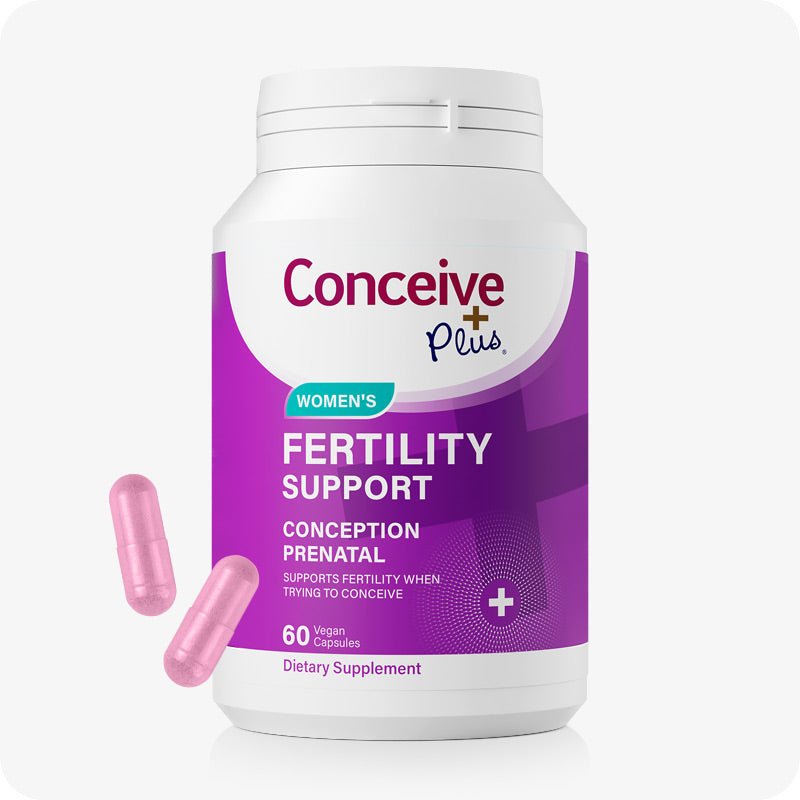
The Conceive Plus Prenatal Vitamins collection represents a deliberate shift toward expert-led nutritional support. These formulas aren't just generic supplements. They are crafted by fertility specialists who understand the complex biological hurdles of both conception and pregnancy. By focusing on high-quality ingredients with maximum bioavailability, these prenatal vitamins ensure that your body doesn't waste energy trying to process difficult-to-absorb synthetics. This approach is vital for women who want to transition seamlessly from their initial trying-to-conceive (TTC) efforts into the physically demanding stages of late-term pregnancy. You need a partner in nutrition that evolves with your body's changing requirements.
Comprehensive Prenatal Support Capsules
Consistency is the foundation of any successful supplement routine. If a pill is too large or causes digestive upset, you're less likely to maintain the daily habit required for optimal results. The Conceive Plus capsules are specifically designed to be easy to swallow and gentle on your digestive system. This design is particularly helpful during the first trimester when morning sickness is often at its peak. Beyond the standard folate and iron, these capsules include essential minerals like Zinc and Selenium. Zinc plays a crucial role in cell division and immune function, while Selenium supports thyroid health and protects cells from oxidative stress. This multi-vitamin approach addresses the unique needs of a 2026 pregnancy by covering all essential nutrient bases in a single, manageable format.
Targeted Fertility and Pregnancy Bundles
Success in the journey to parenthood often requires more than just a single supplement. This is where targeted fertility and pregnancy bundles become a strategic advantage. For couples in the early stages of their journey, combining nutritional support with a fertility friendly lubricant can create a more supportive environment for conception. These bundles offer a value-driven way to maintain long-term nutritional support through the full nine months and beyond. By addressing both the internal nutrient levels and external environmental factors, you provide yourself with the best possible chance for a healthy outcome. It's about creating a holistic plan that supports your body from the very first day you decide to grow your family.
You can explore the full range of expert-formulated options and find the right fit for your stage by visiting Conceive Plus today.
Best Practices for Taking Prenatals and Maximizing Absorption
Even the most high-quality prenatal vitamins won't provide full benefits if your body cannot absorb the nutrients effectively. Timing is everything. Taking your supplement on an empty stomach is the most common cause of the nausea many women experience. Instead, make it a rule to take your vitamin with your largest meal of the day. The dietary fats in your food are necessary for the absorption of fat-soluble vitamins like A, D, E, and K. Without a meal, these essential nutrients may simply pass through your system without being utilized.
You also need to be aware of "absorption blockers" that can interfere with your progress. Calcium and caffeine are the two biggest culprits. If you take your supplement with a cup of coffee or a large glass of milk, you might be accidentally blocking iron absorption. Calcium and iron compete for the same receptors in your gut. To get the most out of your iron intake, try to keep a two-hour window between your prenatal vitamin and any high-calcium foods or caffeinated drinks. This simple shift can make a massive difference in your energy levels and blood health.
Consistency builds the nutrient stores your baby relies on. If you miss a dose, don't panic or double up the next day. Taking a double dose can lead to an excess of certain vitamins, which isn't safe. Just take your next scheduled pill as usual. To stay on track, use a physical pill organizer or set a recurring alarm on your phone. Creating a ritual around your supplement makes it much harder to forget.
A Daily Routine for Success
- Step 1: Take your vitamin with your largest meal to cushion your stomach and improve nutrient uptake.
- Step 2: Drink plenty of water throughout the day. Proper hydration is essential for the digestion of fat-soluble vitamins and helps prevent the constipation sometimes caused by iron.
- Step 3: Pair your vitamin with a source of Vitamin C, like a small glass of orange juice or some strawberries. Vitamin C significantly boosts the absorption of non-heme iron.
Tracking Your Progress
Monitoring how your body responds to your new regimen is just as important as the vitamins themselves. You can use Conceive Plus tracking tools to keep a close eye on your cycle and your daily supplement habits. If you notice significant changes in your energy, mood, or digestion, write them down so you can discuss them with your OBGYN during your next visit. It's also helpful to read Conceive Plus reviews to see how other women have successfully integrated these vitamins into their busy lives. Hearing about others' routines can give you practical ideas for managing your own journey toward a healthy pregnancy.
Empower Your Journey to Parenthood
Your path to a healthy pregnancy depends on the foundation you build today. We've explored how bioavailable ingredients like methylfolate ensure your body actually uses the nutrients you ingest, rather than letting them go to waste. You also now know that simple daily habits, such as taking your supplement with your largest meal and avoiding caffeine blockers, can significantly improve your absorption levels. Selecting high-quality prenatal vitamins is one of the most proactive steps you can take to protect your own energy and your baby's future development.
When you're ready to choose a formula, prioritize products backed by specialized expertise and real-world results. The Conceive Plus collection is formulated by fertility specialists and is already trusted by millions of couples worldwide. By focusing on high-bioavailability ingredients, these supplements offer the digestive comfort and nutritional density you need. Shop the Conceive Plus Prenatal Vitamin Collection to find the right support for every stage of your reproductive journey. You have the knowledge to make an informed choice; now it's time to move forward with confidence and peace of mind.
Frequently Asked Questions
When is the best time to start taking prenatal vitamins?
You should start taking prenatal vitamins at least three to six months before you begin trying to conceive. This early start ensures your body has sufficient folate levels before the neural tube closes, which happens in the first few weeks of pregnancy. Many women don't realize they're pregnant until this critical developmental window has already passed. Starting early provides a necessary safety net for your baby’s earliest and most rapid growth stages.
Can I take prenatal vitamins if I am not pregnant?
Yes, women of reproductive age can safely take these vitamins even if they aren't currently pregnant. They provide essential nutrients like iron and folic acid that support general reproductive health and prepare your body for a future pregnancy. However, if you aren't planning to conceive soon, a standard multivitamin might be more appropriate to avoid excessive iron intake. Always consult your doctor to ensure the specific nutrient levels align with your current health needs.
Do prenatal vitamins cause constipation or nausea?
Digestive side effects like nausea and constipation are common, primarily due to the high iron content found in many formulas. To minimize these issues, try taking your vitamin with a large meal or right before you go to sleep. If symptoms persist, look for a "gentle" formula that uses chelated iron, which is easier for your digestive tract to process. Staying hydrated and increasing your fiber intake can also help manage constipation effectively throughout your journey.
What is the difference between folic acid and folate in prenatals?
Folate is the naturally occurring form of Vitamin B9, while folic acid is the synthetic version used in many supplements. While both are effective for most people, many women have a genetic variation that makes it hard to process the synthetic version. Choosing a prenatal vitamin with methylfolate ensures your body can use the nutrient immediately. This active form is often preferred for its superior bioavailability and more reliable support for fetal brain and spine development.
Is it okay to take a gummy prenatal vitamin instead of a pill?
Gummy vitamins are a helpful alternative if you struggle with swallowing large pills or experience severe morning sickness. However, you must read the labels carefully because gummies often lack essential iron and may have lower levels of calcium or iodine. If you choose a gummy, you might need to supplement your iron separately under medical supervision. Always ensure the gummy provides the recommended 400 to 800 mcg of folate to maintain proper developmental support.
Should I take prenatal vitamins while breastfeeding?
Continuing your supplement routine while breastfeeding is highly recommended to support both your recovery and your baby's growth. Lactation increases your body's demand for specific nutrients like iodine, choline, and Vitamin D, which are passed to your baby through breast milk. These nutrients are vital for your infant’s ongoing brain development and immune system strength. Taking a daily supplement helps replenish your own stores while ensuring your milk remains nutrient-dense for your growing baby.
Do I still need a prenatal if I eat a very healthy diet?
Even with a perfect diet, it's difficult to consistently meet the doubled nutritional demands of pregnancy through food alone. Nutrients like iron and folate are hard to consume in the necessary quantities every single day, especially if you deal with food aversions or nausea. Think of your supplement as a nutritional insurance policy. It guarantees that your baby receives a steady stream of essential building blocks regardless of how much you're able to eat that day.