70 Early Signs of Pregnancy: Recognizing the Subtle Clues


Pregnancy is a remarkable journey, often marked by subtle changes in a woman’s body long before a positive test confirms it. Early pregnancy signs can range from the obvious to the unexpected, and knowing what to look for can make the experience easier to navigate. Some of these may be considered hidden pregnancy signs that are easily overlooked [1]. Here, we explore the 70 early signs of pregnancy, offering a comprehensive look at what you might experience in those first few weeks. So, what are the 70 early signs of pregnancy? Read on to find out.
1. Missed Period
Often the first indication, a missed period signals that fertilization and implantation might have occurred.
2. Implantation Bleeding
Light spotting around the time of a missed period may occur due to implantation of the embryo [5].
3. Cramping
Mild cramping, similar to menstrual cramps, can happen as the uterus starts to expand.
4. Nausea
“Morning sickness” can appear early, though it may strike at any time of day [2].

5. Food Aversions
Sudden dislikes of certain foods could hint at pregnancy as hormones start to fluctuate.
6. Food Cravings
A strong urge for particular foods can start early on due to hormonal changes.
7. Fatigue
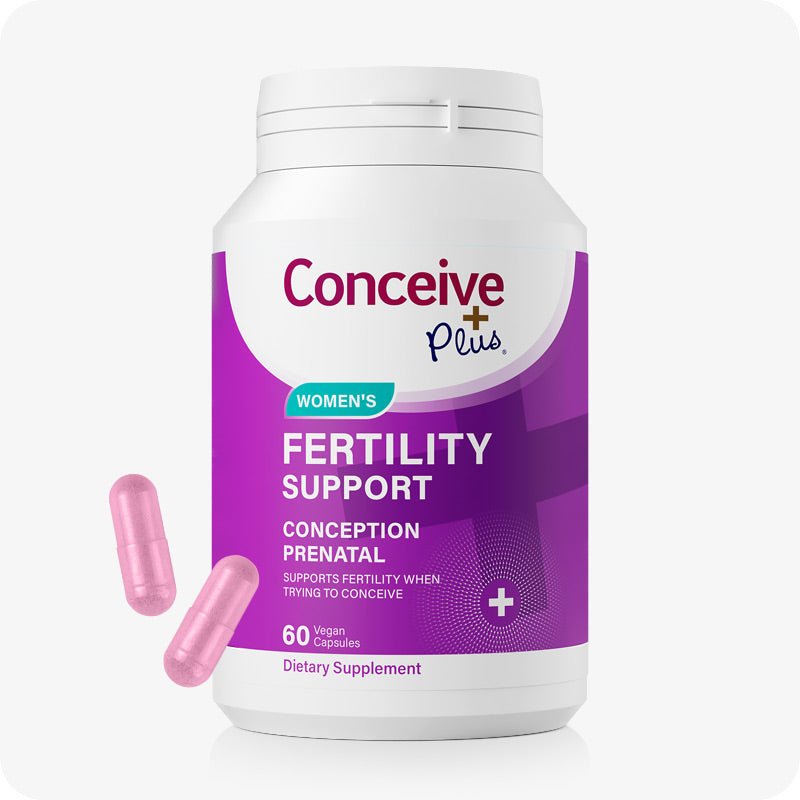
Feeling unusually tired is common as your body uses energy to support the embryo. Incorporating fertility nutrients such as folate, zinc, and vitamin B6 into your diet can support hormonal balance and ease some early pregnancy symptoms like fatigue, nausea, and mood swings.
8. Breast Tenderness
Hormones can cause breasts to become sore, swollen, or sensitive to touch.
9. Darkened Areolas
Areolas may darken and enlarge in preparation for breastfeeding.
10. Frequent Urination
Hormones cause increased blood flow to the kidneys, resulting in more frequent bathroom trips.
11. Bloating
Early hormonal shifts may cause gas and bloating, mimicking PMS symptoms.
12. Constipation
Progesterone can slow digestion, leading to constipation.
13. Heartburn
Hormonal changes can relax the valve between the stomach and esophagus, causing heartburn.
14. Mood Swings
Rapid hormone shifts might make you feel unusually emotional or irritable.
15. Back Pain
The expanding uterus can put pressure on the lower back, resulting in discomfort.
16. Headaches
Blood volume increases during pregnancy, which can lead to early headaches.
17. Dizziness
Hormonal shifts may cause blood pressure changes, resulting in lightheadedness [4].
18. Heightened Sense of Smell
Scents that once went unnoticed might suddenly seem stronger.
19. Increased Basal Body Temperature
BBT often remains elevated following ovulation and conception.
20. Metallic Taste
Some women report a metallic taste in their mouth, known as dysgeusia.
21. Excess Saliva
Excess saliva, or ptyalism, can be one of the more unusual signs.
22. Gagging Reflex
Even without nausea, some women develop an increased gag reflex.
23. Nasal Congestion
Hormones can cause nasal passages to swell, leading to congestion.
24. Sensitive Gums
Increased blood flow may make gums more sensitive and prone to bleeding.
25. Acne
Hormonal changes might trigger breakouts, even if you've typically had clear skin.


✨ Think You Might Be Pregnant?
Get fast, accurate results up to 6 days before your missed period with our early detection pregnancy test.
Shop Now — $9.80✓ Free shipping on orders over $40 | ✓ Trusted by millions of couples worldwide
26. Clear Skin
Conversely, some women find their skin becomes unusually clear.
27. Breast Fullness
Breasts may feel fuller as they prepare for milk production.
28. Shortness of Breath
The growing demand for oxygen might make you feel breathless.
29. Nipple Sensitivity
Nipples can become more sensitive or even painful.
30. Vivid Dreams
Hormonal changes can influence dream intensity and vividness.
31. Increased Heart Rate
An increased heart rate can start early as your body works harder.
32. Hot Flashes
Rising hormone levels may lead to sudden feelings of warmth.
33. Skin Changes
Changes in skin pigmentation, known as melasma, may appear.
34. Increased Thirst
The body’s demand for fluids increases, leading to heightened thirst.
35. Excessive Sweating
Pregnancy hormones might make you sweat more than usual.
36. Tingling in Hands
Carpal tunnel syndrome, marked by tingling in hands, can begin in early pregnancy.
37. Leg Cramps
Some women experience leg cramps as a result of nutrient needs.
38. Change in Cervical Mucus
You might notice an increase in cervical mucus with a thicker consistency.
39. Sensitive Bladder
Bladder sensitivity can increase, leading to more frequent bathroom trips.
40. Decreased Libido
Hormones can lead to decreased interest in sexual activity.
41. Heightened Libido
On the flip side, some women may experience a temporary increase in libido.
42. Lower Abdominal Pressure
Hormonal changes can cause a feeling of fullness or pressure.
43. Swollen Hands and Feet
Slight swelling may start early as fluid retention increases.
44. Altered Sleep Patterns
Sleep disruptions, including insomnia, can start in early pregnancy.
45. Sensitive Eyes
Eyes may feel dry or sensitive to light.
46. Unusual Dryness or Itching
Some women experience dry or itchy skin early in pregnancy.
47. Increased Urine Smell
Hormones can change the scent of your urine [3].
48. Aversion to Caffeine
The body may naturally steer you away from stimulants like caffeine.
49. Twinges in the Lower Abdomen
Some women feel twinges or pulling sensations in the abdomen.
50. Varicose Veins
Increased blood volume and pressure may cause veins to swell.
51. Skin Tags
Hormones might cause the development of small skin tags.
52. Faster Hair Growth
Hormones can boost hair growth, resulting in thicker or faster-growing hair.
53. Feeling Cold or Hot
Hormone-induced body temperature changes may make you feel unusually cold or warm.
54. Mild Fever
A slight increase in body temperature can occur.
55. Thicker Nails
Nail growth might accelerate, leading to stronger, thicker nails.
56. Cravings for Ice
A craving for ice or cold items might be an early sign.
57. Sore Throat
Increased blood flow can lead to throat sensitivity.
58. Stomach Gurgling
Increased gas and digestion changes can cause stomach sounds.
59. Dry Mouth
Hormonal changes can make the mouth feel dry.
60. Ear Sensitivity
Heightened awareness or sensitivity to sound may develop.
61. Gas
Progesterone can lead to increased gas production.

62. Hip Pain
The pelvis begins preparing to expand, leading to hip discomfort.
63. Change in Bowel Habits
Hormones can alter bowel regularity.
64. Sneezing
Increased mucus production might cause frequent sneezing.
65. Chest Tenderness
The chest area might feel unusually sensitive or sore.
66. Unexplained Joy or Sadness
Emotional shifts are common with hormonal changes.
67. Muscle Soreness
Muscles might feel sore as the body adjusts to hormonal changes.
68. Tingling in Feet
Circulatory changes can cause tingling sensations in the feet.
69. Unusual Body Odor
Hormonal shifts can cause changes in body odor.
70. Lowered Immunity
A weaker immune response can make you more susceptible to colds.
Conclusion
In summary, these 70 early signs of pregnancy represent a broad spectrum of physical and emotional changes that can signal the beginning of pregnancy. If you notice multiple signs, a pregnancy test can confirm your suspicions. While the experience varies from person to person, understanding these potential early pregnancy indicators can provide valuable insight into your body’s unique journey.
Resources:
- Zib M, Lim L, Walters WA. Symptoms during normal pregnancy: a prospective controlled study. Aust N Z J Obstet Gynaecol. 1999 Nov;39(4):401-10. doi:10.1111/j.1479-828x.1999.tb03122.x. PMID: 10687753.
- Forrest D. Tierson, Carolyn L. Olsen, Ernest B. Hook. Nausea and vomiting of pregnancy and association with pregnancy outcome. American Journal of Obstetrics and Gynecology. Volume 155, Issue 5. 1986. Pages 1017-1022. ISSN 0002-9378. https://doi.org/10.1016/0002-9378(86)90337-6. (https://www.sciencedirect.com/science/article/pii/0002937886903376)
- Bastian LA, et al. Clinical manifestations and diagnosis of early pregnancy. https://www.uptodate.com/contents/clinical-manifestations-and-diagnosis-of-early-pregnancy. Accessed Nov. 09, 2024.
- Committee on Practice Bulletins-Obstetrics. ACOG Practice Bulletin No. 189: Nausea And Vomiting Of Pregnancy. Obstet Gynecol. 2018 Jan;131(1):e15-e30. doi:10.1097/AOG.0000000000002456. PMID: 29266076.
- Norwitz ER, et al. Overview of the etiology and evaluation of vaginal bleeding in pregnancy. https://www.uptodate.com/contents/clinical-manifestations-and-diagnosis-of-early-pregnancy. Accessed Nov. 09, 2024.
🌱 Get Answers Early
Millions of women trust Conceive Plus for their fertility journey. Clinically validated pregnancy tests delivered to your door.
Shop Pregnancy Tests →Frequently Asked Questions
Recommended by Fertility Experts
Conceive Plus Fertility Lubricant
Specially formulated to be sperm-friendly and isotonic, supporting your natural conception journey without disrupting the reproductive environment.
Shop Now →How soon after conception can early pregnancy signs appear?
Early pregnancy signs can begin as early as 6-8 days after ovulation and conception, though most women don't notice symptoms until after a missed period. Some signs, like implantation bleeding, may appear around 10-14 days after conception. However, the most reliable indicator remains a missed period, which typically occurs 12-16 days after ovulation.
Can early pregnancy signs be confused with PMS or other conditions?
Yes, many early pregnancy symptoms like bloating, cramping, mood swings, and breast tenderness are nearly identical to premenstrual syndrome (PMS), making it difficult to distinguish between the two without a pregnancy test. Other conditions such as thyroid disorders, hormonal imbalances, or stress can also mimic early pregnancy signs. The most reliable way to confirm pregnancy is through a blood or urine test, with blood tests (beta-hCG) being detectable as early as 6-8 days after ovulation.
When should I take a pregnancy test for accurate results?
The most accurate time to take an at-home pregnancy test is after a missed period, when hCG hormone levels are highest, though some sensitive tests claim to detect pregnancy 5-6 days before a missed period. For the most reliable results, use a test with your first morning urine, which has the highest concentration of hCG. If you get a negative result but suspect pregnancy, the American College of Obstetricians and Gynecologists (ACOG) recommends retesting after a few days or consulting your healthcare provider for a blood test.
Are all 70 early pregnancy signs something I should expect to experience?
No, every pregnancy is unique, and most women experience only a handful of the many possible early signs rather than all of them. Some women may have very few noticeable symptoms at all, while others experience multiple signs simultaneously. If you're concerned about your specific symptoms or lack thereof, it's best to consult with your healthcare provider or OB-GYN for personalized guidance.
Can I manage early pregnancy symptoms like nausea and fatigue naturally?
Yes, several natural approaches may help manage early pregnancy symptoms, including eating small, frequent meals for nausea, staying hydrated, and getting adequate rest for fatigue. Incorporating fertility nutrients such as folate, zinc, and vitamin B6 through diet or prenatal vitamins can support hormonal balance and ease symptoms like nausea and mood swings. However, always consult your OB-GYN or registered dietitian before starting any supplements or making significant dietary changes during pregnancy.
Does insurance cover prenatal vitamins and pregnancy testing?
Most health insurance plans cover prenatal vitamins and pregnancy testing, especially when prescribed by your doctor, though coverage varies by plan and state. The Affordable Care Act (ACA) requires many insurance plans to cover preventive care, including prenatal vitamins without cost-sharing. It's best to check directly with your insurance provider to understand your specific coverage, and speak with your healthcare provider about prescription-strength prenatal vitamins if cost is a concern.
What should I do if I experience severe symptoms like heavy bleeding or severe pain?
Heavy vaginal bleeding, severe abdominal pain, or severe dizziness in early pregnancy require immediate medical attention, as these may indicate complications such as ectopic pregnancy or miscarriage. Contact your OB-GYN or visit an emergency room right away if you experience these symptoms. The American College of Obstetricians and Gynecologists (ACOG) emphasizes that early evaluation is crucial for ensuring the health and safety of both you and a potential pregnancy.
Trusted by Couples in Over 70 Countries
Start Your Fertility Journey With the Right Support
Conceive Plus Fertility Lubricant is specially formulated to be compatible with sperm, eggs, and embryos. Whether you are just starting out or have been trying for a while, our products are designed to work with your body — not against it.
Explore Fertility Lubricant →