Can Implantation Cause Diarrhea? Understanding the Connection


Pregnancy symptoms can vary widely, and while some are well-known, others may come as a surprise. One unexpected symptom that some women report is diarrhea during early pregnancy, particularly around the time of implantation. The question arises: can implantation cause diarrhea? Understanding the relationship between implantation and digestive changes can provide insights into why this symptom might occur and whether it is indeed linked to early pregnancy.
Implantation occurs when a fertilized egg attaches itself to the lining of the uterus, typically around 6 to 12 days after ovulation. During this time, a woman's body undergoes significant hormonal changes that can lead to various symptoms. While many people associate early pregnancy signs with nausea, fatigue, or spotting, digestive issues like diarrhea may also arise [1]. The question remains: does implantation cause diarrhea, and if so, what are the underlying reasons?

Is Diarrhea a Sign of Pregnancy Implantation?
Although there is no definitive scientific evidence directly linking implantation diarrhea to pregnancy, some women do report experiencing digestive changes during this phase. When considering is diarrhea a sign of pregnancy implantation, it is essential to remember that every woman's body responds differently to hormonal changes. Digestive changes, like diarrhea, can sometimes coincide with embryo implantation, as the body adapts to early pregnancy. The surge in hormones like progesterone during early pregnancy can potentially disrupt normal digestive function, leading to diarrhea or other gastrointestinal symptoms [2].
Hormonal Influence on the Digestive System

✨ Think You Might Be Pregnant?
Get fast, accurate results up to 6 days before your missed period with our early detection pregnancy test.
Shop Now — $9.80✓ Free shipping on orders over $40 | ✓ Trusted by millions of couples worldwide
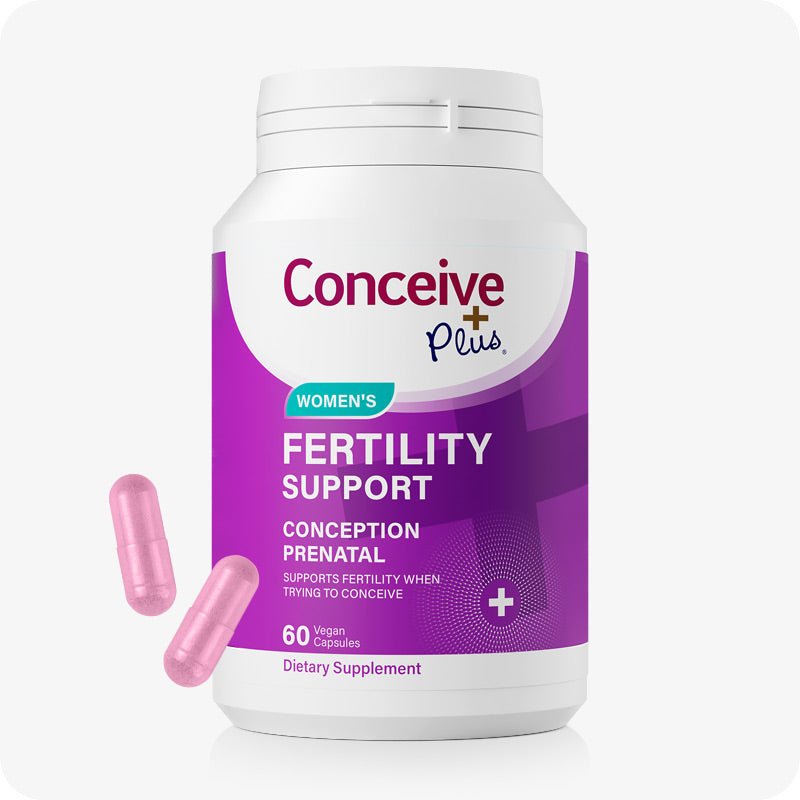
Hormonal changes that occur after implantation may affect the digestive tract. Higher levels of progesterone, in particular, can have an impact on bowel movements. Taking Conceive Plus Fertility Support for Women before getting pregnant, formulated with folate and Myo-inositol, can help create a supportive environment for embryo implantation and overall reproductive health. Progesterone relaxes the muscles in the gastrointestinal tract, which can either slow down or speed up digestion, leading to symptoms such as constipation or diarrhea. Therefore, if you experience diarrhea after ovulation, it could be a response to early pregnancy hormones, although it is not a definitive sign of implantation.

Does Implantation Cause Diarrhea in All Women?
It is important to note that not all women will experience implantation diarrhea, and for those who do, it may vary in intensity. The digestive system is influenced by multiple factors, including diet, stress, and hydration levels, so these should be considered when evaluating potential symptoms. Diarrhea around the time of implantation may be a coincidental occurrence rather than a direct result of the implantation process itself [3].
Other early pregnancy symptoms, such as cramping or spotting, are more commonly associated with implantation. If you are experiencing digestive disturbances along with these symptoms, it might be worth considering pregnancy as a possibility. However, diarrhea alone is not typically considered a primary sign of implantation.
While digestive changes like diarrhea can be a normal response to pregnancy hormones, persistent or severe symptoms should be discussed with a healthcare provider. This is especially important if you experience dehydration, abdominal pain, or other concerning signs. Managing hydration and monitoring symptoms can help alleviate discomfort.
Conclusion
Though diarrhea after ovulation is not widely recognized as a classic pregnancy symptom, it is not entirely unheard of. Hormonal shifts during early pregnancy may affect the digestive system, potentially leading to implantation diarrhea in some women. While it is less common than other early pregnancy signs, understanding the potential reasons behind digestive changes can help women be more aware of their bodies. If you suspect pregnancy and are experiencing unusual symptoms, consider taking a pregnancy test and consulting with a healthcare provider for further evaluation.

Resources
- MedicalNewsToday. What to know about diarrhea during pregnancy. [Accessed: 26-Oct-2024]. Available online- https://www.medicalnewstoday.com/articles/324941
- MedicalNewsToday. Implantation symptoms: Signs, timeline, and testing. [Accessed: 26-Oct-2024]. Available online- https://www.medicalnewstoday.com/articles/implantation-symptoms
- Eugene S. Bonapace, Robert S. Fisher. CONSTIPATION AND DIARRHEA IN PREGNANCY. Gastroenterology Clinics of North America. (Volume 27, Issue 1, 1998, Pages 197-211) https://www.sciencedirect.com/science/article/abs/pii/S0889855305703538?via%3Dihub
🌱 Get Answers Early
Millions of women trust Conceive Plus for their fertility journey. Clinically validated pregnancy tests delivered to your door.
Shop Pregnancy Tests →Frequently Asked Questions
Recommended by Fertility Experts
Conceive Plus Fertility Supplements
Science-backed vitamins and supplements expertly formulated to nourish your body and support reproductive health at every stage.
Shop Now →What hormonal changes during early pregnancy can affect digestion?
After implantation, progesterone levels rise significantly, which relaxes the muscles in your gastrointestinal tract and can alter how quickly food moves through your digestive system. This hormonal shift can lead to either constipation or diarrhea, depending on how your individual body responds. Other hormones like human chorionic gonadotropin (hCG) may also contribute to digestive changes during early pregnancy.
How soon after conception might I experience digestive symptoms?
Implantation typically occurs 6 to 12 days after ovulation, and hormonal changes that can affect digestion may begin shortly after. However, most women don't experience noticeable symptoms until after a missed period, which is usually 12-14 days after ovulation. If you notice digestive changes before your missed period, keep track of other symptoms to help determine if they're pregnancy-related.
Can diarrhea during implantation be confused with other conditions?
Yes, diarrhea can result from many causes including dietary changes, infections, stress, or underlying gastrointestinal conditions, making it difficult to attribute solely to implantation. The only reliable way to confirm pregnancy-related symptoms is through a blood test measuring hCG levels or a urine pregnancy test taken after a missed period. If diarrhea persists or is accompanied by severe pain, fever, or blood, consult your healthcare provider to rule out other causes.
Should I be concerned about dehydration if I have diarrhea in early pregnancy?
Yes, maintaining proper hydration is important during early pregnancy, as dehydration can affect nutrient absorption and fetal development. If you experience diarrhea, drink plenty of water, electrolyte solutions, and eat bland, nutrient-dense foods. Contact your healthcare provider if diarrhea is severe, persistent, or accompanied by signs of dehydration like dizziness or dark urine.
Is there a difference between implantation diarrhea and regular diarrhea?
Implantation-related diarrhea is typically mild and may occur alongside other early pregnancy symptoms like breast tenderness, fatigue, or mild cramping. Regular diarrhea from other causes may be more severe, sudden, or accompanied by nausea, vomiting, or abdominal pain. If diarrhea is your only symptom and it's mild, it could be implantation-related, but tracking additional symptoms will help you determine if pregnancy is the cause.
Can certain fertility supplements affect digestion during the implantation window?
Some fertility supplements, prenatal vitamins, or medications can cause gastrointestinal side effects including diarrhea or constipation as your body adjusts. If you've recently started new supplements, discuss potential digestive effects with your healthcare provider or fertility specialist. They may recommend adjusting timing, dosage, or switching to a different formulation to minimize digestive disruption.
When should I contact my doctor about diarrhea during early pregnancy?
Contact your healthcare provider if diarrhea is severe, lasts more than a few days, is accompanied by blood or mucus, or if you experience signs of dehydration or abdominal pain. Additionally, inform your doctor if you're experiencing diarrhea while taking fertility medications or supplements, as they may need to adjust your treatment plan. Early communication with your healthcare team ensures both your health and optimal conditions for implantation and pregnancy.
Trusted by Couples in Over 70 Countries
Nourish Your Fertility With Science-Backed Supplements
The right nutrients at the right time can make a meaningful difference. Conceive Plus fertility supplements are expertly formulated with vitamins, minerals, and botanicals to support reproductive health for both men and women.
Shop Fertility Supplements →