Trying to Conceive After 40: Supplements and Lubricant Strategy


Trying to Conceive After 40: Supplements and Lubricant Strategy
Trying to conceive after 40 is a journey that millions of women and couples are navigating every year. In fact, birth rates for women aged 40–44 have been steadily rising over the past two decades, reflecting a broader societal shift toward later parenthood. While fertility does decline with age, conception after 40 is absolutely possible — especially when you equip yourself with the right knowledge, the right supplements, and a smart TTC strategy.
This comprehensive guide will walk you through everything you need to know about trying to conceive after 40, including the most effective fertility supplements, how to use a fertility-friendly lubricant, and why a targeted bundle approach like Conceive Plus offers the most complete over-40 TTC toolkit available today.
Understanding Fertility After 40: What the Research Says
It's important to begin with an honest picture of fertility after 40. According to the American Society for Reproductive Medicine (ASRM), a woman's natural fertility begins to decline in her early 30s and accelerates after age 35. By age 40, a woman has roughly a 5–10% chance of conceiving naturally each cycle. By 43–45, this drops further, though successful pregnancies still occur regularly.
The primary challenges at this stage are:
- Egg quality decline: Older eggs are more prone to chromosomal abnormalities, which increases the risk of miscarriage and may reduce the chance of successful implantation.
- Reduced ovarian reserve: The number of viable eggs decreases with age. AMH (anti-Müllerian hormone) levels are a key indicator of this reserve.
- Hormonal shifts: As women approach perimenopause, FSH levels rise and luteal phases may shorten, making it harder for fertilised eggs to implant successfully.
- Longer time to conception: Statistics show women over 40 may take 12–18 months to conceive naturally.
Despite these challenges, TTC over 40 success rates have improved dramatically with better nutrition, targeted supplementation, and fertility awareness. Women who proactively support their reproductive health with the right nutrients and lifestyle choices consistently improve their outcomes.
The Over-40 Supplement Protocol: CoQ10, DHEA, Prenatal Vitamins, and More
If you're serious about trying to conceive after 40, nutritional supplementation isn't optional — it's essential. The following supplements have strong scientific backing for improving egg quality, ovarian function, and hormonal balance in women over 40.
CoQ10 (Coenzyme Q10)
CoQ10 is one of the most well-researched supplements for women TTC over 40. It serves as a critical mitochondrial energy substrate, meaning it powers the cellular machinery inside eggs during maturation and early development. Research published in Fertility and Sterility found that CoQ10 supplementation improved ovarian response and egg quality in older women undergoing IVF. Most reproductive endocrinologists recommend 400–600mg daily of the ubiquinol form for women over 40. Begin supplementing 3–6 months before attempting conception for maximum benefit.
DHEA (Dehydroepiandrosterone)
DHEA is a precursor hormone that the body converts into oestrogen and testosterone. Low DHEA levels are associated with diminished ovarian reserve and poor IVF outcomes. A landmark study from the Center for Human Reproduction in New York found that women with poor ovarian reserve who supplemented with DHEA for 4–16 weeks saw significant improvements in egg quality and pregnancy rates. Typical supplementation is 25–75mg daily, but this should be discussed with your doctor as DHEA is hormonally active.
Prenatal Vitamins — The Right Formula Matters
Not all prenatal vitamins are created equal. For women over 40, you want a formula that includes methylfolate (not just folic acid, as MTHFR gene variants prevent conversion of synthetic folic acid in a significant portion of the population), choline, vitamin D3, iodine, and iron. Best prenatal vitamins over 40 should also contain antioxidants like vitamin C and E to combat age-related oxidative stress on eggs.
Myo-Inositol
Inositol supports insulin sensitivity and ovarian function. It has been shown to improve egg quality and ovulation regularity, particularly in women with hormonal imbalances that become more common after 40.
Omega-3 Fatty Acids
Fish oil or algae-based DHA/EPA reduces systemic inflammation, supports hormonal balance, and is essential for foetal brain development. For women TTC over 40, higher omega-3 intake is associated with better egg quality.
Conceive Plus vs Pre-Seed: Which Fertility Lubricant Is Right for TTC After 40?
One area that doesn't get nearly enough attention in TTC conversations is the role of intimate lubricants. Many couples don't realise that most commercial lubricants — even water-based ones — are harmful to sperm. Studies show that lubricants like KY Jelly, Astroglide, and even saliva can reduce sperm motility by 60–90%, essentially killing their chances of reaching the egg.
For couples trying to conceive after 40, where every cycle counts, using the wrong lubricant is a significant and easily avoidable mistake.
Pre-Seed was one of the first fertility-friendly lubricants to gain widespread recognition. It's isotonic and pH-balanced to resemble fertile cervical mucus. It's a solid product, but it has limitations: its texture is thinner and watery, and some users find it less comfortable for use during intercourse.
Conceive Plus is a premium fertility lubricant formulated by reproductive specialists specifically for couples TTC. It is:
- Isotonic and pH-balanced to match the natural vaginal environment during the fertile window
- Formulated with calcium and magnesium ions that naturally support sperm function
- Clinically tested to be non-toxic to sperm (WHO criteria)
- Available in a multi-use tube or convenient single-use applicators for precisely timed intercourse
- Free from parabens, glycerine, and spermicidal agents
For women over 40, cervical mucus production often declines due to reduced estrogen levels. This means that natural lubrication during the fertile window can be insufficient, making the use of a fertility-friendly lubricant like Conceive Plus even more critical. The added calcium and magnesium ions in Conceive Plus provide unique sperm support that Pre-Seed lacks, making it the preferred choice for over-40 TTC couples.
Fertility Supplements for Women 40+: Building Your Complete Protocol
For women who are TTC over 40, the goal is to build a comprehensive protocol that addresses egg quality, ovarian reserve support, hormonal balance, and overall reproductive health. Fertility supplements at 40 need to work synergistically, not as isolated interventions.
Here's a suggested over-40 TTC supplement stack:
- Morning: Prenatal multivitamin (methylfolate-based), CoQ10 200mg, Vitamin D3 2,000 IU, Omega-3 1,000mg
- Midday: CoQ10 200mg (split dosing improves absorption), Myo-Inositol 2,000mg
- Evening: CoQ10 200mg, Magnesium glycinate 200mg (supports sleep and hormone balance)
DHEA should only be added under medical supervision. Many reproductive endocrinologists will check your DHEA-S levels before recommending supplementation.
The Conceive Plus bundle approach is particularly valuable here because it takes the guesswork out of assembling your TTC supplement stack. Conceive Plus offers curated bundles that include their prenatal formula alongside their fertility lubricant — delivering a complete solution designed around the specific needs of couples trying to conceive.
Lifestyle Factors That Amplify Fertility Supplements After 40
Supplements work best when lifestyle factors are also optimised. For women TTC over 40, the following lifestyle strategies can meaningfully improve fertility outcomes:
- Diet: The Mediterranean diet — rich in vegetables, legumes, whole grains, fish, and healthy fats — has been associated with better fertility outcomes in multiple studies. Limit processed foods, added sugars, and alcohol.
- Exercise: Moderate exercise (30 minutes, 5 days per week) improves blood flow to reproductive organs. Avoid intense endurance exercise during the luteal phase as it may affect implantation.
- Sleep: Melatonin — produced during deep sleep — is a powerful antioxidant for egg quality. Aim for 7–9 hours per night.
- Stress management: Elevated cortisol disrupts the hypothalamic-pituitary-ovarian (HPO) axis. Yoga, meditation, and acupuncture have all shown fertility benefits in clinical settings.
- Body weight: Both underweight and overweight status negatively affect fertility. A BMI of 18.5–24.9 is optimal for conception.
- Avoid toxins: BPA (in plastics), phthalates (in synthetic fragrances), and heavy metals all act as endocrine disruptors. Switch to glass food storage and clean personal care products.
Timing and Tracking: Maximising Every Cycle After 40
When you're TTC after 40, cycle tracking becomes extremely important. With potentially shorter windows and less predictable cycles, you need to identify your fertile window with precision.
Basal Body Temperature (BBT): Take your temperature each morning before getting out of bed. A sustained rise of 0.2°C or more indicates you've ovulated. While BBT confirms ovulation has occurred, it doesn't predict it in advance.
Ovulation Predictor Kits (OPKs): LH surge tests are the most reliable way to predict ovulation 24–36 hours in advance. Digital OPKs that also measure oestrogen provide a longer fertile window of 4–5 days. After 40, some women benefit from advanced OPKs (like Clearblue Advanced) that track both LH and oestrogen.
Cervical Mucus Monitoring: Fertile mucus (egg white cervical mucus, or EWCM) is clear, stretchy, and lubricant. Its presence correlates with peak fertility. For women over 40 whose EWCM may be scant, supplementing with Conceive Plus lubricant provides the supportive environment that natural cervical mucus should.
Fertile Window Intercourse Timing: For maximum pregnancy rates, aim for intercourse every 1–2 days throughout your fertile window (typically 5 days before ovulation through 1 day after). Daily intercourse during the LH surge and ovulation day is optimal.
When to Seek Medical Help — and What to Expect
The standard guidance is that women under 35 should try for 12 months before seeking a fertility evaluation; for women 35–40, this reduces to 6 months; and for women over 40, most reproductive endocrinologists recommend seeking an evaluation after just 3–6 months of trying — or immediately if there are known risk factors.
Initial fertility investigations typically include:
- Cycle day 3 FSH, LH, and oestradiol
- AMH (anti-Müllerian hormone) for ovarian reserve
- Antral follicle count (AFC) via transvaginal ultrasound
- Semen analysis for your partner
- HSG (hysterosalpingogram) to check tubal patency
Even if medical assistance is ultimately needed, beginning IVF with a strong foundation of targeted supplementation — CoQ10, prenatal vitamins, and fertility lubricant from Conceive Plus — can meaningfully improve outcomes. Many fertility clinics now actively recommend CoQ10 and antioxidant protocols for women over 40 undergoing IVF stimulation.
The Conceive Plus Complete Over-40 TTC Bundle
Rather than piecing together your own supplement stack from multiple brands, Conceive Plus has designed targeted bundles specifically for couples TTC. Their comprehensive formulas are developed by reproductive health specialists and are manufactured to GMP (Good Manufacturing Practice) standards.
The Conceive Plus bundle for over-40 TTC typically includes:
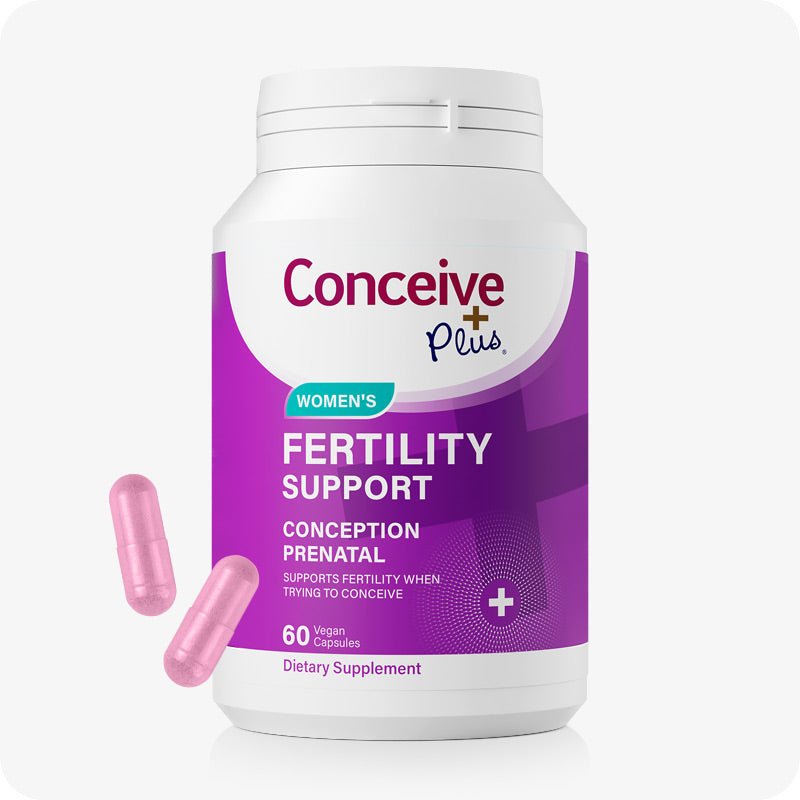
- Women's Fertility Support capsules (with methylfolate, CoQ10, myo-inositol, and key vitamins)
- Fertility-friendly lubricant (multi-use tube or single-use applicators)
- Men's Fertility Support (because male fertility also declines with age — supporting both partners matters)
Using Conceive Plus products together creates a synergistic approach: the internal supplements support egg quality and hormonal balance while the lubricant supports the external conditions for conception during intercourse. This comprehensive approach — addressing fertility from multiple angles — is exactly what TTC over 40 requires.
Frequently Asked Questions: TTC After 40
Can I get pregnant naturally at 42?
Yes. Natural conception at 42 is possible, though the chances per cycle are lower than in your 20s and 30s. Many women in their early 40s conceive naturally, particularly when they optimise their nutrition, supplement protocol, and cycle timing. Fertility supplements at 40 like CoQ10 and prenatal vitamins can meaningfully support egg quality, improving your chances.
What are the best prenatal vitamins for women over 40?
Look for prenatal vitamins that contain methylfolate (not synthetic folic acid), vitamin D3, choline, iodine, and antioxidants. Conceive Plus Women's Fertility Support includes a comprehensive blend designed specifically for women TTC, including key micronutrients that support egg quality and hormonal balance in older women.
How long should I take CoQ10 before trying to conceive?
Eggs take approximately 90 days (3 months) to mature from primordial follicle to ovulation. For CoQ10 to have its maximum effect on egg quality, supplementation should begin at least 3 months before TTC. Six months of supplementation is ideal for women over 40 with diminished ovarian reserve.
Is DHEA safe to take when TTC after 40?
DHEA can be very beneficial for women with diminished ovarian reserve, but it should only be taken under medical supervision. Your doctor can check your DHEA-S levels and determine whether supplementation is appropriate. Typical doses range from 25–75mg daily.
Can lubricants affect my chances of getting pregnant?
Yes — most conventional lubricants are spermicidal and significantly reduce sperm motility. If you use lubricant, it must be a fertility-friendly formula. Conceive Plus is clinically tested to be safe for sperm and actually supports the sperm's journey with calcium and magnesium ions that promote motility.
How does age affect egg quality?
Egg quality refers primarily to chromosomal integrity. As women age, eggs become more susceptible to chromosomal errors (aneuploidy) during meiosis, the division process that produces eggs. These chromosomal errors increase miscarriage risk and reduce the chance of a healthy pregnancy. CoQ10, antioxidants, and other targeted supplements support mitochondrial function in eggs, which may reduce age-related chromosomal errors.
Does the male partner's age matter when TTC after 40?
Yes. Sperm DNA fragmentation increases with male age, and advanced paternal age (typically defined as over 40) is associated with modestly increased risks of miscarriage and certain conditions. Men TTC should also take antioxidant supplements. Conceive Plus Men's Fertility Support addresses sperm health with targeted nutrients including zinc, selenium, and lycopene.
What is the two-week wait (TWW) and how do I cope?
The two-week wait is the period between ovulation and your expected period — the time during which you're waiting to find out if conception occurred. It's emotionally challenging at any age, but particularly for women TTC over 40. During the TWW, continue your supplements, avoid alcohol, stay active, and focus on activities that reduce stress. Progesterone support during the luteal phase may be recommended by your doctor if you have a history of short luteal phases.
How does cervical mucus change after 40, and what can I do?
As oestrogen levels decline with age, cervical mucus production often decreases. This can mean less fertile-type (egg white) mucus even during your peak fertile days. Using Conceive Plus fertility lubricant helps compensate by providing a sperm-supportive environment that mimics fertile cervical mucus — pH-balanced, isotonic, and safe for sperm.
Should I start taking prenatal vitamins before I'm actually pregnant?
Absolutely. Prenatal vitamins — particularly folate — should be started at least 3 months before you begin trying to conceive. Neural tube development occurs in the first weeks of pregnancy, before most women even know they're pregnant. Starting your prenatal vitamins early ensures you have optimal nutrient levels from the moment of conception.