Fertility Supplements: Your Evidence-Based Guide to Which Nutrients Actually Work for Conception in 2026


When you're trying to conceive, the supplement aisle can feel overwhelming. Shelves upon shelves of bottles promise to boost fertility, improve egg quality, supercharge sperm, and accelerate conception — but which ones actually have science behind them?
At Conceive Plus, we believe in cutting through the noise with evidence-based guidance. The truth is that while a well-balanced diet should always come first, targeted supplementation can fill critical nutritional gaps that directly impact reproductive health. This guide breaks down exactly which best fertility supplements are backed by clinical research, which are overhyped, and how to build a supplement strategy for fertility supplements for women and men that truly supports your conception journey. Whether you are looking for trying to conceive supplements or ovulation support, science-backed choices make all the difference.
The Science Behind Fertility Nutrients
Understanding how specific vitamins and minerals affect reproductive function helps you make informed choices. Key nutrients support everything from hormone regulation to egg quality and sperm DNA integrity. A 2022 systematic review published in Fertility and Sterility found that specific nutrient combinations significantly improved pregnancy rates compared to placebo.
Every cell in your reproductive system requires specific nutrients to function optimally. Eggs need antioxidant protection against oxidative stress. Sperm need structural integrity for DNA packaging. Hormone production relies on specific mineral cofactors.
Folic Acid: The Foundation Supplement
🌈 Complete Your Conception Plan with Conceive Plus Fertility Supplements
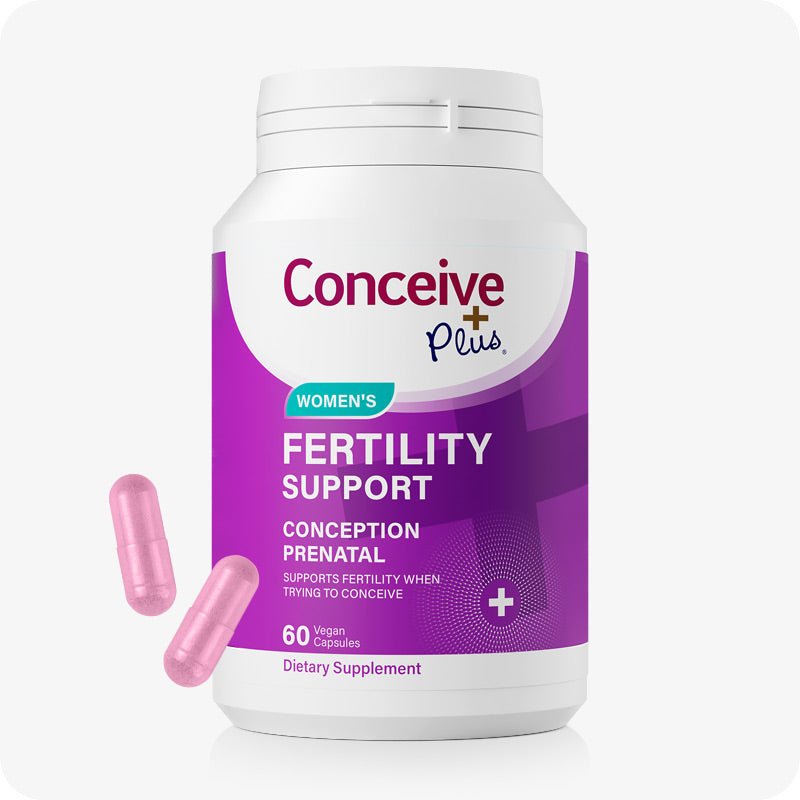
The best fertility supplements for women and men go hand-in-hand with a sperm-friendly environment. Conceive Plus fertility supplements are clinically formulated to support reproductive health at the cellular level — and our fertility lubricant ensures sperm reach the egg in optimal condition.
✅ Clinically proven not to harm sperm motility
✅ Recommended by fertility specialists worldwide
✅ Compatible with all conception methods — natural, IUI, or IVF
✅ FDA cleared fertility lubricant with calcium and magnesium ions
Folic acid (vitamin B9) is the single most recommended prenatal nutrient, and for good reason. Research shows that adequate folic acid intake before conception and during early pregnancy significantly reduces the risk of neural tube defects by up to 70%. The CDC recommends all women of reproductive age consume 400-800 mcg of folic acid daily. The active form — methylfolate — may be more effective for women with MTHFR gene mutations, which affect approximately 40% of the population.
CoQ10: The Cellular Energy Booster
Coenzyme Q10 plays a critical role in cellular energy production, and eggs and sperm are among the most energy-demanding cells in the body. A 2020 meta-analysis found that CoQ10 supplementation improved pregnancy rates in women undergoing IVF, particularly those over 35. For men, CoQ10 has been shown to improve sperm motility by 20-30% in multiple randomised controlled trials. Dosage typically ranges from 100-600 mg daily, with the ubiquinol form being better absorbed.
Vitamin D: The Hormone Regulator
Vitamin D receptors are present throughout the reproductive system, and deficiency has been linked to menstrual irregularities, PCOS severity, and lower IVF success rates. Approximately 40% of reproductive-age women have insufficient vitamin D levels. A simple blood test can determine your status, and supplementation of 1,000-4,000 IU daily can help maintain healthy levels.
Omega-3 Fatty Acids: Anti-Inflammatory Support
Omega-3s, particularly EPA and DHA, support hormonal balance by reducing inflammation and improving cell membrane fluidity. A 2021 study found that women with the highest omega-3 intake had a significantly shorter time to pregnancy. For men, DHA is structurally essential for sperm formation. Fatty fish 2-3 times per week or 1,000-2,000 mg combined EPA/DHA daily is recommended.
Zinc and Selenium: Male Fertility Essentials
Zinc is one of the most critical minerals for male fertility, directly involved in testosterone production and sperm formation. A 2019 meta-analysis found that selenium supplementation improved sperm motility and increased pregnancy rates. Good food sources include oysters, Brazil nuts (just 2-3 provide optimal selenium), and pumpkin seeds.
Building Your Supplement Protocol Safely
More is not always better. A good foundation protocol includes: 400-800 mcg folic acid or methylfolate, 1,000-2,000 IU vitamin D3, 100-300 mg CoQ10, 1,000-2,000 mg omega-3s, and 15-30 mg zinc. Always work with a healthcare provider to test your nutrient levels before starting a supplement regimen.
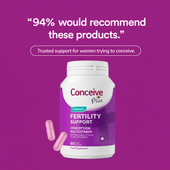
The Conceive Plus fertility supplement range is designed to take the guesswork out of building your protocol. Each Conceive Plus fertility supplement product delivers key reproductive nutrients in their most bioavailable forms — including active methylfolate rather than synthetic folic acid, and ubiquinol CoQ10 for maximum absorption. Explore the full Conceive Plus fertility supplements collection to find the right support for your stage of the journey.
The Role of a Fertility-Supportive Lubricant
Even with optimal nutrition, many couples overlook one critical factor: the vaginal environment during intercourse. Traditional lubricants have been shown to impair sperm motility and viability by up to 60-100% within minutes of contact. A fertility friendly lubricant like Conceive Plus is clinically tested to match the ionic balance and pH of healthy cervical mucus, providing an optimal medium for sperm transport while supporting your body's natural fertility. When you're investing in high-quality trying to conceive supplements and optimising your diet, don't let the wrong lubricant undo your efforts. The Conceive Plus fertility supplement range paired with our fertility lubricant creates a complete conception support system.
Frequently Asked Questions
1. How long before conception should I start taking fertility supplements?
Most healthcare providers recommend starting at least 3 months before trying to conceive, as it takes approximately 90 days for eggs to mature and sperm to fully develop.
2. Can I get all my fertility nutrients from food alone?
While a nutrient-dense diet is the foundation, modern agricultural practices mean even healthy diets may lack optimal levels of certain key nutrients like vitamin D and selenium.
3. Are there any supplements that can harm fertility?
Yes. High-dose vitamin A and excessive selenium can be harmful. Always consult a healthcare provider before starting any supplement protocol.
4. Should my partner also take supplements?
Absolutely. Male fertility responds well to zinc, selenium, CoQ10, and vitamin C.
5. What is the most important supplement for fertility?
Folic acid is universally recommended for women. For men, zinc is considered the most critical mineral for sperm health.
6. Can supplements help with PCOS?
Yes. Inositol has strong clinical evidence for improving ovarian function and pregnancy rates in women with PCOS.
7. How do I know if a supplement brand is high quality?
Look for third-party testing (USP, NSF, or ConsumerLab certification).
8. Can I take too many supplements?
Yes. Some nutrients compete for absorption. Stick to recommended dosages.
9. Do I need supplements if doing IVF?
Yes. CoQ10, vitamin D, and omega-3s are associated with better IVF outcomes.
10. Is Conceive Plus compatible with my supplement routine?
Absolutely. Conceive Plus is a fertility-friendly lubricant that supports sperm transport alongside any supplement protocol.
💛 Your Conception Journey, Supported by Science
You've read the research, understood the science, and now you're ready to take action. Conceive Plus is the fertility-friendly lubricant that puts clinical evidence into practice — supporting sperm health and viability when it matters most. Trusted by fertility specialists and couples worldwide.