Fertility Diet: The Best Foods to Eat When Trying to Conceive


Fertility Diet: The Best Foods to Eat When Trying to Conceive
When you're trying to conceive, every choice feels significant — and what you eat is no exception. Research increasingly shows that nutrition plays a critical role in reproductive health, from egg quality and hormone balance to sperm health and embryo implantation. A fertility-focused diet isn't about deprivation; it's about nourishing your body with the specific nutrients it needs to support conception.
This guide covers the science behind fertility nutrition, the best foods for conception, what to avoid, and how to build sustainable eating habits that support your reproductive health journey.
The Science Behind Fertility Nutrition
Nutrition affects fertility through several interconnected pathways. Key mechanisms include:
- Hormone regulation: Many nutrients act as cofactors in hormone synthesis. Zinc, selenium, and B vitamins are particularly important for progesterone, estrogen, and testosterone production.
- Egg quality: Antioxidants protect eggs from oxidative damage during the months-long maturation process. A 2018 study in the journal Fertility and Sterility found that higher antioxidant intake was associated with better egg quality in IVF patients.
- Sperm health: Diet affects sperm concentration, motility, and morphology. A Mediterranean-style diet has been associated with significantly better sperm quality in multiple studies.
- Insulin sensitivity: Blood sugar regulation affects hormone balance, particularly in women with PCOS. A diet that stabilizes blood sugar supports regular ovulation.
- Inflammation: Chronic inflammation can impair implantation and embryo development. Anti-inflammatory foods help create a more favorable uterine environment.
The American Society for Reproductive Medicine recognizes nutrition as a modifiable factor in fertility, and the CDC estimates that 12–13% of couples in the US have difficulty getting pregnant. For many, dietary changes may offer meaningful support.
Top Fertility-Boosting Foods for Women
Nourish Your Fertility Journey
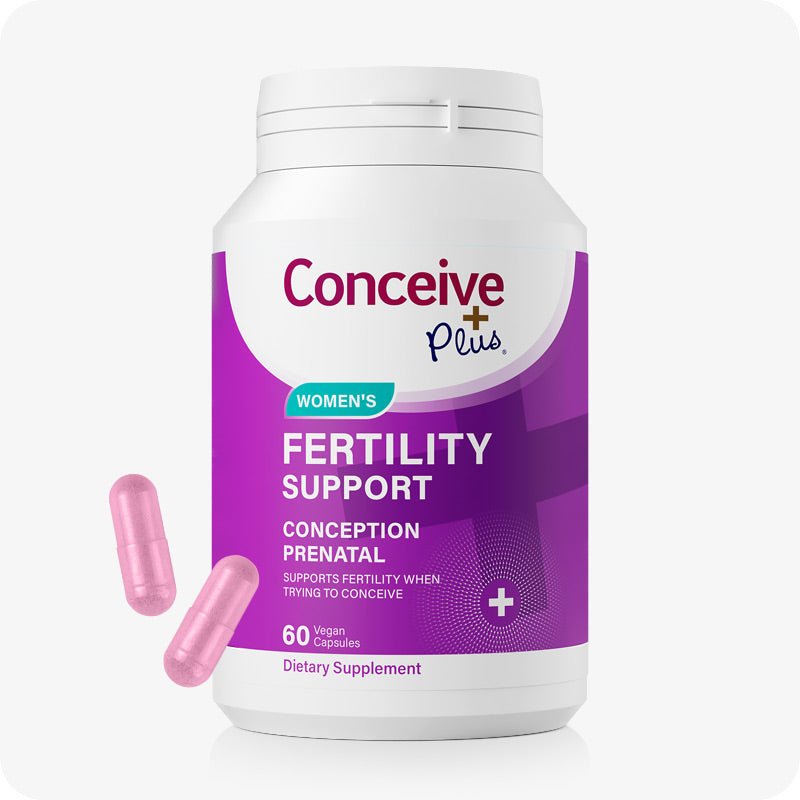
A fertility-focused diet is a powerful foundation — and the right supplements fill the nutritional gaps that food alone may not cover. Conceive Plus Prenatal and Women's Fertility Support are formulated with the key nutrients your body needs when preparing for pregnancy.
Explore Conceive Plus →These foods provide the nutrients most critical for female fertility:
Leafy Green Vegetables
Spinach, kale, and Swiss chard are rich in folate, a B vitamin essential for DNA synthesis and neural tube development in early pregnancy. Folate deficiency is associated with increased risk of miscarriage and birth defects. Aim for 2–3 cups of dark leafy greens daily. The FDA recommends 400–800 mcg of folic acid daily for women of reproductive age.
Full-Fat Dairy
A landmark Harvard Nurses' Health Study found that women who consumed full-fat dairy (versus low-fat) had lower rates of anovulatory infertility. Full-fat yogurt, cheese, and whole milk contain fat-soluble vitamins A, D, E, and K, which support hormone production and egg quality.
Fatty Fish
Salmon, sardines, mackerel, and anchovies provide omega-3 fatty acids (DHA and EPA) that support hormone regulation, reduce inflammation, and may improve uterine blood flow. Aim for 2–3 servings per week, choosing lower-mercury options. The FDA recommends pregnant and reproductive-age women consume 8–12 ounces of low-mercury fish weekly.
Eggs
Eggs are one of the few dietary sources of choline, a nutrient critical for fetal brain development. They also contain vitamin D, B12, and healthy fats. One egg provides about 147 mg of choline — roughly a third of the recommended daily intake for pregnant women (450 mg).
Avocados
Rich in monounsaturated fats, folate, and vitamin E, avocados support hormone synthesis and may improve uterine lining quality. A 2019 study published in Fertility and Sterility found that higher monounsaturated fat intake was associated with better IVF outcomes.
Legumes
Beans, lentils, and chickpeas are excellent sources of plant-based protein, iron, and folate. Research from the Harvard Nurses' Health Study found that substituting plant protein for animal protein was associated with a lower risk of ovulatory infertility.
Berries
Blueberries, strawberries, raspberries, and blackberries are packed with anthocyanins and vitamin C, potent antioxidants that protect eggs from oxidative stress. A 2013 study found that women with higher antioxidant intake had a 23% higher chance of clinical pregnancy per IVF cycle.
Whole Grains
Oats, quinoa, brown rice, and whole wheat bread support steady blood sugar levels, reducing insulin spikes that can disrupt ovulation. Complex carbohydrates also provide fiber, B vitamins, and iron.
Top Fertility-Boosting Foods for Men
Male fertility depends on the same foundational nutrients, with a few additional emphases:
Oysters and Shellfish
Oysters are the richest dietary source of zinc, a mineral essential for testosterone production and sperm formation. A zinc deficiency can reduce sperm count and motility. Six oysters provide approximately 32 mg of zinc — nearly 3 times the daily recommended value.
Walnuts
A randomized controlled trial published in Biology of Reproduction found that men who added 75 grams of walnuts daily to their diet for 12 weeks saw significant improvements in sperm vitality, motility, and morphology. Walnuts provide ALA omega-3s, vitamin E, and zinc.
Tomatoes
Cooked tomatoes are rich in lycopene, an antioxidant that accumulates in the testes and protects sperm from DNA damage. A review of 12 studies found that lycopene supplementation improved sperm motility and morphology.
Brazil Nuts
Just 1–2 Brazil nuts provide the daily recommended intake of selenium, a trace mineral critical for sperm development and DNA integrity. Selenium deficiency is linked to reduced sperm count and increased DNA fragmentation.
Pumpkin Seeds
These seeds provide zinc, selenium, iron, and omega-3 fatty acids — a comprehensive fertility nutrient package in a convenient snack form.
The Mediterranean Diet and Fertility
Multiple studies have identified the Mediterranean diet as particularly beneficial for fertility. This dietary pattern emphasizes:
- Abundant vegetables, fruits, legumes, and whole grains
- Olive oil as the primary fat source
- Fish 2–3 times per week
- Moderate dairy and poultry
- Limited red meat and processed foods
- Moderate red wine (though this should be eliminated when actively trying to conceive)
A 2018 study of 244 women undergoing IVF in Greece found that women who closely followed a Mediterranean diet were 65–68% more likely to achieve a clinical pregnancy and live birth. Similarly, men following this dietary pattern had better sperm parameters across multiple measures.
What to Avoid When Trying to Conceive
Equally important as what you eat is what you limit or avoid:
Trans Fats
The Harvard Nurses' Health Study found that each 2% increase in trans fat calories was associated with a 73% increased risk of ovulatory infertility. Trans fats (found in partially hydrogenated oils, some fried foods, and packaged goods) should be eliminated entirely.
High-Mercury Fish
Swordfish, king mackerel, tilefish, and shark contain high levels of mercury, which can impair fertility and harm fetal neurological development. The FDA recommends women of reproductive age avoid these fish entirely.
Excessive Alcohol
Even moderate alcohol consumption has been associated with reduced fertility in women. A Danish study of over 6,000 women found that consuming 14 or more drinks per week was associated with a 18% longer time to conception. Most reproductive endocrinologists recommend avoiding alcohol entirely when trying to conceive.
Excess Sugar and Refined Carbohydrates
High glycemic foods spike blood sugar and insulin, disrupting hormone balance and potentially suppressing ovulation. A diet high in refined carbohydrates is associated with higher rates of anovulatory infertility.
Excessive Caffeine
While moderate caffeine (under 200 mg/day, roughly one 12-oz coffee) appears safe, higher intake may increase miscarriage risk. The American College of Obstetricians and Gynecologists recommends limiting caffeine to under 200 mg/day during pregnancy and while trying to conceive.
Highly Processed Foods
Ultra-processed foods are often high in trans fats, refined carbohydrates, and additives while being low in the micronutrients needed for reproductive health. A 2018 study found that greater processed food intake was associated with poorer IVF outcomes.
Key Nutrients and Their Sources
| Nutrient | Role in Fertility | Best Food Sources | Recommended Amount |
|---|---|---|---|
| Folate | DNA synthesis, ovulation support | Leafy greens, legumes, fortified foods | 400–800 mcg/day |
| Vitamin D | Hormone regulation, egg quality | Fatty fish, eggs, fortified dairy | 600–2000 IU/day |
| Omega-3 (DHA/EPA) | Hormone balance, inflammation | Salmon, sardines, mackerel | 250–500 mg/day |
| Iron | Ovulation, energy | Red meat, lentils, spinach, pumpkin seeds | 18 mg/day (women) |
| Zinc | Sperm health, ovulation | Oysters, beef, pumpkin seeds | 8–11 mg/day |
| Selenium | Sperm DNA integrity, antioxidant | Brazil nuts, fish, eggs | 55–70 mcg/day |
| Vitamin E | Antioxidant, implantation | Sunflower seeds, almonds, avocado | 15 mg/day |
| CoQ10 | Egg/sperm energy production | Organ meats, fish (small amounts) | 200–600 mg (supplement) |
| Choline | Fetal brain development | Eggs, beef liver, fish | 425–450 mg/day |
Building a Fertility Meal Plan
Putting this into practice doesn't have to be complicated. Here's a sample day of fertility-focused eating:
Breakfast: Spinach and vegetable omelet with 2 eggs, whole grain toast, and a handful of mixed berries. Coffee or tea (limit to 1–2 cups).
Lunch: Lentil soup with a large green salad dressed with extra virgin olive oil and lemon, topped with pumpkin seeds. Whole grain bread on the side.
Afternoon Snack: Full-fat Greek yogurt with blueberries, a small handful of walnuts, and a Brazil nut.
Dinner: Baked salmon with roasted sweet potato and steamed broccoli, drizzled with olive oil.
Evening Snack (optional): A small avocado on whole grain crackers.
This sample day provides meaningful amounts of folate, omega-3s, antioxidants, zinc, selenium, and healthy fats — all within a whole-foods framework that's sustainable and enjoyable.
The Role of Prenatal Vitamins and Supplements
Even with the best diet, nutritional gaps can persist. The FDA recommends that women capable of becoming pregnant take a daily folic acid supplement of 400–800 mcg to prevent neural tube defects. Prenatal vitamins fill additional gaps that diet alone may not address.
Look for a prenatal that includes:
- Methylfolate or folic acid (400–800 mcg)
- Vitamin D3 (600–2000 IU)
- Iron (18–27 mg)
- Iodine (150 mcg)
- Choline (where included)
- B12 (2.6 mcg minimum)
- DHA (200 mg, if included or taken separately)
Start prenatal vitamins at least 3 months before you plan to conceive, as many nutrients take time to build up in the body and have their effect on egg quality.
Frequently Asked Questions
How long does it take for diet changes to affect fertility?
For women, the egg maturation cycle (folliculogenesis) takes approximately 90–120 days. This means dietary improvements made today will influence egg quality about 3–4 months from now. For men, new sperm are produced continuously over a 74-day cycle, so dietary changes can show effects in sperm quality within 2–3 months.
Is organic food better for fertility?
Some research suggests that exposure to pesticides may affect reproductive hormones. The Environmental Working Group (EWG) publishes annual "Dirty Dozen" and "Clean Fifteen" lists to help prioritize which fruits and vegetables are most worth buying organic. Prioritizing organic for the Dirty Dozen (strawberries, spinach, etc.) is a reasonable approach if budget allows.
Does caffeine really affect fertility?
Moderate caffeine consumption (under 200 mg/day, roughly one 12-oz cup of coffee) is generally considered safe. Higher intake may increase miscarriage risk, though evidence is mixed. During active conception attempts, many couples choose to reduce caffeine as a precaution.
Can diet improve egg quality?
Yes, though the mechanisms are primarily protective rather than regenerative. Antioxidants, CoQ10, and anti-inflammatory foods help protect existing eggs from oxidative damage. While you can't create new eggs, you can meaningfully improve the environment in which existing eggs mature.
Is the Mediterranean diet the best diet for fertility?
The Mediterranean diet has the strongest evidence base for fertility benefits, with multiple studies showing improved IVF outcomes and natural conception rates. However, it's not the only dietary pattern that supports fertility — the key principles (whole foods, healthy fats, adequate protein, plenty of vegetables, limited processed foods) can be applied across different cultural food traditions.
Should men also change their diet when trying to conceive?
Absolutely. Male factor infertility accounts for approximately 30–50% of fertility challenges. Diet significantly affects sperm count, motility, morphology, and DNA fragmentation. Both partners should adopt fertility-supportive eating habits for the best outcomes.
Can I still eat red meat?
Moderate amounts of lean red meat (2–3 times per week) can be part of a fertility diet, as beef and lamb are excellent sources of zinc, iron, and B12. The concern is with processed meats (sausage, deli meats, bacon) which have been associated with poorer sperm quality. Grass-fed beef also has a better omega-6 to omega-3 ratio than conventionally raised beef.
How important is hydration for fertility?
Very important and often overlooked. Adequate hydration is necessary for cervical mucus production, which helps sperm reach the egg. It also supports blood flow to reproductive organs. Aim for 8–10 cups of water daily, and minimize beverages that have a dehydrating effect (alcohol, excessive caffeine).
Do I need to take CoQ10 supplements, or can I get enough from food?
Dietary CoQ10 from food sources (organ meats, beef, fish) is relatively modest. The therapeutic doses used in fertility research (200–600 mg/day) are very difficult to achieve through diet alone. CoQ10 supplements are often recommended, particularly for women over 35 or those with reduced ovarian reserve, as CoQ10 plays a critical role in mitochondrial energy production in eggs.
What's the most important dietary change I can make for fertility?
If you had to make one change, eliminating ultra-processed foods and replacing them with whole foods would likely have the broadest positive impact. This single shift improves blood sugar regulation, reduces inflammation, increases nutrient density, and eliminates potentially harmful additives — all at once. From there, adding more leafy greens, healthy fats, and adequate protein builds on that foundation.
Nourish Your Fertility Journey
A fertility-focused diet is a powerful foundation — and the right supplements fill the nutritional gaps that food alone may not cover. Conceive Plus Prenatal and Women's Fertility Support are formulated with the key nutrients your body needs when preparing for pregnancy.
Explore Conceive Plus →