Best Fertility Supplements for Men: Boost Sperm Health Naturally in 2026


Best Fertility Supplements for Men: Boost Sperm Health Naturally in 2026
When a couple is trying to conceive, the conversation around fertility often centres on women — but male fertility accounts for approximately 40–50% of all infertility cases. Fertility supplements for men have emerged as one of the most accessible and evidence-backed ways to improve sperm quality, motility, and overall reproductive health. Whether you have received a diagnosis of low motility, poor morphology, or simply want to give your sperm the best possible environment for success, the right supplement stack can make a meaningful difference.
This comprehensive guide explores the science behind male fertility vitamins, the key nutrients your body needs, and how leading products like Conceive Plus bring everything together in one clinically informed formula.
Why Male Fertility Supplements Matter
Sperm health is surprisingly sensitive to lifestyle, nutrition, and oxidative stress. Research consistently shows that poor diet, nutrient deficiencies, excessive heat exposure, and high stress levels directly impair sperm production and function. Studies published in the Journal of Urology and Fertility and Sterility confirm that targeted nutritional supplementation can:
- Improve sperm concentration (count) by up to 56% in men with deficiencies
- Increase progressive motility by 15–23% over 3 months
- Reduce DNA fragmentation — a hidden cause of repeated miscarriage
- Improve sperm morphology (shape) scores
The key is knowing which nutrients to target and ensuring adequate doses. Generic multivitamins rarely deliver therapeutic amounts of the specific compounds that drive sperm quality.
Fertility Supplements for Men: The Core Nutrients
Ready to support your fertility journey?
Shop Conceive Plus Now →1. Zinc — The Testosterone and Sperm Foundation
Zinc is arguably the single most important mineral for male reproductive health. It supports testosterone synthesis, sperm cell formation, and the integrity of the sperm cell membrane. Men with low zinc levels consistently show reduced sperm counts and poor motility. A landmark meta-analysis of 20 randomised trials found that zinc supplementation significantly increased sperm count and motility in subfertile men.
Target dose: 15–30 mg elemental zinc daily. Conceive Plus mens formula includes bioavailable zinc citrate to maximise absorption.
2. Selenium — The Antioxidant Shield
Selenium is a trace mineral that forms part of the antioxidant enzyme glutathione peroxidase — a critical defender of sperm cells against oxidative damage. Studies in Reproductive Biology and Endocrinology show that selenium supplementation improves sperm motility and reduces reactive oxygen species (ROS), which are primary drivers of sperm DNA damage.
Target dose: 55–100 mcg daily.
3. Coenzyme Q10 (CoQ10) — Energy for Sperm Motility
CoQ10 is a mitochondrial co-factor that generates ATP — the cellular energy currency. Sperm cells rely heavily on mitochondrial function in the midpiece to power their forward progression. A 2013 Cochrane review concluded that CoQ10 supplementation "may improve sperm parameters in men with idiopathic infertility," with significant improvements in motility observed across multiple trials.
Target dose: 200–300 mg daily of ubiquinol (the reduced, more bioavailable form).
4. L-Carnitine — The Sperm Fuel Source
L-carnitine and its acetylated form (L-acetyl carnitine) are found in high concentrations in the epididymis — the tube where sperm mature and develop motility. Research published in Asian Journal of Andrology found that L-carnitine supplementation improved sperm motility in over 80% of treated patients, with the greatest benefits in men with the lowest baseline motility scores.
Target dose: 1,000–3,000 mg L-carnitine or acetyl-L-carnitine daily.
5. Folate (Vitamin B9) — DNA Integrity
Folate is essential for DNA synthesis and repair. In sperm cells, adequate folate levels are associated with lower rates of DNA fragmentation — a parameter that standard semen analysis does not measure but which significantly impacts fertilisation success and embryo quality. The active form, methylfolate (5-MTHF), is preferred because it bypasses the MTHFR gene variation that prevents many men from converting folic acid effectively.
Target dose: 400–800 mcg methylfolate daily.
6. Vitamin C — Antioxidant Power
Vitamin C is one of the most abundant antioxidants in seminal plasma — which exists precisely to protect sperm from oxidative attack. Studies show that men with low vitamin C concentrations in their semen have higher rates of oxidative DNA damage. Supplementation at 1,000 mg daily has been shown to reduce DNA fragmentation and improve motility in smokers and non-smokers alike.
Target dose: 500–1,000 mg daily.
7. Vitamin D — The Testosterone Catalyst
Vitamin D deficiency — extremely common in men living in northern latitudes — is associated with reduced testosterone levels and impaired sperm motility. Receptors for vitamin D have been identified on sperm cells themselves, and research indicates it plays a direct role in calcium signalling essential for the final phase of motility (hyperactivation) needed for fertilisation.
Target dose: 2,000–4,000 IU daily, ideally tested and adjusted to serum levels.
8. Lycopene — Morphology Support
Lycopene, found naturally in tomatoes, is a powerful antioxidant carotenoid with specific benefits for sperm morphology. A 2014 Cochrane review found that lycopene improved sperm morphology scores, potentially by reducing oxidative modification of the acrosome — the cap-like structure sperm need to penetrate an egg.
Target dose: 4–8 mg daily.
Conceive Plus Men's Fertility Supplement: Everything in One Formula
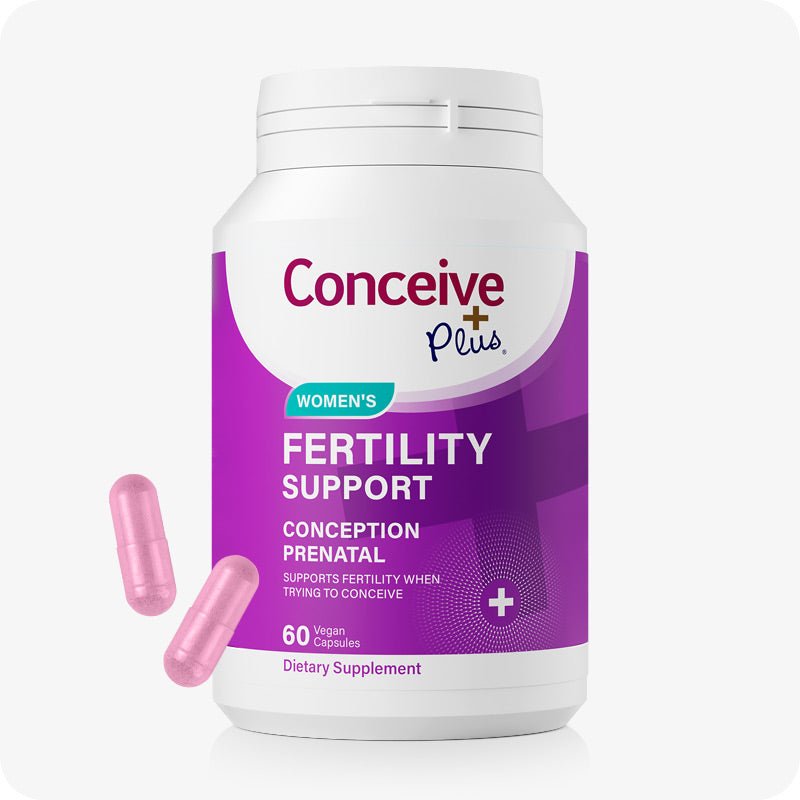
Conceive Plus mens fertility supplement is formulated specifically for men trying to conceive, bringing together clinically relevant doses of zinc, selenium, CoQ10, L-carnitine, folate, vitamin C, vitamin D, and lycopene in a single daily regimen. Rather than sourcing eight separate products and managing complex dosing schedules, Conceive Plus delivers a complete, balanced formula validated against published fertility research.
Unlike generic men's multivitamins that include a token "male blend" with negligible doses, Conceive Plus prioritises the specific nutrients with the strongest clinical evidence base for sperm quality improvement.
Shop Conceive Plus Men's Fertility Supplements →
Conceive Plus vs Pre-Seed: Making the Right Choice for Your TTC Journey
When couples research fertility products, two names appear frequently: Conceive Plus and Pre-Seed. While Pre-Seed is primarily a fertility lubricant, Conceive Plus offers both a complete fertility lubricant and a supplement line — covering both the external environment for conception and the internal nutritional foundation.
The key advantages of Conceive Plus fertility lubricant include:
- Calcium and magnesium ions added to the formula to support capacitation — the biochemical process sperm must undergo before fertilising an egg
- FDA-cleared for use while trying to conceive
- pH and osmolality matched to fertile cervical mucus
- Used and recommended by fertility clinics globally
Pre-Seed lacks the ionic mineral profile of Conceive Plus. For couples who also need lubricant support, the comprehensive Conceive Plus ecosystem — supplements plus lubricant — provides a fully integrated TTC solution.
Male TTC Vitamins: What to Look for on a Label
Not all male TTC vitamins are created equal. When evaluating a supplement, look for:
- Methylfolate, not folic acid — to avoid MTHFR conversion issues
- Zinc citrate or zinc picolinate — higher bioavailability than zinc oxide
- Ubiquinol CoQ10 — the active, reduced form with up to 3x better absorption
- Clinically relevant doses — many products include nutrients at a fraction of the studied doses
- No artificial fillers, dyes, or unnecessary additives
- Third-party testing or GMP certification
Lifestyle Factors That Amplify Supplement Benefits
Even the best sperm health supplements work best alongside a healthy lifestyle. Research confirms that the following habits significantly amplify the gains from supplementation:
Heat Avoidance
The testes sit outside the body for a reason: sperm production requires temperatures 2–4°C lower than core body temperature. Prolonged use of laptops on the lap, hot baths, tight underwear, and car seat heaters all impair spermatogenesis. The spermatogenic cycle takes ~74 days, so changes take time to show up in semen analysis — but the damage from heat is equally slow to reverse.
Alcohol and Smoking
Heavy alcohol consumption reduces testosterone and raises estrogen, directly suppressing sperm production. Smoking introduces over 4,000 toxic compounds into seminal plasma, dramatically increasing oxidative stress. Even moderate smoking has been associated with a 13–17% reduction in sperm count. If supplements are the offence, quitting smoking is the best defence.
Exercise
Moderate aerobic exercise improves antioxidant capacity and testosterone levels. However, excessive endurance training (marathon training, long-distance cycling) can paradoxically suppress testosterone and increase scrotal heat. Aim for 150 minutes of moderate activity per week.
Diet
The "fertility diet" — rich in omega-3 fatty acids, antioxidants, lean protein, and minimal processed foods — supports the same nutritional pathways that supplements target. Mediterranean dietary patterns have been specifically associated with better sperm parameters in multiple cohort studies.
How Long Does It Take to See Results?
This is one of the most common questions about motility supplements and sperm health in general. The answer requires understanding the biology of sperm production:
- A complete sperm cell takes approximately 74 days to develop from a stem cell to a mature spermatozoon
- It then spends a further 12–14 days in the epididymis maturing before ejaculation
- Total cycle: approximately 90 days
This means that most studies evaluating sperm supplement effects run for 90 days, and semen analysis improvements are typically measurable at the 3-month mark. This is not a quick fix — it is a commitment to supporting your biology through a full developmental cycle.
Many couples begin supplementation 3 months before their target conception window, giving both partners time to optimise their reproductive health simultaneously.
Sperm Health Supplements and IVF/IUI
Even couples pursuing assisted reproduction benefit from optimising sperm quality pre-treatment. For IVF, sperm quality directly impacts:
- Fertilisation rate (the percentage of eggs that are successfully fertilised)
- Embryo quality and development to blastocyst stage
- Implantation success rates
- Miscarriage rates (linked to sperm DNA fragmentation)
Many reproductive endocrinologists now recommend that men begin a targeted supplement protocol at least 90 days before IVF retrieval. Conceive Plus mens formula aligns directly with these pre-IVF preparation protocols.
Frequently Asked Questions About Male Fertility Supplements
Q: Can fertility supplements for men reverse a low sperm count diagnosis?
A: While supplements cannot guarantee reversal of severe oligospermia (very low count), research consistently shows improvements in sperm parameters in subfertile men. Men with counts in the low-normal range see the greatest benefit. Severe cases may require medical evaluation and assisted reproduction.
Q: Are there any side effects from male TTC vitamins?
A: At recommended doses, the nutrients in evidence-based supplements like Conceive Plus are generally well-tolerated. High-dose zinc (>40 mg/day) can interfere with copper absorption. High-dose vitamin E (>400 IU) may have mixed effects in smokers. Following product guidelines and consulting your doctor if you have pre-existing conditions is advisable.
Q: Can I take these supplements alongside other medications?
A: Some supplements interact with medications — CoQ10 may enhance anticoagulant effects, and high-dose zinc can interfere with certain antibiotics. Always disclose supplement use to your prescribing physician.
Q: Does my partner also need to take supplements?
A: Yes — female fertility is equally important. Conceive Plus offers a comprehensive women's fertility supplement line that addresses egg quality, ovulation, and hormonal balance alongside the male formula.
Q: How do I know if the supplements are working?
A: The only objective measure is a repeat semen analysis at 90 days. Many men also report subjective improvements in energy and libido, which can reflect improved hormonal balance.
Q: Is CoQ10 worth the extra cost?
A: CoQ10 is one of the best-studied nutrients for male fertility, with multiple RCTs demonstrating motility improvements. For men with poor motility (asthenospermia), it is particularly valuable. Ubiquinol is more expensive but significantly better absorbed than ubiquinone.
Q: What is sperm DNA fragmentation and can supplements fix it?
A: DNA fragmentation refers to breaks or damage in the genetic material within sperm cells. High fragmentation (>25% by DFI) is associated with fertilisation failure and miscarriage. Antioxidant supplementation — particularly vitamin C, vitamin E, CoQ10, and selenium — has been shown to reduce fragmentation scores in clinical trials.
Q: When should I start taking male fertility supplements?
A: Ideally, 90 days (3 months) before you actively start trying to conceive, or at minimum when your partner starts her fertility preparation. This aligns supplementation with the full sperm development cycle.
Q: Can I just eat a good diet instead?
A: Diet is foundational, but reaching therapeutic doses of key nutrients through food alone is difficult. For example, achieving 200 mg CoQ10 daily from food alone would require unrealistic quantities of organ meats. Supplements complement — not replace — a healthy diet.
Q: Are Conceive Plus supplements available globally?
A: Yes — Conceive Plus ships internationally and has dedicated stores for the US, UK, Europe, Australia, and beyond, ensuring you receive formulas appropriate for your region.
Conclusion: Investing in Your Sperm Health
Fertility supplements for men represent one of the highest-impact, lowest-risk investments a man can make on the TTC journey. The evidence is clear: targeted nutritional support — particularly zinc, selenium, CoQ10, L-carnitine, folate, and antioxidants — can meaningfully improve sperm count, motility, morphology, and DNA integrity over a 90-day cycle.
Conceive Plus men's fertility supplement brings together the full evidence-based nutrient stack in one complete, clinically informed formula. Combined with the Conceive Plus fertility lubricant for the optimal conception environment, it offers couples a comprehensive, integrated approach to natural conception and assisted reproduction preparation.
Your sperm quality today reflects what you eat, do, and supplement three months from now. Start building that foundation today.