What Triggers Ovulation: A Deep Dive into What Sets Ovulation in Motion


Ovulation is a marvel of human biology that lies at the heart of reproduction. Yet, for a process so essential, its inner workings often remain shrouded in mystery. People who are trying to conceive, those seeking to prevent pregnancy, or simply anyone with an interest in reproductive health may find themselves asking how, exactly, the body orchestrates the monthly release of an egg from the ovary. This comprehensive exploration will unravel the hormonal signals, anatomical shifts, and environmental factors that together spark this crucial event, shedding light on what triggers ovulation.
Understanding the Rhythms of the Menstrual Cycle
Before zeroing in on the precise mechanics of ovulation, it helps to establish a baseline of how the menstrual cycle operates. A typical cycle spans roughly 21 to 35 days, though many people experience variations outside that range. The cycle begins on the first day of menstrual bleeding and continues until the next flow starts. During this series of days, a synchronized interplay of glands and hormones in the body prepares an egg for release and readies the uterine lining for potential implantation.

In the early days of the cycle, the uterine lining from the previous month sheds, resulting in menstruation. At the same time, a group of ovarian follicles—fluid-filled sacs containing immature eggs—begin developing under the influence of specific signals. Depending on one’s internal hormonal balance, a single follicle generally emerges as dominant. As this follicle matures, it produces the hormone estrogen, which triggers a cascade of responses throughout the body. While many details of the cycle are widely discussed, the key question—what hormone causes ovulation—is central to the culminating event of follicle rupture and egg release [1].
The Hormonal Ballet: How the Brain and Ovaries Communicate
At the core of this biological sequence is the hypothalamic-pituitary-gonadal axis, commonly referred to as the HPG axis. Although the acronym might sound intimidating, the concept is straightforward. The hypothalamus, located in the brain, releases gonadotropin-releasing hormone (GnRH) in small, timed pulses. GnRH, in turn, signals the pituitary gland to secrete follicle-stimulating hormone (FSH) and luteinizing hormone (LH). These are often labeled the main ovulation hormones, as they drive the growth and maturation of ovarian follicles.
In the initial phase of the menstrual cycle, FSH encourages follicles to develop. The dominant follicle—the one that outcompetes others—becomes increasingly active in producing estrogen. Rising estrogen levels send feedback messages to the hypothalamus and pituitary, fine-tuning the release of GnRH. Eventually, once estrogen has hit a certain threshold, the brain dramatically increases LH output. This spike in luteinizing hormone is what directly spurs the final ripening of the egg, preparing the follicle for the pivotal moment. For those wondering about the interplay of hormones when ovulating, it is the sudden surge in LH that rapidly advances the physiological processes leading to ovulation [2].
The Follicular Phase: Priming the Body for Egg Release
After menstruation, the body embarks on what is known as the follicular phase. The name comes from the role the follicles play as they develop inside the ovaries. As they enlarge, they secrete more and more estrogen. This hormone has several noteworthy effects, including thickening the uterine lining (making it more hospitable for a fertilized egg) and affecting the secretion of cervical mucus, which becomes more conducive to sperm survival.
During this stage, the pituitary mostly secretes FSH to keep follicular development on track. Subtle changes become noticeable in the body: some people experience an increase in basal body temperature prior to ovulation, while others might notice shifts in energy levels or mood. The precise timing of these transformations varies, but they serve as real-world markers of the progress the follicles are making.
By the end of the follicular phase, one follicle emerges as dominant. It’s within this largest follicle that the real ovulation egg continues to mature. When everything aligns correctly, the high estrogen output from this follicle sets the stage for the next key event: the surge in LH.
How the LH Surge Sets Everything in Motion
Once estrogen levels have been elevated for long enough, the feedback loop with the pituitary gland morphs from a negative feedback to a positive one, resulting in a rapid release of LH. This phenomenon, often termed the LH surge, usually transpires about 24 to 36 hours before ovulation. The surge is central to answering what triggers ovulation because it initiates a series of biochemical processes inside the follicle.
Within this follicle, enzymes are activated, weakening the follicular wall. The egg readies itself to separate from the structures holding it inside. Meanwhile, fluid pressure builds, and eventually, the follicle ruptures, allowing the egg to exit. The entire process can happen quickly and is orchestrated by precise hormonal timing. These short-lived yet potent signals explain how a single day in the cycle can be so crucial for fertility [3].
Spotting the Final Moments Before the Egg Exits
Most individuals who track fertility signs pay attention to subtle indicators of impending ovulation. For example, cervical mucus may appear more stretchy and clear—an adaptation that helps sperm travel through the cervix more efficiently. Some people note a slight dip, then a spike, in basal body temperature, although this method can vary in reliability. While these external signals give clues, the egg’s release itself is silent and internal.

✨ Trying to Conceive?
Our Ovulation & Fertility Bundle combines Myo-Inositol with essential vitamins to support healthy hormone balance and regular ovulation.
Shop Now — $55.00✓ Free shipping on orders over $40 | ✓ Trusted by millions of couples worldwide
When considering which of the following cells is released during ovulation, the technical term is the secondary oocyte—a cell that has undergone a special type of division called meiosis. In everyday language, we call it the egg. It’s worth noting that the egg is not fully mature at the moment of release; it completes the final steps of meiosis only upon fertilization.

The Luteal Phase: What Happens After the Egg Departs
After the egg is discharged, the remains of the follicle transform into the corpus luteum, a temporary gland that produces progesterone. This hormone is essential for preparing the uterine lining to receive a potential embryo. If fertilization and implantation occur, the implanted embryo produces human chorionic gonadotropin (hCG), which signals the corpus luteum to keep producing progesterone. Alternatively, if no fertilization happens, the corpus luteum disintegrates, hormone levels drop, and the uterine lining sheds in the form of menstrual bleeding.
This cyclical process repeats throughout a person’s reproductive years, governed by the continuous interplay of hormonal signals [4]. Understanding which hormones escalate or recede at each step clarifies the puzzle of what hormone causes ovulation—it is predominantly the luteinizing hormone surge that sets the release of the egg in motion.
The Journey of the Real Ovulation Egg
Unlike sperm, which can survive for several days inside the female reproductive tract, the egg has a relatively narrow window of viability—often quoted as 12 to 24 hours. Once released, it travels through the fallopian tube, pushed along by tiny hairlike structures called cilia. If sperm are present at the right time, the egg may be fertilized. This brief chance is the reason fertility experts stress knowing one’s fertile window. Tools like ovulation predictor kits, which measure LH in urine, can be valuable aids for identifying when that final push is imminent.
Understanding that the egg is viable for only a short span underscores why the LH surge is so pivotal. These precise hours can mean the difference between successful conception and an unfertilized egg that dissolves harmlessly. Appreciating these time constraints can guide people who are trying to conceive, reminding them that it’s not merely about whether the egg emerges but exactly when [5].
Minor Changes with Major Effects
Because the menstrual cycle might appear the same from month to month, it’s easy to assume a highly predictable pattern. However, subtle variances—like an earlier LH surge one month or a delayed one the next—can shift ovulation by a few days. Even modest fluctuations in daily habits, stress levels, or diet can influence timing.
Some individuals tune in to physical cues such as a mild twinge or cramp on one side of the lower abdomen (known as mittelschmerz) that may occur around egg release. However, not everyone experiences noticeable signs. The absence of distinct symptoms does not mean the process isn’t unfolding seamlessly behind the scenes. Every body is unique, and not all people experience the same signals when ovulating.
The Practical Side of Tracking Ovulation
For those who need real-world guidance on timing intercourse or fertility treatments, monitoring ovulation is key. To better understand fertility tracking, it’s important to know what’s an ovulation day, as this marks the most fertile period when conception is most likely to occur. Simple methods include observing cervical mucus changes—particularly the slippery, egg-white consistency that appears when fertility peaks. Slight rises in basal body temperature (often about 0.5°F or 0.3°C) the day after ovulation can help confirm that it has likely occurred, though this only tells you after the fact. More technologically advanced approaches include using ovulation predictor kits or digital fertility monitors that measure hormones in urine or saliva.
Some also seek blood tests to measure hormone levels in clinical settings, especially if there is difficulty conceiving. In these scenarios, ultrasounds may be employed to visually confirm the growing follicle and the subsequent release of the real ovulation egg. This data can be invaluable in diagnosing issues like anovulatory cycles (where ovulation doesn’t occur) and ensuring targeted treatments hit the right window.
Lifestyle Choices that Foster Healthy Ovulation
Beyond advanced interventions, everyday habits can support a more stable cycle. Regular moderate exercise is frequently advised, as extreme athletic training can halt menstruation entirely in some cases. Nutrient-dense diets featuring balanced proportions of proteins, healthy fats, and complex carbohydrates encourage robust hormone production. Stress management techniques—be it yoga, mindfulness, or leisurely walks—may also help stabilize hormone signals.
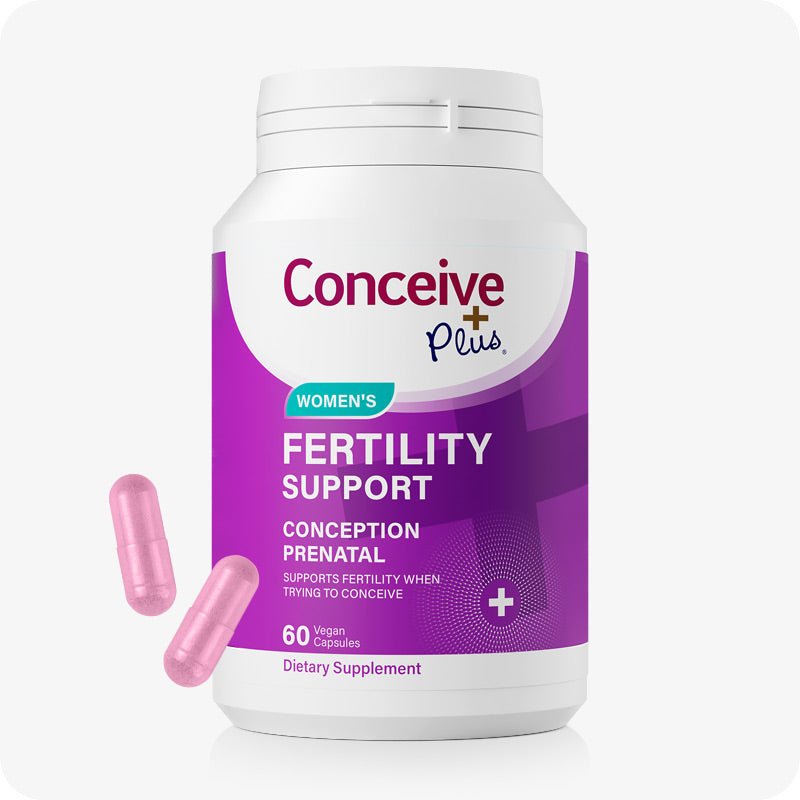
For women looking to support healthy ovulation and regulate their menstrual cycles, Conceive Plus Women’s Ovulation Support provides key nutrients like Myo-Inositol and D-chiro Inositol to promote balanced hormone levels and optimal ovarian function. Moreover, certain micronutrients and vitamins, notably vitamin D, iron, and folate, have been linked to reproductive well-being. Ensuring you have adequate amounts of these substances can optimize your body’s capacity to manage the delicate signals that govern follicle maturity and egg release. While nothing offers a foolproof guarantee against occasional cycle irregularities, these everyday steps create a supportive environment for the mind and body.

The Bottom Line
In light of everything shared, it is clear that the question of what triggers ovulation can be answered by pinpointing the luteinizing hormone surge as the principal catalyst. While FSH, estrogen, and progesterone set the stage, it is that distinctive spike in LH that becomes the immediate cue for the egg to break free. A basic comprehension of these details empowers individuals to track fertility windows or discuss potential issues more knowledgeably with healthcare professionals. Ultimately, behind the scenes of every cycle is a remarkable interplay of signals that quietly shapes the most fundamental aspect of human reproduction.
References
- Thiyagarajan DK, Basit H, Jeanmonod R. Physiology, Menstrual Cycle. [Updated 2024 Sep 27]. In: StatPearls [Internet]. Treasure Island (FL): StatPearls Publishing; 2025 Jan-. Available from: https://www.ncbi.nlm.nih.gov/books/NBK500020/
- Schmalenberger KM, Tauseef HA, Barone JC, Owens SA, Lieberman L, Jarczok MN, Girdler SS, Kiesner J, Ditzen B, Eisenlohr-Moul TA. How to study the menstrual cycle: Practical tools and recommendations. Psychoneuroendocrinology. 2021 Jan;123:104895. doi: 10.1016/j.psyneuen.2020.104895. Epub 2020 Oct 13. PMID: 33113391; PMCID: PMC8363181.
- Delgado BJ, Lopez-Ojeda W. Estrogen. [Updated 2023 Jun 26]. In: StatPearls [Internet]. Treasure Island (FL): StatPearls Publishing; 2025 Jan-. Available from: https://www.ncbi.nlm.nih.gov/books/NBK538260/
- Yu Z, Jiao Y, Zhao Y, Gu W. Level of Estrogen in Females-The Different Impacts at Different Life Stages. J Pers Med. 2022 Dec 2;12(12):1995. doi: 10.3390/jpm12121995. PMID: 36556216; PMCID: PMC9781566.
- Holesh JE, Bass AN, Lord M. Physiology, Ovulation. [Updated 2023 May 1]. In: StatPearls [Internet]. Treasure Island (FL): StatPearls Publishing; 2025 Jan-. Available from: https://www.ncbi.nlm.nih.gov/books/NBK441996/
🌱 Support Your Fertility Journey
Conceive Plus fertility supplements are clinically formulated to help regulate your cycle and support egg quality.
Shop Fertility Support →Frequently Asked Questions
Recommended by Fertility Experts
Conceive Plus Men's Fertility Support
Designed to support healthy sperm production, motility, and overall male reproductive health with clinically studied nutrients.
Shop Now →Q: What hormone triggers ovulation?
A: The luteinizing hormone (LH) is the primary trigger for ovulation, with a sudden surge in LH levels causing the mature egg to be released from the ovary. This LH surge typically occurs about 24-36 hours before ovulation and can be detected through ovulation predictor kits available over-the-counter in the US. According to the American Society for Reproductive Medicine (ASRM), understanding LH surge timing is crucial for those trying to conceive, as it identifies the most fertile window in a menstrual cycle. The surge itself results from rising estrogen levels during the follicular phase, creating a feedback loop that signals the pituitary gland to release LH. Tracking this surge through urine tests or blood work can help couples optimize their timing for conception.
Q: How many days before ovulation does the LH surge happen?
A: The LH surge typically occurs 24-36 hours before ovulation, making it a reliable predictor of when an egg will be released. This relatively short window is why many fertility experts recommend that couples trying to conceive begin having intercourse when they detect the LH surge, as sperm can survive for up to five days in the reproductive tract. Most ovulation predictor kits sold in US pharmacies are designed to detect this surge in urine, allowing individuals to identify their fertile window at home. Research shows that timing intercourse during the two days following a positive LH test significantly increases pregnancy chances. For those using supplemental support like Conceive Plus, combining it with LH surge detection offers a comprehensive approach to optimizing conception odds.
Q: Can stress delay or stop ovulation?
A: Yes, chronic stress can delay or suppress ovulation by affecting the hypothalamic-pituitary-gonadal (HPG) axis, which regulates reproductive hormones. When the body experiences prolonged stress, elevated cortisol levels can inhibit the release of gonadotropin-releasing hormone (GnRH), which subsequently reduces LH and FSH production necessary for ovulation. Studies indicate that stress-related anovulation (absent ovulation) accounts for a portion of fertility challenges among US women trying to conceive. The good news is that ovulation typically resumes once stress levels decrease and normal hormonal patterns return. Managing stress through exercise, meditation, adequate sleep, and maintaining overall reproductive health through proper nutrition and supplements can support regular ovulatory cycles.
Q: What happens if you don't ovulate?
A: If ovulation doesn't occur, pregnancy cannot happen naturally, as there is no egg available for fertilization—a condition known as anovulation. According to fertility statistics, approximately 12% of women of reproductive age experience anovulation as part of conditions like polycystic ovary syndrome (PCOS), thyroid disorders, or hormonal imbalances. Without ovulation, women may still experience menstrual bleeding (called anovulatory cycles), which can make the condition go unnoticed without proper evaluation. The American College of Obstetricians and Gynecologists (ACOG) recommends consulting a healthcare provider if you suspect irregular ovulation, as many causes are treatable through medication, lifestyle changes, or medical intervention. Maintaining overall reproductive health through balanced nutrition, appropriate supplementation, and stress management may support healthy ovulatory function.
Q: What's the difference between ovulation and your fertile window?
A: Ovulation is a single event—the release of an egg from the ovary—while the fertile window encompasses the five days before ovulation plus the day of ovulation itself, totaling six days of potential fertility. Since sperm can survive for up to five days in the reproductive tract and the egg survives for approximately 12-24 hours after release, this six-day window represents when pregnancy can occur. The American Society for Reproductive Medicine emphasizes that the two days leading up to and including ovulation day are the most fertile, with conception most likely occurring from intercourse during this peak window. Understanding this distinction helps couples trying to conceive focus their efforts on the right timing rather than assuming pregnancy can only occur on ovulation day itself. Using tools like LH surge detection combined with fertility-supporting products like Conceive Plus can help couples maximize their chances during this critical fertile window.
Trusted by Couples in Over 70 Countries
Support Male Fertility From the Inside Out
Male fertility is just as important as female fertility in the conception journey. Conceive Plus Men's range delivers targeted nutritional support to promote healthy sperm and overall reproductive wellbeing.
Shop Men's Range →