Testicular Extraction of Sperm For Azoospermia
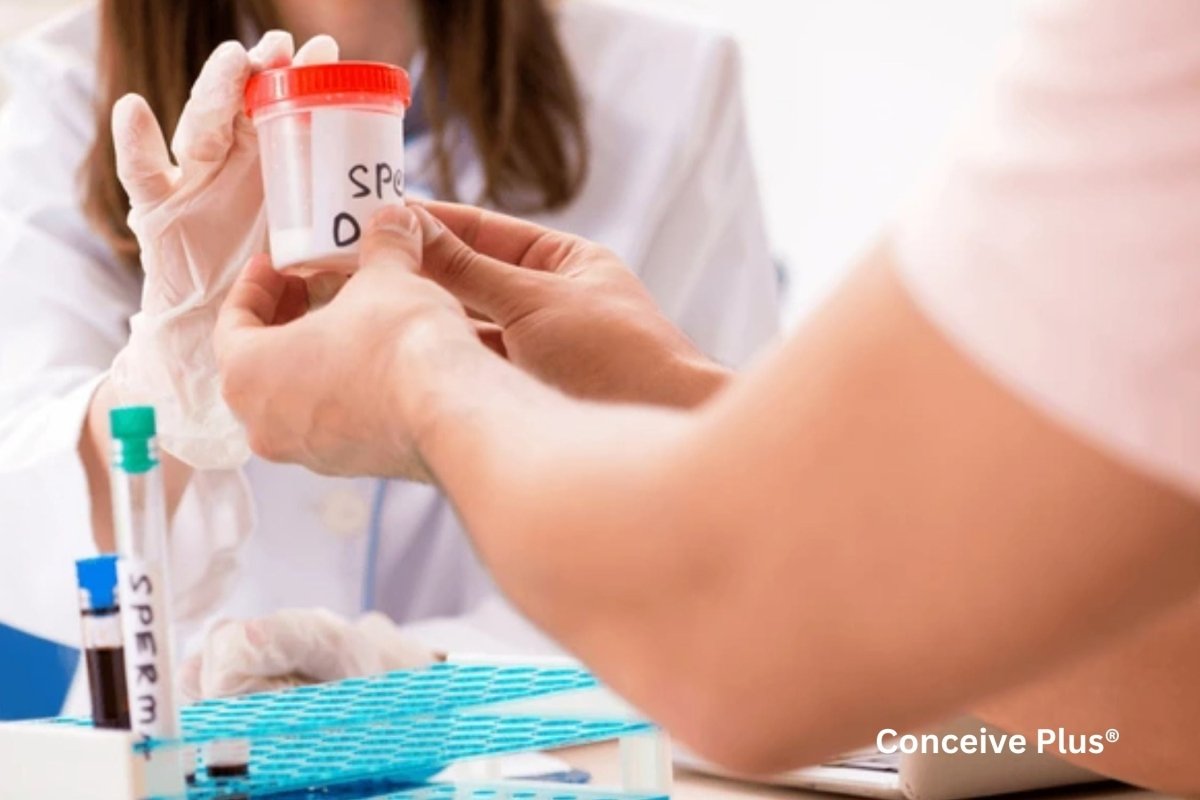

Testicular sperm extraction, or TESE, is a surgical procedure to retrieve sperm directly from the testicles. Sperm extracted directly from testes are then used for In Vitro fertilization (IVF) [1].
This method is particularly helpful for couples trying to conceive but facing male infertility challenges. This procedure is effective for men with azoospermia, a condition where little to no sperm are present in ejaculate [2].
In this article, we will discuss different methods for testicular extraction of sperms. We will also see how effective TESE is for infertile males.

What is Testicular Sperm Extraction (TESE)?
As the name suggests, testicular sperm extraction is a procedure to extract sperm from the testes. It is helpful for men who are unable to ejaculate sperm due to various reasons.
Men with a blockage or absence of vas deferens often require TESE. Vas deference is the tube that carries sperm from the testicles. It is also effective for men with very low sperm counts.
A specialist performs TESE under general or local anesthesia. The choice depends on the specific technique used and the patient's comfort level.
Different TESE Techniques
There are several techniques for sperm retrieval or seman extraction. Which method will work best for you depends on your condition and the expertise of the doctor.
The three main TESE techniques are:
- Conventional TESE
- Microdissection TESE (Micro-TESE)
- Percutaneous Epididymal Sperm Aspiration (PESA)
Let’s discuss the different aspects of TESE techniques in detail:
-
Conventional TESE
Conventional TESE is the most common technique [3]. In conventional TESE, the doctor makes a small incision in the testicles and extracts a small piece of tissue.
The tissue is then examined under a microscope to check the availability of live sperm. Once the live sperms are found, they can be used for In Vitro Fertilization.
Although conventional TESE is easy to perform, it is hard to find a greater number of sperms using this method.
-
Microdissection TESE (Micro-TESE)
Micro-TESE is a more advanced technique in which a high-powered microscope is used to reach the area in the testes where sperm can be present [4]. After finding the sperm-containing tissues, mainly seminiferous tubules, these tissues are extracted through micro-incisions.
Micro TESE procedure is less invasive and can retrieve more sperm cells than conventional TESE. A study by Andrology journal shows that microdissection TESE retrieves about 20% more sperm compared to conventional TESE [5].

Percutaneous Epididymal Sperm Aspiration (PESA)
Percutaneous Epididymal Sperm Aspiration, or PESA, is even less invasive than micro-TESE [6]. PESA involves inserting a needle into the epididymis for testicular sperm aspiration. Epididymis is the tube behind the testes that receive sperm from the testes.

✨ Support Healthy Sperm
Our Motility Support supplement contains Zinc, CoQ10, and L-Carnitine — clinically studied nutrients for sperm health and motility.
Shop Now — $34.95✓ Free shipping on orders over $40 | ✓ Trusted by millions of couples worldwide
The PESA procedure is convenient for patients but may not suit everyone. This method is commonly effective when sperm production is normal in the testes, but there is some blockage in the vas deferens, preventing the sperm from ejaculation.
-
How Does IVF Work For A Man?
For IVF, you need a live sperm to fertilize the egg in a lab. However, males with azoospermia may not have sperm in the ejaculate. This is where TESE sperm extraction plays a vital role in IVF. This method helps retrieve live sperm from inside the testes to be used for IVF.
For those undergoing fertility treatments, understanding the process of sperm collection for IVF is essential, as it plays a crucial role in ensuring viable sperm are available for fertilization. The extracted sperm through TESE is then combined with a partner's or donor's eggs in a lab. The sperm fertilizes the egg and forms an embryo, which is later implanted into the woman's uterus.
In this way, TESE enables men with specific fertility issues to have biological children.
For men looking to improve sperm health, Conceive Plus Motility Support provides essential nutrients like L-Carnitine and Coenzyme Q10 to enhance sperm motility, a crucial factor in achieving successful fertilization.
Preparing for TESE
Before TESE or surgical sperm retrieval procedure, the doctor will thoroughly evaluate your fertility status and overall reproductive health. This also includes laboratory tests to check hormone levels and imaging tests to examine testes.
For the day of the procedure, the doctor may recommend you eat or avoid a certain diet. You may also need to stop taking certain medications before the procedure, as some drugs can interact with anesthesia [7].
Is Testicular Sperm Extraction Risky?
Like any other surgical procedure, testicular sperm extraction has some risks, such as bleeding and infection. In some cases, it can also cause significant damage to the testicular tissues.
However, the side effects are minimal and can be avoided by following the safety guidelines. Most men recover within a few weeks after the TESE procedure [8].

FAQs
-
How to take out sperm from your body male?
There are different methods to extract sperm from the male body. However, Testicular sperm extraction is the most common method with effective results.
-
Is there any benefit of testicular sperm extraction for fertility?
Testicular sperm extraction provides live sperm that can be used for IVF. In IVF, the extracted sperm fertilizes the egg and makes an embryo.
-
Is TESE a painful procedure?
TESE is usually performed under local or general anesthesia, so you don’t feel pain during the procedure. Some discomfort or swelling can occur after the procedure but typically subsides within a few days.
The Bottom Line
Testicular extraction of sperm is a complex procedure for treating male infertility but has higher success rates. This sperm harvesting or cum extraction procedure involves extracting sperm cells from the testes through incisions or micro-dissections.
The sperm cells are then used for In Vitro Fertilization (IVF). TESE combined with IVF can help an infertile male father to a biological child.
Resources Used
- MedlinePlus. In Vitro Fertilization. U.S. National Library of Medicine. Retrieved from https://medlineplus.gov/ency/article/007279.htm
- Sharma, M., & Leslie, S. W. (2023, November 18). Azoospermia. StatPearls - NCBI Bookshelf. https://www.ncbi.nlm.nih.gov/books/NBK578191/
- Saccà, A., Pastore, A. L., Roscigno, M., Naspro, R., Pellucchi, F., Fuschi, A., Maruccia, S., Territo, A., Pisano, F., Zanga, L., Capitanio, E., Carbone, A., Fusi, F., Chinaglia, D., & Da Pozzo, L. F. (2016). Conventional testicular sperm extraction (TESE) and non-obstructive azoospermia: Is there still a chance in the era of microdissection TESE? Results from a single non-academic community hospital. Andrology, 4(3), 425-429. https://doi.org/10.1111/andr.12159
- Achermann, A. P. P., Pereira, T. A., & Esteves, S. C. (2021). Microdissection testicular sperm extraction (micro-TESE) in men with infertility due to nonobstructive azoospermia: summary of current literature. International urology and nephrology, 53(11), 2193–2210. https://doi.org/10.1007/s11255-021-02979-4
- Deruyver, Y., & Vanderschueren, D. (2013). Outcome of microdissection TESE compared with conventional TESE in non-obstructive azoospermia: A systematic review. Andrology, 2(1), 20-24. https://doi.org/10.1111/j.2047-2927.2013.00148.x
- Esteves, S. C. (2015). Percutaneous epididymal sperm aspiration as a method for sperm retrieval in men with obstructive azoospermia seeking fertility: Operative and laboratory aspects. International Brazilian Journal of Urology : Official Journal of the Brazilian Society of Urology, 41(4), 817-818. https://doi.org/10.1590/S1677-5538.IBJU.2015.0064
- Egan, T. D., & Minto, C. F. (2013). Pharmacodynamic drug interactions in anesthesia. In Cambridge University Press eBooks (pp. 147–165). https://doi.org/10.1017/cbo9780511781933.012
- Professional, C. C. M. (2024, May 1). Microsurgical Testicular Sperm Extraction (microTESE). Cleveland Clinic. https://my.clevelandclinic.org/health/procedures/microtese
Buy sperm count supplements for the best products to increase sperm count for men. Shop natural sperm count enhancers and quality vitamins to improve sperm count. Conceive Plus Men's Fertility products are the best products to increase sperm count and sperm volume - trusted by Doctors and fertility experts since 2008!
🌱 Boost Male Fertility Naturally
Conceive Plus Men's Motility Support is formulated with the nutrients that matter most for sperm quality, count, and motility.
Shop Men's Fertility →Frequently Asked Questions
Recommended by Fertility Experts
Conceive Plus Men's Fertility Support
Designed to support healthy sperm production, motility, and overall male reproductive health with clinically studied nutrients.
Shop Now →Q: Is testicular sperm extraction painful?
A: Testicular sperm extraction (TESE) is typically performed under local or general anesthesia, so patients do not experience pain during the procedure itself. Most men report mild to moderate discomfort and bruising for several days following the surgery, which can be managed with over-the-counter pain relievers and ice packs. The American Society for Reproductive Medicine (ASRM) notes that recovery time is usually brief, with most patients returning to normal activities within 1-2 weeks. Your fertility specialist will provide specific post-procedure care instructions to minimize discomfort and promote healing.
Q: How much does testicular sperm extraction cost in the US?
A: Testicular sperm extraction typically costs between $3,000 and $10,000 in the United States, depending on the specific technique used and your geographic location. This procedure is often performed in conjunction with IVF, which adds an additional $12,000-$15,000 to overall treatment costs, according to data from the Society for Assisted Reproductive Technology (SART). Insurance coverage varies significantly by state and plan—some policies cover male factor infertility treatments while others do not, so it's important to verify your specific coverage with your insurance provider. Many fertility clinics offer payment plans to help make these procedures more accessible to couples.
Q: What is the success rate of testicular sperm extraction for azoospermia?
A: Testicular sperm extraction has a sperm retrieval success rate of approximately 40-60% for men with obstructive azoospermia (blocked ducts), and 30-50% for those with non-obstructive azoospermia (low sperm production), according to ASRM guidelines. When sperm is successfully retrieved and used with IVF, fertilization rates range from 50-75%, with pregnancy rates comparable to IVF using ejaculated sperm. Success depends on factors including the underlying cause of azoospermia, the extraction technique used, and sperm quality. Working with an experienced male fertility specialist at a reputable fertility center in your area significantly improves outcomes.
Q: What are the different types of testicular sperm extraction procedures?
A: There are several testicular sperm extraction techniques, with the most common being TESA (testicular sperm aspiration), TESE (testicular sperm extraction), micro-TESE (microsurgical TESE), and PESA (percutaneous epididymal sperm aspiration). TESA uses a fine needle to extract sperm and is minimally invasive, while TESE involves a small surgical biopsy of testicular tissue. Micro-TESE uses an operating microscope to identify areas of sperm production, offering the highest success rates for non-obstructive azoospermia. Your fertility specialist will recommend the most appropriate technique based on your diagnosis, testicular volume, and previous treatment history.
Q: Can I improve sperm quality before testicular sperm extraction?
A: Yes, improving overall reproductive health before TESE can positively impact sperm quality and extraction outcomes. Men are encouraged to adopt healthy lifestyle changes including regular exercise, maintaining a healthy weight, avoiding smoking and excessive alcohol, and managing stress—all of which are linked to better sperm parameters according to fertility research. Some men benefit from supplements designed to support male reproductive health; Conceive Plus for Men contains key nutrients that support sperm volume and motility when taken consistently before procedures. Additionally, addressing underlying health conditions like varicocele or hormonal imbalances with your urologist before TESE can improve your chances of successful sperm retrieval and fertilization.
Trusted by Couples in Over 70 Countries
Support Male Fertility From the Inside Out
Male fertility is just as important as female fertility in the conception journey. Conceive Plus Men's range delivers targeted nutritional support to promote healthy sperm and overall reproductive wellbeing.
Shop Men's Range →