Sperm Health: The Complete Guide to Boosting Male Fertility in 2026


Sperm Health: The Complete Guide to Boosting Male Fertility in 2026
When couples struggle to conceive, the conversation often defaults to female fertility — but the reality is that male factor issues contribute to approximately 40–50% of all infertility cases. Sperm health is not just about sperm count; it encompasses motility, morphology, DNA integrity, and the hormonal environment that supports sperm production. The good news? Sperm parameters are highly responsive to lifestyle changes, nutritional optimisation, and targeted supplementation.
This comprehensive guide covers everything you need to know about sperm health — from understanding semen analysis results to evidence-backed strategies for improvement.
Understanding Sperm Parameters: What Do the Numbers Mean?
A standard semen analysis measures several key parameters. Understanding what each means helps you take targeted action.
Sperm Count (Concentration): The World Health Organization (WHO) defines a normal sperm concentration as ≥16 million sperm per millilitre (revised 2021 reference values). A total count below this threshold is termed oligospermia. Severe oligospermia is defined as fewer than 5 million/mL, and azoospermia means no sperm are detected at all.
Sperm Motility: Measured as the percentage of sperm that are moving, motility is divided into progressive motility (sperm swimming forward) and non-progressive motility (moving but not advancing). Normal WHO values require at least 30% progressive motility or 42% total motility. Poor motility is called asthenospermia.
Sperm Morphology: This refers to the size and shape of sperm, assessed using strict Kruger criteria. At least 4% of sperm should have normal forms. Abnormal morphology (teratospermia) is associated with reduced fertilisation rates, even with IVF.
DNA Fragmentation Index (DFI): A newer but increasingly important marker, DFI measures the percentage of sperm with damaged DNA. A DFI above 25–30% is associated with lower pregnancy rates, higher miscarriage rates, and poorer IVF/ICSI outcomes. Oxidative stress is the primary driver of DNA fragmentation.
Semen Volume and pH: Normal semen volume is 1.4–7.6 mL. Low volume may suggest ejaculatory duct obstruction or retrograde ejaculation. pH should be 7.2–8.0; an acidic pH can impair sperm function.
The Biology of Sperm Production
Supporting Your Fertility Journey
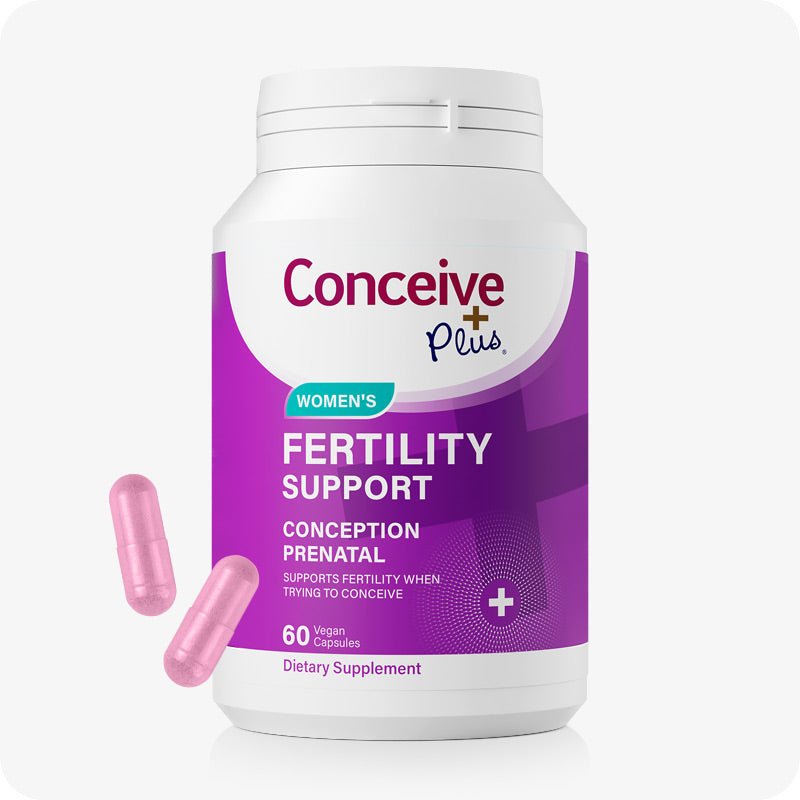
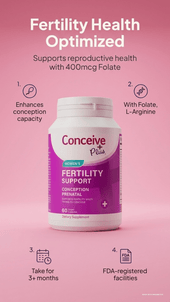
At Conceive Plus, we believe every couple deserves science-backed support on their path to parenthood. Our fertility supplements are formulated with clinically researched ingredients to support reproductive health naturally.
Spermatogenesis — the process of sperm production — takes approximately 74 days, plus another 12–21 days for sperm to travel through the epididymis and mature. This means any lifestyle changes you make today won't fully reflect in your semen analysis for about 3 months.
Sperm are produced in the testes within seminiferous tubules, regulated by two key hormones: luteinising hormone (LH), which stimulates testosterone production, and follicle-stimulating hormone (FSH), which directly drives sperm maturation. The hypothalamic-pituitary-gonadal axis governs this entire cascade.
Crucially, testes operate best at 2–4°C below core body temperature — which is why they are located outside the body. Heat exposure, whether from laptops, hot tubs, tight underwear, or sitting for prolonged periods, can significantly impair sperm production and quality.
Key Lifestyle Factors That Impact Sperm Quality
Research consistently shows that lifestyle factors have a profound influence on sperm parameters. Here are the most evidence-backed areas to address:
Weight and BMI: A 2021 meta-analysis in Human Reproduction Update found that obesity (BMI >30) is associated with significantly reduced sperm concentration, motility, and total sperm count. Excess adipose tissue converts testosterone to oestrogen via aromatase activity, disrupting the hormonal milieu. Even modest weight loss of 5–10% can improve sperm parameters measurably.
Smoking: Cigarette smoking is one of the most well-documented negative influences on male fertility. Tobacco contains cadmium, lead, and polycyclic aromatic hydrocarbons that directly damage sperm DNA, reduce motility, and impair sperm morphology. Studies show smokers have 13–17% lower sperm density and significantly higher DNA fragmentation than non-smokers.
Alcohol: Regular alcohol consumption suppresses testosterone, increases sperm DNA damage, and reduces sperm count. The dose-response relationship is fairly linear — even moderate consumption (>5 units/week) has measurable effects. Heavy drinking can trigger hypogonadotropic hypogonadism, where the pituitary gland fails to send adequate signals to the testes.
Heat Exposure: Spermatogenesis is temperature-sensitive. Men who use laptops on their laps, sit for >6 hours/day, use hot tubs regularly, or wear tight synthetic underwear show measurably worse sperm parameters. Switching to loose-fitting, breathable underwear and reducing seated time are simple, effective interventions.
Sleep: A 2023 study in SLEEP journal found that men sleeping fewer than 6 hours or more than 9 hours per night had lower sperm counts and poorer motility compared to those sleeping 7–8 hours. Sleep is when testosterone production peaks, and disruptions to circadian rhythms — including shift work — are associated with impaired spermatogenesis.
Stress: Chronic psychological stress activates the HPA axis, elevating cortisol and suppressing testosterone and LH secretion. Oxidative stress is also increased, contributing to DNA fragmentation. Mind-body interventions including yoga, mindfulness, and CBT have shown modest but meaningful improvements in sperm parameters in stressed men.
Nutrition for Optimal Sperm Health
The relationship between diet and sperm quality is one of the most rapidly evolving areas in male reproductive medicine. Here's what the evidence says:
The Mediterranean Diet: Multiple prospective studies have found that adherence to a Mediterranean dietary pattern — rich in fruits, vegetables, whole grains, fish, and olive oil — is associated with higher sperm concentration, progressive motility, and morphology. The 2022 FERTINF study found men in the highest quintile of Mediterranean diet adherence had 42% higher odds of normal sperm parameters.
Antioxidant-Rich Foods: Oxidative stress — an imbalance between reactive oxygen species (ROS) and antioxidant defences — is estimated to be implicated in 25–40% of male infertility cases. Foods high in antioxidants help neutralise ROS. Key antioxidants include:
- Vitamin C: Found in citrus fruits, bell peppers, and kiwi. Protects sperm DNA from oxidative damage.
- Vitamin E: Found in almonds, sunflower seeds, and spinach. Works synergistically with selenium to protect sperm membranes.
- Zinc: Oysters, pumpkin seeds, beef, and chickpeas. Critical for testosterone production and sperm maturation. Zinc deficiency is strongly associated with poor sperm quality.
- Selenium: Brazil nuts, tuna, and eggs. Essential for the antioxidant enzyme glutathione peroxidase, which protects sperm against oxidative damage.
- Lycopene: Tomatoes (especially cooked), watermelon, and grapefruit. Concentrated in the testes; studies show lycopene supplementation can improve sperm motility and morphology.
Omega-3 Fatty Acids: DHA (docosahexaenoic acid) is a major structural component of sperm cell membranes and is critical for sperm motility. Oily fish (salmon, mackerel, sardines), walnuts, and flaxseeds are excellent sources. A 2020 randomised controlled trial found omega-3 supplementation significantly improved sperm count and motility in men with idiopathic infertility.
Foods to Limit: Processed meats, trans fats, full-fat dairy, and excessive sugar are associated with poorer sperm quality. Soy foods in very high amounts (due to phytoestrogens) may have mild negative effects, though the evidence is not definitive for moderate consumption.
Supplements With Clinical Evidence for Sperm Health
The supplement landscape is crowded, but several nutrients have robust clinical evidence supporting their role in male fertility:
CoQ10 (Coenzyme Q10): A landmark 2012 randomised controlled trial published in the Journal of Urology found that CoQ10 supplementation (300 mg/day for 26 weeks) significantly improved sperm density, motility, and morphology in men with idiopathic oligoasthenoteratospermia. CoQ10 is both an antioxidant and a critical component of mitochondrial energy production — sperm require enormous amounts of ATP for their flagellar motion.
L-Carnitine and Acetyl-L-Carnitine: These amino acid derivatives are heavily concentrated in the epididymis and play a central role in sperm energy metabolism. Multiple meta-analyses have found L-carnitine supplementation improves sperm motility, particularly progressive motility, in men with asthenospermia.
Folic Acid: Often overlooked in the male fertility context, folate is essential for DNA synthesis and repair. A study in Fertility and Sterility found that men with the lowest folate intake had significantly higher rates of sperm aneuploidy (chromosomal abnormalities). Folic acid at 400–800 mcg/day is a low-risk, high-value intervention.
Zinc: As mentioned, zinc is indispensable for testosterone production and spermatogenesis. The RDA is 11 mg/day for men, but therapeutic doses of 25–66 mg/day (zinc sulphate) have shown benefits in clinical trials. Supplementation should be balanced with copper to prevent deficiency.
Vitamin D: Vitamin D receptors are expressed in testicular cells, and vitamin D deficiency (serum 25-OH-D <20 nmol/L) is associated with reduced testosterone and poorer sperm parameters. A 2023 meta-analysis found vitamin D supplementation improved sperm motility and testosterone levels in deficient men.
Ashwagandha (Withania somnifera): This adaptogenic herb has emerging evidence for male fertility. A 2010 RCT found that ashwagandha root extract significantly improved sperm count, motility, and testosterone levels in infertile men, with effects attributed to its antioxidant and stress-reducing properties.
Environmental Toxins and Endocrine Disruptors
Environmental exposures have become an increasingly significant concern in male fertility research. Several classes of chemicals act as endocrine disruptors, mimicking or blocking hormones involved in sperm production:
Bisphenol A (BPA): Found in certain plastics, food can linings, and thermal receipts. BPA mimics oestrogen and has been associated in multiple studies with reduced sperm concentration and motility, as well as increased DNA fragmentation. Avoiding plastic food containers, especially when heating food, reduces exposure.
Phthalates: Common in personal care products, plastics, and food packaging. Phthalates interfere with testosterone production by Leydig cells. A 2023 systematic review found significant associations between urinary phthalate metabolites and reduced sperm count and motility.
Pesticides: Organophosphate and organochlorine pesticides are well-established testicular toxins. Agricultural workers exposed to high pesticide levels consistently show worse sperm parameters. Choosing organic produce for the "Dirty Dozen" and washing all produce thoroughly reduces exposure.
Heavy Metals: Lead, cadmium, and mercury accumulate in testicular tissue and impair spermatogenesis. Sources include cigarette smoke, certain occupational exposures, some seafood (mercury), and old paint or plumbing (lead).
When to Seek Medical Help: Diagnosis and Treatment Options
If you've been trying to conceive for 12 months (or 6 months if your partner is over 35) without success, a male fertility evaluation is warranted — ideally earlier if there are known risk factors.
Evaluation should include:
- At least 2 semen analyses (with 2–7 days of abstinence each time)
- Hormone panel: FSH, LH, testosterone, prolactin, oestradiol
- Physical examination by a urologist/andrologist
- DNA fragmentation testing if semen parameters are borderline or there have been recurrent pregnancy losses
Common treatable causes include:
- Varicocele: Dilated veins in the scrotum, present in 35–40% of infertile men. Varicocelectomy or embolisation can improve sperm parameters and pregnancy rates.
- Hormonal imbalances: Hypogonadism, hyperprolactinaemia, and thyroid disorders are treatable with medication.
- Infections: Chlamydia, gonorrhoea, and other STIs can impair sperm function — antibiotic treatment is curative.
- Obstructive azoospermia: Surgical procedures can often restore sperm to the ejaculate.
Frequently Asked Questions About Sperm Health
Q: How quickly can sperm quality improve with lifestyle changes?
A: Because spermatogenesis takes ~74 days, you won't see the full effect of lifestyle changes for 3 months. However, some parameters — especially motility and DNA fragmentation — may show earlier improvements. Commit to a 90-day programme before reassessing with a semen analysis.
Q: Does frequent ejaculation reduce sperm count?
A: Yes, in the short term. More frequent ejaculation reduces sperm concentration but doesn't necessarily reduce total motile count significantly. For fertility purposes, intercourse every 2–3 days during the fertile window maximises both concentration and frequency of exposure. Abstaining for more than 7 days can actually reduce motility.
Q: Can tight underwear really affect fertility?
A: Yes, there is clinical evidence. A 2018 Harvard study found men who wore boxer shorts had 25% higher sperm concentration and 17% higher total sperm count than men who wore tight underwear. The mechanism is testicular overheating.
Q: Is age a factor in sperm quality?
A: Yes. While men continue producing sperm throughout life, sperm quality does decline with age. After age 40, sperm DNA fragmentation increases, motility decreases, and the risk of de novo mutations in sperm DNA rises. The concept of "advanced paternal age" (typically defined as >40 years) is associated with modestly increased risks of miscarriage and certain neurodevelopmental conditions in offspring.
Q: Can stress alone cause infertility?
A: Stress alone rarely causes complete infertility, but it measurably worsens sperm parameters. Studies show men under high psychological stress have lower sperm concentration, motility, and higher DNA fragmentation. Managing stress is an important but often underemphasised part of male fertility optimisation.
Q: How important is vitamin D for sperm health?
A: Very. Vitamin D deficiency is remarkably common (estimated at 40% of adults in northern latitudes) and is associated with lower testosterone and reduced sperm motility. Getting blood levels checked and supplementing if deficient (aiming for 50–100 nmol/L) is a simple, high-value intervention.
Q: Does marijuana use affect sperm?
A: Yes. THC, the active compound in cannabis, has been shown to alter sperm morphology, impair sperm motility, and affect the acrosome reaction needed for fertilisation. Even occasional use may have detectable effects. The evidence for CBD specifically is less clear but warrants caution during active fertility efforts.
Q: What's the relationship between testosterone therapy and fertility?
A: This is critically important: exogenous testosterone (testosterone replacement therapy) suppresses the pituitary signals (LH and FSH) that drive sperm production. Many men on TRT have dramatically reduced or absent sperm counts. If fertility is a goal, testosterone therapy should be discontinued and replaced with fertility-preserving alternatives like clomiphene citrate or HCG under specialist supervision.
Q: Are laptop computers really harmful to sperm?
A: Laptops used on the lap can raise scrotal temperature by 2–3°C — above the threshold that impairs spermatogenesis. Use a desk or laptop stand. The electromagnetic radiation from laptops is less clearly a concern, but prudent distance is advisable during fertility-focused periods.
Q: How does a fertility supplement help sperm health?
A: Comprehensive male fertility supplements combine antioxidants, vitamins, minerals, and amino acids shown in clinical research to improve multiple sperm parameters. They address the nutrient gaps that diet alone may not fill, particularly zinc, selenium, CoQ10, L-carnitine, and folate. Look for supplements with transparent ingredient doses, third-party testing, and formulations based on current clinical evidence.
Supporting Your Fertility Journey
At Conceive Plus, we believe every couple deserves science-backed support on their path to parenthood. Our fertility supplements are formulated with clinically researched ingredients to support reproductive health naturally.