Is It Possible to Not Get Pregnant When Ovulating Even with Unprotected Sex?
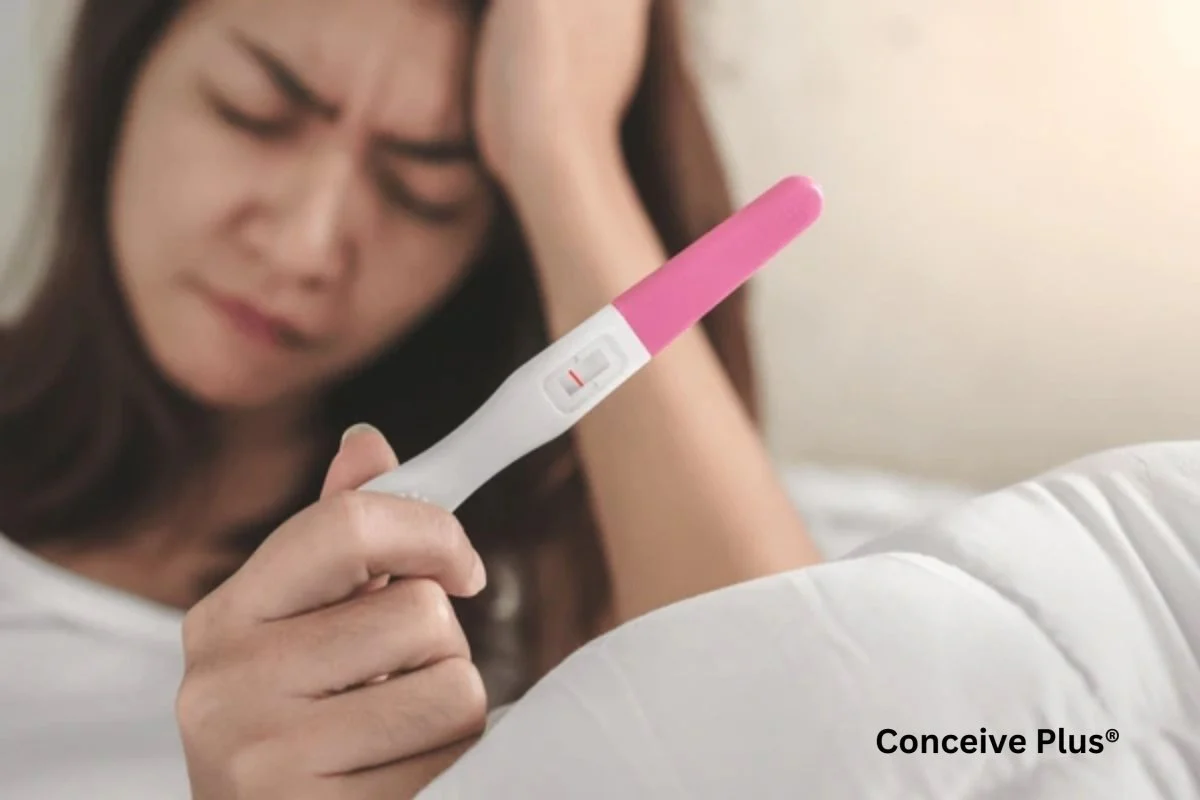

Trying to get pregnant can be a rollercoaster of emotions. One big question many couples ask is: is it possible to not get pregnant when ovulating? The surprising answer is, yes, it’s possible. Even if you’re ovulating and having unprotected sex, pregnancy doesn’t always happen. There's actually a lot that goes into getting pregnant, and it's not just about timing. So let’s dive in and see why this might be the case and how you can boost your chances.

Can You Ovulate and Not Get Pregnant?
So, can you ovulate and not get pregnant? Absolutely, yes. Ovulation is definitely a key part of getting pregnant, but it’s not the only part. For a pregnancy to happen, several things need to line up perfectly: a healthy egg needs to be released, healthy sperm needs to reach the egg, and the fertilized egg has to successfully implant in the uterus. Here’s why ovulation doesn’t always mean you’ll get pregnant:
- Quality of Egg and Sperm: Even if you’re ovulating, the quality of the egg and sperm is super important. Not all eggs are created equal, and some might have issues that prevent them from being fertilized. Same goes for sperm. Sperm quality—like how well they swim or their shape—can also affect whether or not fertilization happens [1].
- Timing Isn’t Everything: A lot of people think that as long as they’re having sex around ovulation, they’ll get pregnant. But it’s a bit more complicated. If you have unprotected sex 3 days before ovulation, there is a chance for pregnancy because sperm can live in the reproductive tract for up to five days. But, if the sperm isn't strong or doesn't reach the egg on time, no pregnancy will happen [2].
Top Tip: Using ovulation predictor kits or keeping track of your basal body temperature can help you figure out when you're most fertile, so you can time sex just right.
If you’re wondering about the chances of getting pregnant on ovulation day, be sure to check out this guide for a deeper look at how timing plays a key role in conception.
Why Would There Be Confirmed Ovulation but No Pregnancy?
It can be frustrating to have confirmed ovulation but no pregnancy. There are a few reasons why this might happen:
- Hormonal Problems: Hormones play a big role in fertility, and if they’re not balanced just right, it can make it harder to get pregnant, even if you are ovulating. Conditions like polycystic ovary syndrome (PCOS) or thyroid problems can mess with your hormones and make things tricky [3].
- Short Luteal Phase: After you ovulate, you enter the luteal phase. This is when your body prepares for a possible pregnancy by thickening the lining of your uterus. But if this phase is too short or if there isn’t enough of the hormone progesterone, the fertilized egg might not be able to implant properly [4].

✨ Trying to Conceive?
Our Ovulation & Fertility Bundle combines Myo-Inositol with essential vitamins to support healthy hormone balance and regular ovulation.
Shop Now — $55.00✓ Free shipping on orders over $40 | ✓ Trusted by millions of couples worldwide

Other Factors That Affect Pregnancy During Ovulation
There’s more to consider when you’re trying to understand why you might not be getting pregnant, even if you’re ovulating:
- Physical Barriers: Sometimes there are physical issues, like blocked fallopian tubes, fibroids, or polyps in the uterus. These can prevent the sperm from reaching the egg or stop a fertilized egg from implanting [5].
- Sperm Health: Issues with sperm are also a big factor. If the sperm isn’t healthy—like if there’s a low count, poor motility (meaning they don’t swim well), or abnormal shapes—fertilization might not happen, even if everything else is working perfectly.
- Lifestyle Factors: Things like stress, poor diet, lack of exercise, or exposure to certain chemicals can all impact fertility. Stress can particularly disrupt hormone levels and affect both ovulation and sperm quality.
How to Improve Your Chances of Getting Pregnant
If you’re trying to get pregnant and it’s not happening as quickly as you’d hoped, there are some things you can do to improve your chances:
- Track Your Cycle: Knowing when you ovulate is key. Use ovulation predictor kits, track your basal body temperature, or use apps that help you figure out your most fertile days.
- Eat Well and Stay Healthy: Eating a balanced diet that’s rich in Folic Acid, Iron, Calcium, Magnesium, and Zinc is super important for reproductive health. These nutrients help with everything from making healthy eggs and sperm to keeping hormones balanced.
- Choose the Right Lubricant: Believe it or not, some lubricants can actually make it harder for sperm to swim. Choose a lubricant that’s sperm-friendly to improve your chances of getting pregnant.
If you’ve ever wondered about the possibility of a false positive ovulation test, this article can help clarify what that means and how to avoid it.

The Bottom Line
So, is it possible to not get pregnant when ovulating? Yes, and it happens more often than people think. There’s a lot that goes into getting pregnant, from the quality of eggs and sperm to timing and overall reproductive health. If it’s taking longer than you expected to get pregnant, don’t lose hope. Keep trying and make sure you’re doing everything you can to support your fertility. And remember, if you’ve been trying for a year (or six months if you’re over 35) without success, it’s a good idea to see a fertility specialist to check if there’s something else going on.
FAQs
Can I get pregnant if I have unprotected sex 3 days before ovulation?
Yes, you can. Sperm can live in the body for up to 5 days, so having unprotected sex 3 days before ovulation can still lead to pregnancy if ovulation occurs within that time.
Why am I not getting pregnant even though I’m ovulating?
There can be many reasons, like hormonal imbalances, egg or sperm quality issues, or physical barriers in the reproductive system. It’s not uncommon to have confirmed ovulation but no pregnancy.
What are some ways to increase my chances of conceiving?
Track your ovulation cycle closely, eat a nutritious diet, reduce stress, and use sperm-friendly lubricants to improve your chances of getting pregnant.
How often should we have sex to maximize our chances of conception?
Aim to have sex every day or every other day during your fertile window, especially on the days leading up to and including ovulation.
Citations
- Hammoud AO, Gibson M, Peterson CM, Meikle AW, Carrell DT. Impact of male obesity on infertility: a critical review of the current literature. Fertil Steril. Available at: https://pubmed.ncbi.nlm.nih.gov/18929048/
- Wilcox AJ, Weinberg CR, Baird DD. Timing of sexual intercourse in relation to ovulation. Effects on the probability of conception, survival of the pregnancy, and sex of the baby. N Engl J Med. Available at: https://pubmed.ncbi.nlm.nih.gov/7477165/
- Ehrmann DA. Polycystic ovary syndrome. N Engl J Med. Available at: https://pubmed.ncbi.nlm.nih.gov/15788499/
- Oduwole OO, Huhtaniemi IT, Misrahi M. The Roles of Luteinizing Hormone, Follicle-Stimulating Hormone and Testosterone in Spermatogenesis and Folliculogenesis Revisited. Int J Mol Sci. Available at: https://www.ncbi.nlm.nih.gov/pmc/articles/PMC8658012/
- Freytag D, Günther V, Maass N, Alkatout I. Uterine Fibroids and Infertility. Diagnostics (Basel). Available at: https://www.ncbi.nlm.nih.gov/pmc/articles/PMC8391505/
🌱 Support Your Fertility Journey
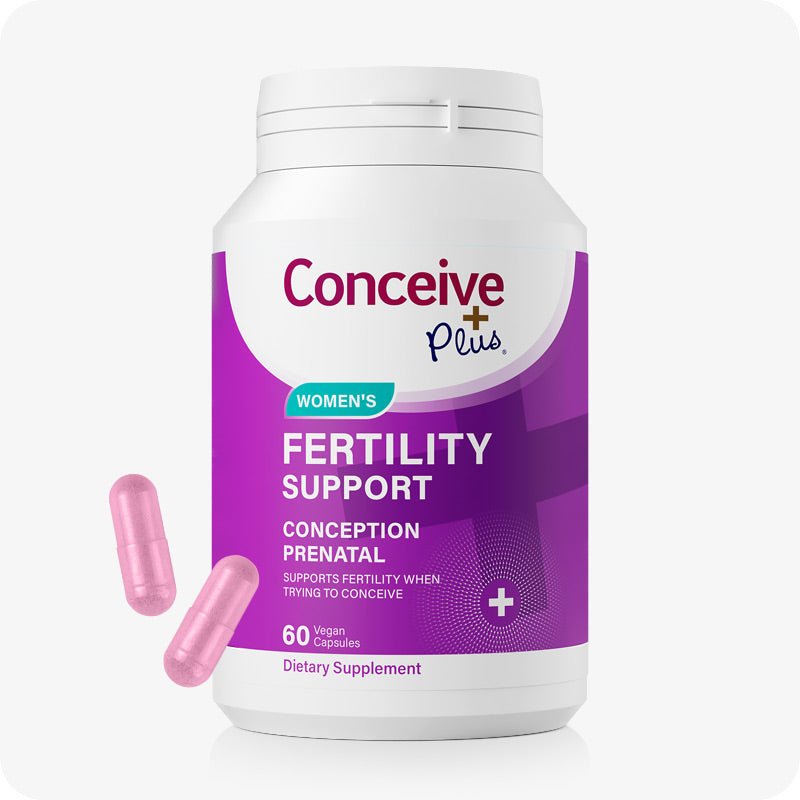
Conceive Plus fertility supplements are clinically formulated to help regulate your cycle and support egg quality.
Shop Fertility Support →Frequently Asked Questions
Recommended by Fertility Experts
Conceive Plus Men's Fertility Support
Designed to support healthy sperm production, motility, and overall male reproductive health with clinically studied nutrients.
Shop Now →Q: Can a woman ovulate and still not get pregnant?
A: Yes, it's entirely possible to ovulate and not conceive, even with unprotected intercourse. According to the American Society for Reproductive Medicine (ASRM), even fertile couples have only about a 20-25% chance of conceiving in any given cycle, despite perfect timing. Ovulation is just one piece of the fertility puzzle—egg quality, sperm health, fallopian tube function, and uterine receptivity all play critical roles in successful pregnancy. Supporting overall reproductive health through proper nutrition, supplements like Conceive Plus, and stress management can help optimize your chances month to month.
Q: Why can't I get pregnant during ovulation with unprotected sex?
A: Several factors can prevent pregnancy even during your fertile window, including poor egg or sperm quality, timing issues (the egg only survives 12-24 hours after ovulation), blocked fallopian tubes, or hormonal imbalances. Male factor infertility accounts for approximately 30-40% of fertility challenges, while issues with ovulation quality affect another significant percentage of couples. Female age also significantly impacts egg quality—women over 35 experience a notable decline in fertility. If you've been trying for over one year (or six months if over age 35), consulting a fertility specialist and optimizing partner health with nutrients found in supplements designed for male fertility can be beneficial.
Q: Can I be ovulating and not get pregnant if I have irregular cycles?
A: Irregular cycles can make it harder to identify your fertile window accurately, which may be why pregnancy hasn't occurred despite ovulation. Conditions like polycystic ovary syndrome (PCOS) affect approximately 6-12% of women of reproductive age and can cause irregular ovulation or poor egg quality. Even when ovulation occurs, cycle irregularity sometimes indicates underlying hormonal or metabolic issues that impact fertility. Tracking ovulation through basal body temperature, ovulation predictor kits, or working with a fertility specialist can help clarify your cycle pattern and improve timing, while comprehensive fertility supplements support hormonal balance.
Q: What percentage of couples don't get pregnant even when timing intercourse during ovulation?
A: Approximately 12% of women ages 15-44 in the United States have difficulty getting pregnant or staying pregnant, according to CDC data, even when attempting conception during fertile windows. In any single cycle, fertile couples with optimal timing have only a 20-25% conception rate, meaning 75-80% of cycles don't result in pregnancy despite perfect conditions. After 12 months of unprotected intercourse timed to ovulation, about 15% of couples remain unsuccessful, which is considered infertility by medical standards. If you're in this situation, a fertility evaluation by a reproductive endocrinologist is recommended to identify underlying issues and determine appropriate treatment options.
Q: Does taking fertility supplements improve chances of getting pregnant during ovulation?
A: While no supplement guarantees pregnancy, research supports that certain nutrients can optimize reproductive health when ovulation is occurring. Studies show that supplements containing CoQ10, inositol, and prenatal vitamins may improve egg quality and ovulation regularity, particularly in women with diminished ovarian reserve. Male partners may also benefit from fertility-focused supplements, as oxidative stress impacts sperm health—products like Conceive Plus are formulated to support both partners' reproductive wellness. For best results, supplements should complement healthy lifestyle practices, regular intercourse during the fertile window, and medical evaluation if conception doesn't occur within the appropriate timeframe.
Trusted by Couples in Over 70 Countries
Support Male Fertility From the Inside Out
Male fertility is just as important as female fertility in the conception journey. Conceive Plus Men's range delivers targeted nutritional support to promote healthy sperm and overall reproductive wellbeing.
Shop Men's Range →