Unexplained Infertility: The Supplement and Lubricant Protocol to Try First


Unexplained Infertility Supplements: The Evidence-Based Protocol to Try First
If you've been diagnosed with unexplained infertility, you already know the particular frustration that comes with that phrase. You've done the tests. You've sat in the waiting rooms. You've had blood drawn, ultrasounds performed, sperm analyses completed — and every result comes back: normal. Yet pregnancy remains elusive. The diagnosis of unexplained infertility supplements protocols often lacks clarity, leaving couples wondering where to even begin.
You're not alone. Unexplained infertility accounts for approximately 10–15% of all infertility diagnoses in the United States, affecting hundreds of thousands of couples each year. The term itself can feel like a dead end — but it doesn't have to be. A growing body of research points to optimizable factors that standard fertility workups simply don't measure: oxidative stress, sperm DNA fragmentation, micronutrient deficiencies, vaginal environment quality, and cellular energy production.
This guide walks through a comprehensive, evidence-based supplement and lubricant protocol that many reproductive endocrinologists now recommend as a proactive first step for couples with unexplained infertility. We'll cover what the science actually says, which nutrients matter most for both partners, how vaginal environment affects conception odds, and where Conceive Plus fits into a complete fertility strategy.
What "Unexplained Infertility" Actually Means — and What It Doesn't
A diagnosis of unexplained infertility means that standard diagnostic criteria — ovulation status, fallopian tube patency, uterine structure, and basic semen parameters — are within normal reference ranges. What it doesn't mean is that conception is impossible, or that nothing can be done.
Reproductive science has advanced significantly beyond basic semen analysis. A normal sperm count, for example, says nothing about sperm DNA fragmentation — a condition present in up to 25% of men with otherwise normal semen parameters that significantly impairs fertilization and early embryo development. Similarly, standard hormone panels don't capture subtle mitochondrial dysfunction in eggs, which becomes increasingly relevant after age 30.
Key factors that standard fertility workups often miss include:
- Oxidative stress levels in seminal plasma and follicular fluid
- Sperm DNA fragmentation index (DFI) — not part of standard semen analysis
- Subclinical thyroid dysfunction — TSH in the "normal" range but suboptimal for conception
- Vitamin D status — associated with both female and male fertility outcomes
- Vaginal pH and mucus quality — which can silently impair sperm survival
- Coenzyme Q10 levels — essential for egg and sperm mitochondrial function
Understanding these gaps is the first step toward a targeted protocol. The good news: most of these factors are modifiable through targeted supplementation and environmental optimization.
The Case for Antioxidants: Oxidative Stress and Unexplained Infertility
Ready to take action? Conceive Plus has supported over 2 million couples worldwide on their fertility journey. Shop the full Conceive Plus range at conceiveplus.com →
One of the most consistent findings in unexplained infertility research is elevated oxidative stress — an imbalance between reactive oxygen species (ROS) and antioxidant defenses. Oxidative damage affects both egg quality and sperm DNA integrity, yet it's not captured by any standard fertility test.
A 2021 meta-analysis published in Frontiers in Endocrinology found that antioxidant supplementation in couples with unexplained infertility improved clinical pregnancy rates by approximately 23% compared to placebo. The key antioxidants with the strongest evidence include:
For Women
- Coenzyme Q10 (CoQ10): Mitochondrial energy production is essential for egg quality and embryo development. CoQ10 supplementation (200–600 mg/day) has been shown to improve ovarian response, particularly in women over 35. A 2018 trial in Fertility and Sterility found that women taking CoQ10 before IVF had better ovarian reserve markers and higher fertilization rates.
- Vitamin E: Protects oocytes from lipid peroxidation. Works synergistically with Vitamin C to neutralize free radicals in follicular fluid.
- N-Acetyl Cysteine (NAC): Precursor to glutathione — the body's master antioxidant. Particularly beneficial for women with PCOS co-existing with unexplained infertility.
- Alpha Lipoic Acid: Both water and fat-soluble; crosses the blood-follicle barrier to protect maturing eggs from oxidative damage.
For Men
- Selenium: Essential for glutathione peroxidase activity in sperm. Low selenium is independently associated with poor sperm motility and increased DNA fragmentation.
- Zinc: Critical for testosterone synthesis, spermatogenesis, and sperm membrane stability. Zinc deficiency is surprisingly common and directly impairs sperm function.
- L-Carnitine: Powers sperm motility by transporting fatty acids into mitochondria. Clinical trials show significant improvements in sperm motility and pregnancy rates with L-carnitine supplementation (1–3 g/day).
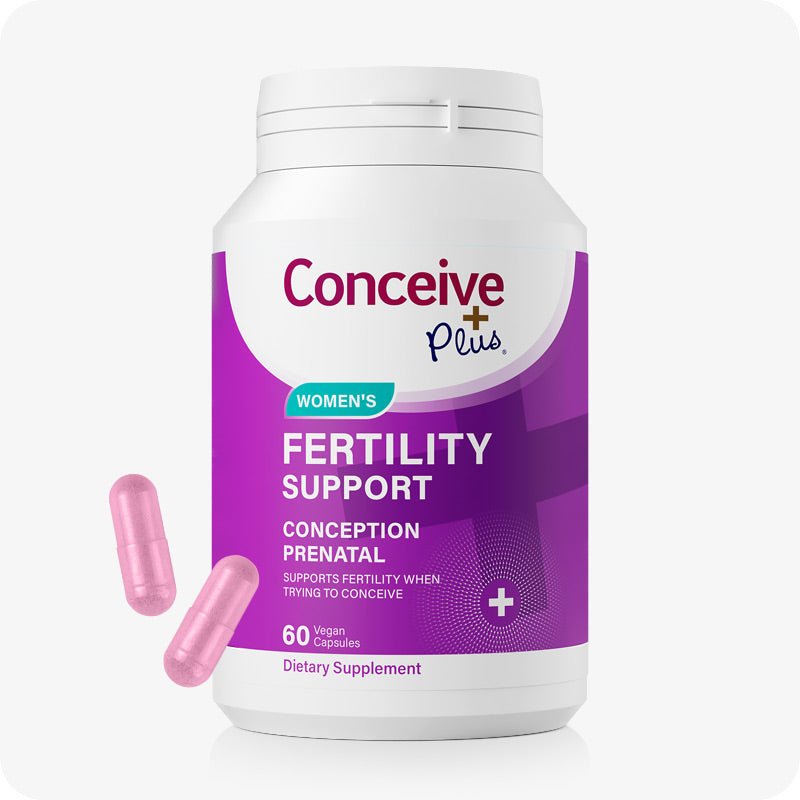
Conceive Plus formulates both its women's and men's supplements with clinical-grade antioxidant complexes, making it simpler to implement this evidence-based protocol without sourcing multiple individual supplements.
Folate vs. Folic Acid: Why the Form Matters for Unexplained Infertility TTC
Nearly every fertility specialist recommends folate supplementation before conception — but the form matters more than most couples realize. Approximately 40–60% of the population carries a variant of the MTHFR gene that impairs the conversion of synthetic folic acid into the active form the body actually uses (5-MTHF, or methylfolate).
For women with the MTHFR variant, standard folic acid supplementation may provide inadequate protection and could even elevate unmetabolized folic acid levels, which some research links to adverse fertility outcomes. Methylfolate (the active form) bypasses this enzymatic step entirely.
When evaluating supplements for unexplained infertility TTC, look for:
- Methylfolate (5-MTHF) rather than synthetic folic acid
- At least 400–800 mcg daily (some specialists recommend higher for women with MTHFR variants)
- Methylcobalamin (B12) — the active form of B12 that works synergistically with methylfolate for DNA methylation and cell division
Conceive Plus women's supplements use methylfolate rather than synthetic folic acid — a detail that matters significantly for couples in the unexplained infertility category who may unknowingly carry MTHFR variants.
Vitamin D: The Overlooked Fertility Nutrient
Vitamin D deficiency affects an estimated 42% of American adults — and its impact on fertility is substantial. Vitamin D receptors are present on ovarian cells, sperm, and endometrial tissue. Suboptimal vitamin D levels are associated with:
- Impaired ovarian follicle development
- Reduced endometrial receptivity (critical for implantation)
- Lower testosterone levels in men
- Reduced sperm motility and morphology
- Higher rates of miscarriage in early pregnancy
A 2019 systematic review in Human Reproduction Update found that women undergoing IVF with sufficient vitamin D levels had significantly higher live birth rates than those who were deficient. Optimal serum 25-OH vitamin D for fertility appears to be 40–60 ng/mL — higher than the minimum threshold for general health (20 ng/mL).
For couples pursuing a fertility protocol unexplained infertility approach, testing vitamin D levels and supplementing to optimal range should be a non-negotiable first step — often before any other intervention.
Conceive Plus vs Pre-Seed: Optimizing Your Vaginal Environment
Here's a factor that rarely comes up in fertility clinic consultations: vaginal pH and lubricant choice can meaningfully affect conception odds. The vaginal environment is naturally acidic (pH 3.8–4.5) — protective against infection, but hostile to sperm, which thrive in a pH range closer to seminal plasma (pH 7.2–8.0).
Cervical mucus during the fertile window creates a sperm-friendly pathway, but when cervical mucus is inadequate — which happens more often than recognized — additional lubrication becomes important. The critical issue: most commercial lubricants (KY Jelly, Astroglide, coconut oil, saliva) are significantly sperm-toxic. Studies show they can reduce sperm motility by 60–100% within 30 minutes of exposure.
This is where Conceive Plus is categorically different from other options, including Pre-Seed.
Conceive Plus is uniquely formulated with calcium and magnesium ions — minerals that naturally occur in reproductive fluids and play a direct role in sperm capacitation, the process by which sperm acquire the ability to fertilize an egg. Pre-Seed, while sperm-safe in terms of pH and osmolality, does not contain these ions.
Key differences:
- Conceive Plus: pH 7.0–7.5 (matches fertile cervical mucus) | Isotonic osmolality | Contains Ca²⁺ and Mg²⁺ ions | FDA cleared | Used in fertility clinics
- Pre-Seed: pH ~7.0 | Near-isotonic | No mineral ions | FDA cleared
- Standard lubricants: pH 4.0–5.0 (sperm-hostile) | Hyperosmotic | Significantly sperm-toxic
For couples with unexplained infertility, optimizing every variable in the conception environment matters. Using a clinically validated sperm-friendly lubricant like Conceive Plus is a simple, immediate step that removes one potential barrier to conception.
The Supplements for Unexplained Infertility Protocol: A Practical Timeline
Implementing a fertility supplement protocol requires consistency and realistic expectations. Egg maturation takes approximately 90 days (3 months) from recruitment to ovulation; sperm production (spermatogenesis) takes roughly 72–74 days. This means that the supplements you take today are improving the eggs and sperm that will be available in 2–3 months.
A practical timeline for the supplements for unexplained infertility protocol:
Months 1–3: Foundation Phase
- Both partners: Start CoQ10, vitamin D (with testing first), omega-3 fatty acids, and a high-quality multivitamin/prenatal with methylfolate
- Women: Add NAC if oxidative stress markers are suspected; ensure iron, magnesium, and B-complex are adequate
- Men: Add L-carnitine, zinc, selenium, and consider lycopene (associated with improved sperm morphology)
- Both: Switch to Conceive Plus lubricant during fertile window timing
Month 3+: Assessment Phase
- Consider retesting vitamin D levels
- If budget allows, advanced sperm testing including DNA fragmentation index
- Continue protocol; most research shows 3–6 months of supplementation is needed for meaningful improvement
Conceive Plus offers both a women's fertility supplement and a men's fertility supplement designed to work together as a couple's protocol — including all the key nutrients discussed above in clinically relevant dosages.
Lifestyle Factors That Amplify Your Supplement Protocol
No supplement protocol works in isolation. For couples with unexplained infertility, these lifestyle factors have the strongest evidence base for improving fertility outcomes:
Diet
The Mediterranean diet consistently shows the strongest association with improved fertility outcomes in research. Key elements include:
- High intake of vegetables, legumes, whole grains, and olive oil
- Moderate fish consumption (omega-3 rich varieties like salmon, mackerel, sardines)
- Limited processed foods, trans fats, and excess sugar
- Adequate protein from varied sources
Exercise
Moderate exercise (150+ minutes of moderate-intensity activity per week) improves insulin sensitivity, reduces inflammation, and supports healthy weight — all relevant for fertility. Extreme endurance training can impair ovulation and reduce testosterone in men, so balance is key.
Sleep
Reproductive hormone secretion is tightly linked to circadian rhythm. Poor sleep quality or quantity disrupts LH pulses, progesterone production, and testosterone levels. Aim for 7–9 hours of consistent sleep, and keep consistent sleep/wake times.
Stress Reduction
While "just relax" is famously unhelpful advice, chronic stress does measurably affect fertility through cortisol-mediated suppression of GnRH (the upstream hormone for LH and FSH). Evidence-based stress reduction techniques include mindfulness meditation, yoga, acupuncture, and cognitive behavioral therapy (CBT) — all of which have been studied in fertility contexts with encouraging results.
When to Escalate: Recognizing the Limits of Self-Directed Protocols
A targeted supplement and lubricant protocol is an excellent proactive step — but it's not a replacement for medical care. Consider escalating to a reproductive endocrinologist if:
- You've been trying to conceive for 12+ months under 35, or 6+ months over 35
- You've had 2+ miscarriages (investigate immunological and genetic factors)
- Irregular or absent menstrual cycles suggest ovulatory dysfunction
- A previous semen analysis showed borderline results that could benefit from specialist evaluation
- You have a known condition like PCOS, endometriosis, or thyroid disorder
The protocol described here is designed to optimize the factors standard medicine doesn't typically address — not to delay necessary medical care.
Frequently Asked Questions: Unexplained Infertility and Supplementation
How long does it take for fertility supplements to work?
Because egg development takes approximately 90 days and sperm production takes 72–74 days, most fertility supplement protocols need at least 3 months of consistent use before meaningful improvements are reflected in egg quality or semen parameters. Plan for a minimum 3-month commitment before evaluating results.
Can supplements help with unexplained infertility even if all tests are normal?
Yes. Standard fertility tests measure a narrow set of parameters. Supplements address factors like oxidative stress, sperm DNA fragmentation, mitochondrial function, and micronutrient deficiencies — none of which appear on standard fertility panels. Many couples with unexplained infertility have one or more of these sub-clinical deficiencies.
Is CoQ10 safe during the TWW (two-week wait)?
Most fertility specialists recommend continuing CoQ10 through the TWW and into early pregnancy until you discuss with your OB or midwife. The evidence for harm is essentially zero, and the benefit for early embryo energy production may extend into early development.
Should both partners take fertility supplements with unexplained infertility?
Yes, absolutely. Unexplained infertility is a couple's diagnosis, not just a female factor. Male-factor contributions are consistently underweighted in standard evaluations. Optimizing sperm quality through targeted supplementation significantly improves overall conception odds.
Does Conceive Plus lubricant really improve conception chances?
Conceive Plus doesn't guarantee pregnancy, but it removes a potential barrier that many couples don't know exists. By maintaining sperm-friendly pH, isotonic osmolality, and providing calcium and magnesium ions that support sperm function, it creates a more favorable environment for the sperm's journey. For couples using lubricant during intercourse, switching to Conceive Plus is an easy, evidence-supported change.
Can I take Conceive Plus supplements and lubricant together?
Yes. The Conceive Plus supplement line and lubricant are designed to work together as a complete fertility support system. Many couples use both during their TTC journey.
Is unexplained infertility more common in women over 35?
The diagnosis of unexplained infertility can occur at any age, but age-related factors become more significant over 35. Egg quality declines with age, and subtle issues with mitochondrial function become more pronounced — which is exactly why CoQ10 supplementation has some of its strongest evidence in women over 35.
Are there any supplements that can worsen fertility?
Yes. Excessive vitamin A (retinol form) can be teratogenic in pregnancy. Very high doses of vitamin E may interfere with clotting. Some herbal supplements (St. John's Wort, ginkgo, high-dose black cohosh) have documented negative effects on fertility hormones. Stick to evidence-based supplements from reputable brands and consult your healthcare provider before adding anything new.
What's the difference between methylfolate and folic acid?
Folic acid is the synthetic form that requires enzymatic conversion (via MTHFR) to become active methylfolate (5-MTHF) — the form the body actually uses for DNA synthesis and methylation. Women with MTHFR variants can't efficiently make this conversion, making methylfolate the preferable form for fertility supplementation.
How do I know if my lubricant is harming sperm?
Most commercial lubricants — including many popular brands — are sperm-toxic due to their low pH, high osmolality, or direct chemical toxicity. Unless your lubricant is specifically tested and certified as sperm-safe (like Conceive Plus), it should be avoided during the fertile window. Water, saliva, and coconut oil are also sperm-harmful despite common assumptions.
Conclusion: Taking Control of Unexplained Infertility
An unexplained infertility diagnosis doesn't mean the end of hope — it means the beginning of optimizing. While standard medicine has done its job of ruling out major structural and hormonal issues, the next frontier lies in the factors it doesn't yet routinely measure: oxidative stress, micronutrient optimization, sperm DNA integrity, and vaginal environment quality.
The protocol outlined here — high-quality antioxidants including CoQ10, methylfolate rather than folic acid, vitamin D optimization, L-carnitine for sperm motility, and Conceive Plus lubricant to create a sperm-friendly environment — represents the best-evidence, proactive approach before escalating to more invasive interventions.
Conceive Plus has supported over 2 million couples worldwide in their fertility journeys. Whether you're just starting out or have been trying for months, the Conceive Plus complete fertility system — his, hers, and lubricant — addresses unexplained infertility from every optimizable angle. Explore the Conceive Plus bundle collection at conceiveplus.com →
Start your Conceive Plus journey today. Join millions of couples who have trusted Conceive Plus to support their fertility naturally. Explore Conceive Plus products →