How to Exercise to Increase Your Fertility


When you’re trying to conceive, there are so many variables that affect your body, and therefore your fertility. How much you exercise can be one of those things. Regular, light exercise can help to keep your body healthy and support reproductive functions. Too much intense exercise, on the other hand, can actually decrease fertility and may increase the risk of ovulation disorders. The key is to find balance; moderate exercise to maintain a healthy weight and keep your body baby-ready.
Find the Right Weight
Being either overweight or underweight can negatively affect your fertility. Ideally, you want to be between a BMI of 18.5 and 24.9, or a body fat percentage between 12% and 30%. Being either under or above a healthy weight can disrupt your body’s hormone production and ovulation, making it harder to conceive. If you are unsure whether you are in a healthy range, it’s a good idea to talk to your doctor. Then you can adjust your diet and exercise to reach a healthy weight that will be good for both conceiving and supporting a baby.
Exercise for a Healthy Body

✨ Trying to Conceive?
Our Ovulation & Fertility Bundle combines Myo-Inositol with essential vitamins to support healthy hormone balance and regular ovulation.
Shop Now — $55.00✓ Free shipping on orders over $40 | ✓ Trusted by millions of couples worldwide
Moderate exercise can improve your fertility in a handful of ways. It improves your blood flow, which is essential for reproduction, and improves your muscle mass, which in turn helps to support your reproductive organs. Exercise also improves your strength and stamina, which will help you through a healthy and comfortable pregnancy. In addition, exercise is a great way to reduce stress, which is good not only for your general health, but to keep your hormones stable for conception. If you don’t typically exercise much, now is a good time to get started. Begin with light, simple exercise such as walking and stretching so that you can build up gradually. Ideally, you’ll want to work up to about 150 minutes of exercise a week, which you can break down into 5 30-minute exercise. Every person’s body is different, however, so you may want to consult with a doctor or personal trainer for some individualized recommendations.
Set Limits
If you’re an athlete, it’s possible you’ll need to tone down your exercise in order to boost your fertility. Intensive exercise can slow hormone production and produce extra ammonia, both of which can interfere with conception. If you’re committed to your spin class or regularly competing in road races, you may need to scale back. As a general rule, you should keep workout sessions to under one hour and include some rest days in your schedule. It might be hard to adjust if you’re used to intense exercise, but keep in mind that you can return to your athletic regimen after having a baby.
Fertility-Friendly Exercises
Many kinds of exercise can be beneficial to fertility. Moderate cardio such as walking, jogging, swimming, and aerobics classes are great for getting your blood pumping without extreme impact. Yoga and pilates are perfect for reducing stress and building core strength. Strength training, such as lifting weights, a couple of times a week is also a good way to build strength and stamina. Look for kinds of exercise that will make you feel a little out of breath, but not over-exerted.
CONCEIVE PLUS®
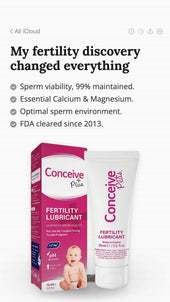
Fertility support is an essential part of conception, whether you are just starting out or have been trying for some time. Conceive Plus Fertility Lubricant is a fertility-friendly lubricant is specifically designed to create an optimal environment for sperm, supporting sperm viability and motility. Formulated to mimic natural fertile fluids, Conceive Plus is your trusted partner in your fertility journey.
🌱 Support Your Fertility Journey
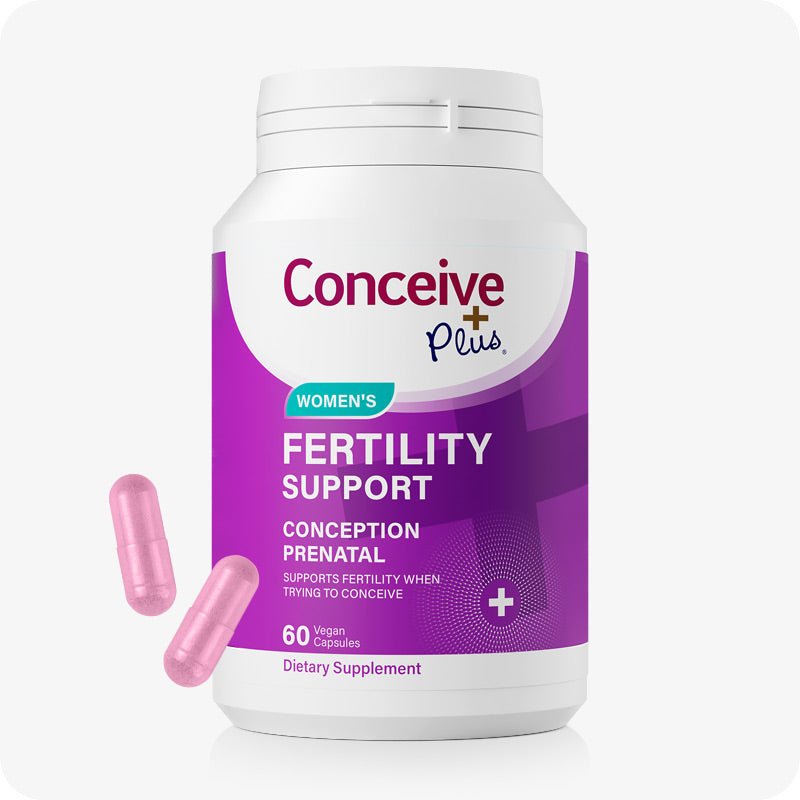
Conceive Plus fertility supplements are clinically formulated to help regulate your cycle and support egg quality.
Shop Fertility Support →Frequently Asked Questions
Recommended by Fertility Experts
Conceive Plus Men's Fertility Support
Designed to support healthy sperm production, motility, and overall male reproductive health with clinically studied nutrients.
Shop Now →How much exercise per week is safe when trying to conceive?
The American Society for Reproductive Medicine (ASRM) recommends aiming for about 150 minutes of moderate-intensity exercise per week, which can be broken down into five 30-minute sessions. However, the ideal amount varies by individual body composition and fitness level, so it's best to consult with your doctor or a fertility specialist to determine what's appropriate for your specific situation.
Can too much exercise reduce fertility and ovulation?
Yes, excessive intense exercise can negatively impact fertility by slowing hormone production and interfering with ovulation. Athletes and those engaging in high-intensity training may need to reduce their exercise intensity when trying to conceive, as the body may prioritize physical stress over reproductive functions.
What is the best BMI range for fertility?
The ideal BMI for optimal fertility is between 18.5 and 24.9, with a body fat percentage between 12% and 30%. Being significantly underweight or overweight can disrupt hormone production and ovulation, making conception more difficult. If you're unsure whether your BMI is in a healthy range, talk to your doctor about personalized recommendations.
Does exercise improve blood flow for reproductive health?
Yes, moderate exercise significantly improves blood flow throughout your body, which is essential for reproductive function and overall fertility. Better circulation helps support your reproductive organs and can enhance your body's ability to conceive and support a healthy pregnancy.
What types of exercise are best for someone trying to conceive?
Low to moderate-intensity exercises like walking, stretching, swimming, yoga, and cycling are ideal when trying to conceive. If you're new to exercise, start with these lighter activities and gradually build up your fitness level rather than jumping into intensive workouts.
How does stress reduction through exercise help with fertility?
Exercise is an excellent stress-reduction tool that helps maintain stable hormone levels, which are crucial for ovulation and conception. Chronic stress can disrupt reproductive hormones and ovulation cycles, so regular physical activity supports both mental health and your body's ability to conceive.
Should I talk to my fertility doctor before starting an exercise program?
Yes, consulting with your doctor or fertility specialist before starting a new exercise routine is highly recommended, especially if you have any underlying health conditions or are undergoing fertility treatment. They can provide personalized guidance based on your BMI, fitness level, and individual fertility needs.
Trusted by Couples in Over 70 Countries
Support Male Fertility From the Inside Out
Male fertility is just as important as female fertility in the conception journey. Conceive Plus Men's range delivers targeted nutritional support to promote healthy sperm and overall reproductive wellbeing.
Shop Men's Range →