How Does Testosterone Increase Sperm Volume and Count in Men?
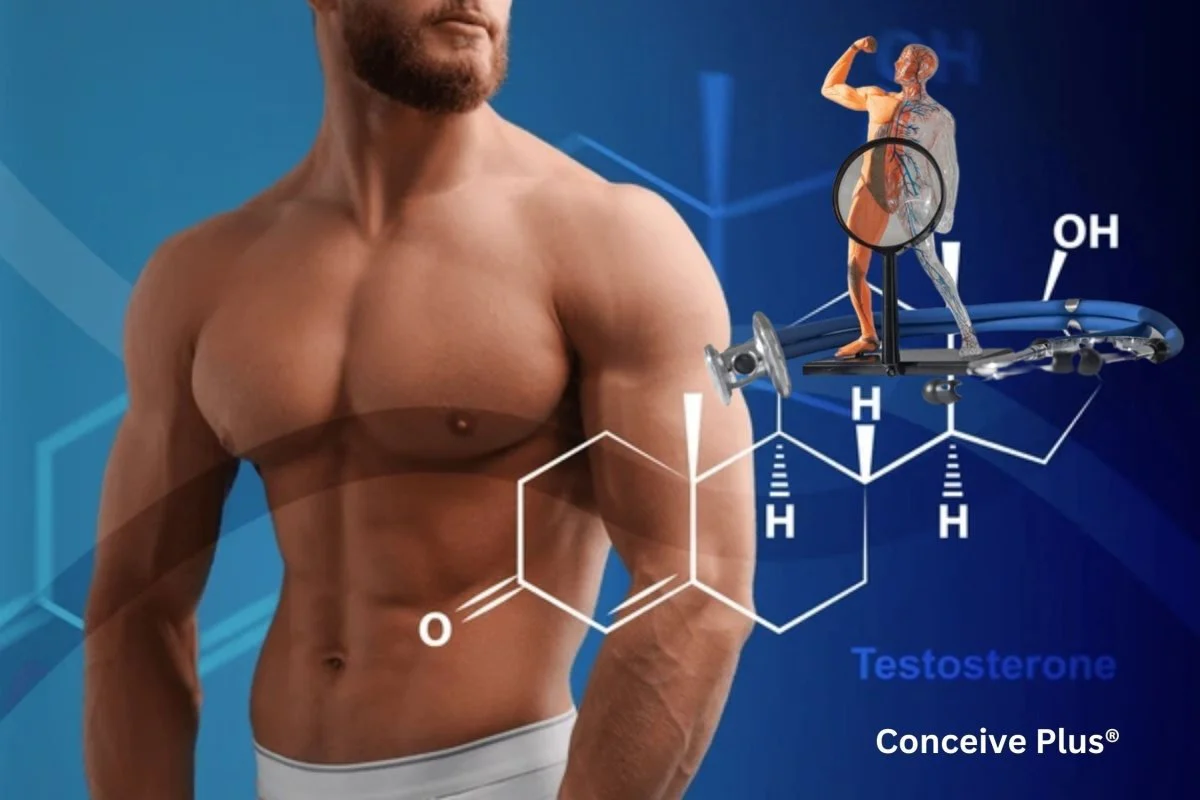

So, you might be asking, does testosterone increase sperm volume? It’s a pretty common question. A lot of people think more testosterone automatically means more sperm. But it’s not that simple. Actually, the relationship between testosterone and sperm production is a bit tricky. In this blog, we’ll try to unpack how testosterone affects both sperm volume and count, and also share some ways to naturally boost your fertility.

How Testosterone Impacts Sperm Production
Testosterone is crucial for sperm production, but here’s the thing—if you’re taking testosterone supplements, it could actually lower your sperm count. Yeah, surprising, right? When you wonder does testosterone increase your sperm count, the answer depends on how that testosterone is produced. Sperm production only happens when testosterone is naturally made in the testicles. The hormones luteinizing hormone (LH) and follicle-stimulating hormone (FSH) tell the testicles to make testosterone, which is key for producing sperm. But when you start taking testosterone supplements, it messes with this process [1].
If you're curious about what lowers sperm count, testosterone supplements are a major factor. Taking extra testosterone makes your body think it doesn’t need to produce any more naturally. So, your brain stops sending signals to the testicles to make more. Less natural testosterone in the testicles means lower sperm production [2]. That’s why boosting testosterone through supplements might actually decrease your sperm count.
Does Testosterone Increase Sperm Volume?
Now, does testosterone increase sperm volume? Well, not in the way you might think. Testosterone is definitely needed for sperm production, but the testosterone in your testicles—not the stuff in your bloodstream—is what makes the difference. If you take testosterone supplements, the amount of testosterone in your testicles drops, which can low sperm volume [3].
But there are ways to boost natural testosterone that support sperm production. For instance, making sure you get enough zinc is important. Zinc plays a key role in sperm development and maintaining a healthy hormone balance. In fact, zinc and magnesium are often recommended to support male fertility [4].

Boosting Fertility Without Testosterone Supplements
If you’ve got low testosterone but still want to boost fertility, there are natural methods to consider. First off, living a healthy lifestyle—regular exercise, balanced diet, and enough sleep—helps a ton [5]. Antioxidants like vitamin C and vitamin E are also really good for protecting sperm cells from damage [6]. Keeping your sperm healthy is key to improving both sperm count and volume.

✨ Support Healthy Sperm
Our Motility Support supplement contains Zinc, CoQ10, and L-Carnitine — clinically studied nutrients for sperm health and motility.
Shop Now — $34.95✓ Free shipping on orders over $40 | ✓ Trusted by millions of couples worldwide
Ingredients like CoQ10, found in many fertility supplements, are known to improve sperm motility and overall sperm quality [7]. And folic acid? It’s vital for DNA production, which is important for both sperm and eggs. Taking the right vitamins and minerals can go a long way in helping your body do its thing naturally, without needing to rely on hormone boosters.
Natural Ways to Improve Sperm Count
Instead of turning to testosterone supplements, there are natural ways to increase sperm count. Amino acids like L-arginine and L-carnitine can really help. L-arginine improves blood flow to the reproductive organs, while L-carnitine boosts sperm motility, which is super important for fertilization [8]. Including these nutrients in your diet can give your sperm the boost they need.
Herbal supplements like maca root and ashwagandha have also shown promise in improving sperm health. Maca root has been used traditionally to improve libido and sperm count, while ashwagandha helps reduce stress, which is a major factor that affects fertility [9]. So, you don’t always have to go for testosterone supplements to see an improvement.

The Bottom Line
So, back to our main question: does testosterone increase sperm volume and does testosterone increase your sperm count? Well, the answer is that testosterone is important, but it has to be produced naturally in the testicles to help with sperm production. Using testosterone supplements can actually lower both sperm volume and count. That’s why it's better to focus on natural ways to boost your fertility, like eating well, staying active, and taking the right vitamins and supplements—zinc, CoQ10, and folic acid are just a few examples that can make a real difference.
When trying to conceive, supporting your body’s natural processes is the way to go. Keeping things balanced and healthy will help improve your chances of success.
FAQs
Can testosterone supplements reduce sperm count?
Yes, testosterone supplements can actually lower sperm count by telling your brain to stop producing the hormones needed for sperm production.
What natural ways can I increase sperm volume?
You can increase sperm volume by eating a healthy diet rich in zinc, magnesium, and antioxidants, along with regular exercise and good sleep.
Are testosterone supplements safe for fertility?
Testosterone supplements can reduce sperm count and are not recommended for men who are trying to conceive. It's better to focus on natural methods to boost testosterone levels.
How long does it take for sperm count to recover after stopping testosterone?
It can take several months, sometimes up to a year, for sperm count to recover after stopping testosterone supplements. Always consult with a doctor before making any changes [10].
Can stress affect sperm count?
Yes, stress can lower sperm count and affect sperm quality. Managing stress through exercise or natural supplements like ashwagandha can help improve fertility.
Citations
- Patel AS, Leong JY, Ramos L, Ramasamy R. Testosterone Is a Contraceptive and Should Not Be Used in Men Who Desire Fertility. World J Mens Health. Available at: https://pubmed.ncbi.nlm.nih.gov/30350483/
- Omisanjo OA, Ikuerowo SO, Abdulsalam MA, Ajenifuja SO, Shittu KA. Use of Exogenous Testosterone for the Treatment of Male Factor Infertility: A Survey of Nigerian Doctors. Int J Reprod Med. Available at: https://www.ncbi.nlm.nih.gov/pmc/articles/PMC5603118/
- El Meliegy A, Motawi A, El Salam MAA. Systematic review of hormone replacement therapy in the infertile man. Arab J Urol. Available at: https://www.ncbi.nlm.nih.gov/pmc/articles/PMC5922183/
- Wong WY, Thomas CM, Merkus JM, Zielhuis GA, Steegers-Theunissen RP. Male factor subfertility: possible causes and the impact of nutritional factors. Fertil Steril. Available at: https://pubmed.ncbi.nlm.nih.gov/10688992/
- Palmer NO, Bakos HW, Fullston T, Lane M. Impact of obesity on male fertility, sperm function and molecular composition. Spermatogenesis. Available at: https://www.ncbi.nlm.nih.gov/pmc/articles/PMC3521747/
- Tremellen K. Oxidative stress and male infertility--a clinical perspective. Hum Reprod Update. Available at: https://pubmed.ncbi.nlm.nih.gov/18281241/
- Salvio G, Cutini M, Ciarloni A, Giovannini L, Perrone M, Balercia G. Coenzyme Q10 and Male Infertility: A Systematic Review. Antioxidants (Basel). Available at: https://www.ncbi.nlm.nih.gov/pmc/articles/PMC8226917/
- Vicari E, Calogero AE. Effects of treatment with carnitines in infertile patients with prostato-vesiculo-epididymitis. Hum Reprod. Available at: https://pubmed.ncbi.nlm.nih.gov/11679516/
- Ahmad MK, Mahdi AA, Shukla KK, Islam N, Rajender S, Madhukar D, Shankhwar SN, Ahmad S. Withania somnifera improves semen quality by regulating reproductive hormone levels and oxidative stress in seminal plasma of infertile males. Fertil Steril. Available at: https://pubmed.ncbi.nlm.nih.gov/19501822/
- Majzoub A, Sabanegh E Jr. Testosterone replacement in the infertile man. Transl Androl Urol. Available at: https://www.ncbi.nlm.nih.gov/pmc/articles/PMC5182223/
🌱 Boost Male Fertility Naturally
Conceive Plus Men's Motility Support is formulated with the nutrients that matter most for sperm quality, count, and motility.
Shop Men's Fertility →Frequently Asked Questions
Recommended by Fertility Experts
Conceive Plus Men's Fertility Support
Designed to support healthy sperm production, motility, and overall male reproductive health with clinically studied nutrients.
Shop Now →Q: Can testosterone increase sperm count?
A: Testosterone is essential for sperm production, but the relationship isn't straightforward. While adequate testosterone levels are necessary for normal spermatogenesis (the process of sperm formation), excessively high levels—whether from supplementation or other sources—can actually suppress sperm production. The American Society for Reproductive Medicine (ASRM) notes that optimal testosterone levels typically fall between 300-1000 ng/dL for fertility. Men with naturally low testosterone may see improvements in sperm count through targeted treatment under medical supervision, but synthetic testosterone supplementation often has the opposite effect by signaling the body to reduce its own testosterone production.
Q: Does exogenous testosterone increase or decrease semen volume?
A: Exogenous testosterone (synthetic testosterone from external sources) typically decreases semen volume and sperm count rather than increasing it. When you introduce external testosterone, your body's natural feedback system suppresses the production of luteinizing hormone (LH) and follicle-stimulating hormone (FSH)—both critical for sperm production. Studies show that men using testosterone replacement therapy often experience reduced ejaculate volume and lower sperm counts, sometimes resulting in temporary or permanent infertility. If you're concerned about low testosterone affecting fertility, consulting a reproductive endocrinologist is important to explore alternatives like clomiphene citrate that maintain fertility while treating low testosterone.
Q: Can taking testosterone make you infertile?
A: Yes, taking testosterone supplementation can negatively impact fertility and potentially cause temporary or permanent infertility in some men. Exogenous testosterone suppresses the hypothalamic-pituitary-testicular (HPT) axis, leading to decreased sperm production, lower sperm motility, and reduced semen volume—sometimes to azoospermia (zero sperm count). The FDA warns that testosterone products carry risks including decreased sperm production, and fertility may take months to recover after stopping supplementation. If you're taking testosterone and planning to conceive, speak with a fertility specialist about safe alternatives. Supporting your natural testosterone production through proper nutrition, sleep, and supplements like those in the Conceive Plus men's line may help optimize fertility without suppressing sperm production.
Q: Do you produce more sperm with higher testosterone?
A: Sperm production requires testosterone, but more testosterone doesn't automatically mean more sperm—there's an optimal range. The testicles need consistent, moderate testosterone levels to maintain healthy spermatogenesis; extremely high levels actually inhibit the process. Research indicates that testosterone levels above the normal range (which peaks around age 30 and gradually declines) don't correlate with increased sperm production and may reduce it instead. Men with clinically low testosterone (hypogonadism) diagnosed through blood tests may benefit from medically supervised treatment, but for men with normal levels, focusing on overall reproductive health through proper nutrition, exercise, stress management, and male fertility supplements is a better approach to optimize sperm count and volume.
Q: Does high semen volume indicate high testosterone levels?
A: High semen volume does not reliably indicate high testosterone levels, as semen production is influenced by multiple factors beyond testosterone alone. While testosterone is necessary for sperm and seminal fluid production, semen volume is also affected by hydration status, sexual frequency, prostate health, and overall reproductive system function. According to the WHO, normal semen volume ranges from 1.5-7.6 mL, but this doesn't correlate directly with testosterone levels—men with normal testosterone can have low or high volume, and vice versa. If you're concerned about low semen volume or sperm count, comprehensive semen analysis and testosterone blood testing (ordered by a fertility specialist) provide the actual data needed for diagnosis. Maintaining overall reproductive health through proper hydration, balanced nutrition, and targeted supplementation with products like Conceive Plus can support healthy semen parameters regardless of testosterone levels.
Trusted by Couples in Over 70 Countries
Support Male Fertility From the Inside Out
Male fertility is just as important as female fertility in the conception journey. Conceive Plus Men's range delivers targeted nutritional support to promote healthy sperm and overall reproductive wellbeing.
Shop Men's Range →