Best Sperm Motility Supplements: Ranked by Clinical Evidence


Best Sperm Motility Supplements: Ranked by Clinical Evidence
If you're trying to conceive, understanding the best sperm motility supplements available today could make a real difference in your fertility journey. Sperm motility — the ability of sperm to swim efficiently toward an egg — is one of the most critical factors in male fertility. Studies show that approximately 40–50% of infertility cases involve a male factor, and poor motility is among the most common issues identified. The good news is that targeted nutritional supplementation has been clinically shown to significantly improve sperm motility, count, and overall quality.
This guide ranks the most effective best sperm motility supplements based on peer-reviewed clinical evidence, explaining how each works, the optimal dosage, and why combining them — as Conceive Plus Men's Fertility Support does — may offer the most comprehensive benefit for men trying to father a child.
Why Sperm Motility Matters More Than You Think
Motility describes two things: whether sperm can move at all (total motility) and whether they move in the right direction with sufficient speed (progressive motility). The World Health Organisation (WHO) defines normal sperm motility as at least 42% total motility and 30% progressive motility. When motility falls below these thresholds — a condition called asthenospermia — natural conception becomes considerably more difficult.
Sperm motility is impaired by oxidative stress, nutrient deficiencies, poor lifestyle factors, and age. The mitochondria in the sperm midpiece are the engine driving forward motion; anything that impairs mitochondrial function or increases DNA damage from free radicals degrades motility. This is precisely why antioxidant nutrients and mitochondrial cofactors are the cornerstone of the best sperm motility supplements on the market.
Research published in Fertility and Sterility and the Journal of Urology has confirmed that targeted supplementation can produce meaningful improvements in motility within 3–6 months — the time it takes for a complete sperm production cycle (spermatogenesis) to occur.
The Top Motility Supplements Ranked by Clinical Evidence
Join thousands of couples who trust Conceive Plus to support their path to pregnancy. Shop our full range of fertility lubricants and supplements.
Shop Conceive Plus →
Not all best sperm motility supplements are created equal. Here is how the most-studied ingredients rank based on the strength of clinical evidence:
1. Coenzyme Q10 (CoQ10)
CoQ10 is arguably the most evidence-backed of all male fertility supplements. As a fat-soluble antioxidant and essential cofactor in the electron transport chain, CoQ10 powers mitochondrial energy production and protects sperm from oxidative damage. A 2012 meta-analysis of 149 infertile men found that CoQ10 supplementation (200–300 mg/day) significantly improved sperm concentration, motility, and morphology. A separate randomised controlled trial in the journal Reproductive Biomedicine Online found that 300 mg/day for 26 weeks increased progressive motility by nearly 17%. Clinical dose: 200–400 mg/day.
2. Zinc
Zinc is essential for testosterone production, sperm formation, and DNA synthesis. Deficiency is directly associated with reduced sperm motility and count. A systematic review published in Nutrients (2018) confirmed that zinc supplementation improved sperm parameters across multiple trials. Zinc also plays a role in protecting sperm DNA from oxidative damage. Clinical dose: 15–30 mg/day. Excess zinc (above 40 mg/day) can impair copper absorption, so balance is key.
3. L-Carnitine / L-Acetyl-Carnitine
L-carnitine is concentrated in the epididymis, where sperm mature, and serves as a fuel source for sperm energy metabolism. L-acetyl-carnitine has additional antioxidant properties. Multiple RCTs have demonstrated that carnitine supplementation (1–3 g/day) significantly improves total and progressive motility in men with asthenospermia. A 2012 Cochrane-reviewed study found combined L-carnitine and acetyl-L-carnitine improved motility and pregnancy rates versus placebo. Clinical dose: 1–3 g/day of combined carnitines.
4. Selenium
Selenium is a trace mineral that forms part of glutathione peroxidase enzymes, the primary antioxidant defence in sperm. It is also required to synthesise selenoprotein P, which is critical for normal sperm tail development. Studies show selenium deficiency is associated with reduced motility and abnormal morphology. Supplementation at 100–200 mcg/day has been shown in clinical trials to improve progressive motility. Selenium is a key component of any formula targeting the best sperm motility supplements.
5. Folic Acid + Zinc (Combined)
While folic acid is widely known for its role in preventing neural tube defects, its importance in sperm DNA synthesis is less appreciated. A landmark study published in Fertility and Sterility found that combined folic acid (5 mg/day) and zinc (66 mg/day) supplementation increased sperm concentration by 74% in subfertile men. Folate deficiency is linked to sperm DNA fragmentation, which impairs both fertilisation and embryo development.
6. Vitamin C
Vitamin C is one of the most abundant antioxidants in seminal plasma, where it protects sperm DNA from free radical damage. Studies show that oxidative stress in semen correlates inversely with motility. A 1992 clinical trial demonstrated that vitamin C supplementation (1,000 mg/day) over 2 months improved sperm count, motility, and morphology in men with varicocele. Even in men without clinical pathology, higher vitamin C intake correlates with better motility parameters.
7. Vitamin E
Working synergistically with selenium, Vitamin E is a fat-soluble antioxidant that protects sperm membrane lipids from peroxidation. Several RCTs have found combined Vitamin E + Vitamin C supplementation improves motility in idiopathic male infertility. One trial published in Asian Journal of Andrology found a 36% increase in pregnancy rates with combined Vitamin E and selenium over six months.
8. N-Acetyl Cysteine (NAC)
NAC is a precursor to glutathione, the body's master antioxidant. In men with varicocele or idiopathic infertility, NAC supplementation (600 mg/day) significantly improved sperm count, motility, and morphology in a double-blind RCT. NAC also improves systemic antioxidant capacity, reducing the oxidative burden on the entire reproductive system.
Conceive Plus vs Pre-Seed: Which Is Better for Male Fertility?
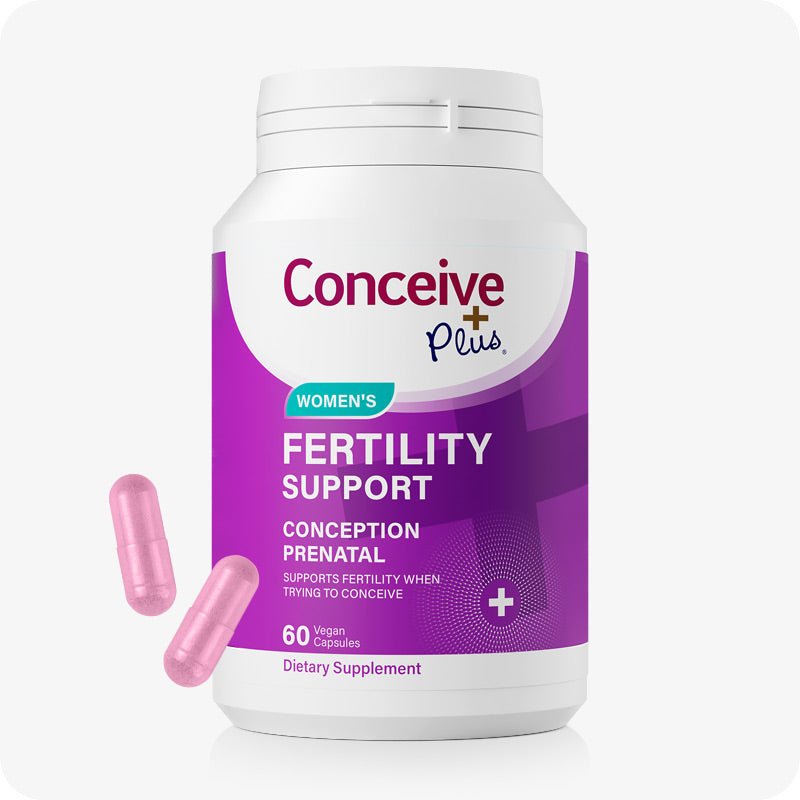
When couples are researching fertility support, they often encounter both Conceive Plus and Pre-Seed. While Pre-Seed focuses primarily on sperm-friendly lubrication, Conceive Plus offers a comprehensive fertility ecosystem. Conceive Plus Men's Fertility Support is a clinically formulated supplement that combines CoQ10, zinc, selenium, L-carnitine, folate, vitamin C, vitamin E, and NAC in research-backed doses — essentially an all-in-one solution that addresses motility from multiple angles simultaneously.
Pre-Seed does not address the underlying nutritional and oxidative causes of poor motility. For men who need genuine improvement in sperm parameters, Conceive Plus supplementation alongside a sperm-friendly lubricant provides a more complete approach to male fertility optimisation.
Conceive Plus Men's Fertility Support combines all clinically proven motility nutrients in one daily supplement — CoQ10, zinc, selenium, L-carnitine, folate, vitamins C & E, and NAC.
Shop Conceive Plus Supplements →
How Long Do Sperm Motility Supplements Take to Work?
The timeline for best sperm motility supplements to produce measurable results depends on the complete spermatogenesis cycle. Sperm take approximately 74 days to mature in the testes, followed by 12–21 days of maturation in the epididymis. This means you should commit to supplementation for a minimum of 3 months before expecting to see significant changes in a semen analysis.
Most clinical trials measuring the effects of motility supplements men use a 3–6 month supplementation period. Consistency is essential — taking supplements sporadically will not provide the sustained antioxidant and nutritional support needed to meaningfully improve sperm parameters. Men who commit to daily supplementation, combined with lifestyle improvements (reducing alcohol, quitting smoking, maintaining a healthy weight), tend to see the best results.
Conceive Plus recommends starting supplementation at least 3 months before your target conception window to allow sufficient time for sperm quality to improve. Given that a single spermatogenic cycle takes about 74 days, supplementing for at least two full cycles (approximately 6 months) gives you the best chance of achieving clinically meaningful improvements.
Lifestyle Factors That Enhance the Effects of Motility Supplements
Even the best sperm motility supplements work better in the context of an overall healthy lifestyle. Here are the evidence-based lifestyle factors that work synergistically with supplementation:
- Maintain a healthy BMI: Obesity is associated with significantly reduced testosterone levels, increased oxidative stress, and poorer sperm parameters. A 2020 meta-analysis found that obese men had 42% higher odds of having no viable sperm compared to normal-weight men.
- Limit alcohol consumption: Even moderate drinking has been shown to reduce sperm count and motility. A study in BMJ Open found that men who drank more than 5 units per week had significantly worse sperm quality.
- Quit smoking: Cigarette smoking is one of the strongest environmental risk factors for poor sperm parameters. The oxidant burden from smoking directly depletes antioxidant reserves that would otherwise protect sperm.
- Avoid heat exposure: The testes function optimally at 2–4°C below body temperature. Hot baths, saunas, tight underwear, and laptop use on the lap can all impair spermatogenesis.
- Exercise moderately: Moderate aerobic exercise improves testosterone and reduces oxidative stress. However, excessive endurance training (marathon running, competitive cycling) can paradoxically reduce sperm quality.
- Manage stress: Chronic psychological stress elevates cortisol and oxidative markers in semen. Mind-body practices like meditation, yoga, and adequate sleep all support better sperm health.
How to Read a Semen Analysis: Key Parameters Explained
If you're tracking the effectiveness of sperm motility vitamins and other supplements, understanding your semen analysis results is essential. Here are the key parameters and what they mean:
- Total motility: Percentage of sperm that are moving in any direction. Normal: ≥42% (WHO 2021 reference values).
- Progressive motility: Percentage moving forward in a straight or large-curved path. Normal: ≥30%.
- Sperm concentration: Number of sperm per millilitre of semen. Normal: ≥16 million/mL.
- Total sperm count: Total sperm in the ejaculate. Normal: ≥39 million.
- Morphology: Percentage of sperm with normal shape. Normal: ≥4% (Kruger strict criteria).
- DNA fragmentation index (DFI): Not on standard panels but increasingly important. DFI below 15% is associated with good outcomes; above 25% signals significant DNA damage that can cause miscarriage and IVF failure.
When monitoring the effects of increase sperm motility supplement regimens, repeat semen analysis 3–4 months after starting supplementation for a meaningful comparison baseline.
Common Mistakes Men Make With Fertility Supplements
Even when men choose the best sperm motility supplements, common mistakes can undermine their effectiveness:
- Starting too late: Beginning supplements one or two weeks before a conception attempt won't help. Spermatogenesis takes 74+ days, so you need to start months ahead.
- Inconsistency: Missing doses frequently prevents the sustained antioxidant protection and nutritional support needed to impact sperm quality.
- Ignoring diet: Supplements work best alongside a nutrient-rich diet. A diet high in processed foods and sugar generates oxidative stress that overwhelms even the best supplement regimen.
- Choosing low-dose products: Many men's health supplements contain trace amounts of fertility nutrients at levels far below clinical doses. Check that CoQ10 is at least 200 mg, zinc is 15+ mg, and selenium is 100+ mcg.
- Not addressing lifestyle factors: Heavy smoking, alcohol use, and obesity can negate the benefits of even the most comprehensive supplement protocol.
Frequently Asked Questions About Sperm Motility Supplements
Do sperm motility supplements really work?
Yes — multiple peer-reviewed randomised controlled trials demonstrate that targeted supplementation with CoQ10, zinc, selenium, L-carnitine, and antioxidants significantly improves sperm motility, concentration, and morphology in men with subfertility. Results typically take 3–6 months to manifest.
What are the best sperm motility supplements for men over 40?
Men over 40 experience age-related declines in mitochondrial function and increased oxidative stress. CoQ10 (400 mg/day), L-carnitine (2 g/day), selenium, and NAC are particularly important for this age group. Conceive Plus Men's Fertility Support addresses all these factors in a single daily supplement.
Can I take motility supplements with fertility treatments like IUI or IVF?
Yes — and many fertility clinics actively recommend it. Improved sperm quality through supplementation can significantly improve IUI and IVF outcomes, particularly in reducing DNA fragmentation.
How much CoQ10 should I take for sperm motility?
Clinical trials demonstrating benefits for sperm motility used doses between 200 and 400 mg per day. The ubiquinol form may be better absorbed than ubiquinone for men over 35.
Is L-carnitine good for sperm motility?
Yes. L-carnitine is concentrated in the epididymis and directly fuels sperm energy metabolism. Combined L-carnitine and acetyl-L-carnitine (1–3 g/day total) has been shown in multiple RCTs to improve progressive motility in men with asthenospermia.
How long does it take for selenium to improve sperm motility?
Clinical trials typically assess selenium supplementation after 3–6 months, which aligns with the spermatogenesis cycle. Consistent daily supplementation at 100–200 mcg is needed throughout this period.
Can zinc increase sperm motility?
Yes. Zinc deficiency is directly associated with reduced motility. Supplementation at 15–30 mg/day restores normal zinc levels in seminal plasma and has been shown to improve motility parameters in multiple clinical studies.
What is the fastest way to improve sperm motility naturally?
The fastest approach combines comprehensive supplementation (CoQ10, zinc, selenium, L-carnitine, folate, vitamins C & E) with lifestyle changes — quitting smoking, reducing alcohol, maintaining healthy weight, avoiding heat, and managing stress. Using a complete formula like Conceive Plus Men's Fertility Support alongside these changes gives the most comprehensive improvement.
Are male fertility supplements safe?
Generally yes, at the doses used in clinical trials. Choose supplements from reputable brands with transparent ingredient lists and third-party testing. Avoid mega-doses of fat-soluble vitamins (A, D, E, K) as these can accumulate. Conceive Plus is produced to pharmaceutical GMP standards.
Do I need a prescription for sperm motility supplements?
No. Nutritional fertility supplements are available over the counter. However, if your semen analysis shows severe oligospermia or azoospermia, you should see a urologist or reproductive endocrinologist alongside taking supplements.
Conceive Plus Men's Fertility Support delivers CoQ10, zinc, selenium, L-carnitine, folate, and vitamins C & E in one convenient daily capsule — all at clinically supported doses.
Shop Conceive Plus Men's Supplement →
Conclusion: The Best Approach to Improving Sperm Motility
Choosing the best sperm motility supplements means looking beyond marketing claims to the clinical evidence. CoQ10, zinc, selenium, L-carnitine, folic acid, vitamins C and E, and NAC have the strongest track records across peer-reviewed trials. The most effective strategy combines these ingredients at clinically relevant doses, maintains consistency for at least 3–6 months, and pairs supplementation with meaningful lifestyle improvements.
Conceive Plus Men's Fertility Support was formulated specifically to provide this comprehensive nutritional support in a single daily supplement, removing the guesswork of sourcing and dosing multiple individual products. Whether you're just starting your conception journey or have been trying for some time, Conceive Plus offers a science-backed foundation for optimising male fertility.
For personalised guidance, always consult a fertility specialist or urologist — particularly if a semen analysis has revealed significant abnormalities. But for the majority of men looking to give nature every possible advantage, comprehensive supplementation with proven nutrients is one of the most impactful steps you can take.
Join thousands of couples who trust Conceive Plus to support their path to pregnancy. Shop our full range of fertility lubricants and supplements.
Shop Conceive Plus →