Zinc for Male Fertility in 2026: A Comprehensive Guide to Science, Dosage, and Synergy


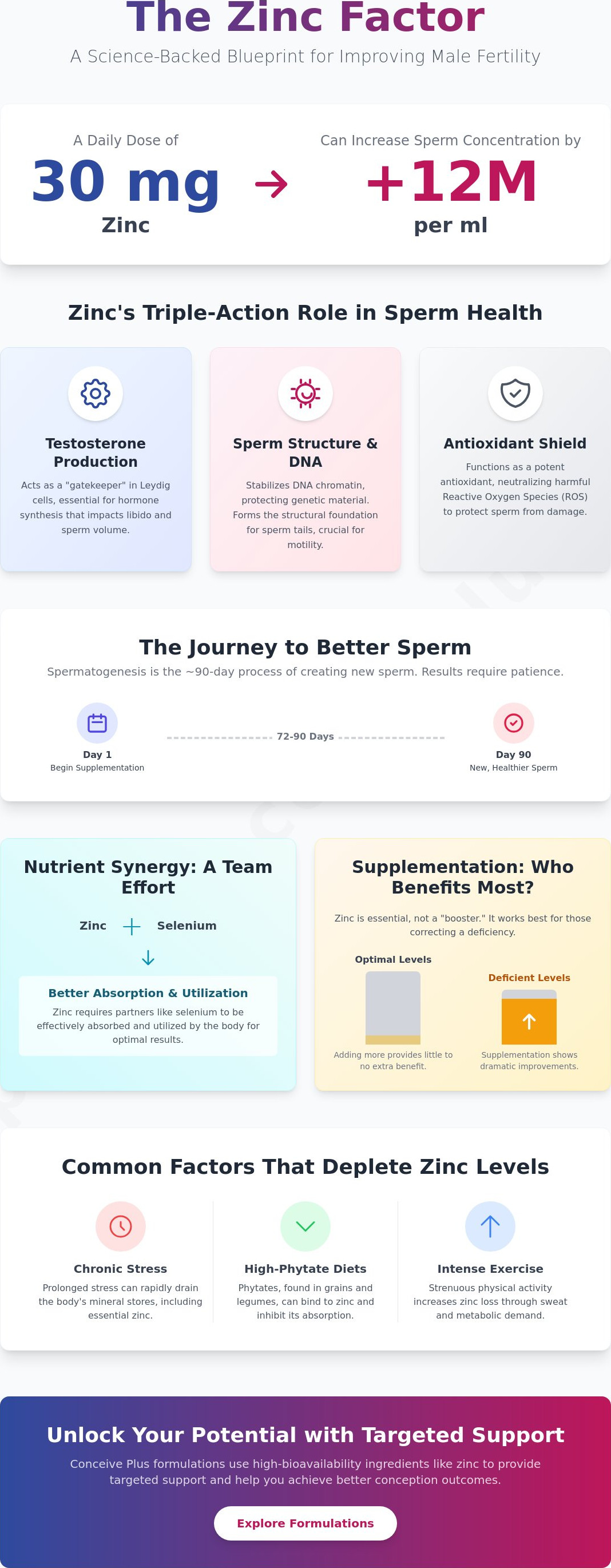
Did you know that a daily 30 mg dose of zinc can increase sperm concentration by an average of 12 million/ml? It's completely normal to feel overwhelmed by conflicting studies or anxious about whether your efforts will actually improve your sperm health. Finding the right balance of zinc for male fertility shouldn't feel like guesswork, especially when you're focused on the vital goal of conception.
This guide clears the confusion by providing a science-backed roadmap to optimize your intake for better outcomes. You'll discover how zinc acts as a biological architect for sperm, why the 90-day production cycle is critical for seeing results, and how to select high-quality formulations that prioritize bioavailability. We'll also break down the synergy between zinc and co-factors like selenium to help you achieve the best possible results on your next fertility test.
Key Takeaways
- Learn how zinc acts as a biological "gatekeeper" for testosterone production and supports hundreds of enzymatic reactions essential for sperm health.
- Understand the latest clinical research on zinc for male fertility and why supplementing a deficiency differs from general antioxidant use.
- Discover the importance of nutrient synergy and why zinc requires specific partners like selenium to be effectively absorbed and utilized.
- Identify the safe therapeutic dosage range for improving sperm parameters while avoiding the risks of copper depletion and immune suppression.
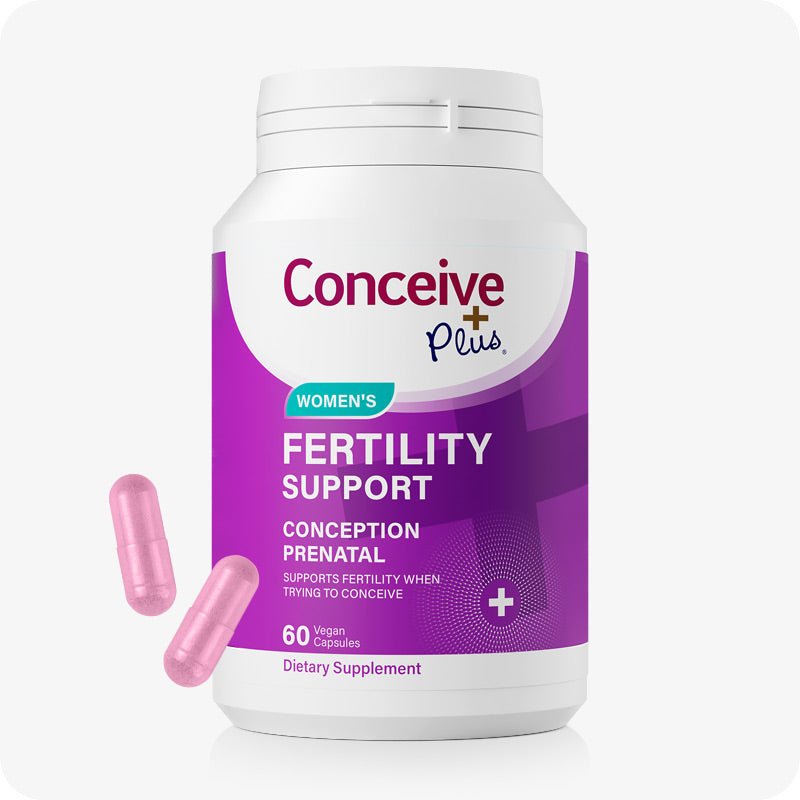
- Explore how balanced formulations, such as those from Conceive Plus, use high-bioavailability ingredients to support better conception outcomes.
Understanding the Biological Role of Zinc in Male Fertility
Zinc isn't just another mineral on a supplement shelf; it's a fundamental requirement for male reproductive health. It functions as an essential trace mineral involved in over 300 enzymatic reactions throughout the body. For men, its most critical work happens within the testes and prostate. Zinc acts as a vital "gatekeeper" for testosterone production within the Leydig cells. These cells are the primary sites of hormone synthesis. Without adequate zinc, testosterone levels can drop, which directly impacts libido and the overall volume of sperm production.
To better understand how specific nutrients support your reproductive health, watch this helpful video:
One of the most overlooked aspects of zinc for male fertility is its incredibly high concentration in the prostate gland and seminal fluid. Zinc levels in the prostate are significantly higher than in any other human organ. This isn't a biological coincidence. Zinc plays a vital role of zinc in semen by stabilizing the DNA-containing chromatin inside the sperm cells. This stabilization ensures that the genetic material remains tightly packed and protected during its journey. By preventing DNA fragmentation, zinc helps reduce the risk of early pregnancy loss and improves overall conception outcomes.
Zinc and Spermatogenesis: Building Better Sperm
Zinc is the primary engine behind spermatogenesis, the complex 72 to 90 day process of creating new sperm. It facilitates the rapid division and maturation of germ cells into fully functional sperm. Beyond just increasing the count, zinc is essential for the physical construction of the sperm tail. A well-developed tail is the key to strong motility, which allows sperm to swim effectively toward the egg. Zinc acts as the structural foundation for sperm morphology, ensuring the physical integrity of every cell produced.
The Antioxidant Shield: Protecting Sperm from Oxidative Stress
Sperm cells are uniquely sensitive to oxidative stress caused by Reactive Oxygen Species (ROS). These unstable molecules can damage sperm membranes and lead to cell death. Zinc functions as a potent antioxidant within the male reproductive tract, neutralizing these threats before they can cause permanent harm. When a man lacks sufficient zinc, his sperm become vulnerable to environmental toxins, heat, and systemic inflammation. Maintaining optimal levels creates a chemical shield that preserves sperm viability and protects the delicate genetic cargo from oxidative damage.
Does Zinc Actually Improve Conception Rates? Analyzing the Research
Research on zinc for male fertility often feels like a tug-of-war between glowing testimonials and skeptical clinical trials. To understand the truth, we have to look at the 2020 FAITH trial, often called the "Utah Study." This NIH study on zinc and folic acid concluded that this specific combination didn't significantly improve live birth rates or sperm quality in a broad group of men. While these results might seem discouraging at first glance, they don't tell the whole story. The study focused on a general population that included many men who already had healthy zinc levels.
Science shows that zinc is a fundamental requirement for basic reproductive function, not a "booster" that works better the more you take. If a man's levels are already optimal, adding more zinc won't provide a "supercharge" effect. However, for the nearly 50% of infertility cases where male factor issues are involved, deficiency is a common hidden culprit. Zinc is a requirement, not a cure-all. It provides the raw materials your body needs to function, but it can't override other major physiological or genetic barriers to conception.
Why Baseline Levels Matter for Supplement Success
Your starting point determines your finish line. Men with the lowest baseline zinc levels typically see the most dramatic improvements in sperm concentration and motility after supplementation. Modern lifestyles often deplete these reserves faster than we realize. Chronic stress, high-phytate diets, and intense physical exercise all drain zinc stores rapidly. If you're struggling to conceive, it's wise to request a blood test or a comprehensive semen analysis to identify if you're starting from a deficit before jumping into high-dose protocols.
The Problem with Isolated Nutrient Studies
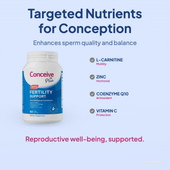
One of the biggest takeaways from 2025 research is that human biology doesn't operate in a vacuum. Isolated nutrient studies often fail because they ignore "nutrient synergy." Zinc works best when it's part of a team, paired with co-factors like selenium and L-carnitine to fight oxidative stress. Modern research is shifting away from single-ingredient fixes toward broad-spectrum support. You can explore how these ingredients work together in our guide on Best Male Fertility Supplements 2026: The Role of Zinc and Beyond.
Zinc isn't a magic pill, but it's a non-negotiable building block for your reproductive system. If your body lacks the basic materials to build healthy sperm, other interventions may struggle to bridge the gap. For those looking for a balanced approach, exploring clinically formulated fertility supports can help ensure you're getting the right mix of nutrients without over-supplementing any single mineral.
The Male Fertility Roundup: Essential Zinc Co-Factors
Nutrients don't act in isolation within the human body. The concept of "Nutrient Synergy" is the cornerstone of modern reproductive science. While we've established the structural importance of zinc for male fertility, its effectiveness hinges on the presence of specific co-factors. These partners ensure that zinc is absorbed, transported, and utilized at the cellular level. Without them, even high doses of zinc might fail to reach the testes in a usable form. To maximize your results, you need a biological team working in harmony.
A comprehensive scientific review titled The Role of Zinc in Male Fertility highlights how this mineral interacts with other vital antioxidants. When combined with Selenium, Vitamin C, Vitamin E, and L-Arginine, zinc forms a robust defense system. This "fertility roundup" works collectively to lower the DNA fragmentation index (DFI). High fragmentation is a leading cause of fertilization failure and early pregnancy loss. By stabilizing the sperm head and protecting the tail, these nutrients ensure the strongest, most viable sperm reach their destination. Using zinc for male fertility is most effective when the body has the full spectrum of support needed for cell repair and protection.
Zinc and Selenium: The Power Couple for Motility
Selenium is the most critical partner for zinc. It complements zinc by strengthening the sperm membrane and supporting healthy testosterone metabolism. This pairing is particularly vital for men dealing with "lazy" sperm or low motility. Data from a 2025 randomized controlled trial showed that daily supplementation with 200 µg of selenium for three months improved sperm morphology by 15%. The same study found that this combination significantly decreased the DNA fragmentation index from 28% to 16%. When these two minerals work in tandem, they provide the structural support necessary for sperm to navigate the female reproductive tract successfully.
Antioxidant Synergy: Vitamin C and E
Oxidative stress is the primary enemy of sperm viability. Vitamins C and E act as a secondary shield, recycling each other to maintain a low-ROS (Reactive Oxygen Species) environment. Zinc is far more effective when the overall oxidative load on the body is reduced. Vitamin E protects the cell membrane from lipid peroxidation, while Vitamin C works in the surrounding fluid to neutralize free radicals. To find the best natural sources for these nutrients, check out our guide on Top Foods to Increase Sperm Count: A Science-Backed Guide for 2026. Combining a nutrient-rich diet with targeted supplementation ensures that zinc has the environmental support it needs to thrive.
How to Optimize Your Zinc Intake: Dosage, Food, and Timing
Finding the right amount of zinc for male fertility involves a delicate balance between meeting basic biological needs and providing therapeutic support. While the general Recommended Dietary Allowance (RDA) for adult men is 11 mg per day, fertility specialists in 2026 often recommend a higher therapeutic dose of 25 to 30 mg. This increased amount is particularly beneficial for men who show signs of deficiency or sub-optimal sperm parameters. However, you shouldn't just grab the highest dose available. Taking more than necessary doesn't always lead to better results and can sometimes cause more harm than good.
Step-by-Step Zinc Optimization Protocol
Optimizing your levels starts with a "food-first" mindset. Incorporating zinc-dense foods into your daily routine provides a natural foundation for reproductive health. Oysters are the undisputed champions, containing more zinc per serving than any other food. Red meat, poultry, and pumpkin seeds also serve as excellent sources. If you choose to supplement, the form of zinc you pick matters. Research indicates that zinc gluconate and zinc picolinate offer 30% to 40% higher bioavailability compared to zinc sulfate. This means your body can actually use more of the mineral you're consuming.
Timing is just as important as the dose itself. To maximize absorption, follow these three steps:
- Avoid Calcium and Coffee: High-calcium meals and the phytates found in coffee or whole grains can inhibit zinc absorption. Try to take your supplement at least two hours away from these items.
- Empty Stomach vs. Food: Zinc is best absorbed on an empty stomach. If this causes nausea, take it with a light, low-calcium meal to settle your stomach.
- Consistency is Key: Since the sperm production cycle takes about 90 days, you'll need to maintain your protocol for at least three months to see measurable effects.
Safety and Side Effects: Avoiding the "Zinc Trap"
It's easy to fall into the "more is better" trap, but excessive intake can be counterproductive. The tolerable upper intake level for adults is 40 mg per day. Exceeding this limit for long periods can lead to copper deficiency. Because zinc and copper compete for the same absorption pathways, too much zinc can starve your body of copper. This imbalance ironically harms your fertility and immune system. Watch for warning signs like a persistent metallic taste, nausea, or catching colds more frequently than usual.
If you're unsure about your specific needs, it's always best to consult a professional. You can also explore clinically formulated male fertility supplements that provide a balanced, pre-measured dose of zinc alongside essential co-factors to ensure safety and efficacy.
Targeted Support: Why Conceive Plus Formulations Prioritize Zinc
Most men approach reproductive health by searching for a single magic pill. They often start with a generic bottle of zinc, hoping it will be the missing piece of the puzzle. However, as we've explored, the body doesn't process nutrients in isolation. The philosophy behind Conceive Plus male fertility supplements is rooted in the concept of a "prenatal for men." This approach recognizes that sperm health requires a complex foundation of minerals, vitamins, and amino acids working in perfect harmony. We prioritize zinc for male fertility as the central pillar of our formulas, but we surround it with the co-factors necessary for it to actually do its job.
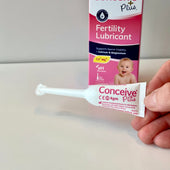
Our capsules are designed to eliminate the anxiety of "over-supplementing" or creating a mineral imbalance. By providing a balanced blend of zinc alongside selenium, L-arginine, and antioxidants, we ensure that you're supporting every stage of the 90-day spermatogenesis cycle. It's not just about the numbers on a lab report; it's about giving your body the high-quality raw materials it needs to produce resilient, high-motility sperm. While internal health is the priority, we also encourage couples to consider the external environment. Using a fertility friendly lubricant during your most fertile window can help protect the sperm you've worked so hard to optimize, ensuring they have the best possible chance of reaching the egg.
The Advantage of Broad-Spectrum Fertility Support
The 2026 market is flooded with high-dose zinc supplements that ignore the "zinc trap" of copper depletion. Our formulations are different. We include specific co-factors like selenium and Vitamin E to create a synergistic effect that lowers DNA fragmentation more effectively than zinc alone. Our products are designed specifically for the needs of TTC couples, focusing on purity and bioavailability. You don't have to take our word for it; you can see the real-world impact by reading Conceive Plus reviews from men who have successfully improved their sperm parameters using our targeted support.
Integrating Supplements into Your TTC Routine
Success in fertility is often a matter of consistency and timing. Because sperm take nearly three months to mature, your daily routine today dictates your results three months from now. We recommend using the Conceive Plus tracking tools to coordinate your supplement intake and monitor your fertile windows with your partner. This collaborative approach reduces the stress of the journey and keeps both partners focused on the goal. Take the guesswork out of your fertility journey and give your body the comprehensive support it deserves with our expert-formulated bundles.
Take Control of Your Fertility Journey Today
Optimizing your reproductive health is a marathon, not a sprint. By understanding the critical role of zinc for male fertility, you've already taken a significant step toward improving your conception outcomes. Success isn't just about taking a single mineral; it's about respecting the 90-day sperm production cycle and ensuring your body has the right blend of co-factors like selenium and antioxidants to protect your genetic cargo. This balanced approach ensures your sperm has the structural integrity and motility needed for successful fertilization.
Avoid the "zinc trap" of over-supplementation by choosing formulations that prioritize balance and high bioavailability. You don't have to navigate these complex nutritional needs alone. Conceive Plus is trusted by millions of couples in over 70 countries and is clinically formulated with essential ions to support your path to parenthood. With positive reviews from thousands of families, our targeted support helps you build a stronger foundation for the future. Shop Conceive Plus Male Fertility Support Capsules and start your 90-day transformation today. You have the tools and the science on your side; it's time to put them into action.
Frequently Asked Questions
How long does it take for zinc to improve sperm quality?
It takes approximately 72 to 90 days for zinc to show measurable improvements in sperm quality. This timeline matches the full cycle of spermatogenesis, the process where germ cells mature into functional sperm. You won't see immediate changes because the sperm being ejaculated today were formed nearly three months ago. Consistency is vital; if you stop your regimen early, you might miss the window where the nutrient-enriched cells finally reach maturity.
Can too much zinc cause infertility in men?
Excessive zinc intake can indirectly harm fertility by creating a copper deficiency. The tolerable upper intake level for adults is 40 mg per day. When you exceed this limit for long periods, zinc competes with copper for absorption, which can lead to neurological issues and impaired immune function. Maintaining a balanced ratio is essential, as disrupting your mineral levels can lead to systemic inflammation that negatively impacts reproductive health.
What is the best form of zinc for male fertility?
Zinc picolinate and zinc gluconate are considered the best forms for reproductive support due to their high bioavailability. Research indicates these forms have a 30% to 40% higher absorption rate compared to zinc sulfate. Choosing a highly absorbable form ensures that more of the mineral actually reaches the testes and prostate gland where it's needed most. Avoid cheaper, inorganic forms that are often harder on the stomach and less effective during your TTC journey.
Should I take zinc and folic acid together for sperm health?
While zinc and folic acid are often paired, large-scale trials like the 2020 FAITH study suggest this specific combination doesn't significantly increase pregnancy rates for all men. Using zinc for male fertility is more effective when it's part of a broader antioxidant blend including selenium and L-carnitine. These additional co-factors help protect sperm from oxidative stress more effectively than folic acid alone, especially for men with existing deficiencies.
Can zinc increase testosterone levels in men?
Zinc can help increase testosterone levels, but primarily in men who are already deficient in the mineral. It acts as a biological "gatekeeper" for testosterone production within the Leydig cells of the testes. If your baseline levels are already optimal, taking extra zinc won't necessarily boost your testosterone further. However, for those with low levels due to stress, intense exercise, or diet, supplementation can help restore hormonal balance and improve libido.
What are the symptoms of zinc deficiency in males?
Common symptoms of zinc deficiency include a reduced sense of taste or smell, a persistent metallic taste in the mouth, and frequent infections. Men might also notice slow wound healing or a decrease in libido and sexual function. Since the prostate requires high concentrations of zinc, a deficiency can manifest as poor semen volume or sub-optimal results on a fertility test. If you experience these signs, a blood test can confirm your status before you start a high-dose protocol.
Is it better to get zinc from food or supplements when trying to conceive?
A "food-first" approach is ideal for general health, but supplements are often necessary to reach the therapeutic doses of 25 to 30 mg recommended for fertility. While oysters and red meat are excellent sources, it's difficult to get consistent, high-level intake through diet alone during the critical 90-day window before conception. Supplements provide a controlled, pre-measured dose that ensures your reproductive system has a steady supply of raw materials regardless of daily dietary changes.
Does zinc help with sperm motility specifically?
Yes, zinc plays a direct role in improving sperm motility by supporting the structural development of the sperm tail. It's essential for the physical integrity of the cell, allowing sperm to swim more effectively toward the egg. A 2024 meta-analysis showed that targeted supplementation can improve motility by an average of 9%. When combined with selenium, zinc for male fertility becomes even more potent at enhancing the swimming speed and endurance of sperm cells.