What Is the Importance of Women Health Supplements?


Female fertility issues are common, and many women look for ways to improve their fertility. Getting a healthy diet and proper nutrients is one effective way for women to support their reproductive health and boost fertility [1].
A deficiency of essential nutrients can lead to severe issues, including difficulty achieving conception and changes in complications after conception. This is where women health supplements play a significant role, providing essential nutrients and preventing nutritional deficiencies.

Healthy Diet for Female Fertility
Eating a healthy diet is very important for women to support their reproductive functioning and overall health [1]. A healthy or balanced diet here refers to fresh fruits, vegetables, whole grains, lean proteins, and healthy fats that can boost fertility.
These foods provide essential vitamins and minerals like vitamin D, folic acid, iron, and calcium that regulate many important functions in your body. Eating such nutrients in adequate amounts supports better hormonal balance and a regular menstrual cycle, enhancing fertility.
Nutrients that Support Female Fertility
Certain vitamins and minerals are very important for maintaining female fertility and overall health. These are:
Vitamin D
Vitamin D helps your body absorb calcium and supports a healthy immune system. When you have enough vitamin D, it helps in regulating hormonal levels, which is important for fertility.
A study shows that vitamin D is beneficial in improving symptoms and chances of pregnancy for women with PCOS [2]. You can get vitamin D from sunlight, fatty fish like salmon, fortified dairy products, and supplements.
Folic Acid
Folic acid helps form new cells and tissues, which is important for a healthy pregnancy. It is also important during pregnancy because it has a role in preventing neural tube defects in the baby [3]. Such defects can result in poor brain and spinal cord development in the baby and increase the risk of miscarriages.
Experts recommend taking folic acid when planning to get pregnant and during the first 12 weeks of pregnancy [4]. Not only essential for pregnant women but there are significant benefits of folic acid for non-pregnant women, such as supporting cell growth, improving energy levels, and maintaining overall health. You can obtain folic acid from leafy green vegetables, citrus fruits, beans, and fortified cereals, or take it as a supplement.
Iron
Iron is needed to make red blood cells that carry oxygen to all parts of your body. The role of iron becomes prominent significantly during pregnancy as the blood formation in a pregnant body increases by up to 50% [5].
Deficiency of iron results in tiredness and fatigue which is especially common in pregnant women. You can obtain iron from foods like red meat, spinach, lentils, and fortified cereals.
Calcium
One of the most important roles of calcium is building strong bones and teeth. It also helps with muscle function and nerve signaling.

✨ Trying to Conceive?
Our Ovulation & Fertility Bundle combines Myo-Inositol with essential vitamins to support healthy hormone balance and regular ovulation.
Shop Now — $55.00✓ Free shipping on orders over $40 | ✓ Trusted by millions of couples worldwide
Adequate calcium levels are important for women during pregnancy as they help in the proper growth and development of the baby and support the mother's health. You can get calcium by incorporating foods like milk, cheese, and yogurt into your diet. Foods like leafy greens, almonds, and fortified foods also provide good amounts of calcium.
Omega-3 Fatty Acids
Omega-3 fatty acids help reduce inflammation and support hormone production. They are also good for your neurological and cardiovascular health. During pregnancy, omega-3 fatty acids support the baby's brain and eye development. You can obtain omega-3 fatty acids from fatty fish like salmon and mackerel, as well as from flaxseeds, chia seeds, and walnuts.

Obtaining Nutrients from Supplements
Sometimes, it is hard to get all the vitamins and minerals from food alone. Studies show that even eating a balanced diet can leave nutritional deficiencies and lead to problems associated with those deficiencies [6]. If you are a female looking to improve your fertility health, you wouldn't want to experience such deficiencies.
This is where female health supplements can help you. These supplements contain the key nutrients that support fertility, like vitamin D, folic acid, iron, calcium, and omega-3 fatty acids.
Before you start taking any supplements, it is a good idea to talk with your doctor. Your doctor can help you choose the right supplement based on your nutritional needs and overall health. Keep in mind that supplements are not a replacement for healthy eating, but they can make it easier for your body to get the essential nutrients for fertility.
How Do Conceive Plus Offers Help?
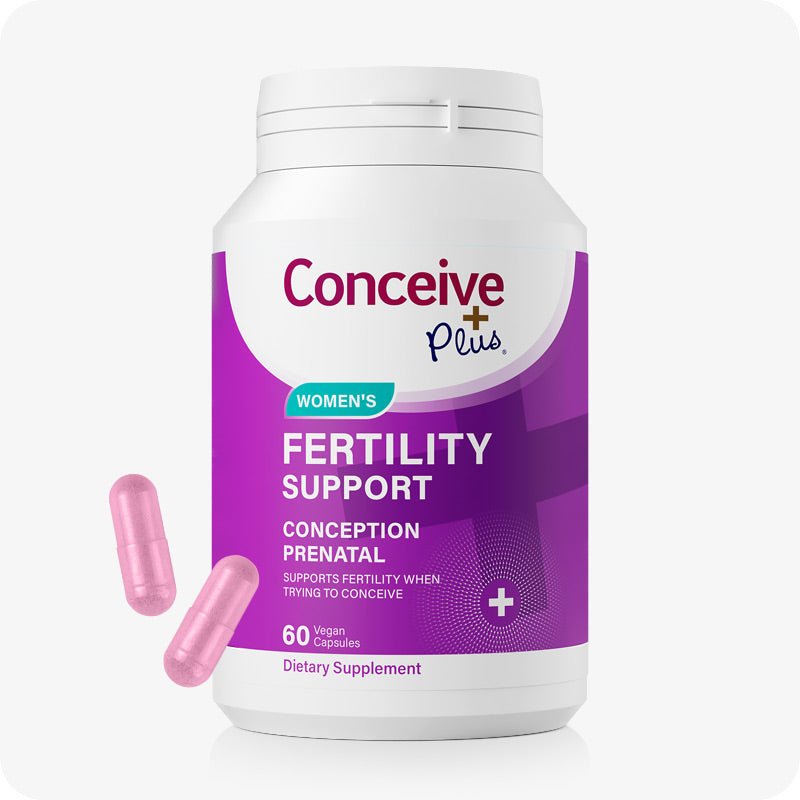
One thing that most women find challenging is finding the right supplements they can trust for their health. If you are looking for fertility supplements to enhance your fertility health and chances of pregnancy, we recommend you consider Women's Fertility Support by Conceive Plus. This is a well-reputed female fertility supplement with all the essential vitamins and minerals your body needs for supporting fertility.
If you are planning to conceive or if you are already pregnant, Prenatal with DHA by Conceive Plus can be your perfect companion during your pregnancy. These products are recommended by hundreds of doctors at FrontrowMD because of their quality ingredients and effectiveness.
The Bottom Line
A balanced diet with the right vitamins and minerals is very important for a female to support her fertility health. Eating foods like fruits, vegetables, whole grains, and lean proteins can ensure that you get most of the essential nutrients your body needs.
However, a balanced diet alone may not be enough in many cases, and this is where women health supplements can help. Female health supplements are specially formulated to support important female body functions, including reproductive health. Such supplements are especially important during pregnancy, as nutritional needs increase, and deficiencies can cause serious complications.

Resources Used
- Skoracka, K., Ratajczak, A. E., Rychter, A. M., Dobrowolska, A., & Krela-Kaźmierczak, I. (2021). Female Fertility and the Nutritional Approach: The Most Essential Aspects. Advances in Nutrition, 12(6), 2372. https://doi.org/10.1093/advances/nmab068
- Mohan, A., Haider, R., Fakhor, H., Hina, F., Kumar, V., Jawed, A., Majumder, K., Ayaz, A., Lal, P. M., Tejwaney, U., Ram, N., & Kazeem, S. (2023). Vitamin D and polycystic ovary syndrome (PCOS): A review. Annals of Medicine and Surgery, 85(7), 3506. https://doi.org/10.1097/MS9.0000000000000879
- Crider, K. S., Qi, Y. P., Yeung, L. F., Mai, C. T., Zauche, L. H., Wang, A., Daniels, K., & Williams, J. L. (2022). Folic Acid and the Prevention of Birth Defects: 30 Years of Opportunity and Controversies. Annual Review of Nutrition, 42, 423. https://doi.org/10.1146/annurev-nutr-043020-091647
- Website, N. (2022, April 6). Pregnancy, breastfeeding and fertility while taking folic acid. nhs.uk. https://www.nhs.uk/medicines/folic-acid/pregnancy-breastfeeding-and-fertility-while-taking-folic-acid/
- Soma-Pillay, P., Catherine, P., Tolppanen, H., Mebazaa, A., Tolppanen, H., & Mebazaa, A. (2016). Physiological changes in pregnancy. Cardiovascular Journal of Africa, 27(2), 89. https://doi.org/10.5830/CVJA-2016-021
- Ward, E. (2014). Addressing nutritional gaps with multivitamin and mineral supplements. Nutrition Journal, 13, 72. https://doi.org/10.1186/1475-2891-13-72
Buy prenatal vitamins with DHA from Conceive Plus, the fertility brand formulated for positive results! Helping trying to conceive and pregnant women with the best prenatal with DHA for pregnancy, the premium prenatal with DHA supplements available with free shipping. Order prenatal vitamins with DHA online here.
🌱 Support Your Fertility Journey
Conceive Plus fertility supplements are clinically formulated to help regulate your cycle and support egg quality.
Shop Fertility Support →Frequently Asked Questions
Recommended by Fertility Experts
Conceive Plus Men's Fertility Support
Designed to support healthy sperm production, motility, and overall male reproductive health with clinically studied nutrients.
Shop Now →Q: What vitamins should women take when trying to conceive?
A: The American Society for Reproductive Medicine (ASRM) recommends that women trying to conceive take prenatal vitamins containing folic acid (400-800 mcg daily), as it reduces the risk of neural tube defects by up to 70%. Additional key nutrients include vitamin D, iron, calcium, and omega-3 fatty acids, which support ovulation, hormonal balance, and egg quality. CoQ10 and antioxidants like vitamin E have also shown promise in supporting reproductive health, particularly for women over 35. Conceive Plus Women's Fertility Supplement is formulated with these essential nutrients specifically designed to support women's fertility goals. Consulting with a healthcare provider can help determine which supplements are right for your individual needs.
Q: Can fertility supplements really help you get pregnant?
A: While fertility supplements cannot cure underlying fertility conditions, research shows that proper nutrition significantly impacts conception rates and reproductive health. Studies indicate that women with adequate micronutrient levels have better egg quality, more regular ovulation cycles, and improved hormonal balance compared to those with deficiencies. According to the National Institute of Health, nutritional deficiencies can affect approximately 20-30% of women struggling with infertility. Supplements like Conceive Plus work best as part of a comprehensive fertility plan that includes a healthy diet, regular exercise, stress management, and medical care. Results typically take 2-3 months to appear, as it takes about 90 days for new eggs to fully develop.
Q: How long should you take prenatal vitamins before trying to conceive?
A: Healthcare providers recommend starting prenatal vitamins or women's fertility supplements at least one to three months before attempting to conceive. This timeframe allows your body to build up adequate nutrient stores, particularly folic acid, which is critical during the earliest stages of pregnancy when organ formation occurs. Since egg maturation takes approximately 90 days, beginning supplements early ensures optimal egg quality from the start of your conception journey. Many women find that products like Conceive Plus, taken consistently for three months or more, help establish regular cycles and improve overall reproductive health markers. Starting early also establishes healthy supplementation habits that continue through pregnancy and postpartum periods.
Q: What nutrients are most important for female fertility?
A: The most critical nutrients for female fertility include folic acid, vitamin D, iron, selenium, zinc, and CoQ10, each playing distinct roles in reproductive function. Folic acid prevents birth defects and supports DNA synthesis in developing eggs; vitamin D regulates ovulation and progesterone production; and iron prevents anovulation (lack of ovulation) which affects approximately 25% of infertile women. Antioxidants like CoQ10 and vitamin E protect eggs from oxidative stress, which increases with age—a particularly important consideration since women's fertility declines significantly after age 35. A comprehensive approach combining these nutrients, such as those found in Conceive Plus formulations, addresses multiple aspects of fertility support. The FDA recommends consulting healthcare providers about individual micronutrient needs based on dietary intake and personal health factors.
Q: Are women's health supplements FDA approved and safe?
A: Women's health supplements are regulated by the FDA as dietary supplements under the Dietary Supplement Health and Education Act (DSHEA), which differs from pharmaceutical drug approval standards. While the FDA doesn't pre-approve dietary supplements before they reach market, manufacturers must ensure products are safe, properly labeled, and truthfully advertised; additionally, reputable brands like Conceive Plus undergo third-party testing to verify ingredient quality and purity. Most women's fertility supplements containing standard prenatal vitamins are considered safe when taken as directed, though it's important to review ingredient lists and consult healthcare providers, especially if you have medical conditions or take medications. The American Pregnancy Association supports prenatal supplementation as a safe way to prevent nutritional deficiencies during reproductive years. Always choose supplements from established companies that provide transparency about sourcing and testing procedures.
Trusted by Couples in Over 70 Countries
Support Male Fertility From the Inside Out
Male fertility is just as important as female fertility in the conception journey. Conceive Plus Men's range delivers targeted nutritional support to promote healthy sperm and overall reproductive wellbeing.
Shop Men's Range →