Why Is My Period Longer This Month and How Long Is Too Long?
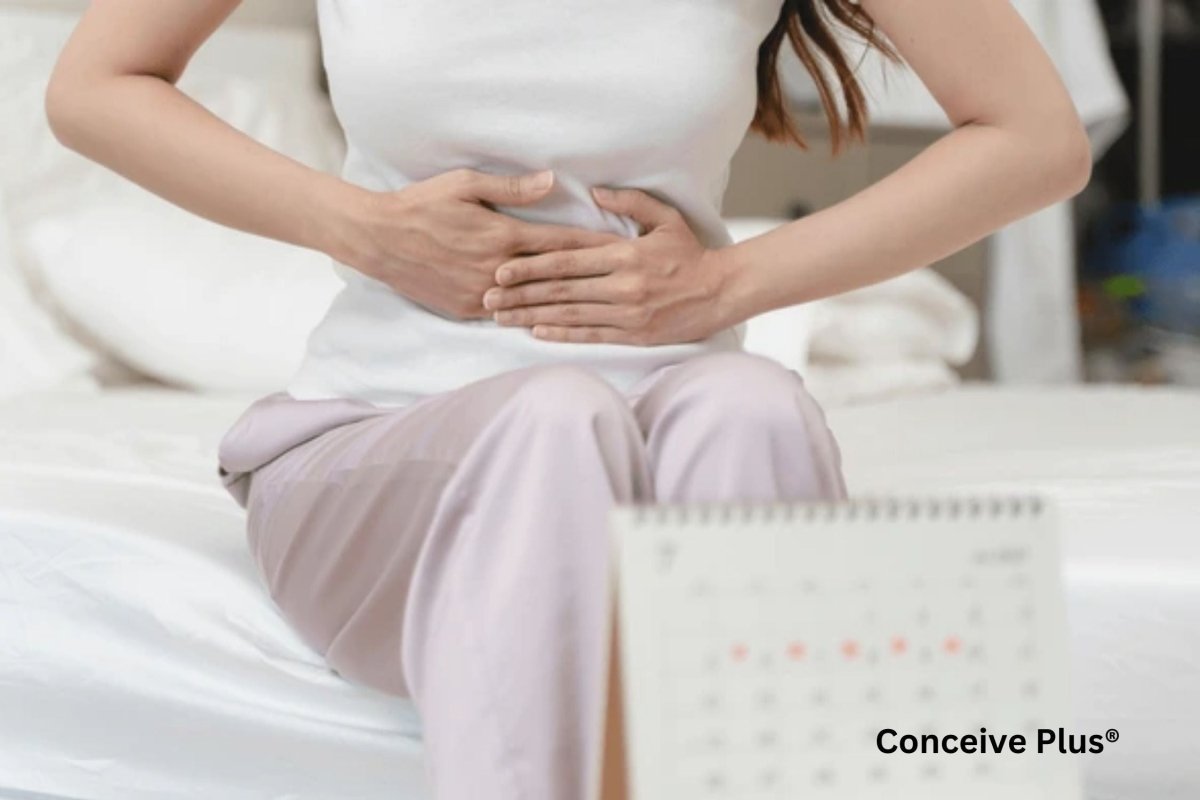

Why is my period longer this month? It’s a question many ask when their usual cycle suddenly drags on. Some months, a period may be shorter, others longer, and that’s normal. But when a longer period than normal happens more often or lasts too long, it could signal a change in hormones, lifestyle, or even an underlying health issue.
Periods don’t follow strict rules. While cycles generally range from 21 to 35 days, the actual bleeding usually lasts between two to seven days [1]. A menstrual longer than usual might not mean anything serious, but if it extends beyond a week, it might be time to figure out why.

How Long Is Too Long for a Period?
How long is too long for a period? A normal period should last no more than seven days. Anything beyond that is considered prolonged bleeding [2]. A month long period is not normal and should be investigated.
Some may experience spotting or light bleeding beyond their usual period, but when the bleeding continues heavily, it could point to conditions like hormonal imbalances, fibroids, or even thyroid issues. If my period is lasting longer than usual and this is happening frequently, a doctor’s consultation is necessary.
Hormonal Imbalances Can Cause Longer Periods
Hormones control everything about the menstrual cycle. Estrogen and progesterone are responsible for the buildup and shedding of the uterine lining. When these hormones are off balance, the result can be a period for longer than normal or irregular bleeding patterns.
Polycystic Ovary Syndrome (PCOS) is one common condition that can lead to a period longer than usual. This condition disrupts ovulation, which can cause missed periods or bleeding that lasts too long. Thyroid disorders are another factor. An underactive thyroid can make why is my menstrual cycle getting longer a real concern since the thyroid helps regulate hormones [3]. For those experiencing irregular ovulation or hormonal imbalances affecting their cycle, supplements like Conceive Plus Women's Ovulation Support can help regulate reproductive health by promoting hormonal balance and consistent ovulation.
For women approaching menopause, erratic periods are common. Sometimes periods become irregular, sometimes they last much longer than before. If why is my menstruation cycle getting longer, this could be due to perimenopause, which affects the body’s ability to regulate menstrual cycles.
Stress and Lifestyle Can Make Periods Longer
Life stress affects hormones more than most realize. Work pressure, emotional stress, poor sleep, sudden weight changes—these things can contribute to a long time of period. Stress triggers the release of cortisol, which can interfere with estrogen and progesterone levels. When these hormones are disrupted, the cycle can become longer than normal.
Over-exercising can also affect menstrual length. Athletes or those engaging in intense physical activity often experience hormonal shifts, leading to my period is longer than usual or skipped periods altogether.
Diet plays a role too. A lack of essential nutrients like iron, folic acid, and healthy fats can interfere with hormone production, leading to irregular cycles [4].
Medications and Birth Control Can Change Period Length
Some medications can be responsible for why does my period last so long. Blood thinners, antidepressants, and anti-inflammatory drugs can impact clotting and increase bleeding [5]. Hormonal birth control can also be a factor.
Certain birth control methods, like intrauterine devices (IUDs), can lead to prolonged bleeding, especially in the first few months of use. Hormonal implants and injections may cause irregular, prolonged periods before the body adjusts. If a new birth control method has been introduced, and why is my period 2 days longer than usual is becoming a frequent concern, it’s best to consult a doctor.
Emergency contraception (morning-after pill) can also lead to unexpected changes in menstrual length. Since it works by temporarily altering hormones, periods may come earlier, later, or last longer than usual.

Fibroids and Polyps Can Cause Heavy Bleeding
Uterine fibroids and polyps are two common causes of prolonged menstrual bleeding. Fibroids are benign muscle growths that develop in the walls of the uterus, while polyps are small tissue growths in the uterine lining. Both can contribute to period for a long time by preventing the uterus from contracting properly, making it difficult to stop bleeding.
Many women with fibroids don’t experience noticeable symptoms, but for others, the impact can be severe, leading to why my period last so long and heavy blood flow [6]. Some may experience clotting, severe cramping, pelvic pressure, or an increased frequency of urination if the fibroids press against the bladder. If excessive bleeding, pain, or the passing of large clots becomes a regular occurrence, seeking medical evaluation is important to determine the best course of treatment.
Endometriosis and Adenomyosis Can Lead to Extended Bleeding

✨ Think You Might Be Pregnant?
Get fast, accurate results up to 6 days before your missed period with our early detection pregnancy test.
Shop Now — $9.80✓ Free shipping on orders over $40 | ✓ Trusted by millions of couples worldwide
Endometriosis is a condition where uterine tissue similar to the endometrium grows outside the uterus, often leading to heavy, painful, and prolonged periods. It can make why is my period so long a persistent concern for many women. This misplaced tissue responds to hormonal changes during the cycle, causing inflammation, severe pain, and excessive bleeding that can last much longer than a normal period.
Adenomyosis, a similar but distinct condition, occurs when endometrial tissue grows deep into the muscular walls of the uterus, causing thickening and abnormal contractions [7]. This often results in painful, heavy, and irregular bleeding that can extend beyond the expected duration of a menstrual cycle. These conditions not only prolong periods but can also lead to severe discomfort, lower back pain, and difficulties in conception. Women experiencing frequent why is my period so long episodes along with intense cramping should consult a specialist for proper diagnosis and management.
Pregnancy Complications Can Lead to Extended Bleeding
Bleeding during pregnancy is not always a sign of something serious, but excessive or prolonged bleeding could indicate complications such as miscarriage or ectopic pregnancy [8]. If long period or unusual spotting occurs during early pregnancy, immediate medical attention is needed to rule out potential risks. If you're experiencing unusual bleeding and wondering, is it possible to get a period while pregnant?, it’s important to understand that pregnancy-related bleeding can sometimes be mistaken for a menstrual cycle.
A miscarriage in early pregnancy can sometimes be mistaken for a long period due to the heavy and extended bleeding it may cause. Some women also experience implantation bleeding, which usually lasts for a short period and is much lighter. However, persistent or unusually heavy bleeding should never be ignored, as it can signal pregnancy-related complications like molar pregnancy or placenta previa. If bleeding is accompanied by severe pain, dizziness, or clotting, seeking medical care is essential to prevent further complications.
Blood Clotting Disorders Can Cause Long Periods
Some individuals have underlying blood clotting disorders that affect how their body manages bleeding, leading to extended or excessive menstrual cycles. When the blood does not clot properly, menstrual bleeding may continue for longer than usual, causing concern for why my period is lasting longer than usual. Conditions like Von Willebrand Disease, hemophilia, or platelet function disorders can contribute to this issue by preventing the normal clotting process from stopping menstrual flow.
If prolonged bleeding has been a recurring issue, and there is a history of frequent nosebleeds, excessive bruising, or prolonged bleeding from minor cuts or injuries, a clotting disorder should be ruled out [9]. Women experiencing a why my period is lasting longer than usual pattern alongside unexplained heavy bleeding should seek medical tests to check for clotting deficiencies, as early diagnosis can help manage symptoms and prevent further complications.
When to See a Doctor About a Longer Period
A longer period than normal doesn’t always indicate something serious, but it should be monitored. A doctor should be consulted if:
- Bleeding lasts longer than seven days.
- Clots larger than a quarter are frequently passed.
- Heavy bleeding requires changing a pad or tampon every hour.
- Severe cramps, dizziness, or fatigue accompany a prolonged period.
Tracking symptoms and menstrual patterns over a few months can provide useful information for a healthcare provider in diagnosing the cause of prolonged periods.
Managing a Long Period Naturally
For those experiencing why my period is lasting longer than usual, some natural remedies may help regulate cycles.
A diet rich in iron, vitamin C, and folic acid can help manage blood loss and prevent anemia [10]. Drinking plenty of water and including anti-inflammatory foods, such as omega-3 fatty acids, may also help reduce prolonged bleeding.
Managing stress is crucial. Yoga, meditation, and regular physical activity can help regulate hormones and prevent prolonged periods.
Some herbal remedies, such as ginger and turmeric, have been found to support menstrual health and may help in reducing excessive bleeding.

The Bottom Line
A long period can be caused by many factors, from hormonal imbalances to underlying health conditions. While some cycle variations are normal, a period longer than usual that happens frequently should not be ignored [11].
When experiencing why is my period longer this month, tracking changes, identifying possible triggers, and consulting a doctor when needed can help determine the underlying cause. Whether it’s stress, medications, or a medical condition, understanding the reasons behind prolonged periods is essential for overall reproductive health.
FAQs
Why is my period lasting longer than usual?
Hormonal imbalances, stress, medications, or health conditions like fibroids and endometriosis could be responsible for a prolonged period.
How long is too long for a period?
A period that lasts more than seven days is considered prolonged and should be discussed with a doctor.
Why is my menstrual cycle getting longer?
Hormonal fluctuations, thyroid disorders, or perimenopause could lead to a longer menstrual cycle.
Why is my period lasting longer than usual after stopping birth control?
Stopping hormonal birth control can cause temporary cycle changes as the body adjusts to producing its own hormones again.
When should I see a doctor about a long period?
If a period lasts longer than seven days, is unusually heavy, or accompanied by severe symptoms, medical advice should be sought.
Citations
- Mayo Clinic. (2021). Menstrual cycle: What's normal, what's not. Available at: https://www.mayoclinic.org/healthy-lifestyle/womens-health/in-depth/menstrual-cycle/art-20047186#:~:text=Your%20menstrual%20cycle%20might%20be,is%20what's%20typical%20for%20you.
- National Health Service. (2020). Heavy periods. Available at: https://www.nhs.uk/conditions/heavy-periods/
- Krassas, G. E., Poppe, K., & Glinoer, D. (2010). Thyroid function and human reproductive health. Endocrine reviews. Available at: https://pubmed.ncbi.nlm.nih.gov/20573783/
- Gaskins, A. J., & Chavarro, J. E. (2018). Diet and fertility: a review. American journal of obstetrics and gynecology. Available at: https://pubmed.ncbi.nlm.nih.gov/28844822/
- Zeiss, R., Connemann, B. J., Schönfeldt-Lecuona, C., & Gahr, M. (2021). Risk of Bleeding Associated With Antidepressants: Impact of Causality Assessment and Competition Bias on Signal Detection. Frontiers in psychiatry. Available at: https://pmc.ncbi.nlm.nih.gov/articles/PMC8566746/
- Baird, D. D., Dunson, D. B., Hill, M. C., Cousins, D., & Schectman, J. M. (2003). High cumulative incidence of uterine leiomyoma in black and white women: ultrasound evidence. American journal of obstetrics and gynecology. Available at: https://pubmed.ncbi.nlm.nih.gov/12548202/
- Vercellini, P., Viganò, P., Somigliana, E., Daguati, R., Abbiati, A., & Fedele, L. (2006). Adenomyosis: epidemiological factors. Best practice & research. Clinical obstetrics & gynaecology. Available at: https://pubmed.ncbi.nlm.nih.gov/16563868/
- Wilcox, A. J., Weinberg, C. R., O'Connor, J. F., Baird, D. D., Schlatterer, J. P., Canfield, R. E., Armstrong, E. G., & Nisula, B. C. (1988). Incidence of early loss of pregnancy. The New England journal of medicine. Available at: https://pubmed.ncbi.nlm.nih.gov/3393170/
- Rodeghiero, F., Castaman, G., & Tosetto, A. (2009). How I treat von Willebrand disease. Blood. Available at: https://pubmed.ncbi.nlm.nih.gov/19474451/
- Milman N. (2011). Iron in pregnancy: How do we secure an appropriate iron status in the mother and child?. Annals of nutrition & metabolism. Available at: https://pubmed.ncbi.nlm.nih.gov/22123639/
- Davis E, Sparzak PB. Abnormal Uterine Bleeding. [Updated 2025 Jan 21]. In: StatPearls [Internet]. Available at: https://www.ncbi.nlm.nih.gov/books/NBK532913/
Buy conception products online at Conceive Plus, the fertility brand trusted by couples and healthcare professionals in over 70 countries! Order premium conception supplements on our website today, the best conception kits for sale for TTC couples.
🌱 Get Answers Early
Millions of women trust Conceive Plus for their fertility journey. Clinically validated pregnancy tests delivered to your door.
Shop Pregnancy Tests →Frequently Asked Questions
Recommended by Fertility Experts
Conceive Plus PCOS Range
A targeted nutritional approach to support hormonal balance and reproductive health for women with PCOS.
Shop Now →Q: Are long periods normal?
A: Occasional longer periods are typically normal, as menstrual cycles naturally vary from month to month due to hormonal fluctuations, stress, exercise, and lifestyle changes. However, the American College of Obstetricians and Gynecologists (ACOG) defines abnormally heavy or prolonged bleeding as lasting longer than seven days or requiring a pad or tampon change every hour for several hours consecutively. If your period consistently lasts longer than seven days, bleeds heavily, or represents a significant change from your normal pattern, it's important to consult a healthcare provider to rule out conditions like fibroids, polyps, or hormonal imbalances. Supporting your reproductive health with balanced nutrition and supplements like Conceive Plus can help maintain overall cycle wellness.
Q: What causes periods to be longer than usual?
A: Longer periods can result from hormonal imbalances, particularly fluctuations in estrogen and progesterone that regulate your menstrual cycle, as well as stress, significant weight changes, intense exercise, or thyroid disorders. Structural issues like uterine fibroids or polyps can also extend bleeding duration, affecting approximately 20-40% of women of reproductive age according to research published in reproductive health journals. Certain medications, including blood thinners and hormonal contraceptives, may also lengthen menstrual bleeding. If you've noticed a persistent change in your cycle length or flow, tracking your symptoms and discussing them with your gynecologist can help identify the underlying cause and appropriate treatment options.
Q: When should I be concerned about a long period?
A: You should seek medical attention if your period lasts longer than seven days, involves soaking through one or more pads or tampons every hour for several consecutive hours, contains large blood clots, or represents a dramatic change from your normal cycle pattern. Heavy prolonged bleeding can lead to iron deficiency anemia, which affects up to 30% of menstruating individuals and may impact fertility and overall wellness. Additionally, if a longer period is accompanied by severe cramping, pelvic pain, fatigue, or dizziness, these may indicate a condition requiring medical evaluation. Your healthcare provider can perform appropriate testing and recommend treatment, while maintaining healthy iron levels through proper nutrition supports your body's recovery.
Q: How many days is too long for a period?
A: According to ACOG guidelines, a menstrual period lasting longer than seven days is considered abnormally prolonged and warrants medical evaluation, especially if this represents a change from your established cycle pattern. Most people menstruate for two to seven days, with an average of four to five days, so periods consistently extending beyond this range may indicate hormonal imbalances, structural abnormalities, or bleeding disorders. If you experience prolonged bleeding alongside other symptoms like fatigue, shortness of breath, or pallor, this could signal iron deficiency anemia requiring treatment. Tracking your cycle length and flow intensity helps you and your healthcare provider identify patterns and determine whether evaluation is necessary.
Q: Can stress cause longer periods?
A: Yes, stress significantly impacts menstrual cycles by affecting the hypothalamic-pituitary-ovarian axis, the hormonal system controlling your period, which can result in longer or heavier bleeding, irregular cycles, or skipped periods entirely. High cortisol levels from chronic stress can disrupt the delicate balance of estrogen and progesterone, leading to changes in cycle length and flow that may last several months until stress levels normalize. Studies show that approximately 40% of people report menstrual changes during periods of significant emotional or physical stress, including work pressure, relationship issues, or major life events. Managing stress through exercise, adequate sleep, meditation, and proper nutrition—including nutrient-dense fertility supplements—can help regulate your cycle and support hormonal balance during challenging times.
Trusted by Couples in Over 70 Countries
Take Control of Your Reproductive Health With PCOS
Living with PCOS presents unique challenges on the path to conception. Conceive Plus PCOS range is formulated with key nutrients to help support hormonal balance and a healthy cycle, empowering you on your fertility journey.
Explore the PCOS Range →