The Rise of Vitamin Pack Subscriptions: Are They Worth It?


You require a balanced diet rich in essential nutrients to maintain optimal health. However, with busy lifestyles and dietary restrictions, you may struggle to meet your daily nutritional needs. This is where daily vitamin packs or nutritional supplements play their role.
Daily vitamin packs come in pre-sorted packets with important vitamins and minerals you need for the day, making them easy to carry and use [1]. You can customize these packs based on the nutritional demands of your body.
In this article, we will explore what vitamin packs are, what nutrients they typically contain, and how they compare to other all-in-one multivitamin supplement options.
What Are Daily Vitamin Packs?
Daily vitamin packs are pre-sorted collections of vitamins, minerals, and other supplements designed for daily consumption. They eliminate the hassle of organizing and remembering multiple pills each day.
Typically, these packs come in single-use packets, making them convenient for travel or on-the-go lifestyles. With the rise of personalized vitamins and custom supplements, many companies now allow customers to choose the vitamins and minerals they need in their daily packs to meet their health needs.

Nutrients Commonly Found In Vitamin Packs
Vitamin packs are purposefully designed to include a variety of essential nutrients that most people need in their day-to-day lives to support their health and wellbeing. Here are some common nutrients that you will find in most daily vitamin packs:
-
Vitamin C
Vitamin C helps boost the immune system, enhancing your ability to cope with infections and illnesses [2]. It also plays a key role in collagen production, which keeps your skin, bones, and joints healthy. Vitamin C also has antioxidant properties that help protect against oxidative stress damage [3].
-
Calcium
Calcium is essential for building and maintaining strong bones and teeth [4]. It also plays a role in muscle function and helps your heart beat properly. If you are not eating enough calcium in your diet, your body starts to extract calcium from the bones, making them weak over time. Most daily vitamin packs include calcium to avoid deficiency and prevent complications.
-
Vitamin D
People who don't get enough sunlight are at a higher risk of vitamin D deficiency [5]. Vitamin D is important for strong bones because it helps the body absorb calcium. It can also support a healthy immune system and can improve mood.
-
Magnesium
Studies show that magnesium is involved in over 300 biochemical reactions in the body [6]. Magnesium helps maintain energy levels in the body by supporting muscle and nerve function. It also helps regulate blood pressure and maintain a steady heart rhythm.
-
Omega-3 Fatty Acids
There is a common misconception that all fats are bad for you. However, this is not true, and omega-3 fatty acids are an excellent example. Omega-3 fatty acids support brain function and heart health [7]. They also reduce inflammation in the body, which can help prevent chronic diseases. Not only that, these fats are also important for maintaining healthy eyes and joints.
-
Zinc
Zinc is crucial for a strong immune system and helps the body heal wounds faster. It supports normal growth and development, especially in children. Zinc also plays a role in maintaining a healthy sense of taste and smell.
-
Iron
Iron is essential for producing hemoglobin, which carries oxygen in your blood. It helps prevent fatigue and supports energy levels throughout the day. Iron is especially important for women during pregnancy, as it is the time when women are more likely to experience iron deficiency and related complications [8].


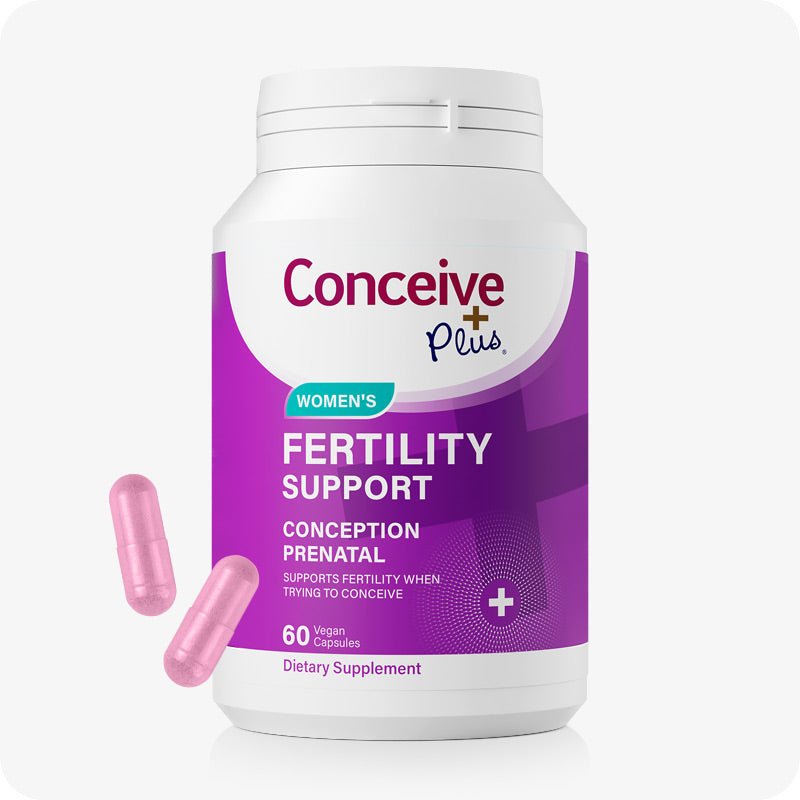
✨ Start Your Prenatal Care Today
Our Prenatal Vitamins with DHA, Choline & Folate provide the essential nutrients you and your baby need for a healthy start.
Shop Now — $34.95✓ Free shipping on orders over $40 | ✓ Trusted by millions of couples worldwide
Benefits of Using Customized Vitamin Packs
Many companies offer customized vitamin packs through a monthly vitamin subscription. The process involves accessing your health requirements using online quizzes, blood tests, or DNA analysis. Based on the results, a tailored custom multivitamin or personalized supplement pack is created for you.
The key benefits of choosing a custom vitamin blend are:
- Convenience: The pre-packaged doses save you time and effort. You don’t have to worry about organizing multiple supplements or remembering what to take. Everything is sorted and ready for you each day throughout your monthly vitamin subscription.
- Precision: Customized vitamin packs are tailored to your unique health needs and goals. Whether you want to address your nutritional deficiencies or support areas like energy or immunity, these packs provide exactly what your body needs.
- Consistency: Pre-sorted supplements make it much easier to stick to your daily routine. This consistency helps you get the maximum benefits of supplementation over time.
- Portability: These packs are perfect if you have a busy lifestyle or if you travel a lot. You can simply grab a packet and go without the hassle of carrying multiple bottles or containers.
Choosing the Right Brand for Personalized Vitamin Packs
Choosing the right brand for personalized vitamin packs is essential to ensure that you are getting the benefits that you are paying for. It is particularly important if you are experiencing nutritional deficiencies. Here are some tips to help you select the best option:
-
Research the Brand’s Reputation
Once you shortlist a few brands that offer the daily packs, before making the purchase or choosing any subscription plan, look for the customer reviews about the product and the brand. You can visit websites like Yelp and TrustPilot to search for brand reviews. A reliable brand will have positive feedback and transparent practices.
-
Check for Customization Options
Make sure the brand offers personalized assessments like quizzes or health tests. This ensures that you get custom vitamins tailored to your specific needs. For example, if you are already diagnosed with low iron levels, your daily vitamin pack should contain iron.
-
Verify Ingredient Quality
Choose brands that use high-quality, clinically tested ingredients. Look for certifications like non-GMO, vegan, or allergen-free options if they are important to you. Some brands also offer third-party test reports on the potency and safety of their supplements, so it is a good idea to look for such brands.
-
Consult a Professional
Some brands offer consultations with nutritionists or healthcare professionals. This adds an extra layer of confidence in their recommendations. You can also consult your doctor for their recommendations on multivitamin supplements.
-
Evaluate Pricing and Subscription Plans
Compare costs and make sure to choose the subscription plan that fits your budget. Some brands offer discounts for long-term commitments. However, only commit to long-term supplement subscription if you are sure you will use the supplements for the entire duration specified in the plan.

Multivitamins: Alternatives to Vitamin Packs
While daily vitamin packs are convenient, some people prefer a simpler approach, such as taking an all-in-one supplement, also called multivitamins [9]. These products combine multiple nutrients into a single tablet or capsule, reducing the number of pills you need to take daily.
The key advantages of preferring all-in-one supplements are:
- Simple to Use: All-in-one supplements are great for those who dislike taking multiple pills. With just one or two pills a day, you can meet many of your nutritional needs without the hassle of consuming multiple tablets.
- Affordable: All-in-one supplements are often more budget-friendly compared to customized vitamin packs. They combine multiple nutrients into one product, saving you money on separate vitamins.
- Convenient: These supplements are easy to incorporate into your routine. Most require only one or two pills a day, making them a great option for busy people who want to keep things simple.
Keep in mind that multivitamins are formulated to cater to general health needs and not to target specific concerns such as energy, immunity, or stress management. This is why they may not be as precise as personalized supplements and might include nutrients you don’t need.
The Bottom Line
Daily vitamin packs are becoming increasingly popular because of the convenience they provide. Brands offering such vitamin packs usually allow you to choose the vitamins and minerals you want and have them delivered to your doorstep every month or week, depending on the plan you choose.
Multivitamins are also a great option for those who prefer a simpler solution and can't take multiple pills daily. They combine many essential nutrients into just one pill, making them ideal for people who don’t like taking multiple supplements. For those who find traditional supplements challenging to consume, exploring small prenatal vitamins can make it easier to meet essential nutritional needs during pregnancy. Whatever option you choose, we recommend you consult your doctor before starting any kind of supplements to support your health goals.
FAQs
-
Can I take more than one daily vitamin pack per day?
It’s generally not recommended to take more than one pack unless your doctor advises you to do so. Overdosing on certain vitamins and minerals can lead to toxicity and serious complications.
-
Can you get custom prenatal vitamins?
You can get custom prenatal vitamins according to your specific health needs. Many companies offer personalized options to ensure you get the right nutrients for a healthy pregnancy.
Resources Used
- Office of Dietary Supplements - Nutrient Recommendations and Databases. (n.d.). https://ods.od.nih.gov/HealthInformation/nutrientrecommendations.aspx
- Carr, A., & Maggini, S. (2017). Vitamin C and immune function. Nutrients, 9(11), 1211. https://doi.org/10.3390/nu9111211
- Traber, M. G., & Stevens, J. F. (2011). Vitamins C and E: Beneficial effects from a mechanistic perspective. Free Radical Biology and Medicine, 51(5), 1000–1013. https://doi.org/10.1016/j.freeradbiomed.2011.05.017
- Office of Dietary Supplements - calcium. (n.d.). https://ods.od.nih.gov/factsheets/Calcium-HealthProfessional/
- Holick, M. F. (2008). Deficiency of sunlight and vitamin D. BMJ, 336(7657), 1318–1319. https://doi.org/10.1136/bmj.39581.411424.80
- Office of Dietary Supplements - magnesium. (n.d.). https://ods.od.nih.gov/factsheets/Magnesium-HealthProfessional/
- Office of Dietary Supplements - Omega-3 fatty acids. (n.d.). https://ods.od.nih.gov/factsheets/Omega3FattyAcids-HealthProfessional/
- Georgieff, M. K. (2020). Iron deficiency in pregnancy. American Journal of Obstetrics and Gynecology, 223(4), 516–524. https://doi.org/10.1016/j.ajog.2020.03.006
- Office of Dietary Supplements - Multivitamin/mineral Supplements. (n.d.). https://ods.od.nih.gov/factsheets/MVMS-HealthProfessional/
🌱 Everything You and Baby Need
Conceive Plus Prenatal Vitamins are formulated with DHA for brain development and Folate for neural tube protection.
Shop Prenatal Vitamins →Frequently Asked Questions
Recommended by Fertility Experts
Conceive Plus Men's Fertility Support
Designed to support healthy sperm production, motility, and overall male reproductive health with clinically studied nutrients.
Shop Now →Q: Are vitamin pack subscriptions worth the cost for fertility planning?
A: Vitamin pack subscriptions can offer convenience and cost savings of 10-20% compared to buying individual supplements, making them potentially worthwhile if you're taking multiple fertility supplements consistently. However, the value depends on whether the formulation matches your specific needs—the American Society for Reproductive Medicine (ASRM) recommends targeted nutrients like folic acid, CoQ10, and prenatal vitamins based on individual health profiles rather than generic packs. Before committing to a subscription, consult with your healthcare provider or a fertility specialist to ensure the nutrients align with your reproductive health goals. If you're looking for a specialized fertility supplement, products like Conceive Plus offer evidence-based formulations specifically designed for couples trying to conceive, which may be more targeted than general vitamin packs.
Q: What vitamins should I take when trying to conceive?
A: Key nutrients for fertility include folic acid (400-800 mcg daily), which reduces birth defect risk by up to 70% according to CDC guidelines, along with prenatal vitamins, CoQ10, vitamin D, and iron. Male fertility also benefits from zinc, selenium, and L-carnitine, which support sperm health and motility. The ASRM emphasizes that supplementation should complement, not replace, a balanced diet rich in whole foods, vegetables, and lean proteins. Many couples find fertility-specific vitamin formulations more effective than general multivitamins, as they're optimized for reproductive health rather than overall wellness, similar to how Conceive Plus is formulated with ingredients targeting conception support.
Q: Do vitamin subscriptions actually improve fertility outcomes?
A: While individual nutrients like folic acid and vitamin D have strong clinical evidence supporting their role in fertility, the effectiveness of vitamin subscriptions depends on consistent use and proper formulation rather than the subscription model itself. Studies show that couples who maintain consistent micronutrient supplementation for at least 2-3 months before conception see better outcomes, though results vary based on underlying fertility conditions. Subscription services can improve adherence by simplifying the daily routine, but the supplement quality, ingredient selection, and individual health factors matter more than the delivery method. Research published in the Journal of Human Reproductive Sciences indicates that customized supplement protocols show 15-25% better outcomes than generic multivitamins, suggesting that targeted formulations designed for fertility support may offer greater benefit than standard vitamin packs.
Q: Are vitamin pack subscriptions FDA approved?
A: Vitamin and supplement companies are not required to obtain FDA approval before marketing their products, as supplements are regulated under the Dietary Supplement Health and Education Act (DSHEA) rather than as drugs. However, the FDA does monitor supplement safety and can remove products from the market if they're found to be unsafe or contain undisclosed ingredients—approximately 3,000 reports of adverse supplement events are filed annually with the FDA. When selecting a vitamin pack subscription, look for third-party tested and certified products from NSF International, USP, or ConsumerLab to verify purity and potency. Reputable fertility supplement brands maintain transparency about their testing standards and ingredient sourcing, ensuring you receive safe, effective products designed to support your conception journey.
Q: How long should I take fertility vitamins before trying to conceive?
A: Most fertility specialists recommend beginning supplementation at least 2-3 months before attempting conception, as this timeframe allows adequate nutrient accumulation and supports the reproductive system's optimization cycle. Since female egg quality develops over approximately 90 days and male sperm production takes roughly 74 days, starting supplements early ensures your body has the nutritional foundation for healthy conception. The ASRM suggests that couples planning to conceive within 6-12 months should prioritize preconception nutrition strategies, including consistent vitamin supplementation tailored to individual needs. For couples ready to take action, starting a fertility supplement routine like Conceive Plus as part of your preconception planning can help establish the consistent nutrient support both partners need for optimal reproductive health.
Trusted by Couples in Over 70 Countries
Support Male Fertility From the Inside Out
Male fertility is just as important as female fertility in the conception journey. Conceive Plus Men's range delivers targeted nutritional support to promote healthy sperm and overall reproductive wellbeing.
Shop Men's Range →