Vitamin D Supplement for Fertility: The Complete 2026 Guide to Optimal Conception


Did you know that for every 10 ng/mL increase in your vitamin D levels, your fertilization rates could climb by roughly 10%? With approximately 35% of adults in the United States currently deficient, many couples are unknowingly missing a critical biological key to conception. Finding the right vitamin d supplement for fertility is no longer just about bone health. It's about supporting a powerful pro-hormone that regulates your entire reproductive system, from sperm motility to embryo quality.
You've likely felt the frustration of conflicting dosage advice or the nagging fear that a simple deficiency is the hidden cause of "unexplained infertility." It's exhausting to sift through endless supplement options without knowing what actually works for your unique body. This guide provides the clarity you need to take control of your reproductive health. We'll show you why 30ng/ml is the optimal blood level for conception, how to interpret the latest 2026 clinical guidelines, and exactly how to choose a high-quality supplement that bridges the gap between deficiency and a successful pregnancy.
Key Takeaways
- Understand why vitamin D functions as a vital secosteroid hormone that directly regulates receptors in the ovaries, uterus, and testes.
- Identify the specific "fertility sweet spot" for blood levels that goes beyond standard clinical ranges to support your reproductive goals.
- Learn how to choose a high-quality vitamin d supplement for fertility by prioritizing D3 (cholecalciferol) and optimizing absorption with specific meal timing.
- Discover the "Sunshine Paradox" and why environmental factors often fail to provide the levels necessary for optimal egg and sperm health.
- Explore how to pair vitamin D with nutrients like Myo-Inositol to create a synergistic effect for managing PCOS and improving embryo quality.
The Science of Vitamin D: Why It Is a Pro-Hormone for Fertility
Most people think of Vitamin D as a simple nutrient for bone health, but its role in reproduction is far more complex. It's actually a secosteroid hormone, meaning it acts as a chemical messenger that instructs your cells how to function. The Science of Vitamin D reveals that this "sunshine vitamin" is a pro-hormone that your body converts into an active form to regulate over 2,000 genes. For those trying to conceive, a vitamin d supplement for fertility is often the missing link because it interacts with Vitamin D Receptors (VDRs) located directly in the ovaries, uterus, and testes.
These receptors allow Vitamin D to influence the production of critical sex hormones like estrogen and progesterone. High levels of VDR activity are also linked to the production of Anti-Müllerian Hormone (AMH), which is a primary marker for ovarian reserve. Research suggests that Vitamin D helps maintain AMH levels, potentially slowing the decline of egg quality as we age. By binding to these receptors, the active form of the hormone ensures that the reproductive system has the biological "clearance" to proceed with a healthy pregnancy.
To better understand how this hormone impacts your cycle and reproductive health, watch this helpful video:
Vitamin D and Female Reproductive Health
Inside the female body, Vitamin D is a powerhouse for follicular development. It ensures that eggs mature properly before ovulation. Beyond the ovaries, it plays a vital role in the uterus by supporting the thickening of the endometrial lining. A receptive lining is essential for successful embryo implantation. For women struggling with PCOS, maintaining adequate levels helps manage insulin resistance and promotes more regular ovulation cycles, making a vitamin d supplement for fertility a cornerstone of hormonal balance.
The Overlooked Link: Vitamin D and Male Fertility
Male reproductive health is often ignored in the supplement conversation, yet Vitamin D is essential for sperm cell development and testosterone production. Studies show a clear correlation between healthy Vitamin D levels and improved sperm motility and morphology. This means sperm are better shaped and can swim more effectively toward the egg. Vitamin D receptors in the testes regulate calcium signaling for sperm swimming, providing the necessary energy for the journey. Ensuring the male partner has optimal levels is just as critical for a successful conception as the female's health.
Identifying Vitamin D Deficiency: Are You at Risk?
Recent data indicates that approximately 35% of adults in the United States and 20% of people in the UK suffer from a clinical vitamin D deficiency. This widespread issue persists despite many people living in regions with ample sunlight. The "Sunshine Paradox" explains why. Modern habits like using high-SPF sunscreen, wearing protective clothing, and spending the vast majority of our time indoors mean our skin rarely gets the direct UVB exposure needed for synthesis. Even window glass blocks the specific wavelengths required to trigger hormone production in your body.
Biological factors also dictate how much of this hormone actually reaches your reproductive organs. Higher levels of melanin in the skin act as a natural filter, meaning people with darker skin tones require significantly more sun exposure to produce the same amount of Vitamin D as those with lighter skin. Additionally, because Vitamin D is fat-soluble, it can become sequestered in adipose tissue. For individuals with a higher BMI, this means the vitamin is trapped in fat cells rather than circulating in the blood. This reduced bioavailability makes it much harder to reach the saturation levels needed for a successful pregnancy without a targeted vitamin d supplement for fertility.
Common Signs of Low Vitamin D Levels
Symptoms of a deficiency are notoriously subtle and easy to ignore. You might experience persistent fatigue, frequent mood shifts, or a weakened immune response that leaves you prone to seasonal illnesses. However, for those in their childbearing years, the most critical sign is often hidden. Chronic deficiency is closely linked to ovulatory dysfunction, where the body's hormonal signaling becomes disrupted. It's also vital to realize that "normal" lab ranges are often designed to prevent bone disease, not to optimize conception. Levels that a general practitioner considers acceptable might still be too low to support high-quality egg development.
Modern Lifestyle Factors in 2026
In 2026, our environments are more controlled than ever, yet our nutritional health often suffers. Indoor work cultures and the prevalence of blue-light-emitting devices have replaced natural light cycles. While you can find small amounts of Vitamin D in fatty fish or fortified eggs, dietary sources alone are rarely enough to bridge a significant gap. If you have underlying gut health issues or malabsorption problems, your body may struggle to process nutrients from food. If you're worried about how your nutrient levels are affecting your cycle, using an ovulation calculator can provide valuable data on your fertile window as you begin vitamin D supplementation for fertility to restore balance.
Finding the 'Sweet Spot': Optimal Vitamin D Levels for Conception
Knowing you might be deficient is only the first step. To truly optimize your reproductive environment, you need to quantify your status through a 25-hydroxy vitamin D [25(OH)D] blood test. This is the gold standard for measuring how much "sunshine hormone" is actually circulating in your system. While general medical guidelines often label 30 ng/ml as "sufficient," the role of vitamin D in fertility and PCOS suggests that those trying to conceive should aim for a more robust "sweet spot." Many specialists now distinguish between a baseline level for bone health and an optimal level for reproductive success.
A 2022 study found that women with adequate vitamin D levels experience significantly more successful outcomes and better-quality embryos during IVF treatments. The data is compelling: for every 10 ng/mL increase in vitamin D, fertilization rates go up by about 10%. On the flip side, women with levels below 20 ng/mL saw a 45% lower fertilization rate. This makes choosing a high-quality vitamin d supplement for fertility a tactical decision rather than just a general wellness choice. When your levels are optimized, your body has the biological "green light" to support a new life.
Balance is essential. While high levels support placental development and immune tolerance, excessive intake can lead to toxicity. This condition, known as hypercalcemia, causes calcium to build up in the blood and can potentially damage the kidneys. It's why "more" isn't always "better." You want to reach the target range without overshooting it. Regular testing ensures you stay in the safe, effective zone for conception.
How to Test Your Levels
In 2026, accessing your hormonal data is easier than ever. You can request a 25(OH)D test from your GP or fertility specialist during a routine checkup. Many couples now opt for at-home finger-prick testing kits for convenience. If you start a new regimen with best-selling fertility products, wait about three months before re-testing. This gives your body enough time to reach a new "steady state" and proves if your current vitamin d supplement for fertility is actually moving the needle.
Target Ranges for TTC Success
To keep your journey on track, aim for these specific benchmarks based on current 2026 research:
- Deficiency (Below 20 ng/ml): High risk of ovulatory issues and poor embryo quality.
- Insufficiency (20-30 ng/ml): The "gray zone" where you may still face lower fertilization rates.
- The Fertility Goal (40-60 ng/ml): The optimal range for supporting implantation and early placental growth.
Choosing the Best Vitamin D Supplement for Your Fertility Journey
Not all supplements are created equal. When selecting a vitamin d supplement for fertility, your first priority is the form of the nutrient. You should always look for Vitamin D3 (Cholecalciferol) rather than Vitamin D2 (Ergocalciferol). Research consistently shows that D3 is significantly more effective at raising and maintaining blood levels because it's the same form your body produces naturally from sunlight. Because Vitamin D is fat-soluble, it requires dietary fat for proper absorption. Taking your supplement alongside a meal containing healthy fats, like avocado or olive oil, can increase absorption by up to 32% compared to taking it on an empty stomach.
Purity is another critical factor in your selection process. High-quality supplements should be free from unnecessary fillers, artificial colors, and common allergens like gluten or soy. For men, choosing a high-purity D3 supplement is particularly vital for reproductive health. Adequate D3 levels are directly linked to improved testosterone production and better sperm motility. While many competitors focus solely on the female cycle, the male partner's D3 status is a major driver of overall conception success. Ensuring both partners use a clean, bioavailable supplement creates the best environment for a healthy pregnancy.
Finding the right dosage depends entirely on your starting point. For women with levels already above 30 ng/ml, a maintenance dose of 600 to 800 IU daily is generally recommended. However, if your blood test shows levels between 20 and 30 ng/ml, a daily intake of 1,000 IU is often necessary to reach the fertility "sweet spot." For those with a severe deficiency below 20 ng/ml, doctors may prescribe much higher therapeutic doses to quickly restore balance. Always consult your healthcare provider to tailor these numbers to your specific needs.
The Power of Co-Factors: K2 and Magnesium
Vitamin D doesn't work in a vacuum. Vitamin K2 is an essential partner that ensures calcium is directed toward your bones and teeth rather than accumulating in soft tissues or arteries. Magnesium is equally critical for hormonal health. Vitamin D cannot be converted into its active form without adequate cellular magnesium. Including these co-factors in your routine ensures the hormone is actually functional once it enters your bloodstream.
Supplement Formats: Capsules, Drops, or Gummies?
The delivery method you choose impacts how quickly you see results. Liquid drops are often the gold standard for customized dosing because they allow you to adjust your intake drop-by-drop. Capsules are convenient and stable, but you should avoid "sugar-bomb" gummies. High sugar intake can negatively impact insulin sensitivity, which is counterproductive for those managing PCOS or metabolic fertility issues. To find high-quality options tailored for your journey, explore our best-selling fertility products to support your path to parenthood.
The Holistic TTC Approach: Combining Vitamin D with Fertility Protocols
Achieving your dream of parenthood often requires looking at the big picture. While a vitamin d supplement for fertility is a powerful tool, its impact is amplified when integrated into a holistic protocol. Think of Vitamin D as the biological foundation of your hormonal health. Once this foundation is stable, you can layer in other targeted nutrients to optimize egg quality, sperm health, and the uterine environment. Treating your fertility as a complete system rather than focusing on a single nutrient is the fastest way to see results.
For individuals managing PCOS, the synergy between Vitamin D and Myo-Inositol is a game-changer. These two work together to improve insulin sensitivity and help restore regular ovulation cycles. When your insulin levels are stable, your body can better regulate the sex hormones like estrogen and progesterone that we explored in the earlier sections of this guide. This combined approach doesn't just improve your chances of getting pregnant; it supports a healthier metabolic state for the duration of your pregnancy.
Creating a supportive environment for conception also involves external factors. Many couples find success by pairing their internal supplement routine with specialized fertility-friendly lubricants. These products ensure that while your vitamin d supplement for fertility is working to optimize egg and sperm quality from the inside, the external conditions for fertilization remain optimal. Tracking your progress is simple when you use a consistent routine, allowing you to see how shifts in your blood levels correlate with more regular cycles and clearer ovulation signs.
Building Your Fertility Supplement Stack
Your journey is unique, and your supplement stack should reflect that. Vitamin D is a core component, but it works most effectively when paired with high-quality fertility prenatal vitamins. Adding Myo-Inositol for fertility to your daily regimen can provide the extra hormonal support needed for those with irregular cycles. It's always wise to consult a fertility specialist to tailor these dosages to your specific blood test results and health history.
Next Steps for Your Conception Journey
Once you've optimized your nutrient levels, timing becomes your most important asset. Use an ovulation calculator to identify your peak fertile window and time intercourse for the best possible outcome. You can also monitor the experiences of others by reading Conceive Plus reviews to see how different protocols have worked for couples in similar situations. To complete your toolkit, check out the best-selling fertility products designed to support every stage of your path to parenthood.
Take Control of Your Reproductive Future
Optimizing your hormonal health is one of the most proactive steps you can take on your path to parenthood. By moving beyond a generic approach and targeting the specific 40-60 ng/ml range, you give your body the biological green light it needs for successful conception. It's clear that a high-quality vitamin d supplement for fertility isn't just about avoiding a deficiency; it's about providing the essential pro-hormone support that regulates egg quality, sperm motility, and uterine receptivity.
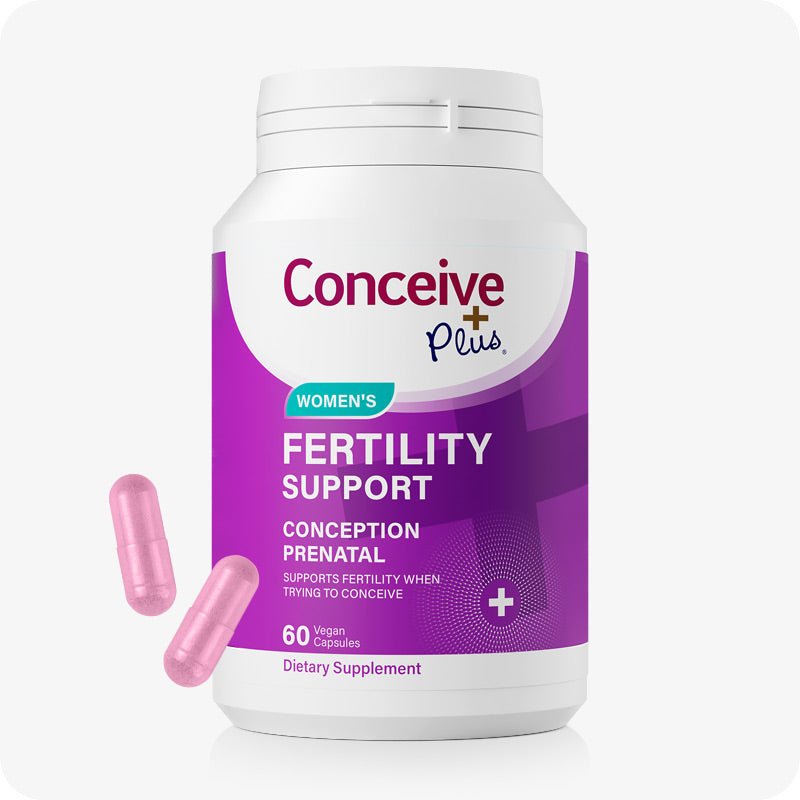
Conceive Plus is here to support you every step of the way. Our products are scientifically formulated for couples TTC and are recommended by fertility clinics worldwide. Trusted by millions in over 70 countries, we provide the tools you need to build a healthy foundation for your future family. You now have the knowledge and the data to make informed choices for your unique body.
Shop the Conceive Plus Fertility Support Collection today to complete your nutritional stack and prepare your body for a healthy pregnancy. Stay consistent, stay hopeful, and trust the process as you begin this exciting new chapter.
Common Questions About Vitamin D and Conception
Can Vitamin D supplements help me get pregnant faster?
Yes, optimizing your levels can improve the biological conditions necessary for a faster conception. Research indicates that women with adequate levels have higher clinical pregnancy rates and better embryo quality. While it isn't a magic pill, correcting a deficiency ensures your body has the hormonal signals required to support ovulation and implantation without delay. It provides the foundation your reproductive system needs to function at its peak.
How much Vitamin D should I take daily for fertility?
Your daily intake should be based on your current blood test results rather than a generic recommendation. General guidelines suggest 600 to 800 IU daily for maintenance. However, if you are in the insufficient range of 20 to 30 ng/ml, a daily dose of 1,000 IU is often required. Those with severe deficiencies may need higher therapeutic doses under medical supervision to reach the fertility sweet spot quickly.
Is it possible to take too much Vitamin D when trying to conceive?
Yes, it is possible to over-supplement, leading to a condition called hypercalcemia. Excessive levels cause calcium to accumulate in the blood, which can lead to nausea, weakness, and potential kidney issues. This is why testing is essential before starting a high-dose vitamin d supplement for fertility. Aim for the optimal range of 40 to 60 ng/ml rather than simply taking the highest dose available without monitoring.
Should both partners take a Vitamin D supplement for fertility?
Absolutely, both partners should monitor their levels to ensure the best outcomes. For men, Vitamin D is crucial for healthy testosterone production and sperm motility. Studies indicate that men with sufficient levels have sperm that swims more effectively toward the egg. Since conception is a shared journey, ensuring both partners have optimized levels creates the best possible environment for a successful pregnancy and healthy embryo development.
How long does it take for Vitamin D supplements to improve fertility?
It typically takes about three months of consistent supplementation to see a significant change in your blood levels and reproductive health. This 90-day window aligns with the time it takes for an egg to mature and for a new cycle of sperm to be produced. Consistency is key, so don't expect overnight results. Your body needs time to reach hormonal saturation and for those changes to reflect in your cycle.
Can I get enough Vitamin D for fertility from food alone?
It is very difficult to reach the 40 to 60 ng/ml fertility range through diet alone. While fatty fish, egg yolks, and fortified cereals provide small amounts, they rarely provide enough to correct a clinical deficiency. Most people find that a vitamin d supplement for fertility is necessary to bridge the gap between dietary intake and the robust levels required for optimal reproductive function and hormonal balance.
Does Vitamin D improve egg quality for IVF?
Yes, Vitamin D plays a significant role in improving outcomes for those undergoing IVF treatments. Clinical data suggests that women with higher levels produce better-quality embryos and have more successful implantation rates. By ensuring the receptors in the ovaries are properly activated, you provide the maturing follicles with the hormonal support they need during the stimulation and retrieval process, which directly impacts the quality of the retrieved eggs.
What is the best time of day to take my Vitamin D supplement?
The best time to take your supplement is with your largest meal of the day, preferably one that contains healthy fats. Since Vitamin D is fat-soluble, taking it with foods like olive oil, nuts, or eggs can boost absorption by over 30%. Consistency matters more than the specific hour, so choose a time that fits your daily routine to ensure you never miss a dose and maintain steady blood levels.
Frequently Asked Questions
Q: How much vitamin D should I take for fertility?
A: The American Society for Reproductive Medicine (ASRM) recommends most adults maintain vitamin D levels between 30-100 ng/mL for optimal health, with some fertility specialists targeting levels above 30 ng/mL specifically for conception support. Most fertility experts suggest 1,000-4,000 IU daily for those with adequate sun exposure, though those who are deficient may require 4,000-10,000 IU daily under medical supervision. It's essential to get your vitamin D levels tested before supplementing, as individual needs vary based on skin tone, geographic location, and seasonal sun exposure. A healthcare provider can determine your baseline levels and recommend the appropriate dosage for your fertility journey, which may be incorporated into a comprehensive supplement regimen like Conceive Plus that combines vitamin D with other fertility-supporting nutrients.
Q: Can vitamin D deficiency cause infertility in women?
A: Research indicates that vitamin D deficiency is significantly associated with reduced fertility rates in women, with studies showing that deficient women have lower pregnancy rates and higher rates of polycystic ovary syndrome (PCOS) and endometriosis. Approximately 35% of American adults are vitamin D deficient, and among women seeking fertility treatment, deficiency rates are even higher at nearly 50% in some populations. Vitamin D plays a crucial role in regulating insulin sensitivity, immune function, and the hormones necessary for ovulation and healthy egg quality. The pro-hormone activates receptors throughout the reproductive system, influencing everything from follicle development to endometrial receptivity for implantation. Correcting vitamin D deficiency through supplementation has been shown to improve ovulatory function and increase pregnancy rates in women with documented deficiency.
Q: Does vitamin D improve sperm quality and male fertility?
A: Yes, vitamin D significantly impacts male fertility by supporting sperm motility, morphology, and overall semen quality—research shows that men with optimal vitamin D levels have approximately 30% higher sperm motility than deficient men. Vitamin D receptors are found throughout male reproductive tissues, including the testes and prostate, where the hormone regulates calcium metabolism and gene expression critical for healthy sperm production. Studies published in fertility journals demonstrate that men with vitamin D deficiency have lower testosterone levels and reduced sperm concentration compared to men with sufficient levels. Supplementing vitamin D in deficient men has been associated with improvements in semen parameters within 3-6 months of consistent supplementation. For couples trying to conceive, optimizing both partners' vitamin D levels—potentially as part of a male fertility supplement protocol alongside nutrients in products like Conceive Plus—creates a more favorable biological environment for conception.
Q: What is the best form of vitamin D supplement: D2 or D3?
A: Vitamin D3 (cholecalciferol) is generally considered superior to vitamin D2 (ergocalciferol) for fertility purposes, as research shows D3 is more bioavailable and effective at raising and maintaining blood vitamin D levels. Studies indicate that D3 is approximately 1.7 times more potent than D2 and is the form your body naturally produces when exposed to sunlight, making it more physiologically aligned with human metabolism. The Endocrine Society and most fertility specialists recommend D3 supplementation, particularly for those seeking to optimize fertility outcomes. When selecting a fertility supplement, look for vitamin D3 listed on the label rather than D2, and consider products that combine it with complementary nutrients that support reproductive health. Conceive Plus formulations prioritize vitamin D3 in appropriate dosages designed to work synergistically with other evidence-based fertility nutrients.
Q: How long does it take for vitamin D supplementation to improve fertility?
A: Most fertility experts recommend allowing 3-6 months of consistent vitamin D supplementation before expecting significant improvements in fertility markers, as this timeframe allows vitamin D levels to stabilize and cellular receptors to respond to normalized hormone levels. In women, the effects may be observed through improved ovulation patterns and egg quality during the next 2-3 menstrual cycles, while in men, sperm parameter improvements typically require 60-90 days since the complete sperm production cycle lasts approximately 74 days. Research shows that couples who correct vitamin D deficiency see measurable improvements in conception rates within 6 months of supplementation, particularly when combined with other lifestyle modifications and fertility-supporting supplements. It's important to retest vitamin D levels after 8-12 weeks of supplementation to confirm your levels have reached the target range of 30-100 ng/mL. For optimal results, vitamin D should be part of a comprehensive fertility supplement strategy, and many fertility specialists recommend combining it with other key nutrients found in formulations like Conceive Plus.
Trusted by Couples in Over 70 Countries
Support Male Fertility From the Inside Out
Male fertility is just as important as female fertility in the conception journey. Conceive Plus Men's range delivers targeted nutritional support to promote healthy sperm and overall reproductive wellbeing.
Shop Men's Range →