What You Can Expect from Vasectomy Results
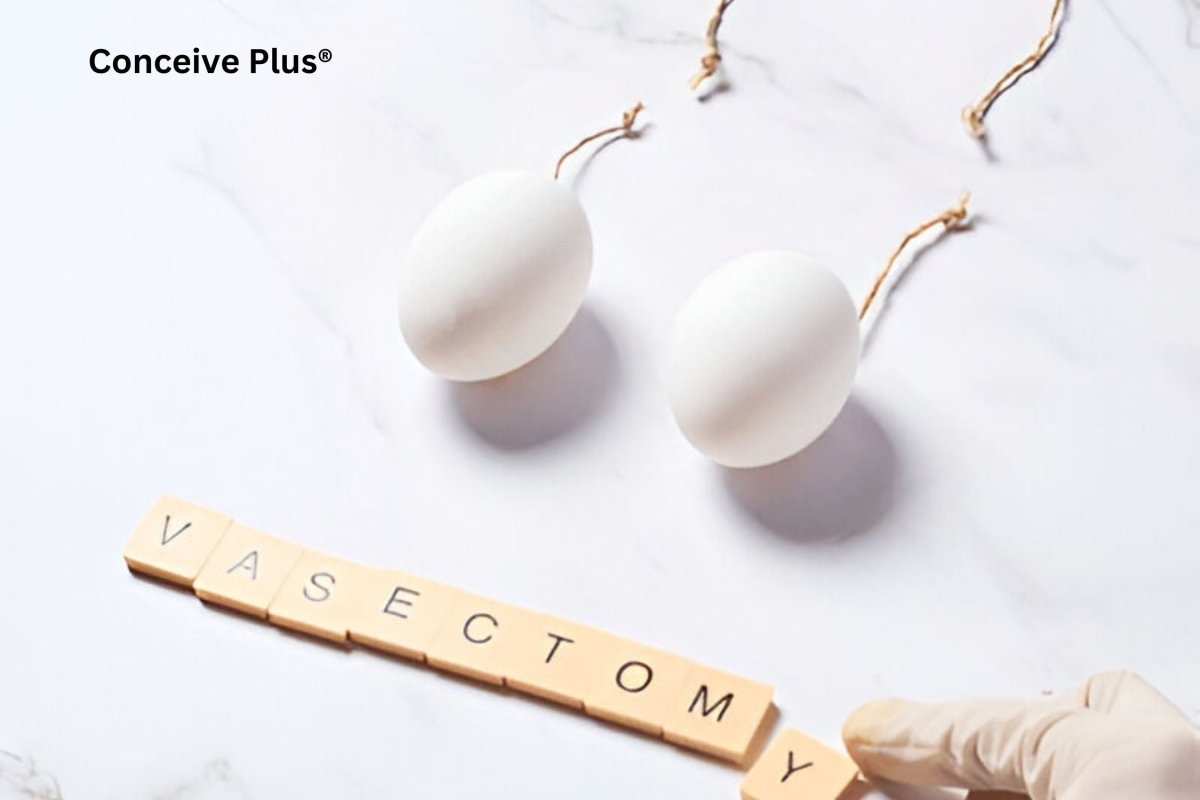

A vasectomy is a simple male procedure to prevent pregnancy that many men choose when they don’t want to have kids anymore. It’s considered permanent birth control. However, it’s important to understand the full scope of vasectomy results before and after the procedure, especially if you’re thinking about how it might affect fertility or your plans.

What Happens After a Vasectomy?
Once you’ve had the procedure, the next step is making sure it worked. This is where the sperm test after vasectomy comes in. Even after the surgery, there can still be sperm hanging out in your semen for a while. Doctors typically recommend waiting about 8-12 weeks before testing your semen [1]. You’ll need to ejaculate about 20 times before the vasectomy test to flush out any remaining sperm [2].
Top Tip: Be patient! You’ll probably need to take more than one post vasectomy sperm check to make sure you’re clear.
How Accurate is Sperm Test After Vasectomy?
You might be wondering how accurate is sperm test after vasectomy. Honestly, it’s very accurate, but not perfect on the first try. That’s why doctors recommend multiple tests just to make sure. If you still have sperm in your semen, you may need to give it more time or repeat the tests until you get the all-clear. The vasectomy sperm count test helps doctors see if there’s any sperm left that could cause a pregnancy [3].
Top Tip: Don’t worry if your first test still shows sperm. It's normal, and it just takes time for all of it to clear out.
How to Get a Sperm Sample After Vasectomy
Let’s talk about how to get a sperm sample after vasectomy. It's easy but needs to be done right for accurate results. You’ll need to ejaculate into a sterile container, which your doctor or clinic will provide. It’s important to follow the post vasectomy sperm test instructions closely [4]. Make sure there’s no contamination, and get the sample to the lab as quickly as possible, usually within an hour.
Top Tip: Always abstain from ejaculation for 48 hours before collecting the sample. It’ll help ensure a better test result.

Why Follow-up Vasectomy Check Ups Matter
The vasectomy check up is a crucial step in the process. It’s not just a one-and-done procedure. Some men skip their follow-up appointments, thinking they're good to go. But the truth is, the post vasectomy check is necessary to confirm the procedure worked as planned [5]. Skipping it could mean risking an unintended pregnancy if sperm is still present. Even if you get a clear test result early on, doctors recommend regular check-ups to make sure the mens surgery to prevent pregnancy stays effective [6].
What if Sperm is Still Present?

✨ Support Healthy Sperm
Our Motility Support supplement contains Zinc, CoQ10, and L-Carnitine — clinically studied nutrients for sperm health and motility.
Shop Now — $34.95✓ Free shipping on orders over $40 | ✓ Trusted by millions of couples worldwide
Occasionally, sperm might still be found in your semen during a post vasectomy check. This could happen if the tubes reconnect on their own or the initial sperm cut out didn’t fully seal the vas deferens [7]. If that happens, your doctor might suggest additional testing or another procedure to fix the issue. In rare cases, the answer to 'can a man with a vasectomy get a woman pregnant' is yes, due to unexpected complications. But don’t worry, this is rare.
Top Tip: If sperm is detected in your follow-up, don’t panic. It’s not unusual and can be fixed with more time or another quick procedure.
What Vasectomy Results Mean for Your Future
Once you’ve gotten the all-clear after several tests, the final vasectomy results mean you’re sterile. You won’t need to worry about causing a pregnancy anymore. But it’s important to note that a vasectomy doesn’t protect against STDs, so you’ll still need protection if that’s a concern [8]. Fertility-friendly lubricants can be useful for couples still concerned about sperm viability after a vasectomy. Also, even though it’s rare, some men may need to continue with a vasectomy check over time to make sure nothing has changed [9].
Top Tip: Continue to use other forms of contraception until your doctor confirms you are completely sperm-free. Safety first!

The Bottom Line
In conclusion, understanding your vasectomy results is key to ensuring long-term peace of mind. Follow your doctor’s post vasectomy sperm test instructions, take the necessary tests, and make sure to attend your post vasectomy check appointments to be certain the procedure was successful.
FAQs
How long after vasectomy can I expect to be sperm-free?
Most men will be sperm-free after 12 weeks or 20 ejaculations, but it’s important to wait for your vasectomy check up to confirm it.
What happens if my sperm count stays high after a vasectomy?
If sperm is still present after several tests, your doctor might suggest a repeat vasectomy sperm count test or even another procedure to ensure sterility.
Is it painful to give a semen sample after vasectomy?
No, giving a semen sample after vasectomy isn’t painful. It’s the same as regular ejaculation, just into a sterile container for testing.
Can vasectomy results be reversed?
While vasectomy reversal is possible, it’s expensive and not always successful. You should consider vasectomy a permanent male procedure to prevent pregnancy.
Citations
- Labrecque M, Nazerali H, Mondor M, Fortin V, Nasution M. Effectiveness and complications associated with 2 vasectomy occlusion techniques. J Urol. Available at: https://pubmed.ncbi.nlm.nih.gov/12441948/
- Seamans Y, Harner-Jay CM. Modelling cost-effectiveness of different vasectomy methods in India, Kenya, and Mexico. Cost Eff Resour Alloc. Available at: https://www.ncbi.nlm.nih.gov/pmc/articles/PMC1947949/
- Yang F, Li J, Dong L, Tan K, Huang X, Zhang P, Liu X, Chang D, Yu X. Review of Vasectomy Complications and Safety Concerns. World J Mens Health. Available at: https://www.ncbi.nlm.nih.gov/pmc/articles/PMC8255399/
- Haldar N, Cranston D, Turner E, MacKenzie I, Guillebaud J. How reliable is a vasectomy? Long-term follow-up of vasectomised men. Lancet. Available at: https://pubmed.ncbi.nlm.nih.gov/10892767/
- Sharlip ID, Belker AM, Honig S, Labrecque M, Marmar JL, Ross LS, Sandlow JI, Sokal DC; American Urological Association. Vasectomy: AUA guideline. Available at: https://pubmed.ncbi.nlm.nih.gov/23098786/
- Schwingl, Pamela & Guess, Harry. (2000). Safety and effectiveness of vasectomy. Fertility and sterility. Available at: https://www.researchgate.net/publication/12532003_Safety_and_effectiveness_of_vasectomy
- Labrecque, Michel et al. Delayed vasectomy success in men with a first postvasectomy semen analysis showing motile sperm. Fertility and Sterility. Available at: https://www.fertstert.org/article/S0015-0282(05)00123-8/fulltext
- BJU International - Wiley Online Library. (n.d.). Available at: https://bjui-journals.onlinelibrary.wiley.com/doi/abs/10.1111/bju.16463#:~:text=Early%20failure%20occurred%20in%20648,in%20139%20patients%20(0.14%25).
- Agarwal A, Gupta S, et al. Post-Vasectomy Semen Analysis: Optimizing Laboratory Procedures and Test Interpretation through a Clinical Audit and Global Survey of Practices. World J Mens Health. Available at: https://www.ncbi.nlm.nih.gov/pmc/articles/PMC9253792/
🌱 Boost Male Fertility Naturally
Conceive Plus Men's Motility Support is formulated with the nutrients that matter most for sperm quality, count, and motility.
Shop Men's Fertility →Frequently Asked Questions
Recommended by Fertility Experts
Conceive Plus Men's Fertility Support
Designed to support healthy sperm production, motility, and overall male reproductive health with clinically studied nutrients.
Shop Now →Can I rely on a vasectomy for permanent birth control, or is there a failure rate?
Vasectomy is one of the most effective forms of permanent birth control available, with a failure rate of less than 1% when confirmed by post-procedure sperm testing. However, this effectiveness depends on getting the all-clear from your doctor through semen analysis tests. It's crucial to follow up with the recommended sperm checks to ensure the procedure was successful before relying on it as your sole contraception method.
How long after a vasectomy can I have unprotected intercourse?
You should not have unprotected intercourse until your doctor confirms through semen analysis that you have zero sperm count, which typically occurs 8-12 weeks after the procedure. Even after surgery, sperm can remain in your reproductive tract for several weeks, so continuing to use backup contraception is essential until you receive clearance from your healthcare provider.
What should I do if my post-vasectomy sperm test still shows sperm present?
If your initial semen analysis shows sperm is still present, this is normal and doesn't mean the procedure failed. Your doctor will recommend waiting longer and repeating the test, as it can take additional time for all sperm to clear from your system. Most men achieve a zero sperm count within 12-16 weeks, but some may need more time or additional ejaculations to flush remaining sperm.
Is vasectomy reversal possible if I change my mind about having children?
Yes, vasectomy reversal (vasovasostomy) is a surgical option, though it's more complex and costly than the original procedure, typically ranging from $4,000 to $15,000 and often not covered by insurance. Success rates for vasectomy reversal range from 50-90% for achieving pregnancy, depending on factors like the time elapsed since the original vasectomy and surgical expertise. Therefore, vasectomy should still be considered a permanent form of birth control, with reversal as an uncertain backup option.
How much does vasectomy cost, and will insurance cover it?
Vasectomy costs typically range from $300 to $3,000 depending on the procedure type and location, with many major insurance plans covering it as a contraceptive method under the Affordable Care Act's preventive care benefits. However, coverage varies by plan, so you should verify with your specific insurer before the procedure. Many fertility clinics and urologists also offer payment plans for uninsured patients.
Are there any long-term health risks or side effects from having a vasectomy?
Vasectomy is a safe procedure with minimal long-term health risks; studies supported by the American Urological Association show no increased risk of prostate cancer, heart disease, or other serious conditions. Common temporary side effects include mild pain, swelling, and bruising for a few days after the procedure, which typically resolve with rest and over-the-counter pain relief. Most men experience no negative impact on sexual function, libido, or erectile function following vasectomy.
Can I have a vasectomy reversed to have children in the future?
While vasectomy reversal surgery is technically possible, it's a more invasive and expensive procedure than the initial vasectomy, with success rates that vary widely based on time elapsed and surgeon experience. If you think you might want children in the future, discuss fertility preservation options like sperm banking with your urologist before proceeding with vasectomy. For this reason, the American Society of Reproductive Medicine recommends considering vasectomy as a permanent decision rather than a reversible option.
Trusted by Couples in Over 70 Countries
Support Male Fertility From the Inside Out
Male fertility is just as important as female fertility in the conception journey. Conceive Plus Men's range delivers targeted nutritional support to promote healthy sperm and overall reproductive wellbeing.
Shop Men's Range →