Tiredness Before Labor: Understanding Exhaustion as a Sign of Approaching Labor


Pregnancy is a remarkable journey, filled with physical and emotional changes that prepare the body for childbirth. As labor draws near, many individuals experience a distinct sense of fatigue, ranging from mild tiredness to profound exhaustion. This tiredness before labor is a common yet often underestimated symptom, leaving many wondering if it is a normal part of the process or an early sign of labor.
Understanding the causes of this pre-labor exhaustion helps expectant mothers recognize it as a natural part of their body’s preparation. However, it’s equally important to identify when tiredness may signal labor’s onset, particularly when paired with other signs like light contractions or the baby "dropping." By recognizing these patterns, individuals can prepare physically and emotionally for the upcoming labor while managing their energy effectively.

Why Does Tiredness Increase Before Labor?
The final weeks of pregnancy are a demanding time for the body, both physically and emotionally. Several factors contribute to the extreme tiredness before labor starts, including hormonal changes, physical discomfort, and the cumulative toll of carrying a growing baby.
Hormonal Shifts
In the days or weeks leading up to labor, the body increases the production of oxytocin and relaxin. While these hormones are essential for preparing the uterus and cervix for delivery, they can also disrupt sleep patterns, contributing to extreme exhaustion before labor [1]. One key milestone during pregnancy to consider is understanding what EDD in pregnancy means, as it provides a clear timeline for labor preparation and delivery expectations.
Physical Strain
By the third trimester, the baby's size and position can cause increased physical discomfort, such as back pain and pressure on internal organs. This added strain often leads to extreme fatigue prior to labor.
Interrupted Sleep
Many pregnant individuals experience frequent nighttime awakenings due to the need to urinate, difficulty finding a comfortable sleeping position, or anxiety about the impending birth. This cumulative sleep deprivation can result in extreme tiredness before labour [2].
Nesting Instinct
The nesting instinct, characterized by a sudden burst of energy and an urge to prepare the home for the baby, can paradoxically lead to burnout if the individual overexerts themselves during this period.
Nutritional Demands
The energy requirements during late pregnancy are high, and insufficient nutrition or hydration can exacerbate feelings of extreme fatigue before labor.

Recognizing the Difference Between Normal Fatigue and Extreme Exhaustion
While tiredness is a common pregnancy symptom, the extreme exhaustion before labour that some individuals experience is often distinct in its intensity. It may feel overwhelming, with even simple tasks requiring significant effort. Recognizing this difference can help identify whether the fatigue is part of the normal labor process or related to other concerns, such as anemia, gestational diabetes, or depression.
Key characteristics of labor-related fatigue include:
- An abrupt increase in tiredness without an identifiable cause.
- A deep sense of weariness that does not improve with rest.
- Fatigue accompanied by other pre-labor signs, such as Braxton Hicks contractions, lightening (when the baby drops into the pelvis), or a bloody show.
How Fatigue Relates to the Stages of Labor
Fatigue is a common experience during labor, often starting as a precursor to the body’s transition into active labor. This extreme tiredness before labour starts may coincide with early labor signs like cervical dilation and effacement, signaling the body’s preparation for delivery. As labor progresses through its stages, fatigue evolves, reflecting the increasing physical and emotional demands.
Early Labor

✨ Think You Might Be Pregnant?
Get fast, accurate results up to 6 days before your missed period with our early detection pregnancy test.
Shop Now — $9.80✓ Free shipping on orders over $40 | ✓ Trusted by millions of couples worldwide
In the early phase, mild fatigue may persist as the cervix gradually dilates to around 3-4 centimeters. This stage can last for hours or even days, depending on the individual. During this time, some individuals report extreme fatigue prior to labor, especially if they’ve had disrupted sleep or prolonged discomfort leading up to this phase. Since contractions are usually mild and irregular, this is the best opportunity to rest, conserve energy, and prepare for the more demanding stages ahead. Light meals, hydration, and relaxation techniques such as breathing exercises can help maintain strength during this phase.
Active Labor
Active labor begins when the cervix dilates to about 4 centimeters and contractions become more regular and intense. The physical effort required to manage these contractions significantly increases, and many experience a deeper sense of extremely tired before labor. Staying hydrated and consuming easily digestible snacks can sustain energy levels. Physical support from a birthing partner, such as massage or guidance in changing positions, can also alleviate some of the physical strain and improve stamina during this stage [3].
Transition Phase
The transition phase, where the cervix dilates from 8 to 10 centimeters, is often the most physically and emotionally challenging part of labor. Contractions become stronger, longer, and more frequent, pushing the body to its limits. Fatigue typically reaches its peak during this phase, with some individuals describing it as extreme exhaustion before labor. Emotional support and reassurance from a birthing partner or medical team are crucial to helping manage this intense period. Techniques such as rhythmic breathing, guided focus, and physical comfort measures (e.g., warm compresses or a birthing ball) can provide relief [4].
Coping with Extreme Fatigue Before Labor
Managing extreme tiredness before labour requires a combination of rest, nutrition, and emotional support. Here are some strategies to help cope:
-
Prioritize Rest
Listen to your body and rest whenever possible. Short naps or quiet moments of relaxation can make a significant difference in energy levels.
-
Stay Hydrated
Dehydration can worsen fatigue, so ensure adequate fluid intake throughout the day.
-
Optimize Nutrition
Eating small, frequent meals rich in protein, healthy fats, and complex carbohydrates can help sustain energy levels. Foods like nuts, lean meats, whole grains, and leafy greens are excellent choices.
-
Delegate Tasks
Enlist the help of family or friends to handle household chores or errands. Avoid overexerting yourself, especially during the nesting phase.
-
Practice Stress Management
Techniques such as deep breathing, meditation, or prenatal yoga can help reduce anxiety and promote relaxation, improving sleep quality.
-
Communicate with Your Healthcare Provider
If the fatigue feels overwhelming or is accompanied by other concerning symptoms, such as dizziness or shortness of breath, consult your doctor or midwife to rule out medical issues.
When to Seek Medical Advice
While extreme exhaustion before labor is often a natural part of late pregnancy, it’s essential to recognize when it might indicate an underlying problem. Conditions like preeclampsia, anemia, or thyroid disorders can contribute to excessive fatigue and may require immediate medical attention.
Signs that warrant a call to your healthcare provider include:
- Sudden and severe fatigue without improvement.
- Fatigue accompanied by swelling, headaches, or visual disturbances (potential signs of preeclampsia).
- Difficulty breathing or a rapid heart rate.
The emotional impact of extreme tiredness before labor starts is often underestimated but can be just as taxing as the physical exhaustion. As labor approaches, many expectant mothers feel a mixture of excitement, anticipation, and anxiety. However, profound fatigue can complicate these emotions, leading to frustration, self-doubt, or feelings of inadequacy, especially when there’s a strong desire to finalize preparations for the baby’s arrival.
The nesting instinct, for example, can drive individuals to overexert themselves during this critical time, creating a conflict between their body’s need for rest and their mind’s urge to "get everything ready." This disconnect can amplify feelings of guilt or disappointment about not accomplishing as much as they’d hoped. Additionally, the uncertainty of labor's timing and the physical demands of late pregnancy can heighten anxiety, further impacting emotional well-being.
Normalizing these emotions is vital. Acknowledging that extreme tiredness before labour is a natural part of the body’s preparation can help ease feelings of frustration. Seeking support from loved ones, a counselor, or a birthing community provides reassurance and practical advice, reducing stress. Building emotional resilience through open communication and self-compassion ensures that expectant mothers feel empowered and prepared for the transformative experience of childbirth.

The Bottom Line
This tiredness before labor is often the result of a combination of hormonal changes, physical strain, and emotional anticipation. As labor draws closer, experiencing heightened fatigue is a natural response to the body’s extensive preparations for childbirth. The body works tirelessly during this phase, releasing hormones like oxytocin and relaxin to ready the cervix and uterus for delivery, while simultaneously managing the physical challenges of carrying a full-term baby. Though this exhaustion can feel overwhelming, understanding its origins and adopting effective strategies to manage it can make the transition into active labor smoother.
Rest becomes a cornerstone during this time, as conserving energy is essential for the physical demands of labor. Coupled with proper nutrition and hydration, rest can help replenish the body’s reserves. Equally important is addressing emotional well-being, as anxiety or stress can exacerbate fatigue. Practices such as mindfulness, light prenatal yoga, or leaning on a support system can provide both comfort and resilience.
In conclusion, while extreme tiredness before labour starts may be challenging, it is often a temporary and normal signal that labor is imminent. By staying informed, seeking support, and honoring your body’s needs, you can navigate this phase with confidence, setting the stage for a more empowered childbirth experience.
References:
- Reeves N, Potempa K, Gallo A. Fatigue in early pregnancy. An exploratory study. J Nurse Midwifery. 1991 Sep-Oct;36(5):303-9. doi: 10.1016/0091-2182(91)90045-q. PMID: 1757816.
- Effati-Daryani F, Mohammad-Alizadeh-Charandabi S, Mohammadi A, Zarei S, Mirghafourvand M. Fatigue and sleep quality in different trimesters of pregnancy. Sleep Sci. 2021 Jan-Mar;14(Spec 1):69-74. doi: 10.5935/1984-0063.20200091. PMID: 34917276; PMCID: PMC8663733.
- Ebrahimzadeh S, Golmakani N, Kabirian M, Shakeri MT. Study of correlation between maternal fatigue and uterine contraction pattern in the active phase of labour. J Clin Nurs. 2012 Jun;21(11-12):1563-9. doi: 10.1111/j.1365-2702.2012.04084.x. Epub 2012 Apr 23. PMID: 22519453.
- Milligan RA, Pugh LC. Fatigue during the childbearing period. Annu Rev Nurs Res. 1994;12:33-49. PMID: 7986577.
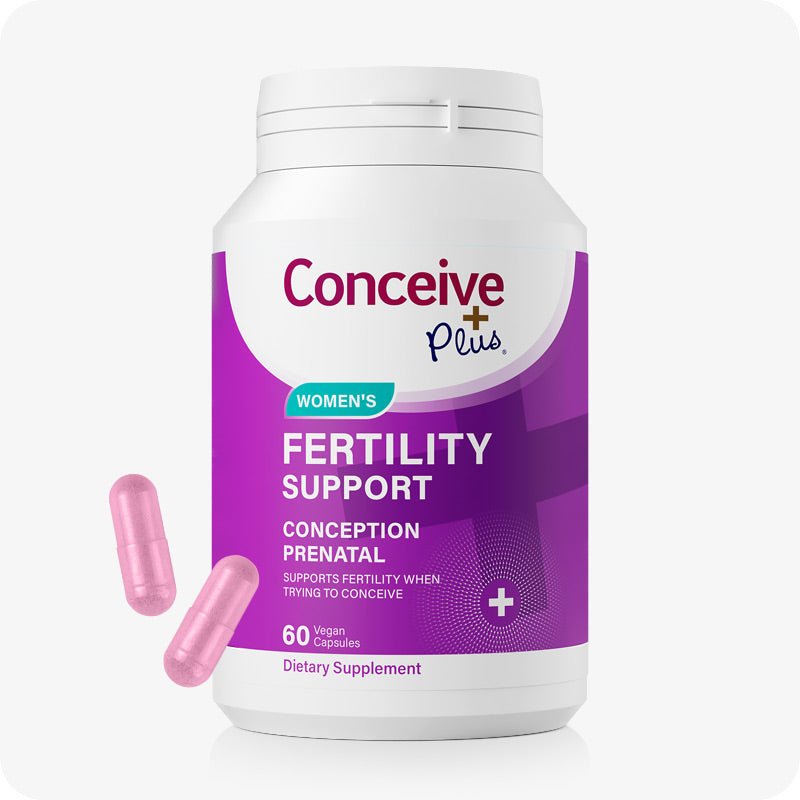
Buy prenatal vitamins with DHA from Conceive Plus, the fertility brand formulated for positive results! Helping trying to conceive and pregnant women with the best prenatal with DHA for pregnancy, the premium prenatal with DHA supplements available with free shipping. Order prenatal vitamins with DHA online here.
🌱 Get Answers Early
Millions of women trust Conceive Plus for their fertility journey. Clinically validated pregnancy tests delivered to your door.
Shop Pregnancy Tests →Frequently Asked Questions
Recommended by Fertility Experts
Conceive Plus Fertility Lubricant
Specially formulated to be sperm-friendly and isotonic, supporting your natural conception journey without disrupting the reproductive environment.
Shop Now →Q: Is extreme tiredness a sign of labor starting?
A: Yes, extreme fatigue can be a sign that labor is approaching, typically occurring in the final weeks or days before delivery. Many pregnant individuals experience a sudden surge in exhaustion as their body prepares for the physical demands of childbirth, which can be attributed to hormonal changes, increased metabolic demands, and the body's natural instinct to conserve energy. However, fatigue alone is not a definitive labor indicator—it should be paired with other signs like regular contractions, cervical changes, or loss of the mucus plug. If you experience sudden, severe exhaustion accompanied by other labor symptoms, contact your healthcare provider or midwife to assess whether active labor is beginning. According to the American College of Obstetricians and Gynecologists (ACOG), recognizing multiple labor signs together is more reliable than relying on any single symptom.
Q: Why am I so tired at 38 weeks pregnant?
A: Exhaustion at 38 weeks is extremely common and results from several physiological factors, including the significant weight gain and physical strain of late pregnancy, hormonal fluctuations, and disrupted sleep patterns caused by discomfort and frequent urination. Your body is also increasing metabolic activity to support fetal development and prepare for labor, which naturally depletes your energy reserves. Additionally, the emotional anticipation and anxiety about impending labor can contribute to mental fatigue and poor sleep quality. To manage this fatigue, prioritize rest by sleeping when possible, maintain adequate nutrition with nutrient-rich foods, and stay hydrated—proper hydration and balanced nutrition, supported by prenatal vitamins, can help sustain your energy levels during this critical final stretch. If your tiredness is accompanied by severe swelling, headaches, or vision changes, contact your healthcare provider immediately.
Q: How much sleep do pregnant women need in the third trimester?
A: Most healthcare providers recommend that pregnant individuals in the third trimester aim for 8-10 hours of sleep per night, though many struggle to achieve this due to physical discomfort and frequent nighttime urination. According to research published by the National Sleep Foundation, adequate sleep during pregnancy is crucial for immune function, glucose metabolism, and fetal development, yet approximately 66% of pregnant women report sleep disturbances in the third trimester. The American Academy of Sleep Medicine emphasizes that quality matters as much as quantity—short naps of 20-30 minutes during the day can also help restore energy levels. To improve sleep, try using pregnancy pillows for support, sleeping on your left side to optimize blood flow, and maintaining a consistent bedtime routine. If you're experiencing severe insomnia or sleep-disordered breathing, discuss these concerns with your obstetrician, as they can significantly impact pregnancy outcomes.
Q: Does fatigue before labor last how long?
A: The duration of pre-labor fatigue varies significantly among individuals—some experience sudden exhaustion in the final 24-48 hours before active labor begins, while others notice increasing tiredness over several weeks as they approach their due date. For many pregnant individuals, the most notable exhaustion occurs in the last 1-2 weeks of pregnancy as hormonal shifts intensify and the body enters its final preparation phase. This fatigue typically resolves once active labor begins, as the surge of adrenaline and oxytocin can actually provide a temporary energy boost despite the physical exertion. However, extreme tiredness should always be monitored, as severe fatigue combined with other symptoms like swelling or headaches could indicate conditions like preeclampsia that require immediate medical attention. If you're concerned about the severity or duration of your fatigue, your healthcare provider can evaluate whether additional rest, nutritional support, or medical intervention is needed.
Q: Can dehydration cause fatigue during late pregnancy?
A: Yes, dehydration is a significant but often overlooked cause of fatigue during late pregnancy, as your body requires additional fluids to support increased blood volume, amniotic fluid production, and fetal needs. Studies show that even mild dehydration can trigger exhaustion, reduced mental clarity, and muscle weakness—symptoms that can be easily mistaken for pre-labor fatigue. Pregnant individuals should aim to drink at least 8-10 glasses of water daily, with increased intake during hot weather or physical activity, as the American College of Obstetricians and Gynecologists emphasizes hydration as essential for optimal pregnancy outcomes. Proper hydration also supports nutrient absorption from your prenatal vitamins and supplements like Conceive Plus, which contain vitamins and minerals that depend on adequate water intake for effective utilization. If you're experiencing persistent tiredness in your third trimester, try increasing your water intake gradually and monitor whether your energy levels improve within a few days.
Trusted by Couples in Over 70 Countries
Start Your Fertility Journey With the Right Support
Conceive Plus Fertility Lubricant is specially formulated to be compatible with sperm, eggs, and embryos. Whether you are just starting out or have been trying for a while, our products are designed to work with your body — not against it.
Explore Fertility Lubricant →