Fertility Lubricants: Enhance Male Fertility to Help You Conceive


Improving your chances of conception can be a delicate and personal journey. One important factor to consider is the use of fertility lubricants. These specialized products are designed to support reproductive health and increase the likelihood of successful fertilization. Whether you're a couple trying to conceive or an individual taking steps towards parenthood, understanding the right fertility lubricant for your needs can make all the difference.
Understanding Fertility Lubricants
Fertility Lubricants are a type of personal lubricant specifically formulated to be sperm-friendly and compatible with the natural pH and osmolality of the female reproductive system. Unlike traditional lubricants, which can be harmful to sperm and disrupt the natural environment, fertility lubricants are carefully crafted to maintain sperm motility and viability.
There are several types of fertility lubricants available on the market, each with its own unique characteristics and benefits. Some of the most common options include:
- Water-based lubricants: These are the most widely used fertility lubricants, as they are generally safe for sperm and the vaginal environment.
- Oil-based lubricants: While effective, oil-based lubricants can potentially damage condoms and are not recommended for use during intercourse.
- Hybrid lubricants: These combine the benefits of water-based and oil-based formulas, offering a balance of lubrication and sperm-friendliness.
When choosing a fertility lubricant, it's essential to consider factors such as pH balance, osmolality, and the presence of any potential allergens or irritants in the ingredients.
Choosing the Right Fertility Lubricant
Recommended by Fertility Experts
Conceive Plus Men's Fertility Support
Designed to support healthy sperm production, motility, and overall male reproductive health with clinically studied nutrients.
Shop Now →Selecting the right fertility lubricant can be a crucial step in your journey towards conception. Here are some key factors to consider:
pH Balance and Sperm Motility
The pH of the vaginal environment is naturally slightly acidic, typically ranging from 3.8 to 4.5. During ovulation days the pH of the vagina increases to between 7.0 to 8.0 Fertility lubricants should be formulated to match this higher pH range, as it helps maintain sperm motility and viability. For this reason we recommend using fertility lubricant only during your ovulation days.
Osmolality and Sperm Survival
Osmolality, or the concentration of dissolved particles in a solution, is another important factor. Fertility lubricants with an osmolality that is too high or too low can negatively impact sperm survival and function.
Ingredients and Potential Allergens
Carefully review the ingredient list of any fertility lubricant you're considering. Avoid products that contain parabens, glycerin, or other additives that may be irritating or harmful to sperm.

✨ The #1 Fertility-Friendly Lubricant
Regular lubricants can harm sperm. Conceive Plus is clinically shown to maintain sperm motility — used by couples in over 70 countries.
Shop Now — $19.88✓ Free shipping on orders over $40 | ✓ Trusted by millions of couples worldwide
Top Fertility Lubricants on the Market
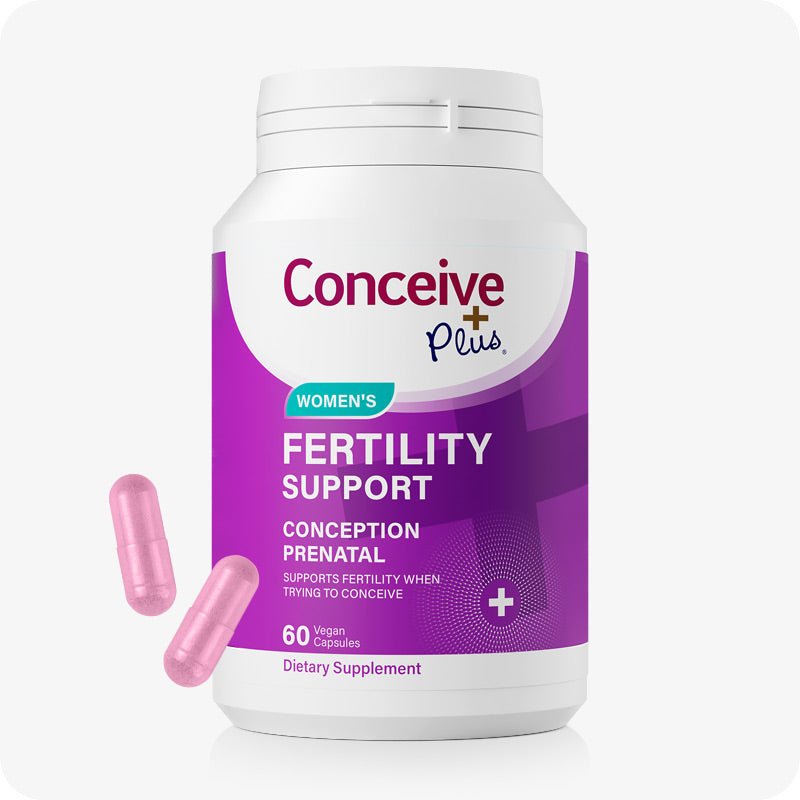
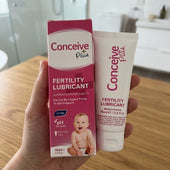
When it comes to fertility lubricants, Conceive Plus USA stands out as a trusted and reliable option. Conceive Plus is a water-based, sperm-friendly lubricant that is specifically formulated to support reproductive health. Its unique blend of ingredients, including calcium and magnesium, helps create an environment that is conducive to sperm survival and motility.
Tips for Using Fertility Lubricants Effectively
To maximize the benefits of fertility lubricants, it's important to use them correctly and in conjunction with other fertility-enhancing strategies. Here are some tips:
- Time the application: Apply the lubricant just before or during intercourse, as close to ovulation as possible.
- Combine with other fertility aids: Fertility lubricants can be used in conjunction with ovulation tracking, basal body temperature monitoring, and other fertility-boosting methods.
- Monitor your cycles and ovulation: Pay close attention to your menstrual cycle and ovulation patterns to ensure you're using the lubricant at the most optimal times.
Addressing Misconceptions and Myths
There are several common misconceptions and myths surrounding the use of fertility lubricants. It's important to address these to ensure you have accurate information and make informed decisions.
One common myth is that fertility lubricants are harmful to sperm. However, when used as directed, high-quality fertility lubricants are designed to be sperm-friendly and support reproductive health.
Another myth is that fertility lubricants are a substitute for other fertility treatments. While they can be a valuable tool, fertility lubricants should be used in conjunction with other medical interventions and under the guidance of a healthcare professional.
Alternatives to Fertility Lubricants
While fertility lubricants can be a helpful tool, they are not the only option for those trying to conceive. Some alternative approaches include:
- Natural lubricants: Substances like coconut oil or aloe vera gel can be used as more natural, sperm-friendly options.
- Fertility treatments: For individuals or couples facing more complex fertility challenges, medical interventions such as in vitro fertilization (IVF) or intrauterine insemination (IUI) may be recommended.
Success Stories and Testimonials
Many couples have found success in using fertility lubricants as part of their conception journey. Hear from some of them:
"After struggling with infertility for years, Conceive Plus was a game-changer for us. It helped create the perfect environment for our sperm to thrive, and we were able to conceive our first child." - Sarah and John, California
"I was hesitant to try a fertility lubricant at first, but Prestige Personal Lubricant made all the difference. We saw a noticeable improvement in sperm motility, and within a few months, we were pregnant!" - Emily and David, New York
"Fertility lubricants like FertilityBlend have been a crucial part of our fertility journey. They've helped us feel more in control and confident as we work towards starting our family." - Samantha and Michael, Illinois
Conclusion
Navigating the world of fertility lubricants can be a daunting task, but with the right information and guidance, you can make an informed decision that supports your reproductive health and increases your chances of conception. Whether you choose Conceive Plus or another trusted fertility lubricant, remember to always consult with a healthcare professional and combine it with other fertility-enhancing strategies for the best results.
Your journey towards parenthood is unique, and the right fertility lubricant can be a valuable tool in helping you achieve your goals. Embrace the process, stay informed, and trust that with the right support, your dreams of starting a family can become a reality.
🌱 Give Sperm the Best Chance
Conceive Plus fertility lubricant is pH-balanced to support sperm on their journey. Recommended by fertility specialists worldwide.
Shop Fertility Lubricant →Frequently Asked Questions
Are fertility lubricants FDA approved and safe to use when trying to conceive?
Fertility lubricants are considered medical devices and must meet FDA safety standards before being marketed in the United States. Look for products that are specifically labeled as fertility or sperm-friendly lubricants, as these have been formulated and tested to ensure they don't harm sperm viability. It's always recommended to consult with your fertility specialist or OB-GYN before using any new product during your conception journey.
Can regular lubricants harm sperm and reduce fertility?
Yes, traditional lubricants can negatively impact sperm motility and survival due to their pH levels, osmolality, and chemical ingredients that are not compatible with reproductive health. Common lubricants like Astroglide, KY Jelly, and even saliva can create an inhospitable environment for sperm. This is why fertility specialists recommend using only sperm-friendly lubricants during your fertile window and ovulation days.
When should I use fertility lubricant during my cycle?
Fertility lubricants should only be used during your ovulation days, typically when your vaginal pH naturally rises to between 7.0 and 8.0—a level that supports sperm motility. Using fertility lubricant outside of this window is unnecessary and not recommended. If you're unsure about your ovulation dates, track your cycle using ovulation predictor kits or consult with your healthcare provider.
Does health insurance cover the cost of fertility lubricants?
Most standard health insurance plans do not cover fertility lubricants, as they are typically considered over-the-counter products rather than prescribed medications. However, some fertility clinics may recommend specific brands, and if purchased through a fertility center, you can inquire about potential discounts or package deals. FSA (Flexible Spending Account) or HSA (Health Savings Account) funds may be used to purchase fertility lubricants, so check your plan details.
What's the difference between water-based and hybrid fertility lubricants?
Water-based fertility lubricants are the most commonly used option and are generally safe for sperm and the vaginal environment, though they may dry out quickly during intercourse. Hybrid lubricants combine water-based and oil-based formulas to provide longer-lasting lubrication while maintaining sperm-friendly properties. The choice between them depends on your personal preference and comfort, but both are considered safe for fertility purposes.
Should I use fertility lubricant if I'm undergoing fertility treatment like IUI or IVF?
It's important to discuss lubricant use with your fertility clinic during any assisted reproductive procedures, as their protocols may differ from natural conception attempts. Some fertility centers have specific recommendations or may advise avoiding lubricants entirely during certain procedures to ensure optimal results. Your reproductive endocrinologist can provide personalized guidance based on your specific treatment plan.
Can using fertility lubricant guarantee pregnancy or improve my chances significantly?
While fertility lubricants create a more sperm-friendly environment and can remove a potential barrier to conception, they are not a guarantee for pregnancy and should be viewed as one supportive tool among many. Your chances of conception depend on numerous factors including egg quality, sperm health, timing, and overall reproductive health. Fertility lubricants are most effective when combined with proper cycle tracking, healthy lifestyle choices, and professional medical guidance.
Trusted by Couples in Over 70 Countries
Support Male Fertility From the Inside Out
Male fertility is just as important as female fertility in the conception journey. Conceive Plus Men's range delivers targeted nutritional support to promote healthy sperm and overall reproductive wellbeing.
Shop Men's Range →