How Can You Recognize the Signs and Symptoms of Not Ovulating?
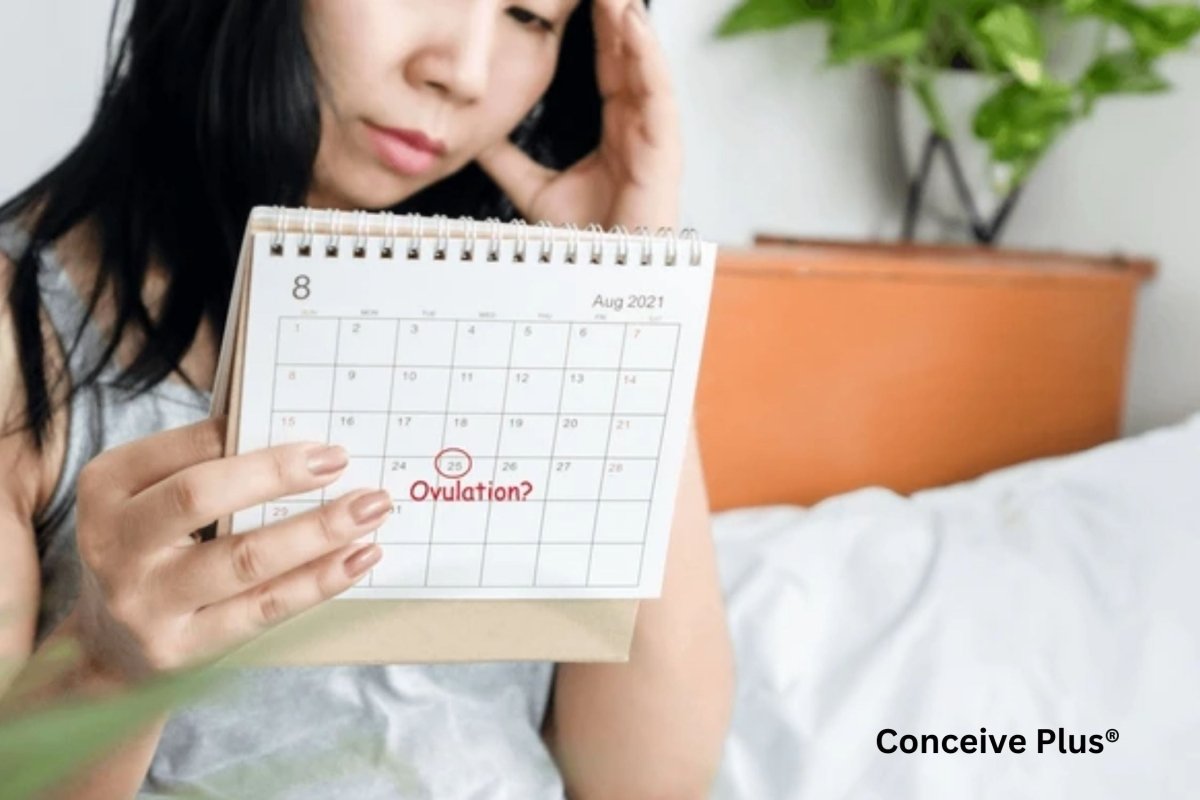

If you're trying to conceive, it's crucial to proactively understand the signs and symptoms of not ovulating. Ovulation, when an egg is released from the ovary, is a key moment for pregnancy. However, some women experience cycles where ovulation doesn't occur, known as anovulation. By recognizing the signs of not ovulating and understanding the reasons for not ovulating early on, you can take control of potential fertility issues and address them promptly.

What Is Anovulation and Why Does It Happen?
Anovulation is a condition in which the ovary fails to release an egg during the menstrual cycle. It can happen occasionally to any woman, but repeated anovulation can signal underlying ovulation problems. Knowing the signs you are not ovulating is essential for anyone on a fertility journey.
Several causes of not ovulating include:
- Polycystic Ovary Syndrome (PCOS): A hormonal disorder causing irregular ovulation [1].
- Thyroid Disorders: Both hypothyroidism and hyperthyroidism can disrupt hormone levels, affecting ovulation [2].
- Lifestyle Factors: Stress, excessive exercise, and extreme weight loss or gain can impact ovulation.
- Medications: Some medications, like hormonal contraceptives, can interfere with ovulation [3].
Understanding these causes of no ovulation can help in finding the right approach to managing and improving ovulation health.
Recognizing the Signs and Symptoms of No Ovulation
Spotting the signs that your not ovulating and symptoms of no ovulation isn't always a straight line. Some not ovulating symptoms can include:
- Irregular or Absent Periods: One of the most common signs of no ovulation is an irregular menstrual cycle or missing periods altogether. If you notice your cycles are unpredictable or absent, this could be a sign you not ovulating.
- Changes in Menstrual Flow: Experiencing very light or very heavy periods could be a sign your not ovulating regularly.
- No Change in Cervical Mucus: Typically, cervical mucus becomes clear and stretchy around ovulation. If you do not notice this change, it may be a symptom of non ovulation [4].
- Steady Basal Body Temperature: Normally, basal body temperature rises slightly after ovulation. If there is no noticeable rise, this could indicate anovulation—one of the signs your not ovulating.

How to Determine If You're Not Ovulating
Wondering How do you know if your not ovulating? There are a few methods to help you figure out how to know if your not ovulating:

✨ Trying to Conceive?
Our Ovulation & Fertility Bundle combines Myo-Inositol with essential vitamins to support healthy hormone balance and regular ovulation.
Shop Now — $55.00✓ Free shipping on orders over $40 | ✓ Trusted by millions of couples worldwide
- Monitor Your Cycle: Keeping track of your menstrual cycle can help detect irregularities. If your cycle varies greatly in length, this could be a sign that you're not ovulating.
- Use Ovulation Predictor Kits (OPKs): These kits measure the surge in luteinizing hormone (LH) that typically occurs before ovulation. If you consistently do not see an LH surge, it may suggest anovulation.
- Watch for Physical Symptoms: A lack of ovulation-related symptoms, such as cervical mucus changes or ovulation pain, can be a clue.
Understanding how can you tell if your not ovulating involves paying attention to both physical signs and using tools like OPKs or basal body temperature charts.
What Are the Symptoms of Non Ovulation?
The symptoms of non ovulation can be subtle or more apparent, depending on the individual. Some of the common no ovulation symptoms include:
- No Periods: Missing several periods in a row without pregnancy could be a clear indication.
- Hormonal Imbalance Symptoms: Symptoms such as acne, hair growth, or weight gain can accompany conditions like PCOS, which is a common reason of not ovulating [5].
What to Do If You Suspect Anovulation
If you notice any of the signs and symptoms of not ovulating, there are steps you can take:
- Lifestyle Changes: It's empowering to know that managing stress, maintaining a healthy weight, and avoiding excessive exercise can play a significant role in regulating ovulation. These changes can give you hope and a sense of control over your fertility journey.
- Nutritional Support: Vitamins and minerals like folic acid, vitamin D, zinc, and magnesium can support reproductive health and help balance hormones.
Quick Tip: Ingredients like Myo-Inositol and D-Chiro Inositol are beneficial in improving ovulation, especially for those with PCOS.
If you're looking for natural ways to induce ovulation, be sure to check out this guide for effective and safe methods to regulate your cycle.

When to See a Doctor
If you've been trying to conceive for a while and suspect you’re showing signs you not ovulating, it's time to consult a doctor. Medical professionals can offer more precise methods of detecting ovulation, such as blood tests for hormone levels or ultrasounds to observe ovarian activity.
Can You Get Pregnant If You're Not Ovulating?
It's not possible to conceive without ovulation, as there is no egg for sperm to fertilize. If you notice any signs you're not ovulating or are unsure how to know if you're not ovulating, consult a healthcare professional. They can provide further testing and suggest ways to help induce ovulation if necessary.
The Bottom Line
Recognizing the signs and symptoms of not ovulating is key for anyone trying to conceive. Early recognition allows for timely intervention, whether through lifestyle adjustments, supplements, or medical treatments. Conceive Plus offers products designed to enhance fertility through vitamins and supplements that support reproductive health. If you're worried about ovulation, consult a doctor to determine the cause and explore your options.
FAQs
1. How can you tell if you not ovulating?
You can tell by tracking your menstrual cycle, noting any absence of periods, or using ovulation tests that consistently show no LH surge.
2. What are the reasons for not ovulating?
The reasons include hormonal imbalances, such as PCOS or thyroid dysfunction, stress, extreme weight changes, and certain medications.
3. Are lifestyle changes helpful for improving ovulation?
Yes, reducing stress, maintaining a balanced diet, and exercising moderately can help improve ovulation regularity.
4. What are the symptoms of non ovulation?
Symptoms can include irregular menstrual cycles, very light or very heavy periods, and lack of ovulation signs like changes in cervical mucus.
5. When should I consult a doctor about not ovulating?
If you've been trying to conceive without success or have irregular periods, it's wise to see a healthcare provider for evaluation and possible treatment.
Citations
- Dennett CC, Simon J. The role of polycystic ovary syndrome in reproductive and metabolic health: overview and approaches for treatment. Diabetes Spectr. Available at: https://www.ncbi.nlm.nih.gov/pmc/articles/PMC4433074/
- Krassas GE, Poppe K, Glinoer D. Thyroid function and human reproductive health. Endocr Rev. Available at: https://pubmed.ncbi.nlm.nih.gov/20573783/
- Sullivan SD, Sarrel PM, Nelson LM. Hormone replacement therapy in young women with primary ovarian insufficiency and early menopause. Fertil Steril. Available at: https://pubmed.ncbi.nlm.nih.gov/27912889/
- Najmabadi S, Schliep KC, Simonsen SE, Porucznik CA, Egger MJ, Stanford JB. Cervical mucus patterns and the fertile window in women without known subfertility: a pooled analysis of three cohorts. Hum Reprod. Available at: https://www.ncbi.nlm.nih.gov/pmc/articles/PMC8487651/
- Rebar, R. W. (2024, February 8). Abnormal cervical mucus. MSD Manual Professional Edition. Available at: https://www.msdmanuals.com/professional/gynecology-and-obstetrics/infertility-and-recurrent-pregnancy-loss/abnormal-cervical-mucus
Conceive Plus is the best place to buy myo-inositol online for the best myo-inositol supplements Conceive Plus Ovulation Support contains premium myo-inositol for sale. Order myo-inositol capsules online today to boost your ovulation and regulate hormones and menstrual cycles.
🌱 Support Your Fertility Journey
Conceive Plus fertility supplements are clinically formulated to help regulate your cycle and support egg quality.
Shop Fertility Support →Frequently Asked Questions
Recommended by Fertility Experts
Conceive Plus Men's Fertility Support
Designed to support healthy sperm production, motility, and overall male reproductive health with clinically studied nutrients.
Shop Now →Q: Can a woman not ovulate?
A: Yes, women can experience anovulation, a condition where the ovary fails to release an egg during a menstrual cycle. According to the American Society for Reproductive Medicine (ASRM), anovulation accounts for approximately 30-40% of infertility cases in women. This can occur occasionally or regularly depending on underlying hormonal, lifestyle, or health factors. Women experiencing anovulation may still have regular periods, making it difficult to detect without tracking ovulation signs or using ovulation predictor kits.
Q: Can you have a period but not ovulate?
A: Yes, it's entirely possible to menstruate without ovulating, a cycle known as anovulatory bleeding. During these cycles, the uterine lining still sheds in response to hormonal changes, but no egg was released from the ovary. This is more common than many women realize, particularly in teenage years, during perimenopause, or with conditions like polycystic ovary syndrome (PCOS). If you're trying to conceive and suspect you're having anovulatory cycles, tracking basal body temperature or using ovulation predictor tests can help confirm whether ovulation is actually occurring.
Q: Can you get pregnant if you are not ovulating?
A: No, pregnancy cannot occur without ovulation because there must be an egg released from the ovary to be fertilized by sperm. If you're not ovulating, conception is biologically impossible. According to fertility data, anovulation is a leading cause of infertility, accounting for significant percentages of cases addressed by fertility specialists. If you've been trying to conceive for several months without success, consulting with a healthcare provider to evaluate your ovulation patterns is essential. Addressing the underlying cause of anovulation through lifestyle modifications, supplements like Conceive Plus, or medical treatment can help restore fertility.
Q: Can I have ovulation symptoms and not ovulate?
A: Yes, many women experience symptoms they associate with ovulation—such as mild cramping, breast tenderness, or changes in cervical mucus—without actually releasing an egg. This can be confusing when trying to conceive because these physical signs don't always indicate true ovulation. The only reliable way to confirm ovulation is through basal body temperature tracking (which shows a sustained temperature shift after ovulation), ovulation predictor kits that measure luteinizing hormone (LH), or ultrasound confirmation by a fertility specialist. If you're experiencing ovulation-like symptoms but not conceiving after several months, it's worth discussing ovulation confirmation methods with your healthcare provider.
Q: What are the main signs and symptoms of not ovulating?
A: Key signs of anovulation include irregular or absent periods, consistently normal basal body temperature without a rise, absence of cervical mucus changes, and difficulty conceiving despite regular unprotected intercourse. Some women may also experience hormonal imbalances that cause acne, irregular hair growth, or weight fluctuations. The underlying causes—such as PCOS, thyroid disorders, low body weight, or excessive exercise—may also present with their own symptoms. If you suspect you're not ovulating, tracking your cycle for 2-3 months and consulting a fertility specialist can help identify the cause and appropriate treatment options, which may include lifestyle changes, fertility supplements like Conceive Plus, or medical interventions.
Trusted by Couples in Over 70 Countries
Support Male Fertility From the Inside Out
Male fertility is just as important as female fertility in the conception journey. Conceive Plus Men's range delivers targeted nutritional support to promote healthy sperm and overall reproductive wellbeing.
Shop Men's Range →