Multivitamin Without Calcium: Exploring a Balanced Supplement Strategy


In recent years, there has been increasing awareness about the optimal balance and sources of dietary nutrients. While many people focus on filling nutritional gaps with comprehensive supplements, the idea of selecting a formulation without certain minerals has also gained traction. As a result, more individuals are seeking a multivitamin without calcium or otherwise considering vitamins without calcium. Below, we delve into why such options exist and what benefits they may offer for those looking to tailor a personalized approach to nutrition.
Shifting Perspectives on Calcium Intake
Historically, calcium has been synonymous with bone health and was often included in the majority of daily supplements. However, research into adult dietary needs has demonstrated that many individuals already get enough calcium from regular meals, particularly if they consume dairy products, leafy greens, and fortified foods. Some recent guidelines suggest that unnecessary supplemental calcium can lead to imbalances if intake far exceeds recommended daily amounts [1].

One reason for caution is that excessive calcium may interfere with the absorption of certain other minerals like iron, zinc, and magnesium. For those who already meet or exceed the recommended calcium intake through diet, taking additional calcium in a multivitamin may not always be beneficial. According to a 2024 review published in a well-respected nutrition journal, many adults in industrialized nations do not suffer from calcium deficiency, making large amounts of supplemental calcium less of a universal requirement than previously assumed.
Targeted Nutrient Support
For individuals with unique health needs, a targeted approach to supplementation can be beneficial. This is where the idea of excluding calcium from a multivitamin becomes relevant. Choosing a product tailored to specific deficiencies makes optimizing one’s nutrient intake easier without overshooting particular thresholds.
Some nutrition experts recommend focusing first on essential vitamins like A, C, D, E, and the B-complex, as well as vital minerals such as magnesium, selenium, and zinc. When calcium is deliberately left out, there is room in the formulation to increase doses of these other important nutrients or even to include specialized components like antioxidants, herbal extracts, or phytonutrients [2].
Similarly, for individuals with specific dietary sensitivities, opting for prenatal without biotin can be just as crucial as choosing a multivitamin without calcium, ensuring that each supplement aligns with unique health needs.
The Role of Lifestyle in Supplement Choices

✨ Start Your Prenatal Care Today
Our Prenatal Vitamins with DHA, Choline & Folate provide the essential nutrients you and your baby need for a healthy start.
Shop Now — $34.95✓ Free shipping on orders over $40 | ✓ Trusted by millions of couples worldwide
Lifestyle preference is a key factor often influencing people to go the route of a multivitamin excluding calcium. For instance, individuals who follow a Mediterranean or plant-rich diet frequently obtain calcium from sources such as beans, fortified plant milks, tofu, and cruciferous vegetables. If a person is already consuming calcium-rich foods, adding extra calcium via a multivitamin can feel redundant.
Furthermore, some people are advised by healthcare practitioners to limit calcium supplements for medical reasons. In older adults or those prone to kidney stones, controlling calcium intake becomes a practical measure. The choice to exclude calcium may also be relevant for those taking prescription medications that interact adversely with high calcium levels.

Balancing Interactions with Other Nutrients
When exploring supplements, it is vital to remember that nutrients interact with each other in ways that can either enhance or reduce absorption. Vitamin D, for example, promotes calcium absorption, but if you are not short on calcium, adding higher doses of vitamin D to a multivitamin could inadvertently push calcium levels beyond what your body needs. Similarly, the presence of certain minerals can inhibit or encourage the uptake of others [2].
Magnesium deficiency is relatively common, but it can also be overshadowed by too much calcium. A supplement without calcium may allow for more balanced magnesium levels, thereby preventing potential deficiencies that might impact muscle, nerve, and heart function.
Considering Expert Guidance
Before making any changes to an existing supplement routine, it is always wise to seek professional medical advice. A healthcare provider, dietitian, or nutritionist can evaluate your current dietary habits, overall health status, and blood test results. These professionals can help you determine whether a formula without calcium is suitable or if you should adopt another approach.
Additionally, expert guidance can extend to dosing schedules. It may be more beneficial to split certain supplements throughout the day. Iron, for instance, is best absorbed on an empty stomach, while fat-soluble vitamins (A, D, E, K) require some dietary fats for optimal uptake. Adhering to these subtle guidelines can optimize the benefits of any supplement selection [3].
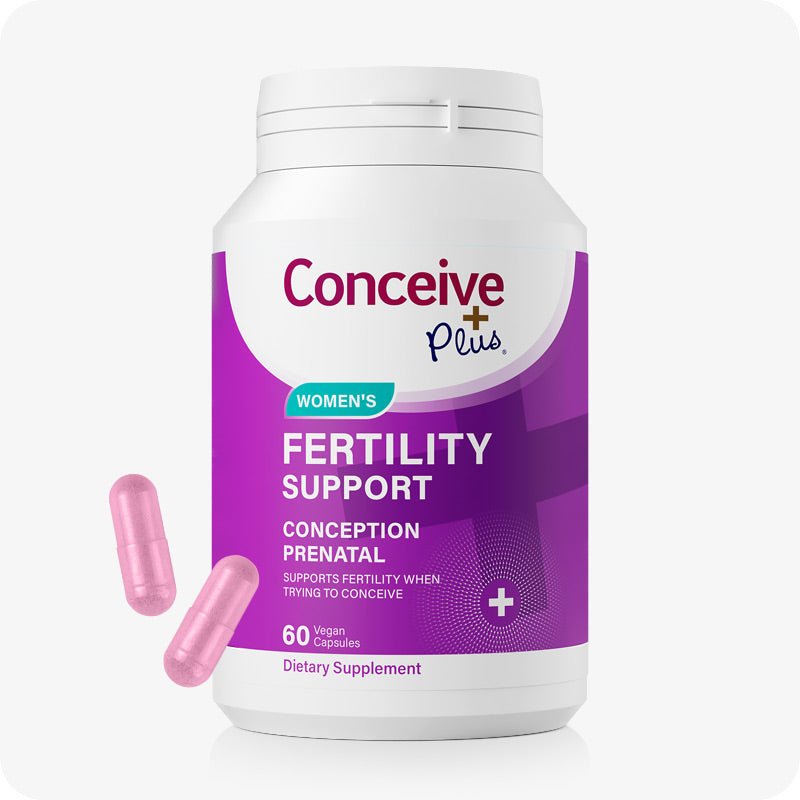
For those looking for a well-rounded prenatal supplement, Conceive Plus Prenatal with DHA provides essential nutrients, including DHA, to support both maternal well-being and fetal development.
The Bottom Line
Selecting the right balance of nutrients often requires a careful analysis of individual needs. A multivitamin without calcium may be the best fit for those who already consume enough calcium through their everyday meals, or for individuals advised by healthcare professionals to limit excess calcium. Ultimately, keeping track of lifestyle choices, dietary intake, and medical recommendations can guide you toward the most effective nutritional strategy.

References:
- Bourassa MW, Abrams SA, Belizán JM, Boy E, Cormick G, Quijano CD, Gibson S, Gomes F, Hofmeyr GJ, Humphrey J, Kraemer K, Lividini K, Neufeld LM, Palacios C, Shlisky J, Thankachan P, Villalpando S, Weaver CM. Interventions to improve calcium intake through foods in populations with low intake. Ann N Y Acad Sci. Available at: https://pmc.ncbi.nlm.nih.gov/articles/PMC9306636/
- Lips P, Gielen E, van Schoor NM. Vitamin D supplements with or without calcium to prevent fractures. Bonekey Rep. Available at: https://pmc.ncbi.nlm.nih.gov/articles/PMC4015453/
- National Institutes of Health State-of-the-Science Panel. National Institutes of Health State-of-the-Science Conference Statement: multivitamin/mineral supplements and chronic disease prevention. Am J Clin Nutr. Available at: https://www.acpjournals.org/doi/10.7326/0003-4819-145-5-200609050-00136
🌱 Everything You and Baby Need
Conceive Plus Prenatal Vitamins are formulated with DHA for brain development and Folate for neural tube protection.
Shop Prenatal Vitamins →Frequently Asked Questions
Recommended by Fertility Experts
Conceive Plus Men's Fertility Support
Designed to support healthy sperm production, motility, and overall male reproductive health with clinically studied nutrients.
Shop Now →Q: Do multivitamins contain calcium?
A: Most standard multivitamins do contain some calcium, though the amount varies significantly between formulations. According to FDA labeling standards, many daily multivitamins include 200-300 mg of calcium, which represents approximately 20-30% of the recommended daily value for adults. However, not all multivitamins contain calcium—some specialty formulations intentionally exclude it to avoid interactions with other nutrients or to accommodate individuals who receive adequate calcium from dietary sources. If you're considering a fertility supplement regimen, checking the supplement facts label is essential to understand your total calcium intake from all sources.
Q: Is there a multivitamin without calcium?
A: Yes, calcium-free multivitamins are available and may be preferable for certain populations. These formulations are designed for individuals who already meet their calcium needs through diet, consume separate calcium supplements, or wish to avoid potential mineral interactions that can affect nutrient absorption. Many fertility-focused supplements, including options like Conceive Plus, offer formulations without calcium to allow women and men to customize their supplementation strategy based on their individual nutritional needs. The absence of calcium in a multivitamin doesn't mean the formula is incomplete—it simply provides flexibility for those managing their total mineral intake across multiple sources.
Q: Why would someone want a multivitamin without calcium?
A: There are several reasons individuals might prefer a calcium-free multivitamin. High doses of calcium can interfere with the absorption of other essential minerals like iron, zinc, and magnesium—nutrients particularly important for reproductive health and fertility optimization. According to the American Society for Reproductive Medicine, proper mineral balance is crucial for conception and healthy pregnancies. Additionally, many Americans already consume adequate calcium through dairy products, fortified foods, and other dietary sources, making a separate calcium supplement more practical than a one-size-fits-all multivitamin. Those focusing on fertility may benefit from targeted formulations that prioritize reproductive nutrients without unnecessary minerals.
Q: What nutrients should I look for if I choose a multivitamin without calcium?
A: If you select a calcium-free multivitamin, prioritize formulations containing folate (or methylfolate), vitamin D, iron, zinc, selenium, and CoQ10, depending on your individual needs. The CDC recommends that women of childbearing age consume 400 micrograms of folic acid daily to reduce the risk of neural tube defects, making this a critical nutrient in any fertility supplement. Quality multivitamins should also include B vitamins for energy metabolism and reproductive hormone balance. For those using Conceive Plus or similar fertility supplements, reviewing the complete nutrient profile ensures you're not creating gaps while maintaining optimal mineral ratios for conception and reproductive health.
Q: Can I take a multivitamin without calcium alongside a calcium supplement?
A: Yes, combining a calcium-free multivitamin with a separate calcium supplement is an effective strategy for many people, as it allows better timing and absorption of each nutrient. Calcium is best absorbed in smaller doses (500 mg or less) taken with meals, so separating it from your multivitamin can actually improve your body's ability to absorb both. The National Institutes of Health recommends that adults get 1,000-1,200 mg of calcium daily, which is often easier to achieve through divided dosing rather than a single multivitamin. This approach is particularly popular among those optimizing their nutrition for fertility, as it allows precise control over nutrient timing and interactions—a strategy many fertility specialists support for couples planning conception.
Trusted by Couples in Over 70 Countries
Support Male Fertility From the Inside Out
Male fertility is just as important as female fertility in the conception journey. Conceive Plus Men's range delivers targeted nutritional support to promote healthy sperm and overall reproductive wellbeing.
Shop Men's Range →