Male Fertility & Sperm Motility: What Every Man Needs to Know


Male Fertility & Sperm Motility: What Every Man Needs to Know
When couples face challenges conceiving, conversations often centre on the woman's health. Yet male factor infertility accounts for approximately 40–50% of all infertility cases worldwide, according to research published in Human Reproduction Update. At the heart of male fertility lies one critical parameter: sperm motility — the ability of sperm to swim efficiently toward an egg.
Understanding what motility means, why it matters, and how to improve it can be genuinely life-changing. This guide explores the science, the statistics, and the practical steps men can take to support their reproductive health.
What Is Sperm Motility — And Why Does It Matter?
Sperm motility refers to the percentage of sperm cells in a semen sample that are actively moving. The World Health Organization (WHO) defines normal motility as at least 42% of sperm showing any movement, with at least 30% displaying progressive motility — meaning they swim in a forward, purposeful direction.
Why does this matter so much? Even if a man produces millions of sperm, they need to complete an extraordinary journey: navigating the cervix, travelling through the uterus, and reaching the fallopian tube where fertilisation occurs. Sperm that move sluggishly, swim in circles, or remain stationary simply cannot make that journey.
Asthenozoospermia is the clinical term for poor sperm motility. Studies suggest it affects around 19% of infertile men. When combined with low sperm count or poor morphology (shape), the effect on fertility is compounded.
The good news: motility is one of the most responsive parameters to lifestyle changes and nutritional support. Unlike genetics or age-related egg quality, sperm regenerate approximately every 64–74 days, which means interventions made today can produce measurable improvements within two to three months.
The Science Behind Sperm Movement
Support Your Fertility Journey
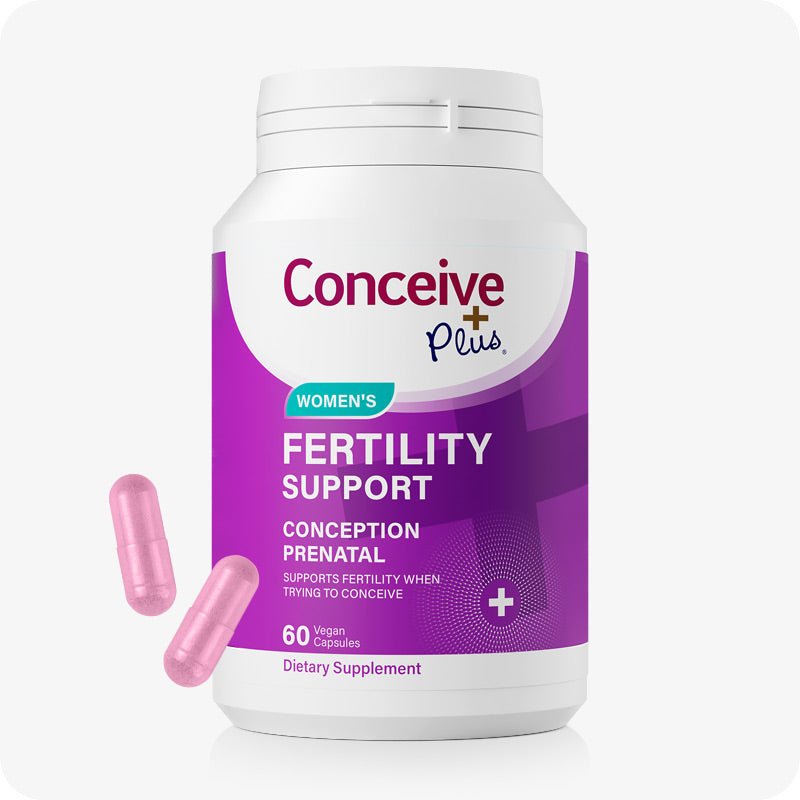
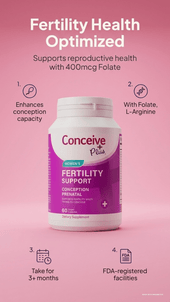
Conceive Plus Men's Fertility Support is formulated by fertility experts to support healthy sperm production, motility, and morphology. Trusted by couples worldwide.
Learn More →To appreciate how to protect sperm motility, it helps to understand how sperm actually move. Each sperm cell has a head (containing the genetic material), a midpiece (packed with mitochondria), and a tail (flagellum) that whips back and forth to propel the cell forward.
The midpiece is particularly critical: its mitochondria generate the ATP (adenosine triphosphate) energy that powers flagellar movement. Anything that disrupts mitochondrial function — oxidative stress, heat, nutritional deficiencies — directly impairs motility.
Oxidative stress is perhaps the most extensively studied culprit. Reactive oxygen species (ROS) — unstable molecules produced during normal cellular metabolism — attack sperm cell membranes, DNA, and mitochondria. The sperm cell has limited antioxidant defences compared to other cells, making it unusually vulnerable.
Research published in Fertility and Sterility found that up to 80% of infertile men have elevated levels of seminal ROS compared to fertile controls. This highlights why antioxidant nutrition is a cornerstone of any strategy to improve motility.
Key Nutrients That Support Sperm Motility
The relationship between nutrition and sperm quality is well-established. Several micronutrients have been shown in clinical research to directly support motility:
Coenzyme Q10 (CoQ10)
CoQ10 is central to mitochondrial energy production. A 2013 meta-analysis in the Journal of Urology reviewed four randomised controlled trials and found that CoQ10 supplementation significantly improved sperm motility and concentration in infertile men. The mitochondria-rich midpiece of the sperm cell is thought to be where CoQ10 has its greatest impact.
Zinc
Zinc is found in exceptionally high concentrations in seminal plasma. It plays a role in testosterone synthesis, sperm cell membrane stability, and DNA integrity. Studies show that men with low seminal zinc levels consistently have poorer motility and morphology. A systematic review in Nutrients (2018) confirmed zinc supplementation improved both motility and sperm count in men with subfertility.
L-Carnitine
L-carnitine and its derivative acetyl-L-carnitine are essential for transporting fatty acids into the mitochondria, where they're used as fuel. The epididymis — the tube where sperm mature — is rich in carnitine, underscoring its role in sperm function. A 2017 Cochrane review found significant improvements in motility with carnitine supplementation in men with poor sperm quality.
Folate and Vitamin B12
Folate deficiency is associated with higher rates of sperm DNA fragmentation. B12 supports the methylation processes that maintain sperm DNA integrity. Research in Asian Journal of Andrology showed that combined folate and zinc supplementation improved sperm count by 74% in subfertile men.
Vitamin C and E
These antioxidants work synergistically to neutralise ROS. A randomised trial published in Fertility and Sterility found that 1,000 mg of vitamin C daily for two months significantly increased motility, count, and morphology while reducing DNA damage.
Selenium
Selenium is incorporated into selenoproteins essential for sperm tail structure and function. Selenium deficiency is directly linked to impaired motility. The testis actively concentrates selenium, reflecting how critical it is to male reproductive function.
Lifestyle Factors That Affect Motility
Beyond nutrition, several lifestyle factors have significant, evidence-backed effects on sperm motility:
Heat Exposure
The testes are located outside the body for good reason: sperm production requires temperatures about 2–4°C lower than core body temperature. Prolonged exposure to heat — through hot tubs, saunas, tight underwear, or laptop computers resting on the lap — has been shown to temporarily reduce sperm motility and count. A 2018 study in Reproductive Biology and Endocrinology found that even 30 minutes of scrotal heat exposure significantly impaired sperm function.
Smoking
Cigarette smoke introduces a massive oxidative burden. A meta-analysis of 27 studies found that smoking reduces motility by approximately 13% and sperm count by 17%. It also increases the proportion of morphologically abnormal sperm. The effect is dose-dependent — heavier smokers show greater impairment.
Alcohol
Moderate alcohol consumption appears to have a mild negative effect on motility, while heavy drinking significantly disrupts testosterone production and sperm quality. A Danish cohort study found that men consuming more than 25 units per week had notably lower sperm quality across all parameters.
Exercise
Regular moderate exercise is consistently associated with better sperm motility and count. A 2016 study in the British Journal of Sports Medicine found that men who exercised for 15 or more hours per week at moderate intensity had 73% higher sperm concentration than sedentary men. However, excessive high-intensity training — particularly cycling — can have the opposite effect through heat and pressure.
Environmental Toxins
Bisphenol A (BPA), phthalates, pesticides, and heavy metals like lead and cadmium are endocrine disruptors that interfere with testosterone synthesis and directly impair sperm function. Research increasingly implicates environmental chemical exposure in declining sperm counts documented across Western populations over the past 50 years.
How to Get Tested: Understanding a Semen Analysis
The semen analysis (SA) is the foundational diagnostic tool for male fertility. It measures:
- Volume: Normal ≥ 1.5 mL
- Concentration: Normal ≥ 16 million sperm/mL
- Total motility: Normal ≥ 42%
- Progressive motility: Normal ≥ 30%
- Morphology (Kruger strict criteria): Normal ≥ 4% normal forms
- Vitality: Normal ≥ 54% live sperm
If motility falls below these thresholds, a repeat test 2–3 months later is recommended, as a single poor result can reflect temporary factors such as illness, fever, or stress. Additional tests — hormonal panels, antisperm antibody testing, and sperm DNA fragmentation analysis — may be recommended based on initial findings.
Home sperm testing kits have improved significantly and can provide a useful preliminary assessment, though they typically measure only count and basic motility and cannot replace a clinical semen analysis.
Medical Interventions for Poor Motility
When lifestyle and nutritional interventions are insufficient, medical options exist:
Clomiphene Citrate and Other Hormonal Therapies
In men with low testosterone or gonadotropin levels contributing to poor sperm production, hormonal therapies can stimulate the pituitary-testicular axis. Clomiphene, anastrozole, and hCG are used off-label in some cases, though evidence is mixed.
Antioxidant Therapy
Prescription-grade antioxidant protocols are used in many fertility clinics for men with documented oxidative sperm damage. This represents a formalised version of the nutritional approach discussed above.
Surgical Interventions
Varicocele — enlarged veins in the scrotum that increase testicular temperature — is the most common surgically correctable cause of male infertility. It's found in about 40% of infertile men. Varicocelectomy has been shown in multiple meta-analyses to improve motility and spontaneous pregnancy rates.
Assisted Reproductive Technology (ART)
Intrauterine insemination (IUI) places washed sperm directly into the uterus, bypassing many of the distance and motility challenges. Intracytoplasmic sperm injection (ICSI), used during IVF, allows a single sperm to be injected directly into an egg — making motility essentially irrelevant at the point of fertilisation. ICSI has transformed outcomes for men with severe motility issues.
The Psychological Dimension of Male Infertility
Male infertility remains significantly under-discussed, even as awareness grows. Many men report feelings of inadequacy, shame, or isolation when confronted with a fertility diagnosis. A 2021 study in Andrology found that men undergoing fertility treatment reported similar levels of psychological distress to women, yet were far less likely to seek psychological support.
This is an important gap to address. Psychological stress itself can impair sperm quality through elevated cortisol and its effect on the hypothalamic-pituitary-gonadal axis. Addressing the emotional dimension of male infertility — through counselling, support groups, or open conversations with partners — is not just good for wellbeing; it may directly support better outcomes.
Partners have a vital role to play. Research consistently shows that men are more likely to engage with treatment and lifestyle change when they feel supported by their partner rather than scrutinised or blamed.
Frequently Asked Questions
Q: Can poor sperm motility be reversed?
A: In many cases, yes. Because sperm regenerate every 64–74 days, improvements in nutrition, lifestyle, and supplementation can produce measurable changes in motility within 3–6 months.
Q: What percentage of sperm motility is considered normal?
A: According to WHO 2021 criteria, total motility should be at least 42%, with progressive motility (sperm swimming forward) of at least 30%.
Q: Does age affect sperm motility?
A: Yes, though less dramatically than age affects female fertility. Studies show a gradual decline in motility and DNA integrity from around age 40 onwards. However, men can father children well into later life.
Q: How long does it take for supplements to improve motility?
A: Because sperm take approximately 74 days to mature, most studies measure outcomes at 3–6 months. Significant improvements in motility have been documented in this timeframe with targeted nutritional protocols.
Q: Does diet affect sperm motility?
A: Substantially. A Mediterranean-style diet rich in antioxidants, healthy fats, and lean protein is consistently associated with better sperm quality. Processed foods, trans fats, and excess sugar are associated with poorer motility.
Q: Is low motility the same as infertility?
A: Not necessarily. Many men with below-normal motility conceive naturally, particularly if other parameters are good. The degree of impairment and whether other factors are present determines clinical impact.
Q: Can varicocele cause poor motility?
A: Yes. Varicocele elevates testicular temperature and oxidative stress, both of which directly impair motility. Surgical correction has been shown to improve motility in many cases.
Q: Should both partners be tested simultaneously?
A: Yes, this is the recommended approach. In 20–30% of infertile couples, both male and female factors are present. Testing simultaneously saves time and ensures both partners receive appropriate evaluation.
Q: Are home sperm tests reliable?
A: Home tests provide useful preliminary information on count and basic motility but cannot fully replace a clinical semen analysis, which evaluates morphology, DNA fragmentation, and detailed motility parameters.
Q: What is the difference between motility and morphology?
A: Motility refers to how well sperm swim; morphology refers to their shape and structure. Both are important. Normal morphology ensures the sperm can penetrate the egg effectively, while motility ensures it reaches the egg in the first place.
Ready to Take the Next Step?
Join thousands of couples who trust Conceive Plus to support their fertility journey. Conceive Plus Men's Fertility Support is clinically informed, expertly formulated, and designed for real results.
Shop Men's Fertility Support →