IVF Preparation: How to Optimise Your Body and Mind Before Treatment in United States


IVF Preparation: How to Optimise Your Body and Mind Before Treatment in United States
Beginning an IVF journey is one of the most significant decisions a person or couple can make — emotionally, physically, and financially. In United States, assisted reproductive technology has helped hundreds of thousands of families, yet the process remains demanding and the outcomes highly variable. What you do in the weeks and months before your IVF cycle begins can meaningfully influence that outcome.
This comprehensive guide covers evidence-based physical and psychological preparation strategies for IVF, helping you enter treatment in the best possible condition — maximising egg quality, endometrial receptivity, sperm health, and emotional resilience.
The Pre-IVF Preparation Window: Why 3–6 Months Matters
Fertility specialists often focus preparation conversations on the cycle itself — the injections, the monitoring, the egg collection. But the three to six months before a cycle are arguably equally important. Here's why:
Egg Maturation Timeline
The process by which a primordial follicle develops into a mature egg ready for fertilisation takes approximately 90 days (3 months). During the critical last phase — the antral follicle stage — the egg's metabolic environment is shaped by nutrition, oxidative stress, blood flow, and hormonal signalling. Improvements made during this window directly influence egg quality at retrieval.
Sperm Production
Complete spermatogenesis takes 72–74 days. Any lifestyle improvements made 3 months before collection will produce measurably improved sperm for fertilisation.
Uterine Health
The endometrium's receptivity to implantation is influenced by chronic lifestyle factors — inflammation, oestrogen balance, blood flow, immune regulation — that take weeks to months to shift.
Nutrient Stores
Vitamin D, folate, and iron stores build gradually. Beginning supplementation well before the cycle ensures adequate levels at the critical periconception stage.
Nutrition for IVF: What to Eat (and Avoid)
Support Your Fertility Journey with Conceive Plus
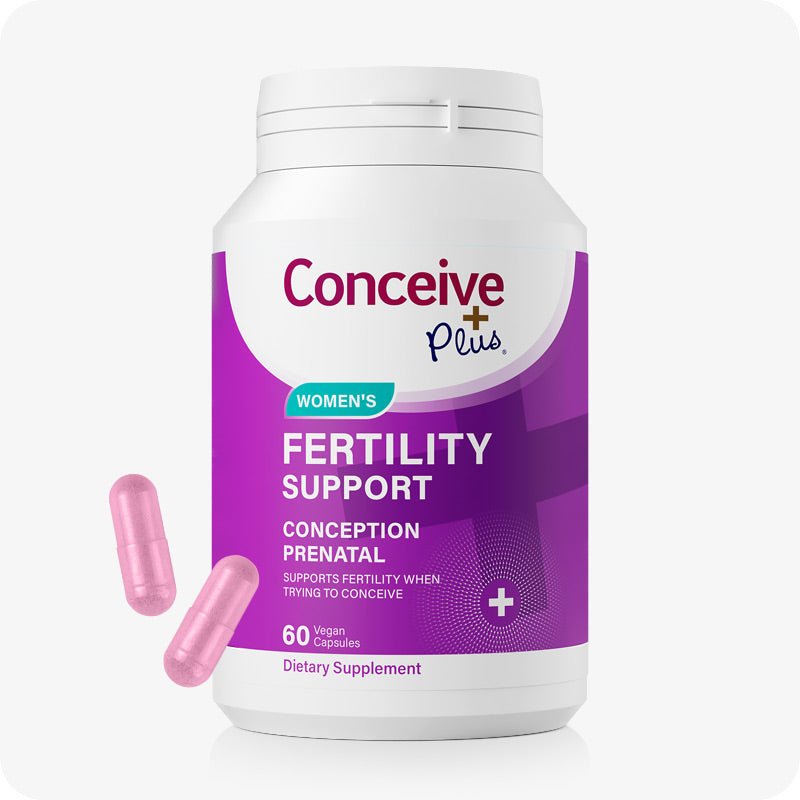
Whether you're just starting out or have been trying for a while, Conceive Plus Women's Fertility Support is scientifically formulated to support your fertility naturally. Our comprehensive women's formula supports egg quality, hormonal balance, and reproductive health with CoQ10, methylfolate, vitamin D, and more. Explore our full range and find what's right for you.
Diet is one of the most evidence-backed pre-IVF interventions. A 2018 prospective study of women undergoing IVF found that those with high Mediterranean diet adherence had 65–68% higher clinical pregnancy rates compared to those with low adherence.
Emphasise:
- Antioxidant-rich foods: Colourful fruits and vegetables (berries, leafy greens, bell peppers, tomatoes) protect eggs and sperm from oxidative damage during stimulation and fertilisation
- Omega-3 fatty acids: Oily fish (salmon, sardines, mackerel) support egg quality and uterine blood flow. DHA — found in fish and algae — is a critical structural component of egg membranes
- Plant proteins: Beans, lentils, chickpeas, tofu — associated with better ovulatory function compared to animal protein-heavy diets
- Whole grains: Low-glycaemic carbohydrates stabilise insulin and blood glucose, supporting hormonal balance during stimulation
- Full-fat dairy: Some evidence suggests full-fat dairy (whole milk, full-fat yoghurt) is associated with better ovulatory function than low-fat alternatives
- Adequate protein overall: Some IVF clinics recommend slightly higher protein intake during stimulation to support follicular development
Reduce or Eliminate:
- Alcohol — associated with reduced IVF success rates even at moderate consumption. Research published in BMJ Open found that women who drank moderately in the month before an IVF cycle had significantly lower odds of a live birth.
- Caffeine — limit to under 200mg/day (1–2 cups of coffee)
- Ultra-processed foods and added sugars — increase inflammation and insulin resistance
- Trans fats — associated with significantly worse fertility outcomes
- High-mercury fish — avoid shark, swordfish, king mackerel; limit canned tuna
Pre-IVF Supplements: Evidence-Based Recommendations
Certain supplements have strong enough evidence to be recommended by leading fertility specialists as part of pre-IVF preparation. Always discuss supplement plans with your treating clinician.
Coenzyme Q10 (CoQ10)
Perhaps the most compelling supplement for IVF preparation. CoQ10 is a mitochondrial cofactor critical for cellular energy production — including the enormous energy demands of the egg during maturation and early embryo development. Mitochondrial function declines with age and oxidative stress. Supplementation at 200–600mg daily has been shown in multiple studies to improve egg quality, fertilisation rates, and embryo development — particularly in women of advanced maternal age or with diminished ovarian reserve. The Cochrane review notes: "Coenzyme Q10 supplementation before an IVF cycle may improve clinical pregnancy rates."
DHEA (Dehydroepiandrosterone)
DHEA is an adrenal androgen precursor. For women with diminished ovarian reserve (poor responders to stimulation), DHEA supplementation at 25–75mg daily for 6–16 weeks before an IVF cycle has been associated in several studies with improved ovarian response, higher egg numbers, better embryo quality, and increased pregnancy rates. It requires discussion with your specialist as it's a hormonal supplement and not appropriate for everyone.
Melatonin
The follicular fluid of developing eggs contains melatonin — a potent antioxidant that protects the egg from oxidative damage during the intense metabolic activity of maturation. Some studies show that melatonin supplementation (3mg nightly) before IVF improves fertilisation rates and embryo quality. Typically recommended starting 4–8 weeks before egg retrieval.
Prenatal with Methylfolate
A comprehensive prenatal supplement should be started at least 3 months before a cycle. Look for methylfolate (rather than synthetic folic acid) for better absorption, particularly in women who carry MTHFR gene variants (affecting folate metabolism). Vitamin D, iodine, iron, B12, and zinc are also essential inclusions.
Vitamin D
Vitamin D insufficiency is highly prevalent and strongly associated with reduced IVF success. A 2019 meta-analysis found that women with adequate vitamin D levels had significantly higher clinical pregnancy rates. Test your 25-OH vitamin D level and supplement to reach 100–150 nmol/L (40–60 ng/mL).
Myo-inositol and D-chiro-inositol
Particularly beneficial for women with PCOS. Inositols improve insulin sensitivity and ovarian function. Studies show that a 40:1 ratio of myo-inositol to D-chiro-inositol improves oocyte quality and embryo development in IVF cycles, and may reduce the required FSH stimulation dose.
Omega-3 DHA
If fish consumption is low, supplementing with 1–2g combined EPA/DHA daily supports egg membrane quality and reduces the pro-inflammatory prostaglandins that can impair implantation.
Physical Health Optimisation Before IVF
Achieve or Maintain a Healthy BMI
Body weight significantly impacts IVF outcomes. Women with obesity have lower clinical pregnancy rates, higher miscarriage rates, and more frequent cycle cancellations due to poor response or OHSS risk. Even a 5–10% reduction in weight before starting a cycle can meaningfully improve outcomes. Equally, underweight women (BMI below 18.5) have lower oocyte yields and poor hormonal environments for implantation.
Exercise: The Right Amount
Regular moderate exercise is beneficial — it reduces insulin resistance, improves psychological wellbeing, and supports healthy weight. But high-intensity exercise (particularly heavy endurance training, CrossFit, or vigorous training more than 4 hours per week) has been associated with lower live birth rates in some IVF studies, potentially due to low energy availability and hormonal disruption. During IVF stimulation, high-impact exercise should be reduced due to ovarian enlargement and OHSS risk.
Pre-IVF, aim for 150 minutes/week of moderate activity — walking, swimming, yoga, Pilates, light cycling. Stop high-impact exercise when stimulation begins.
Stop Smoking
Smoking is one of the most significant modifiable factors reducing IVF success. Women who smoke have lower oocyte yields, worse egg quality, higher rates of poor fertilisation, and lower pregnancy rates — and the effects persist for some time after cessation. Quitting at least 3 months before IVF is strongly recommended.
Optimise Sleep
Sleep is when reproductive hormones are produced and cellular repair occurs. Chronic sleep deprivation is associated with lower melatonin levels (important for egg protection, as above), higher cortisol, disrupted hormonal cycles, and poorer IVF outcomes. Aim for 7–9 hours of quality sleep per night in the months leading up to treatment.
Reduce Endocrine Disruptor Exposure
BPA (bisphenol A), phthalates, parabens, and PFAS chemicals — found in certain plastics, personal care products, food packaging, and non-stick cookware — can mimic or disrupt hormones and have been associated with reduced ovarian response and embryo quality in IVF studies.
Practical steps: switch to glass or stainless steel food storage; choose BPA-free water bottles; use fragrance-free, paraben-free personal care products; avoid heating food in plastic containers; reduce canned food consumption (cans are often lined with BPA).
The Male Partner's Role in IVF Preparation
Even with IVF, sperm quality matters enormously. While IVF bypasses many natural barriers, sperm DNA fragmentation, motility, and morphology directly influence fertilisation rates, embryo quality, and ultimately live birth rates.
For partners providing sperm samples: follow all the same lifestyle recommendations — Mediterranean diet, targeted supplements (zinc, folate, CoQ10, vitamin C and E, selenium), smoking cessation, alcohol reduction, healthy weight, and stress management. Begin these changes at least 3 months before the anticipated egg collection date.
If previous IVF cycles have shown poor fertilisation rates or embryo development, a sperm DNA fragmentation test can identify whether paternal sperm quality is contributing. High DNA fragmentation can be addressed with antioxidant therapy before attempting another cycle.
Psychological Preparation for IVF
IVF is emotionally demanding by nature — the uncertainty, the medical procedures, the waiting, the grief of failed cycles, and the hope of success create a psychological journey that deserves the same preparation as the physical one.
Educate Yourself — But Set Boundaries
Understanding the process reduces anxiety for many people. Learn what each stage involves: down-regulation (if used), ovarian stimulation, monitoring, egg collection, fertilisation, embryo development, transfer, and the two-week wait. But set limits on forum and social media consumption — anecdotal stories (both positive and devastating) can amplify anxiety without adding useful information.
Build Your Support System
Decide in advance who you will tell about the cycle and how much you'll share. Having a select few trusted supporters who can hold space for the emotional highs and lows reduces isolation. Many United States fertility clinics offer counselling as part of IVF care — this is an underutilised resource worth taking advantage of.
Develop Stress Management Strategies
Chronic psychological stress elevates cortisol and adrenaline, which can suppress GnRH signalling and potentially interfere with IVF outcomes — though the research here is complex. Regardless of direct fertility impact, managing stress is critical for your wellbeing through an inherently uncertain process.
Evidence-supported approaches include: mindfulness-based stress reduction (MBSR), acupuncture (which has some evidence for improving IVF outcomes and is widely available in United States), yoga, journalling, walking in nature, and working with a therapist specialising in fertility or health psychology.
Prepare for All Outcomes
The statistical reality of IVF is that not every cycle succeeds on the first attempt. Average live birth rates per IVF cycle in United States range from approximately 25–35% for women under 35, declining with age. Going in with realistic expectations — while maintaining genuine hope — protects psychological resilience. Discuss with your partner in advance how you'll support each other through the different possible outcomes.
The Two-Week Wait After Transfer: Managing the Most Difficult Part
The two-week wait between embryo transfer and the pregnancy test is frequently described by IVF patients as the most psychologically challenging phase. You've done everything you can — now biology takes over.
Practical strategies for this period:
- Continue your healthy routine — gentle exercise, good nutrition, adequate sleep
- Limit symptom-googling: progesterone support medications cause symptoms identical to early pregnancy, making symptom interpretation meaningless
- Plan specific activities or distractions for each day — keep your mind occupied without over-committing your energy
- Communicate with your partner about how much daily discussion of the wait you each want
- Avoid at-home pregnancy testing before the clinical test date — early tests can cause devastating false negatives or lead to confusing chemical pregnancy results
IVF Preparation FAQ
Q1: How many months before IVF should I start preparing?
Ideally, 3–6 months. This allows time for one full egg maturation cycle, a complete sperm production cycle, adequate supplementation, and meaningful lifestyle changes. Even starting 6–8 weeks before offers meaningful benefit.
Q2: Can acupuncture improve IVF outcomes?
The evidence is mixed. Some studies show improvement in pregnancy rates with acupuncture around the transfer; others show no effect. However, acupuncture has consistent evidence for reducing anxiety and stress in fertility patients. Many women find it supportive for the psychological aspects of IVF regardless of direct biological effect.
Q3: Should I be on bed rest after embryo transfer?
No — research clearly shows bed rest does not improve IVF success and may be harmful. Normal light activity (walking, normal daily tasks) is appropriate. Avoid strenuous exercise, heavy lifting, and sexual intercourse during the two-week wait.
Q4: Does diet during stimulation affect egg quality?
The diet during stimulation has some effect, but the most important dietary window is 3 months prior. The final egg maturation stage (the 90-day preparatory period) is when nutrition makes the biggest impact. Still, eating well during stimulation — particularly high-protein, antioxidant-rich foods — is beneficial.
Q5: Is there anything specific to eat or avoid after embryo transfer?
Continue your healthy preconception diet. There's no evidence that specific "implantation foods" (pineapple core, for example) improve outcomes — but maintaining a Mediterranean-style diet, avoiding alcohol, and staying well hydrated are all beneficial. Some women find warm, nourishing foods psychologically comforting during the TWW — that's perfectly fine.
Q6: Should I reduce physical activity during the stimulation phase?
Yes. As follicles grow during stimulation, the ovaries enlarge significantly. Vigorous exercise, particularly high-impact activities, increases the risk of ovarian torsion (a serious complication) and may worsen OHSS symptoms. Gentle walking and yoga are appropriate; running, cycling, heavy lifting, and high-intensity training should be paused.
Q7: How does stress affect IVF success?
The relationship is complex. While extreme, chronic stress may negatively affect IVF outcomes through hormonal mechanisms, the evidence that managing stress alone changes pregnancy rates is inconsistent. What's clear is that stress management significantly improves quality of life, reduces dropout rates from treatment, and supports the couple relationship during an inherently difficult process — all of which have indirect value.
Q8: What should I tell my employer about IVF?
This is a personal decision. IVF requires numerous clinic appointments — often with short notice and during working hours. In United States, some employers offer fertility treatment leave; check your HR policy. Many people disclose to their immediate manager for scheduling flexibility without sharing details widely. Having a plan for managing appointments reduces workplace stress during the cycle.
Summary: Your Pre-IVF Preparation Checklist
- ☑ Start a quality prenatal supplement with methylfolate and vitamin D (3+ months before)
- ☑ Adopt a Mediterranean-style diet rich in antioxidants, omega-3s, and plant proteins
- ☑ Eliminate alcohol completely and limit caffeine
- ☑ Quit smoking if applicable — ideally 3+ months before
- ☑ Test and optimise vitamin D levels
- ☑ Consider targeted supplements: CoQ10, omega-3 DHA, and others as appropriate
- ☑ Achieve or maintain a healthy BMI
- ☑ Exercise moderately — aim for 150 min/week of gentle to moderate activity
- ☑ Optimise sleep — 7–9 hours nightly
- ☑ Reduce BPA and endocrine disruptor exposure
- ☑ Both partners prepare — male fertility matters in IVF too
- ☑ Build your support network and consider counselling
- ☑ Set boundaries around information and social media consumption
- ☑ Prepare psychologically for multiple possible outcomes
IVF is a profound journey — one that requires courage, resilience, and preparation. What you invest in the months before your cycle genuinely matters. Approach this preparation period not as a burden but as an empowering opportunity to give your treatment the best possible foundation.
Ready to Take the Next Step?
Conceive Plus has helped thousands of couples on their path to parenthood. Our comprehensive women's formula supports egg quality, hormonal balance, and reproductive health with CoQ10, methylfolate, vitamin D, and more. Explore Conceive Plus Women's Fertility Support — trusted by healthcare professionals and couples across the world and beyond.