Inositol Supplement Powder: Science‑Backed Benefits, Optimal Dosage, and Safe Usage Tips
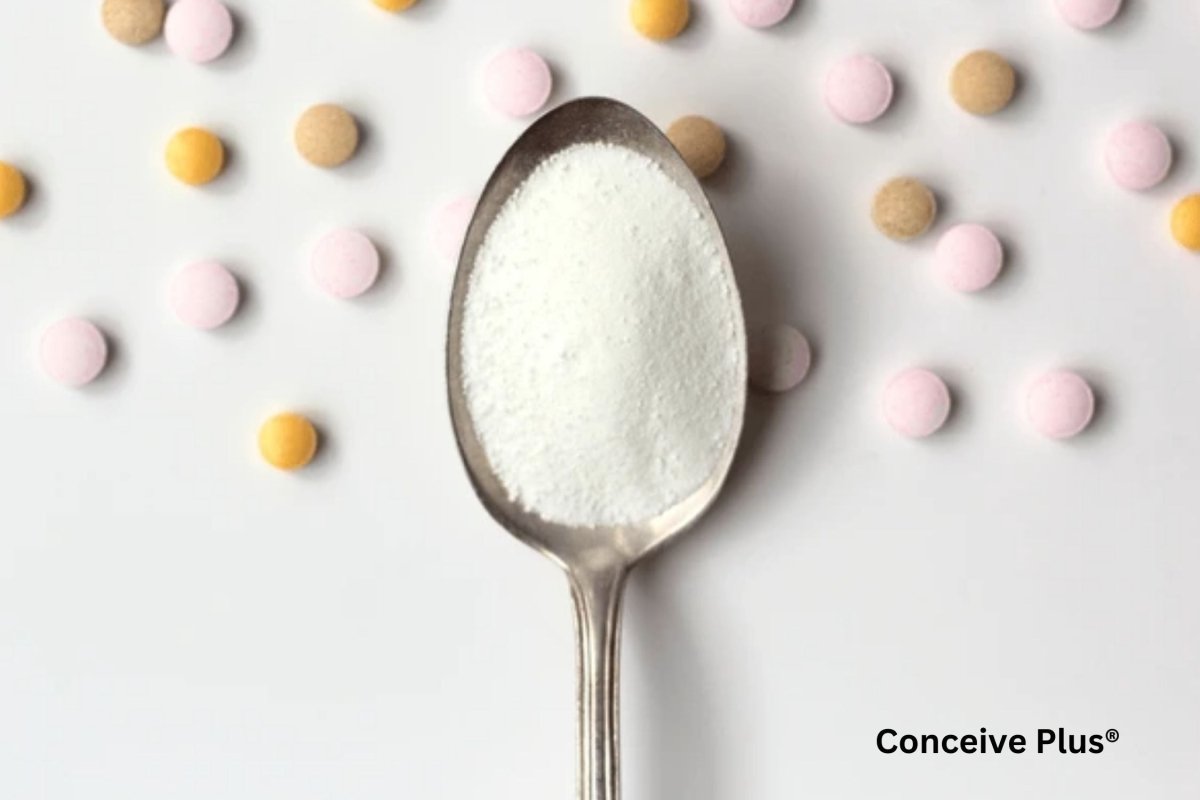

Consumers often encounter a swirl of claims about hormone harmony, metabolic tuning, and mood support when selecting an inositol supplement powder, yet clear, concise guidance can be hard to find. This article distills current evidence into actionable steps so you can decide whether the nutrient deserves a place in your routine.
Inositol is a naturally occurring sugar alcohol that the body can make from glucose. It forms the structural core of phosphatidylinositol phosphates—lipid messengers that translate hormonal signals into cellular action. Adequate stores help insulin ferry glucose into muscle, allow thyroid hormone to set metabolic pace, and let serotonin stabilize mood [1].

Why Powder Beats Pills
Most commercial products contain myo‑inositol, the dominant isomer in human tissue, sometimes paired with a small amount of D‑chiro‑inositol in a 40:1 ratio reflecting healthy plasma levels. Powder dissolves quickly, enables flexible dosing, and reaches therapeutic amounts without requiring a fistful of tablets. Because absorption begins in the small intestine within thirty minutes, users often notice steadier energy before a full container is finished.
Label Literacy
Quality starts with transparency. A trustworthy tub lists origin—usually corn‑derived glucose fermented by probiotic bacteria—and discloses any flow agents such as silicon dioxide. People who prefer minimalist formulas scan the supplement facts panel for a single entry under active inositol ingredients and avoid artificial flavors or sweeteners that can spike insulin. Third‑party assays for heavy metals, microbial contaminants, and glyphosate residues add confidence, even if they do not change bioavailability directly; transparency builds trust [2].
Optimal Dosing Strategies
Clinical protocols commonly use two grams twice per day. New users can begin at one gram per serving to gauge tolerance, increasing weekly until they reach the four‑gram benchmark. Because glucose and inositol share transporters, pairing the drink with a low‑glycemic meal enhances uptake, whereas taking it alongside a sugary latte blunts absorption. Stirring the crystals into lukewarm water prevents clumping; very hot liquid can degrade the molecule, while iced beverages slow dissolution and may leave residue at the bottom.
Stacking for Synergy
Combining inositol with chromium picolinate or soluble fiber augments insulin sensitivity, while adding omega‑3 fatty acids helps quell inflammatory cytokines that hinder fat loss. Berberine, an alkaloid that activates AMP‑activated protein kinase, operates on parallel metabolic pathways and has become a popular partner in functional‑medicine circles. Athletes sometimes include creatine for cellular energy or electrolytes to replace minerals lost in sweat, creating a comprehensive intra‑workout formulation that remains palatable [3].

Safety and Tolerability
Human trials have administered up to eighteen grams per day without severe adverse events. The most frequent complaints—bloating, mild nausea, or loose stools—usually reflect an overly rapid dose escalation. Gradual titration over a week minimizes discomfort. Individuals on insulin, sulfonylureas, or SGLT2 inhibitors should monitor glucose closely when initiating supplementation. Pregnant women often employ inositol to curb gestational‑diabetes risk, yet medical clearance remains prudent to ensure individual safety.
Populations Who May Benefit Most

✨ Trying to Conceive?
Our Ovulation & Fertility Bundle combines Myo-Inositol with essential vitamins to support healthy hormone balance and regular ovulation.
Shop Now — $55.00✓ Free shipping on orders over $40 | ✓ Trusted by millions of couples worldwide
Women with polycystic ovary syndrome see improvements in ovulatory regularity, reduced androgen levels, and easier weight management after twelve weeks. Men dealing with metabolic syndrome report slimmer waists and healthier triglyceride profiles. Preliminary studies in anxiety and obsessive‑compulsive tendencies hint at neurological benefits, likely tied to serotonin receptor modulation. While research continues, these findings suggest that the nutrient’s reach extends far beyond blood sugar regulation [4].
For a deeper dive into how inositol for weight loss transforms metabolism at the cellular level, be sure to check out our article "Inositol for Weight Loss: Harnessing Cellular Signaling to Reshape Metabolism."
Integrating Lifestyle Measures
No supplement outperforms a chronically excessive calorie intake, but inositol magnifies the dividends of balanced habits. A Mediterranean‑style menu rich in legumes, nuts, leafy greens, and extra‑virgin olive oil supplies small amounts of the molecule and stabilizes glycemic swings. High‑intensity interval training recruits GLUT‑4 transporters—the same pathway inositol supports—so combining the two accelerates glucose clearance. Strength sessions add lean mass, raising resting metabolic rate, while seven hours of sleep preserves leptin sensitivity, preventing rebound hunger.

Shopping Checklist
Choose powder packaged in opaque, moisture‑resistant containers to preserve potency. Verify that each scoop delivers the stated weight—some budget brands underfill. Look for a batch number and an expiration date, hallmarks of good manufacturing practice. If the powder tastes faintly sweet and has a fine, talc‑like texture, purity is probably high; gritty or bitter samples may contain fillers. Online reviews noting consistent dissolvability and minimal digestive upset can help narrow options without setting unrealistic expectations [5].
If you're curious about the different inositol types and how each one supports metabolic and hormonal balance, be sure to explore our guide "A Guide to the Most Important Inositol Types for Health" for a comprehensive overview.
Emerging Research Frontiers
Scientists are mapping genetic variants in inositol transporters to predict individual response rates. Others are exploring probiotic strains that boost endogenous production, potentially lowering supplemental requirements. Liposomal delivery systems may enhance bioavailability at lower amounts, while head‑to‑head comparisons with metformin in non‑PCOS populations could clarify the nutrient’s position in mainstream metabolic therapy.
Future‑Proofing Your Routine
Track progress with tangible metrics: fasting glucose, waist circumference, sleep quality, and subjective hunger ratings. Adjust dosage or timing based on data rather than anecdote. Store the container in a cool, dry cupboard, and replace it within a year to avoid potency drift. Pair supplementation with mindful eating, regular movement, and stress‑management practices such as breathwork or brief walks; the molecule performs best when the lifestyle orchestra is in tune. Consistency beats sporadic megadoses every time.
The Bottom Line
Inositol supplement powder remains a versatile, evidence‑backed tool for supporting metabolic flexibility, hormonal balance, and neurological calm, and this concluding line encourages readers to integrate the nutrient thoughtfully into everyday wellness strategies.
FAQs
How soon will benefits appear?
Many users report steadier energy and fewer cravings within two weeks, while measurable changes in fasting glucose or waist circumference may take a month.
Can it be mixed with coffee?
Caffeine accelerates renal clearance, so schedule coffee an hour away to maximize absorption.
Is it vegan?
Fermentation‑derived powders are plant‑based, though gelatin capsules are not.
Will it interfere with birth control pills?
No direct interaction exists, but because inositol can restore ovulation in women with PCOS, barrier contraception is advisable if pregnancy is not desired.
What if a dose is missed?
Simply resume the next scheduled serving; doubling up is unnecessary because transporters become saturated around four grams daily.
References
- DiNicolantonio JJ, H O'Keefe J. Myo-inositol for insulin resistance, metabolic syndrome, polycystic ovary syndrome and gestational diabetes. Open Heart. 2022 Mar;9(1):e001989. doi: 10.1136/openhrt-2022-001989. PMID: 35236761; PMCID: PMC8896029.
- Zarezadeh M, Dehghani A, Faghfouri AH, Radkhah N, Naemi Kermanshahi M, Hamedi Kalajahi F, Mohammadzadeh Honarvar N, Ghoreishi Z, Ostadrahimi A, Ebrahimi Mamaghani M. Inositol supplementation and body mass index: A systematic review and meta-analysis of randomized clinical trials. Obes Sci Pract. 2021 Oct 22;8(3):387-397. doi: 10.1002/osp4.569. PMID: 35664247; PMCID: PMC9159559.
- Carlomagno G, De Grazia S, Unfer V, Manna F. Myo-inositol in a new pharmaceutical form: a step forward to a broader clinical use. Expert Opin Drug Deliv. 2012 Mar;9(3):267-71. doi: 10.1517/17425247.2012.662953. PMID: 22339497.
- Formoso G, Baldassarre MPA, Ginestra F, Carlucci MA, Bucci I, Consoli A. Inositol and antioxidant supplementation: Safety and efficacy in pregnancy. Diabetes Metab Res Rev. 2019 Jul;35(5):e3154. doi: 10.1002/dmrr.3154. Epub 2019 Apr 10. PMID: 30889626; PMCID: PMC6617769.
- Motuhifonua SK, Lin L, Alsweiler J, Crawford TJ, Crowther CA. Antenatal dietary supplementation with myo-inositol for preventing gestational diabetes. Cochrane Database Syst Rev. 2023 Feb 15;2(2):CD011507. doi: 10.1002/14651858.CD011507.pub3. PMID: 36790138; PMCID: PMC9930614.
Conceive Plus is the best place to buy myo-inositol online for the best myo-inositol supplements Conceive Plus Ovulation Support contains premium myo-inositol for sale. Order myo-inositol capsules online today, shop myo-inositol powder to boost your ovulation and regulate hormones and menstrual cycles.
🌱 Support Your Fertility Journey
Conceive Plus fertility supplements are clinically formulated to help regulate your cycle and support egg quality.
Shop Fertility Support →Frequently Asked Questions
Recommended by Fertility Experts
Conceive Plus Men's Fertility Support
Designed to support healthy sperm production, motility, and overall male reproductive health with clinically studied nutrients.
Shop Now →Q: How to take inositol?
A: Inositol powder is typically mixed with water, juice, or added to smoothies, with most clinical studies using doses between 2–4 grams daily split into two servings. The most common approach is to dissolve the powder in 8 ounces of liquid and consume it with meals to enhance absorption and minimize gastrointestinal sensitivity. Starting with a lower dose (1–2 grams daily) and gradually increasing allows your body to adjust, as some users experience mild digestive effects initially. Consistency matters more than timing, so taking inositol at the same times each day—typically morning and evening—helps maintain steady nutrient levels. Always follow the dosage instructions on your Conceive Plus inositol supplement label, as formulations may vary, and consult your healthcare provider if you're taking medications or have existing health conditions.
Q: Does inositol really help with fertility?
A: Research shows inositol, particularly myo-inositol, supports reproductive health by improving insulin sensitivity and hormone balance—factors that affect ovulation and egg quality. A 2020 meta-analysis published in *Reproductive Biology and Endocrinology* found that women with PCOS who supplemented with inositol experienced improved ovulation rates and menstrual regularity compared to control groups. The American Society for Reproductive Medicine recognizes inositol as a supportive nutrient for metabolic and hormonal function, though it works best as part of a comprehensive fertility approach that includes nutrition, exercise, and medical care. Approximately 1 in 10 women of reproductive age have PCOS, and inositol supplementation has shown particular promise for this population. While inositol is not a fertility treatment itself, quality supplements like Conceive Plus help fill nutritional gaps that may support your body's natural reproductive function.
Q: What is the best inositol dosage for PCOS?
A: Clinical studies on inositol for PCOS typically use 2–4 grams of myo-inositol daily, often combined with d-chiro-inositol in a 40:1 ratio, based on research showing this combination optimizes hormonal and metabolic outcomes. A 2022 systematic review found that doses between 2–4 grams daily for 12 weeks or longer produced the most consistent improvements in ovulation rates and insulin sensitivity in PCOS patients. The optimal dose may vary based on individual factors like body weight, insulin resistance severity, and baseline hormone levels, which is why consulting a fertility specialist or registered dietitian is valuable before starting supplementation. Many women begin at 2 grams daily and adjust upward under professional guidance if needed, monitoring for results over 8–12 weeks. Conceive Plus inositol formulations are designed to align with evidence-based dosing ranges, making it easier to follow clinical recommendations without guesswork.
Q: Is inositol safe to take long-term?
A: Inositol has an excellent safety profile with minimal side effects, even at doses significantly higher than the typical 2–4 grams daily used in fertility and PCOS research. Long-term studies spanning 6–12 months show no serious adverse effects, though some users report mild gastrointestinal symptoms like nausea or bloating when first starting—usually resolving within days as the body adjusts. The FDA does not regulate supplements the same way as medications, but inositol is recognized as a naturally occurring compound that your body produces and is found in foods like fruits, grains, and legumes. Women planning pregnancy or currently pregnant should discuss inositol supplementation with their obstetrician, as safety during pregnancy is still being studied, though preliminary evidence is reassuring. Most users can safely take quality inositol supplements like those from Conceive Plus long-term under general wellness guidance, but it's wise to reassess your supplementation plan annually with your healthcare provider.
Q: Can men take inositol for fertility?
A: Yes, emerging research suggests inositol may support male reproductive health by improving sperm parameters such as motility and morphology, though evidence is less extensive than for women's fertility. A 2021 study in *Nutrients* found that men supplementing with myo-inositol and d-chiro-inositol showed improvements in sperm concentration and progressive motility over 12 weeks, suggesting a role in male factor fertility support. Men with metabolic conditions like insulin resistance or obesity may benefit particularly from inositol's metabolic effects, as these factors are linked to reduced semen quality in research from the American Society for Reproductive Medicine. Typical male dosing mirrors female protocols at 2–4 grams daily, though studies specifically investigating optimal male dosages are still limited. Couples addressing fertility challenges together can incorporate inositol as part of their joint wellness strategy, and supplements like Conceive Plus support both partners' reproductive and metabolic health goals.
Trusted by Couples in Over 70 Countries
Support Male Fertility From the Inside Out
Male fertility is just as important as female fertility in the conception journey. Conceive Plus Men's range delivers targeted nutritional support to promote healthy sperm and overall reproductive wellbeing.
Shop Men's Range →