How to Make Sperm Stronger for Pregnancy and Help Men Increase Fertility


If you're wondering how to make sperm stronger for pregnancy, you’re not alone. Many couples trying to conceive focus on male fertility just as much as female fertility. Healthy, strong sperm can make all the difference when trying for a baby. This guide covers lifestyle tweaks, essential nutrients, and practical steps to improve fertility. Read on to learn about tips for getting pregnant with low sperm count, how a man get a woman pregnant, and ways to boost overall reproductive health. Here’s everything you need to know to increase the chances of pregnancy male success.

Why Sperm Health Matters for Conception
For conception to occur, sperm must be strong, healthy, and mobile. Poor sperm quality can make it harder to conceive, even if sperm count seems high. Understanding how to make sperm healthier includes improving their motility (ability to swim) and morphology (shape and structure) [1]. These factors are key when it comes to man getting woman pregnant, as each aspect of sperm health impacts the chances of fertilizing an egg. This is why maintaining good health is essential for men getting results in conception.
And although there are frequent questions about how can a man get pregnant, it's important to note that, biologically, men cannot carry a pregnancy. That said, contributing to healthy sperm to conceive with a partner remains essential for male reproductive health.
Top Tip: Making changes to diet and exercise can significantly improve sperm quality and make how to keep sperm healthy a realistic goal.
Essential Nutrients for Sperm Health
The foods you eat can greatly influence sperm quality. Adding specific vitamins and minerals can be helpful for men working on what can a man do to help conceive [2]. Including specific cum food options in your diet can naturally enhance semen production and boost fertility. Below are a few nutrients to focus on.
Folic Acid and Zinc
Folic acid supports DNA synthesis and cellular function, while zinc helps keep testosterone levels in check and supports male impregnation [3]. These nutrients are valuable for how to make sperm healthy for pregnancy and improve reproductive health. Folic acid is found in leafy greens, beans, and fortified grains, while zinc is rich in lean meats, oysters, and seeds.
Antioxidants: Vitamins C and E
Antioxidants like vitamins C and E protect sperm cells from damage caused by oxidative stress [4]. Vitamin C supports sperm motility, while Vitamin E protects the cells themselves, helping to improve how a man get a woman pregnant. Foods rich in these vitamins include citrus fruits, nuts, seeds, and bell peppers.
Top Tip: Adding antioxidant-rich foods or a multivitamin with these nutrients can help keep sperm strong and healthy.

Daily Habits for Healthier Sperm
Making a few simple lifestyle adjustments can positively impact sperm health. If you’re wondering what can men do to help fertility and what can guys do to help get pregnant, these habits are key.
Quit Smoking and Limit Alcohol
Smoking and excessive drinking damage sperm, reducing count, motility, and overall quality. Smoking can lower testosterone and harm sperm DNA, while heavy drinking can impact hormone levels. If you're serious about what should a man do to help get pregnant, these habits might need to go. Cutting back or quitting can improve sperm health within just a few months [5].
Stay Active
Exercise plays a major role in maintaining a healthy reproductive system. Regular physical activity boosts hormone levels and keeps blood flowing, supporting how to make sperm stronger [6]. Plus, weight management is crucial, as obesity can disrupt hormone levels and affect fertility.
Top Tip: Aim for moderate exercise, like jogging or strength training, a few times a week to support overall sperm health.
Temperature Control and Sperm Quality
Keeping the testicles cool is essential for optimal sperm production, as they’re located outside the body for this purpose. High temperatures can harm sperm, affecting motility and reducing count [7]. Knowing how to keep sperm healthy means being mindful of heat.
Tips to Keep Testicles Cool
- Avoid hot baths, saunas, and long hot showers.
- Don’t use laptops directly on your lap, as they emit heat.
- Wear loose-fitting underwear and pants to allow airflow.
Top Tip: If you work in a high-heat environment, take breaks to cool down as much as possible.
Managing Stress for Better Sperm Health
High levels of stress interfere with fertility, impacting testosterone and sperm production [8]. Cortisol, the stress hormone, can lower testosterone, which affects sperm quality. For men thinking what can a guy do to help conceive, stress management is a critical step.
Simple Ways to Manage Stress
- Engage in physical activities, like yoga or a walk.
- Practice mindfulness or meditation to calm the mind.
- Spend time on hobbies or activities you enjoy.
Top Tip: Consistent stress relief, even if it’s just 10 minutes a day, can positively impact mood and sperm health.
Supplements and Foods to Boost Fertility
Supplements and fertility-friendly foods can provide the nutrients necessary for how to get my wife pregnant with low sperm count. Here are a few beneficial options to consider.
L-Carnitine and L-Arginine
L-Carnitine supports energy production in sperm, making them more motile, while L-arginine improves blood flow [9]. Both of these amino acids are helpful for how to get pregnant for men trying to improve their reproductive health. Red meat, dairy, and nuts are natural sources of these amino acids, though supplements are also available.

✨ Support Healthy Sperm
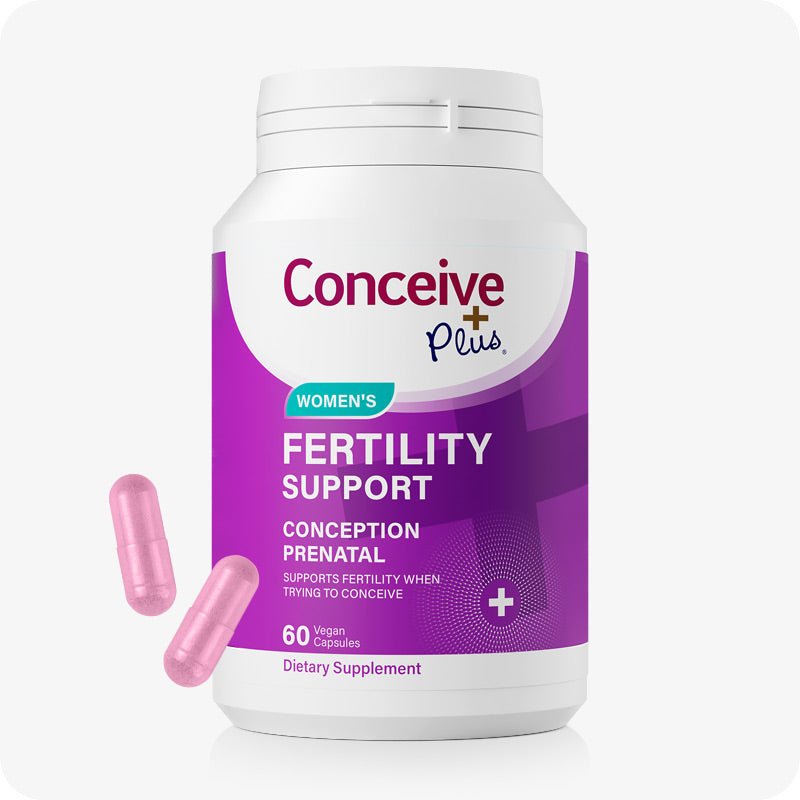
Our Motility Support supplement contains Zinc, CoQ10, and L-Carnitine — clinically studied nutrients for sperm health and motility.
Shop Now — $34.95✓ Free shipping on orders over $40 | ✓ Trusted by millions of couples worldwide
Maca Root and Ginseng
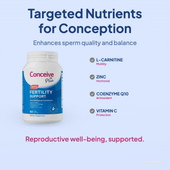
These herbal supplements support libido and improve sperm health. Maca root is linked to increased sperm count and motility, while ginseng helps boost testosterone [10]. These herbs are often included in fertility supplements and can be a boost for those wondering what should guys do to help get pregnant. Taking fertility supplements that include ingredients like CoQ10, L-Carnitine, Zinc, and essential vitamins can further support sperm health and fertility.
Top Tip: Herbal supplements, combined with a balanced diet, can help men maintain better sperm health naturally.

Can Men Getting Pregnant Be a Reality?
With advances in reproductive health, you may have heard about scenarios involving how to get a man pregnant or even men getting pregnant. Biologically, men cannot carry a pregnancy; however, medical science has allowed individuals assigned female at birth who identify as male to carry a pregnancy if desired [11]. Though it’s not a common path, it underscores the importance of focusing on reproductive health and fertility, no matter your gender identity.
Timing and Frequency of Intercourse
Timing can be an important factor in achieving pregnancy. Regular unprotected sex every two to three days, especially during a woman’s ovulation period, can increase the chances of conception [12]. This is a helpful tip for men focused on what can a guy do to increase fertility, as it ensures a steady supply of sperm in the reproductive system, maximizing fertilization chances.
Avoiding Harmful Substances
Avoiding harmful substances is essential for anyone working on how to get pregnant for men. Recreational drugs, certain medications, and exposure to chemicals can harm sperm quality. If you’re considering what makes a man want to get a woman pregnant naturally, staying away from these substances is a good move [13].
Substances to Avoid
- Drugs like marijuana and cocaine: These can lower sperm count, disrupt hormone levels, and cause DNA damage, reducing fertility.
- Certain medications: Anabolic steroids, some antidepressants, and chemotherapy drugs may impair sperm production and lower testosterone.
- Environmental toxins: Pesticides and heavy metals (like lead) can harm sperm quality. Use protective gear if exposed to these regularly at work.
Top Tip: Consult your doctor about any medications you take to ensure they won’t impact your fertility efforts.
Male Impreg and Sperm Quality
Sometimes referred to as male impreg, the process of fertilization relies heavily on the health and motility of sperm. This means that maintaining strong, motile sperm is essential for men aiming for successful conception. Ensuring proper temperature regulation, staying active, and incorporating essential nutrients in the diet all help with improving sperm function and, ultimately, with successful impregnation.
Top Tip: Supplements with L-Carnitine, zinc, and folic acid can support sperm health, promoting stronger sperm for fertilization.
Fertility Tips and Steps to Help Get Pregnant
If you’re seeking specific fertility tips for guys, consider making small, positive changes each day. Managing stress levels, incorporating exercise, and improving sleep quality are effective ways to support reproductive health. Additionally, monitoring dietary intake and adding key supplements are among the most practical fertility tips for guys working on conception.
Lastly, what can a man do to help get pregnant? Taking charge of physical health and staying informed are essential steps. Consulting with a healthcare provider to discuss any concerns, making a few lifestyle adjustments, and regularly tracking health are all ways to support a successful journey to conception.
The Bottom Line
In the journey of how to make sperm stronger for pregnancy, small changes can lead to big results. Nutrients like antioxidants, amino acids, and essential minerals support sperm strength and health. Adjusting lifestyle factors, like stress management and regular exercise, also supports how to make sperm healthy for pregnancy. A few consistent changes in daily habits can significantly increase chances for man getting woman pregnant and support overall reproductive health. With patience, these efforts will help you and your partner get one step closer to your family goals.
Being proactive about reproductive health is a meaningful step in the right direction. Making these changes, along with potential support from products like Conceive Plus, can create a strong foundation for your future family.
FAQs
What can guys do to increase fertility?
Men can increase fertility by focusing on a balanced diet, regular exercise, and lowering stress levels. Including key nutrients like zinc, folic acid, and antioxidants can also boost sperm quality.
How can men get pregnant?
Men don’t carry pregnancies but can support conception through healthy sperm and timing intercourse properly around ovulation. Maintaining good reproductive health is essential for conception.
How to get a guy pregnant?
This question likely refers to improving male fertility. Supporting sperm motility, count, and health can increase the chances of conception with a female partner.
What should guys do to help get pregnant?
Guys can improve fertility by adopting a nutritious diet, exercising regularly, and keeping stress under control. Adding fertility-focused supplements can also be beneficial.
What a guy can do to help get pregnant?
Maintaining healthy habits, avoiding smoking, and reducing alcohol are ways guys can support conception. Taking a multivitamin and managing stress can also help improve fertility.
Citations
- Li, K. P., Yang, X. S., & Wu, T. (2022). The Effect of Antioxidants on Sperm Quality Parameters and Pregnancy Rates for Idiopathic Male Infertility: A Network Meta-Analysis of Randomized Controlled Trials. Frontiers in endocrinology. Available at: https://pmc.ncbi.nlm.nih.gov/articles/PMC8898892/
- Kefer, J. C., Agarwal, A., & Sabanegh, E. (2009). Role of antioxidants in the treatment of male infertility. International journal of urology : official journal of the Japanese Urological Association. Available at: https://pubmed.ncbi.nlm.nih.gov/19383039/
- Wong, W. Y., Merkus, H. M., Thomas, C. M., Menkveld, R., Zielhuis, G. A., & Steegers-Theunissen, R. P. (2002). Effects of folic acid and zinc sulfate on male factor subfertility: a double-blind, randomized, placebo-controlled trial. Fertility and sterility. Available at: https://pubmed.ncbi.nlm.nih.gov/11872201/
- Majzoub, A., Agarwal, A., & Esteves, S. C. (2017). Antioxidants for elevated sperm DNA fragmentation: a mini review. Translational andrology and urology. Available at: https://pmc.ncbi.nlm.nih.gov/articles/PMC5643651/
- Ilacqua, A., Izzo, G., Emerenziani, G. P., Baldari, C., & Aversa, A. (2018). Lifestyle and fertility: the influence of stress and quality of life on male fertility. Reproductive biology and endocrinology. Available at: https://pmc.ncbi.nlm.nih.gov/articles/PMC6260894/
- Belladelli, F., Basran, S., & Eisenberg, M. L. (2023). Male Fertility and Physical Exercise. The world journal of men's health. Available at: https://pmc.ncbi.nlm.nih.gov/articles/PMC10307666/
- Durairajanayagam D. (2018). Lifestyle causes of male infertility. Arab journal of urology. Available at: https://pmc.ncbi.nlm.nih.gov/articles/PMC5922227/
- Odetayo, A. F., Akhigbe, R. E., Bassey, G. E., Hamed, M. A., & Olayaki, L. A. (2024). Impact of stress on male fertility: role of gonadotropin inhibitory hormone. Frontiers in endocrinology. Available at: https://www.ncbi.nlm.nih.gov/pmc/articles/PMC10801237/
- Khaw, S. C., Wong, Z. Z., Anderson, R., & Martins da Silva, S. (2020). l-carnitine and l-acetylcarnitine supplementation for idiopathic male infertility. Reproduction & fertility. Available at: https://pmc.ncbi.nlm.nih.gov/articles/PMC8812460/
- G. F. Gonzales, J. Nieto, J. Rubio, M. Gasco. Effect of Black maca (Lepidium meyenii) on one spermatogenic cycle in rats. Instituto de Investigaciones de la Altura or Laboratory of Investigation and Development (LID), Faculty of Sciences and Philosophy, Universidad Peruana Cayetano Heredia. Available at: https://onlinelibrary.wiley.com/doi/10.1111/j.1439-0272.2006.00733.x
- Tully, C. A., Alesi, S., McPherson, N. O., Sharkey, D. J., Teong, X. T., Tay, C. T., Silva, T. R., Puglisi, C., Barsby, J. P., Moran, L. J., Grieger, J. A., & Mousa, A. (2024). Assessing the influence of preconception diet on male fertility: a systematic scoping review. Human reproduction update. Available at: https://pmc.ncbi.nlm.nih.gov/articles/PMC11063564/
- Krzastek, S. C., Farhi, J., Gray, M., & Smith, R. P. (2020). Impact of environmental toxin exposure on male fertility potential. Translational andrology and urology. Available at: https://pmc.ncbi.nlm.nih.gov/articles/PMC7807371/
- Mulawkar, P. M., Maheshwari, P. N., Gauhar, V., Agrawal, S. G., Mohammed, T. O., Singh, A. G., Tak, G. R., Shah, U. S., Shukla, D. P., & Mamankar, D. (2023). Use of Anabolic-Androgenic Steroids and Male Fertility: A Systematic Review and Meta-analysis. Journal of human reproductive sciences. Available at: https://pmc.ncbi.nlm.nih.gov/articles/PMC10841926/
Buy sperm count supplements for the best products to increase sperm count for men. Shop natural sperm count enhancers and quality vitamins to improve sperm count. Conceive Plus Men's Fertility products are the best products to increase sperm count and sperm volume - trusted by Doctors and fertility experts since 2008!
🌱 Boost Male Fertility Naturally
Conceive Plus Men's Motility Support is formulated with the nutrients that matter most for sperm quality, count, and motility.
Shop Men's Fertility →Frequently Asked Questions
Recommended by Fertility Experts
Conceive Plus Men's Fertility Support
Designed to support healthy sperm production, motility, and overall male reproductive health with clinically studied nutrients.
Shop Now →What are the main factors that affect sperm quality and male fertility?
Sperm quality is determined by three key factors: count (number of sperm), motility (ability to swim toward an egg), and morphology (shape and structure). The American Society for Reproductive Medicine (ASRM) considers all three factors when evaluating male fertility. Poor quality in any of these areas can significantly reduce the chances of conception, even if overall sperm count appears normal.
How long does it take to improve sperm health through lifestyle changes?
Sperm takes approximately 74 days to develop from start to finish, so meaningful improvements from lifestyle or dietary changes typically take 2-3 months to become visible in semen analysis. This is why fertility specialists recommend maintaining healthy habits for at least this duration before reassessing sperm quality through testing.
Which vitamins and supplements are scientifically proven to boost male fertility?
Research supports the use of folic acid, zinc, vitamin C, vitamin E, and CoQ10 for improving sperm health and motility. While many over-the-counter fertility supplements are available, the FDA does not regulate them as strictly as medications, so look for third-party tested products and consult with a fertility specialist or urologist before starting any new supplement regimen.
Does insurance cover male fertility testing and treatment in the US?
Insurance coverage for male fertility testing and treatment varies significantly by plan and state. Some states have mandated fertility coverage laws, while others do not. We recommend contacting your insurance provider directly or consulting with a fertility clinic, as many clinics have insurance specialists who can verify your specific coverage for semen analysis, urological consultations, and treatment options.
What lifestyle factors most significantly impact sperm health?
The most impactful lifestyle factors include maintaining a healthy weight, avoiding smoking and excessive alcohol, reducing stress, getting adequate sleep, and exercising regularly. Heat exposure (from tight clothing, hot tubs, or occupational hazards) can also temporarily reduce sperm quality, so keeping the testicles cool is recommended for optimal fertility.
When should a man see a fertility specialist about low sperm count?
If a couple has been trying to conceive for over a year (or 6 months if the woman is over 35), or if a semen analysis shows abnormal results, consulting a fertility specialist or urologist is recommended. The American Society for Reproductive Medicine (ASRM) suggests that male factor infertility should be evaluated and addressed alongside female fertility assessments.
Are there foods that can naturally improve sperm production and quality?
Yes, foods rich in antioxidants, zinc, and folic acid support sperm health, including leafy greens, nuts, seeds, lean meats, oysters, berries, and fatty fish high in omega-3s. A balanced diet combined with adequate hydration and regular exercise provides the best nutritional foundation for healthy sperm production.
Trusted by Couples in Over 70 Countries
Support Male Fertility From the Inside Out
Male fertility is just as important as female fertility in the conception journey. Conceive Plus Men's range delivers targeted nutritional support to promote healthy sperm and overall reproductive wellbeing.
Shop Men's Range →