What Is Anovulation and How to Force Ovulation Naturally?


Ovulation is a phase in the female menstrual cycle when an ovary releases an egg. The male sperm fertilizes this egg to give birth to a new life, making ovulation an essential step in achieving conception.
However, in some women, ovulation or egg release from the ovary doesn't occur. This condition is called anovulation, and it can occur for several reasons [1]. There are medical ways to induce ovulation, like with the administration of drugs and hormones, but it is not a preferred choice for many women. Women with this condition often look for how to force ovulation naturally.

Importance of Ovulation in the Female Cycle
Ovulation occurs in the middle of the menstrual cycle and can be considered as the most important phase of the cycle. Every month, the ovaries work to develop follicles, which are tiny sacs that contain an immature egg. During ovulation, one of these follicles matures and releases an egg into the fallopian tube [2].
The egg awaits sperm cells in the fallopian tube for fertilization. When a sperm cell fertilizes the egg, the fertilized egg travels to the uterus where it implants into the uterine wall.
If a woman's body doesn't produce a mature egg, she cannot conceive. Additionally, the factors that stop ovulation can also harm her overall reproductive health in other ways.
Anovulation and Its Causes
Anovulation is when the ovaries do not release an egg during a menstrual cycle. It can happen occasionally but can also become a chronic problem in some women. Bleeding can occur during anovulatory cycles, even though there's no ovulation, and this type of bleeding is often called abnormal uterine bleeding (AUB) [3].
Here are some common factors that can cause anovulation:
-
Hormonal Imbalances
Different fertility hormones, including estrogen, progesterone, luteinizing hormone (LH), and follicle-stimulating hormone (FSH), regulate different phases of the female menstrual cycle [4]. Problems with these hormones can disrupt the normal menstrual cycle and lead to anovulation.

-
Polycystic Ovary Syndrome
Studies show that polycystic ovary syndrome (PCOS) is one of the most common causes of anovulation [5]. In PCOS, the ovaries produce excess androgens — male hormones, which can interfere with the formation and release of eggs in the ovaries. Women with PCOS may experience irregular or absent periods, which makes conception challenging.
-
Weight Issues
Both being overweight and underweight can disturb the normal menstrual cycle. Excess body fat can lead to increased levels of estrogen and disrupt the cycle. On the other hand, too little body fat can result in a drop in estrogen, which also negatively impacts menstrual regularity and can lead to anovulation.
-
Excessive Exercise
Intense physical activity can put stress on the reproductive system, leading to hormonal imbalances. It can also reduce body fat to a level that interferes with normal hormone production. Through these effects, excessive exercise can contribute to anovulation.
-
Stress

✨ Trying to Conceive?
Our Ovulation & Fertility Bundle combines Myo-Inositol with essential vitamins to support healthy hormone balance and regular ovulation.
Shop Now — $55.00✓ Free shipping on orders over $40 | ✓ Trusted by millions of couples worldwide
Emotional or physical stress can interfere with the release of hormones that regulate ovulation. Stress triggers the release of the cortisol hormone, which is known to disrupt menstrual regularity.
If you're wondering about the reasons behind having regular periods but not ovulating, you might find our article on "Why Am I Not Ovulating but Having Periods?" a helpful read.

How to Make Yourself Ovulate Naturally?
While there are medical treatments available to restore ovulation, they may not be suitable for everyone. Also, many women prefer natural ways to restore or support ovulation before turning to medical treatments.
Some effective ways for how to make yourself ovulate naturally include:
-
Dietary Improvements
A healthy diet and proper nutrition can support female fertility health and can make a big difference in hormonal balance and ovulation. For example, a fiber-rich diet can help you lose weight and improve conditions like PCOS, both of which are associated with anovulation.
When planning your diet, choose whole grains, fruits, and vegetables over processed foods. These foods are rich in vitamins, minerals, and antioxidants that support hormonal function and overall reproductive health.
-
Consider Natural Supplements
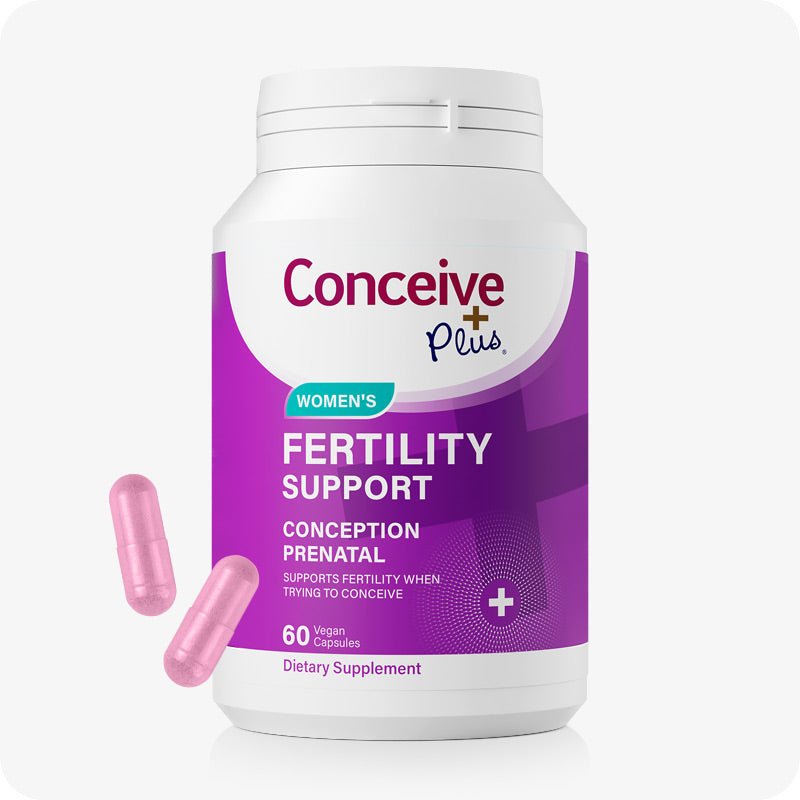
You can take female fertility supplements, like Ovulation Support by Conceive Plus, to complement a healthy diet and lifestyle. These supplements contain a wide range of nutrients that are scientifically proven to be beneficial for improving female fertility and supporting regular ovulation [6].
These nutrients include myoinositol, vitamin D, omega-3 fatty acids, and other antioxidants like Coenzyme Q10. However, before starting any supplement, always talk with your healthcare provider to ensure it is right for you.

-
Maintain a Healthy Weight
Achieving and maintaining a healthy weight is critical for a regular menstrual cycle and ovulation. If you are underweight, gaining weight gradually through increased calorie intake can help restore normal ovulation. Make sure you get additional calories from nutritional sources.
On the other hand, if you are overweight, even a loss of 5-10% of body weight can significantly improve fertility health and promote regular ovulation. You can achieve weight loss through moderate exercises and dietary modifications.
-
Avoid Alcohol and Substance Abuse
Avoiding alcohol and substance abuse can improve fertility and help restore ovulation in many ways. Alcohol can disrupt hormone levels, causing problems like anovulation or irregular ovulation. Substance abuse also harms reproductive health and lowers the chances of conception. Quitting these harmful habits helps balance hormones, supports regular menstrual cycles, and improves overall fertility.
-
Manage stress
Chronic stress can negatively impact the hormones needed for ovulation. You can manage stress with relaxation techniques like meditation and deep breathing exercises. Also, getting adequate sleep and consulting a professional can significantly help relieve stress and create a sense of happiness.
If you're curious about effective methods to track your ovulation and pinpoint the best time to conceive, be sure to check out our article on "How Do You Track Ovulation and Find the Best Time to Conceive" for more details.
The Bottom Line
Ovulation is when the female body releases a ready-to-be-fertilized egg. Without ovulation, there is no egg available for fertilization, making conception impossible. There can be several reasons why a female body doesn't produce eggs, including health conditions, poor diet, and an unhealthy lifestyle.
A common question women ask in such cases is how to force ovulation naturally. Improving fertility health can promote regular ovulation in the body. Dietary and lifestyle adjustments are natural ways to boost fertility and restore ovulation, increasing the chances of conception.
Resources Used
- Hamilton-Fairley, D., & Taylor, A. (2003). Anovulation. BMJ : British Medical Journal, 327(7414), 546. https://doi.org/10.1136/bmj.327.7414.546
- Holesh, J. E., Bass, A. N., & Lord, M. (2023b, May 1). Physiology, ovulation. StatPearls - NCBI Bookshelf. https://www.ncbi.nlm.nih.gov/books/NBK441996/
- Davis, E., & Sparzak, P. B. (2025, January 21). Abnormal uterine bleeding. StatPearls - NCBI Bookshelf. https://www.ncbi.nlm.nih.gov/books/NBK532913/
- Thiyagarajan, D. K., Basit, H., & Jeanmonod, R. (2024, September 27). Physiology, menstrual cycle. StatPearls - NCBI Bookshelf. https://www.ncbi.nlm.nih.gov/books/NBK500020/
- Balen, A. H., & Rutherford, A. J. (2007). Managing anovulatory infertility and polycystic ovary syndrome. BMJ : British Medical Journal, 335(7621), 663. https://doi.org/10.1136/bmj.39335.462303.80
- Skoracka, K., Ratajczak, A. E., Rychter, A. M., Dobrowolska, A., & Krela-Kaźmierczak, I. (2021b). Female fertility and the nutritional approach: the most essential aspects. Advances in Nutrition, 12(6), 2372–2386. https://doi.org/10.1093/advances/nmab068
🌱 Support Your Fertility Journey
Conceive Plus fertility supplements are clinically formulated to help regulate your cycle and support egg quality.
Shop Fertility Support →Frequently Asked Questions
Recommended by Fertility Experts
Conceive Plus Men's Fertility Support
Designed to support healthy sperm production, motility, and overall male reproductive health with clinically studied nutrients.
Shop Now →Q: How can I make myself ovulate naturally?
A: Making yourself ovulate naturally involves optimizing overall reproductive health through lifestyle modifications and targeted nutritional support. Key strategies include maintaining a healthy body weight (as being significantly underweight or overweight can suppress ovulation), managing stress through yoga or meditation, getting adequate sleep, and exercising moderately 3-5 times per week. Nutritional approaches matter too—consuming foods rich in folate, iron, and antioxidants, along with fertility supplements like Conceive Plus that contain key micronutrients, can support healthy ovulatory function. If lifestyle changes don't restore ovulation within 2-3 months, consulting with a reproductive endocrinologist is recommended to rule out underlying conditions like PCOS or thyroid disorders.
Q: What is anovulation and why does it happen?
A: Anovulation is a condition where the ovaries fail to release an egg during the menstrual cycle, affecting approximately 6% of women of reproductive age according to the American Society for Reproductive Medicine (ASRM). This can occur due to hormonal imbalances (such as low progesterone or LH surges), polycystic ovary syndrome (PCOS), thyroid disorders, elevated prolactin levels, or lifestyle factors like extreme exercise or significant stress. Other causes include being significantly underweight or overweight, poor nutrition, and certain medical conditions. Understanding the underlying cause is essential for determining the most effective treatment approach, whether natural interventions or medical fertility treatments are needed.
Q: How to fix late ovulation naturally?
A: Late ovulation—when ovulation occurs after day 21 of your cycle—can often be improved through natural methods focused on hormone balance and metabolic health. Start by tracking your cycle meticulously using basal body temperature or ovulation predictor kits to confirm late ovulation is actually occurring. Nutritional interventions are crucial: ensure adequate intake of vitamin D, zinc, and B vitamins, which support the hormonal cascade needed for timely ovulation. Regular moderate exercise, stress reduction practices, and limiting caffeine and alcohol can also help regulate ovulation timing. Supplements supporting reproductive health, when combined with these lifestyle changes, may help normalize ovulatory patterns within 2-3 menstrual cycles.
Q: How to increase ovulation naturally with diet and supplements?
A: A fertility-focused diet rich in whole grains, lean proteins, healthy fats, and colorful vegetables provides essential micronutrients that support ovulation and egg quality. Specific nutrients matter: iron from spinach and legumes, folate from leafy greens, vitamin E from nuts, and selenium from whole grains all play roles in reproductive health. Omega-3 fatty acids from fish or flaxseed improve blood flow to reproductive organs, while antioxidants combat oxidative stress that can impair ovulation. Many women find that adding a comprehensive fertility supplement containing key vitamins and minerals—like those found in Conceive Plus—alongside dietary improvements provides additional support for natural ovulation. The combination of targeted nutrition and supplements, maintained for at least 2-3 months, gives your body the nutritional foundation needed to support healthy, regular ovulation.
Q: When should I see a doctor about anovulation instead of trying natural remedies?
A: You should consult a reproductive endocrinologist if you've had no period for three months, have tried natural methods for 3-6 months without success, or have irregular cycles that suggest anovulation. Additionally, seek medical evaluation if you have symptoms of underlying conditions like PCOS (excessive hair growth, acne, weight gain), thyroid disorders, or significantly elevated BMI, as these often require medical intervention alongside natural approaches. Women over 35 trying to conceive should not delay seeking professional evaluation, as age impacts fertility outcomes. A doctor can run blood tests to check hormone levels, thyroid function, and prolactin, and perform ultrasounds to assess ovarian function—testing that's essential for developing an effective treatment plan tailored to your specific situation.
Trusted by Couples in Over 70 Countries
Support Male Fertility From the Inside Out
Male fertility is just as important as female fertility in the conception journey. Conceive Plus Men's range delivers targeted nutritional support to promote healthy sperm and overall reproductive wellbeing.
Shop Men's Range →